
Alocasia Care Guides
Alocasia care indoors is mostly about reading the plant before you water again. In my home setup, most problems start when light drops, the pot stays wet too long, or the roots slow down before the leaves show clear signs. This page collects my main Alocasia care guides so you can start with the problem you are actually seeing: watering, light, soil, root health, or propagation.
Quick Navigation
Alocasia Watering & Humidity
Watering is where most Alocasia problems begin. I do not water mine by a fixed weekly schedule, because the same pot can dry very differently in summer, winter, bright light, or a cool room. Before watering, I look at pot weight, leaf firmness, soil texture, and whether the plant is actively pushing new growth.
If your Alocasia is yellowing, drooping, or losing older leaves, start here before changing fertilizer or humidity. A plant that sits wet for too long usually needs more light, better airflow, or a chunkier soil mix — not more water.
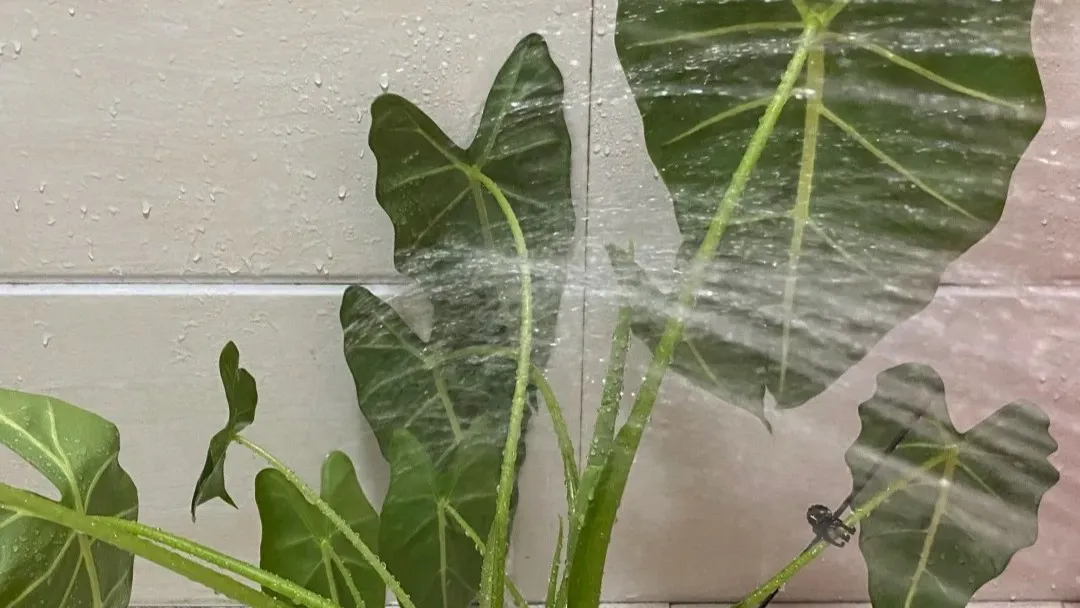
How Often Should You Water Alocasia? (Seasonal Guide)
Watering needs shift with light, temperature, and soil. Learn the right rhythm for every season.
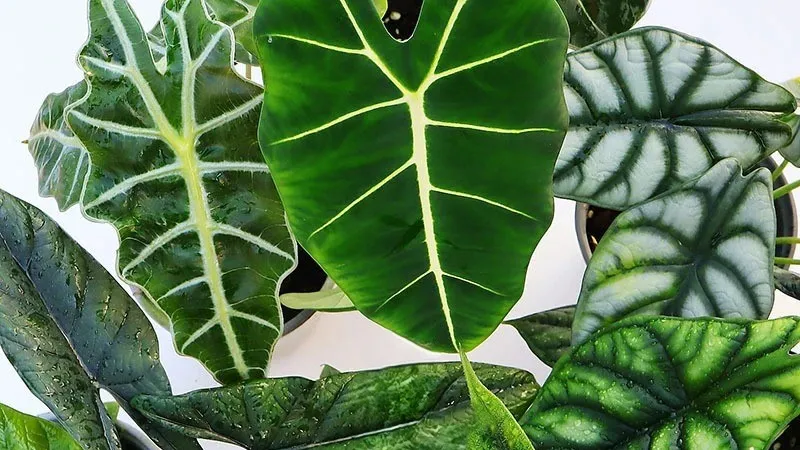
How to Care for Alocasia: The Complete Guide for Thriving Plants
A full guide covering light, watering, soil, humidity, and common issues to keep Alocasia growing strong.
Alocasia Light Requirements
Alocasia propagation is usually done through corms, offsets, or division, not stem cuttings. The hardest part is not finding corms — it is keeping them warm, lightly moist, and clean long enough for roots and growth points to wake up.
I prefer to check for corms during repotting instead of disturbing the plant too often. If the mother plant is weak, yellowing, or recovering from root stress, I usually wait before dividing it.
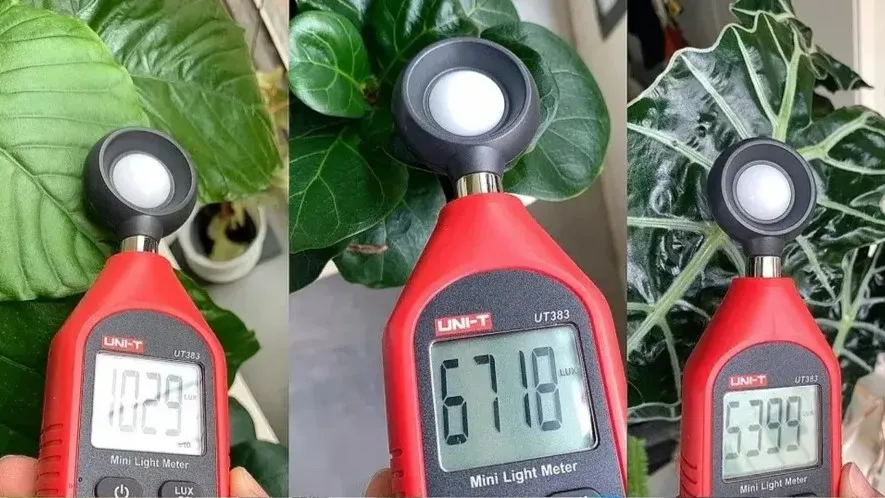
Alocasia Light Requirements: Natural Sun vs. Grow Lights
A clear guide to the light levels Alocasia needs, with real meter readings for windows and grow lights.
Soil, Potting & Repotting
For Alocasia, soil is not just about drainage. The mix needs to hold enough moisture for thin feeder roots, but still leave air around the root system. A heavy mix may look fine for a few weeks, then become risky when the season cools down or the plant stops growing.
I usually prefer a chunky indoor mix with bark, perlite or pumice, and a moisture-holding base such as coco coir. If a pot stays wet for too many days, I treat that as a warning sign even before the leaves collapse.
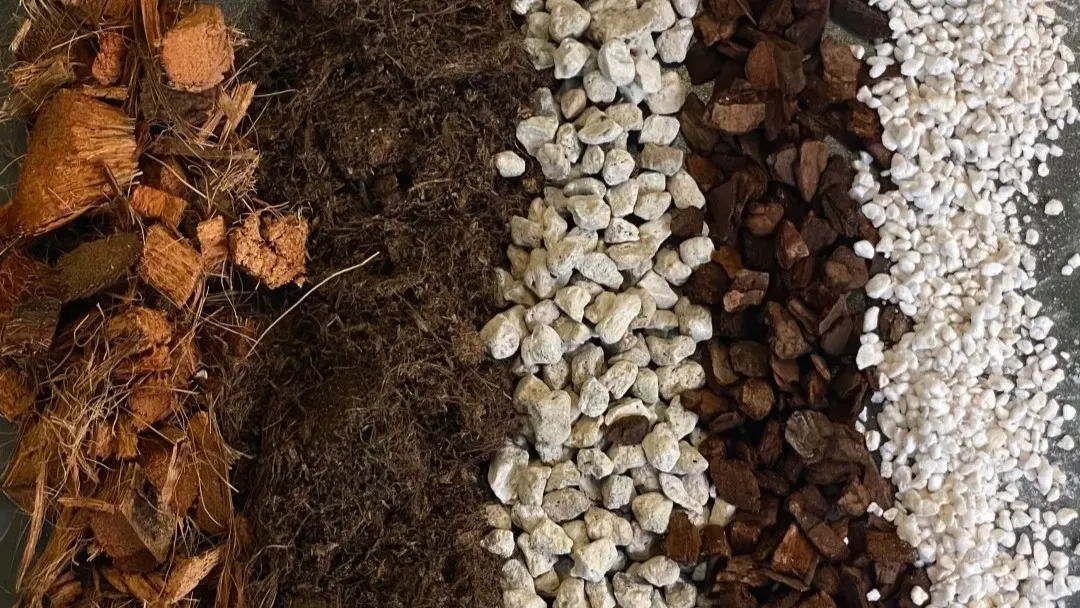
Best Soil Mix for Alocasia (DIY + Ready-Made Options)
Learn the ideal airy mix for healthy roots, plus simple DIY recipes and store-bought alternatives.
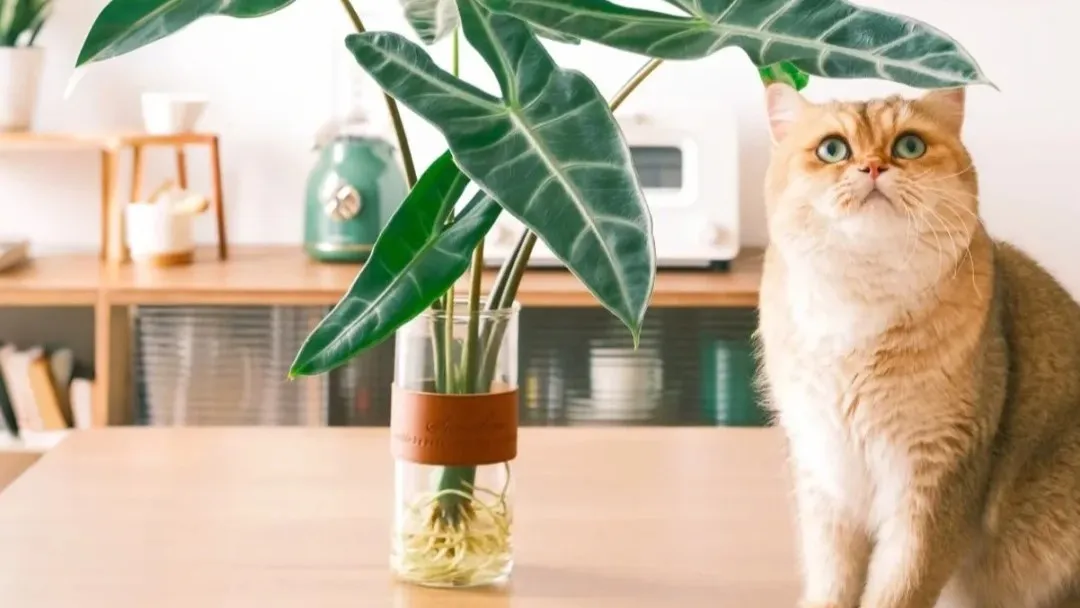
How I Converted My Alocasia Frydek to Semi-Hydro
A real experiment converting Alocasia Frydek to semi-hydro using LECA and how the roots adapted.
Propagation & Growth
Alocasia propagation is usually done through corms, offsets, or division, not stem cuttings. The hardest part is not finding corms — it is keeping them warm, lightly moist, and clean long enough for roots and growth points to wake up.
I prefer to check for corms during repotting instead of disturbing the plant too often. If the mother plant is weak, yellowing, or recovering from root stress, I usually wait before dividing it.
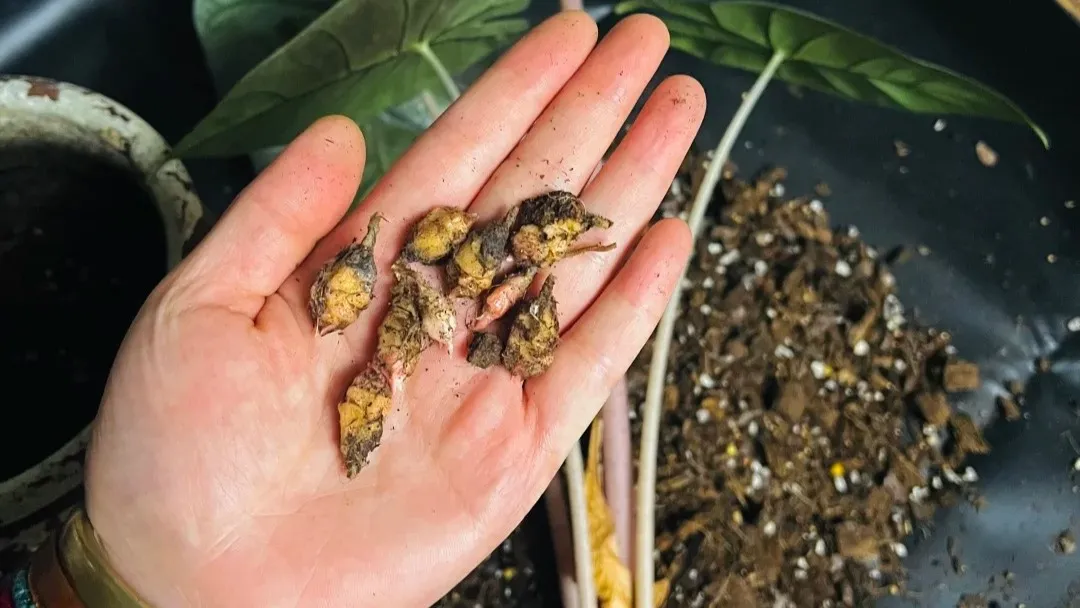
How to Propagate Alocasia: Corms, Offshoots, and More
Step-by-step methods for dividing, raising corms, and encouraging new offsets with better success.
FAQ
These are the questions I would check first if someone brought me a struggling Alocasia indoors.