I already have a full guide on the best soil mix for Alocasia, where I explain what kind of texture works best for the roots. This page is different. Here, I’m focusing on what I would actually buy if I wanted a simple soil setup without mixing everything from scratch.
Instead of listing random ingredients one by one, I prefer thinking in two buying paths. If you only have one or two Alocasia, a ready-made mix keeps things simple. If you have more plants, or you know you will keep adding Alocasia to your collection, buying the ingredients separately usually gives you more control and better long-term value.
Below, I’ll compare the easy ready-made option with a DIY ingredient setup, so you can choose what fits your plant collection instead of buying soil products you may not need.
Quick Answer: Which Soil Setup Should You Buy?
I would choose between two soil-buying paths. If you only have one or two Alocasia, a ready-made chunky aroid mix is usually easier. If you have several plants or plan to keep buying more Alocasia, buying the ingredients separately usually becomes more practical and cheaper over time.
| Your Situation | Best Soil Setup | What I Would Buy |
|---|---|---|
| You only have one or two Alocasia | Ready-made setup | Chunky aroid mix, used with a small pot and careful watering |
| You have several Alocasia or plan to buy more | DIY ingredient setup | Indoor potting mix, orchid bark, perlite, pumice, and optional coco coir |
My rule is simple: buy the setup, not random ingredients. Ready-made soil saves time. DIY ingredients cost more upfront, but they make more sense once you are repotting several plants.
Setup 1 — Easiest Ready-Made Mix for Beginners
If I only had one or two Alocasia, I would not buy five different soil amendments right away. A good ready-made chunky aroid mix is usually the easiest place to start, especially if I do not want bags of bark, perlite, pumice, and coco coir sitting around the house.
The key is to choose a mix that already feels airy and chunky, not a heavy general potting soil with a little perlite sprinkled in. For Alocasia, I still want the roots to have air around them, but I do not want the mix to dry out instantly either.
I would pair the mix with a small nursery pot that has good drainage. This matters more than people think. Even a good soil mix can stay too wet if the pot is too large for the root system.
Some product links in this guide are affiliate links. If you buy through these links, I may earn a small commission at no extra cost to you.
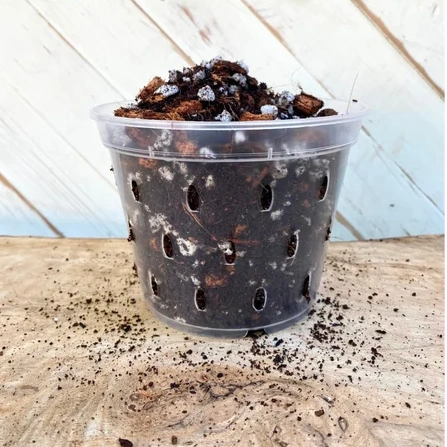
Rooted Potting Blends Chunky Aroid Mix
Best for: one or two Alocasia, beginners, and small repotting projects.
I would choose a ready-made chunky mix like this when buying several separate ingredients would be unnecessary. I would still check how quickly it dries in my room and avoid using an oversized pot.
Another Ready-Made Option: rePotme Aroid Imperial Mix
If I wanted an Amazon option instead, I would consider a ready-made aroid mix like this for one or two plants. I would still treat it as a starting point rather than assume it is perfect for every room or root system.
Best for: small collections and simple repotting.
Setup 2 — DIY Soil Mix for More Alocasia
If you have several Alocasia, or you plan to keep buying more, mixing your own soil usually makes more sense than buying small bags of ready-made aroid mix again and again.
The upfront cost is higher because you need several ingredients, but each repot becomes cheaper once you already have them at home. It also gives you more control. You can make the mix faster-draining in winter, or add a little more moisture balance if your room is dry.
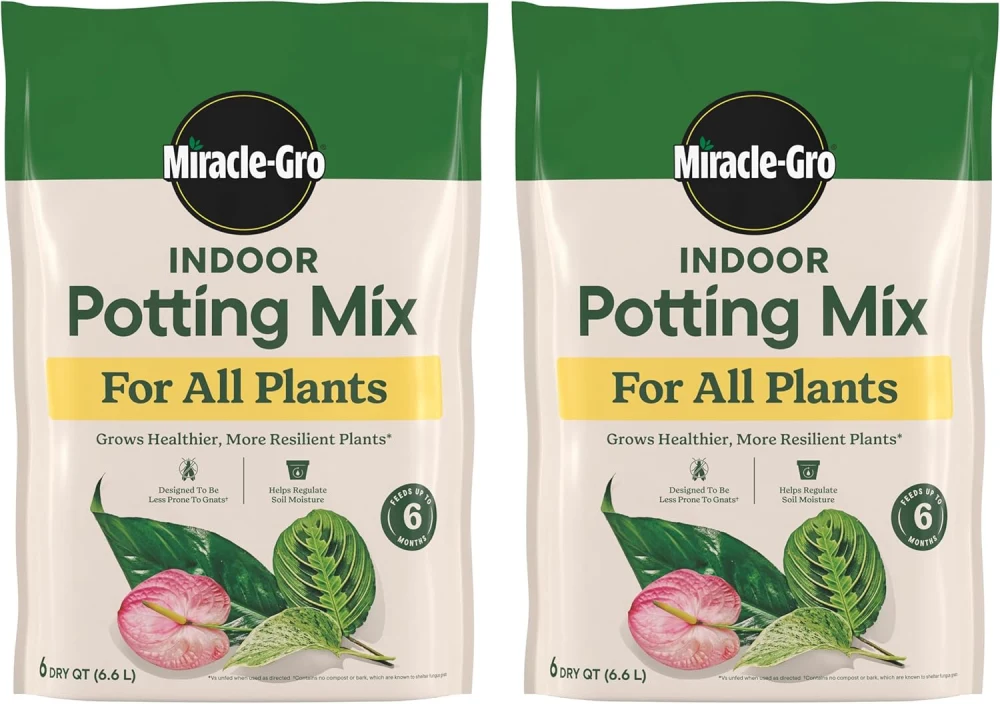
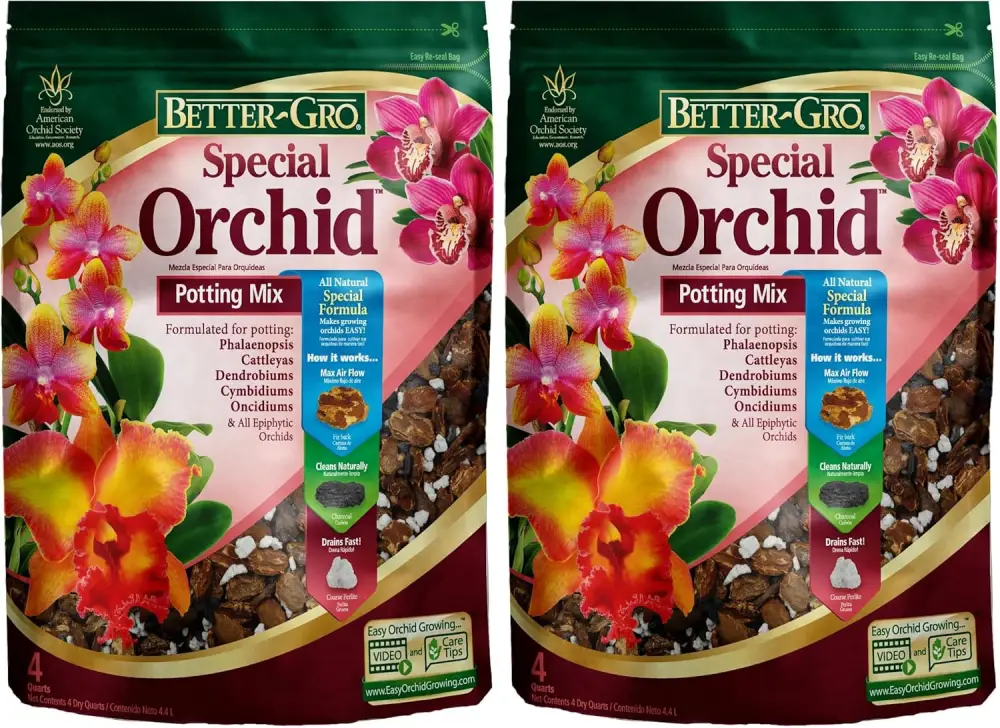
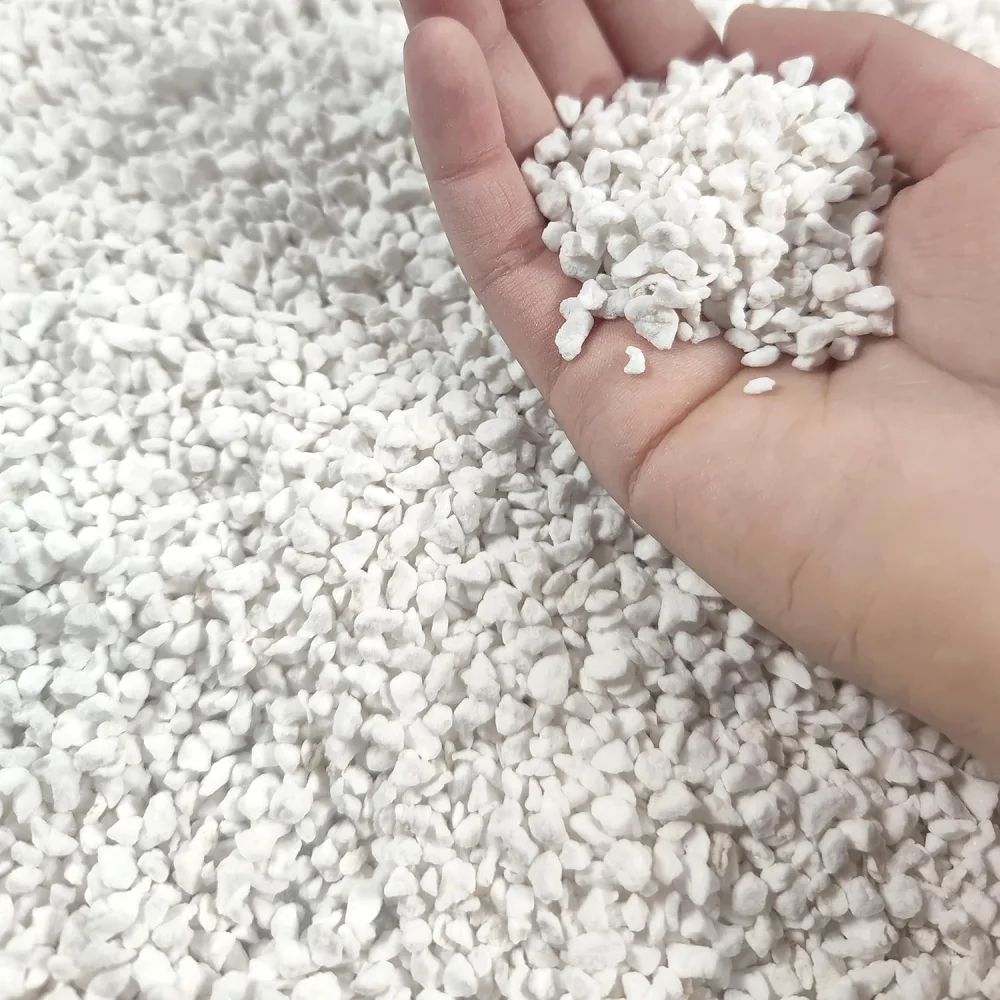
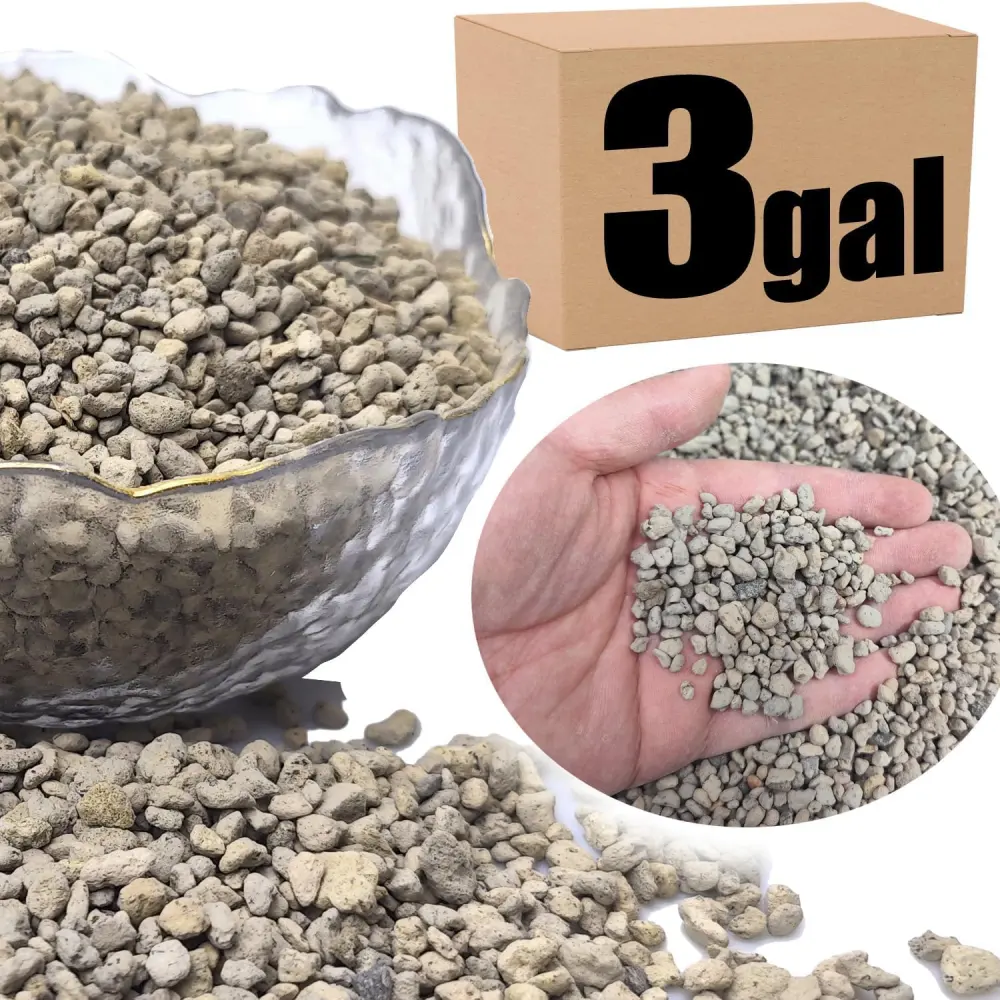
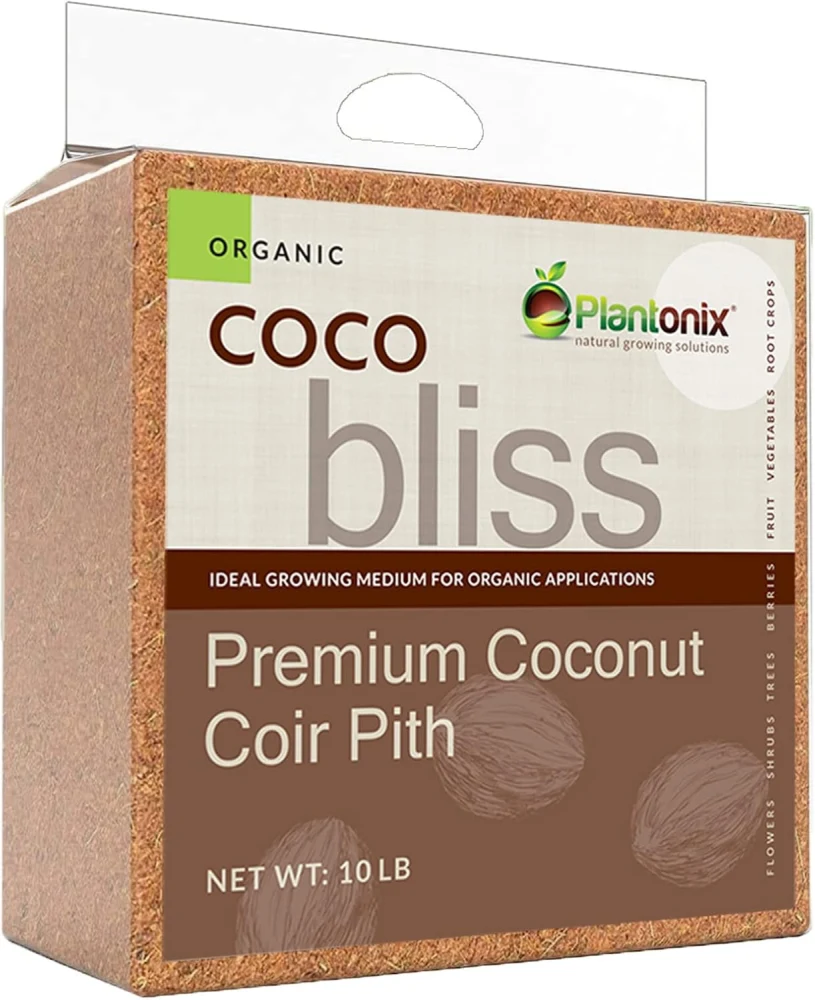
For my basic DIY setup, I would start with an indoor potting mix as the base, then add orchid bark, perlite, and pumice for structure and drainage. Coco coir is optional, and I would only use it if the room is dry or the mix dries too quickly.
| Ingredient | Role in the Mix | When I Use More |
|---|---|---|
| Indoor potting mix | Moisture-holding base | When the room is warm, dry, or the plant is actively growing |
| Orchid bark | Chunky structure and airflow | When the mix feels too fine or compact |
| Perlite | Lighter texture and faster drainage | When I want a budget-friendly way to loosen the mix |
| Pumice | Long-lasting aeration | When my home is damp or winter soil dries slowly |
| Coco coir | Optional moisture balance | Only when the room is dry or the mix dries too fast |
If I were buying the DIY ingredients from scratch, I would prioritize the base mix, bark, and one aeration material first. Perlite and pumice do similar jobs here, so I would not necessarily buy both for a small collection.
What I Would Not Buy for Alocasia Soil
When choosing soil products for Alocasia, I try to avoid anything that makes the mix heavy, stale, or hard to judge when watering. Alocasia roots like moisture, but they do not like sitting in dense, wet soil for too long.
These are the soil products I would be careful with:
- Heavy moisture-control soil: This usually holds too much water for Alocasia, especially indoors or during winter.
- Garden soil: It is too dense for pots and can compact badly around the roots.
- Dense compost-rich mix: A little organic matter is fine, but a rich, heavy mix can stay wet for too long.
- Straight coco coir: I only use coco coir as part of a mix, not as the whole soil.
- Straight orchid bark alone: Bark helps with airflow, but by itself it may dry too unevenly and does not give enough moisture balance for most indoor Alocasia.
My rule is simple: I want a mix that feels airy and chunky, but still has enough moisture balance to support the roots. If a product pushes the mix too far in one direction — too wet, too dry, too fine, or too loose — I would adjust it before using it for Alocasia.
Buy the Setup, Not Random Ingredients
When I buy soil products for Alocasia, I try not to think in single ingredients first. Bark, perlite, pumice, coco coir, and ready-made aroid mix can all be useful, but only when they solve the right problem.
If my home stays damp in winter, I want a setup that dries faster and gives the roots more air. If my room is warm and dry, I may need a little more moisture balance without making the mix heavy. If the plant has weak roots, I care more about a small pot and an airy mix than a rich soil blend.
That is why I would rather buy a soil setup than a pile of random amendments. For Alocasia, the goal is not the chunkiest mix or the most complicated recipe. It is a mix that matches your room, your pot size, and the condition of the roots.