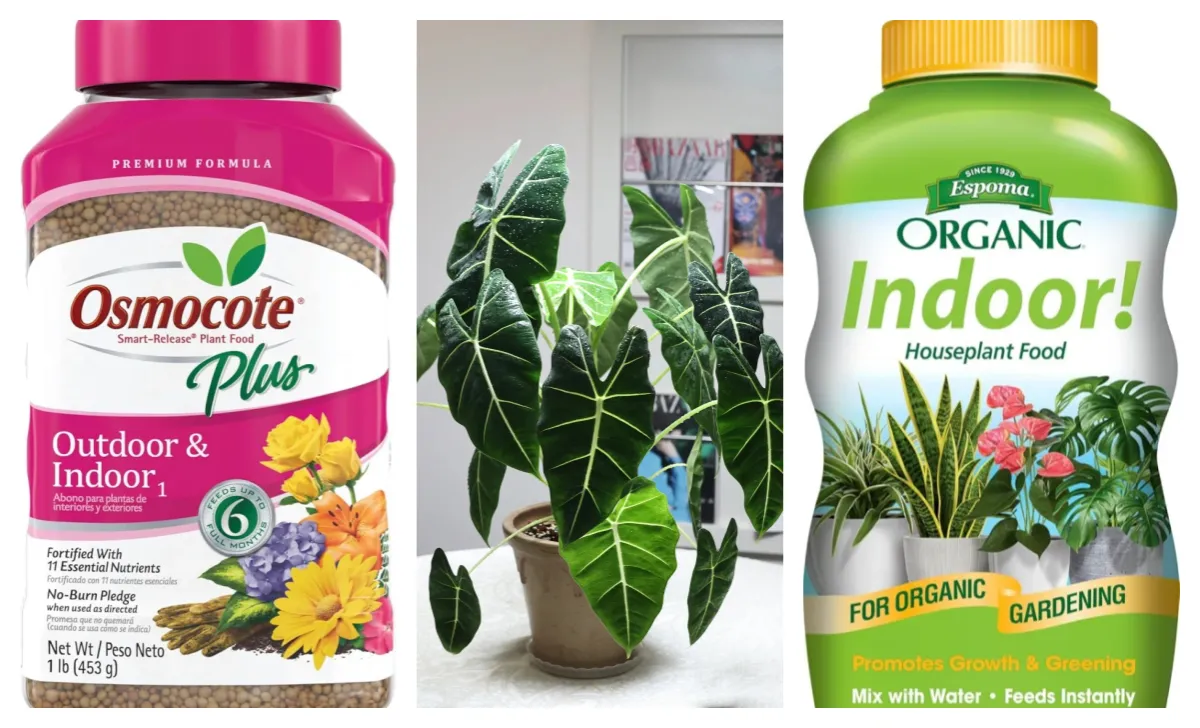
I do not like spraying Alocasia as soon as I notice a damaged leaf. Brown marks, pale patches, and distorted growth can come from pests, but they can also come from watering problems, root stress, incorrect light, or a recent change in conditions.
When I suspect spider mites or thrips, I start by checking the leaf undersides, isolating the plant, and cleaning away as many pests as I can. Only then do I decide whether the plant needs insecticidal soap, horticultural oil, sticky traps, or a stronger treatment.
Alocasia leaves can be sensitive, especially when the plant is already stressed. For me, the best pest control product is not always the strongest one. It is the one I can apply carefully, repeat when needed, and use without creating more damage than the pest itself.
Quick Answer: What Pest Control Product Should I Use for Alocasia?
I do not choose a pest control product until I have checked the leaves closely. The right first step depends on whether I am dealing with dust, spider mites, thrips, or a plant that is already too stressed for a strong treatment.
| Problem | What I’d Use First | What I Would Not Do |
|---|---|---|
| Not sure what pest it is | Magnifier and a careful leaf check | Spray randomly |
| Light dust or leaf residue | Microfiber cloth and plain water | Use leaf shine |
| Spider mites | Rinse, wipe, and use insecticidal soap if needed | Spray once and stop checking |
| Thrips | Sticky traps and a targeted leaf treatment | Rely on traps alone |
| Weak or stressed Alocasia | Clean gently, isolate, and monitor | Use strong products immediately |
| Severe or repeated pests | Confirm the pest again and choose a label-approved targeted treatment | Jump straight to systemic granules or mix several sprays together |
My simple rule is: identify the pest first, clean the plant, then choose the mildest product that can realistically help. I would rather repeat a careful treatment than use several strong products at once and damage the leaves.
Start Here — Inspect and Isolate Before Spraying
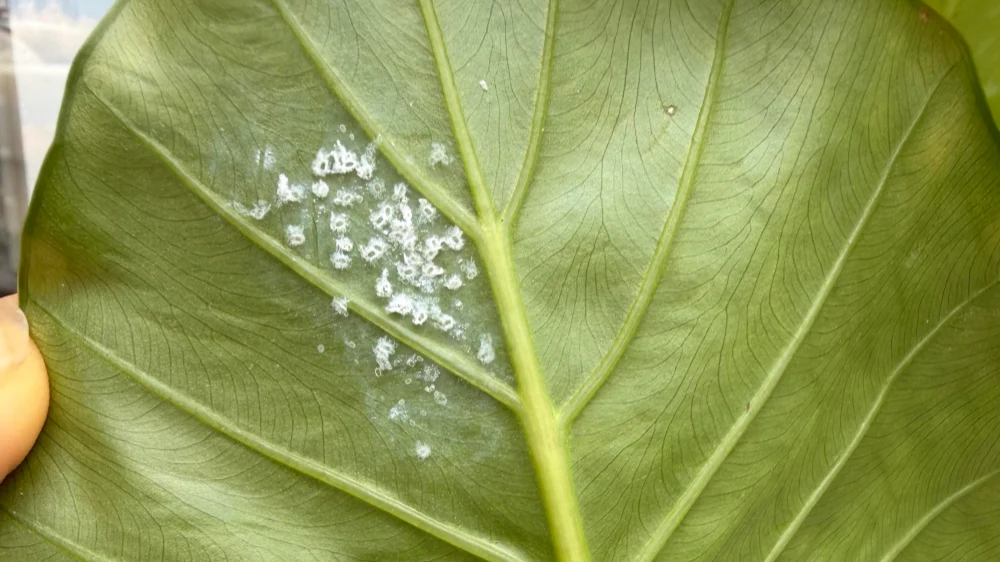
Before I spray anything, I move the Alocasia away from my other plants and check the leaves closely. I pay the most attention to the undersides, new growth, leaf joints, and the base of the stems, because small pests can hide there long before the damage becomes obvious.
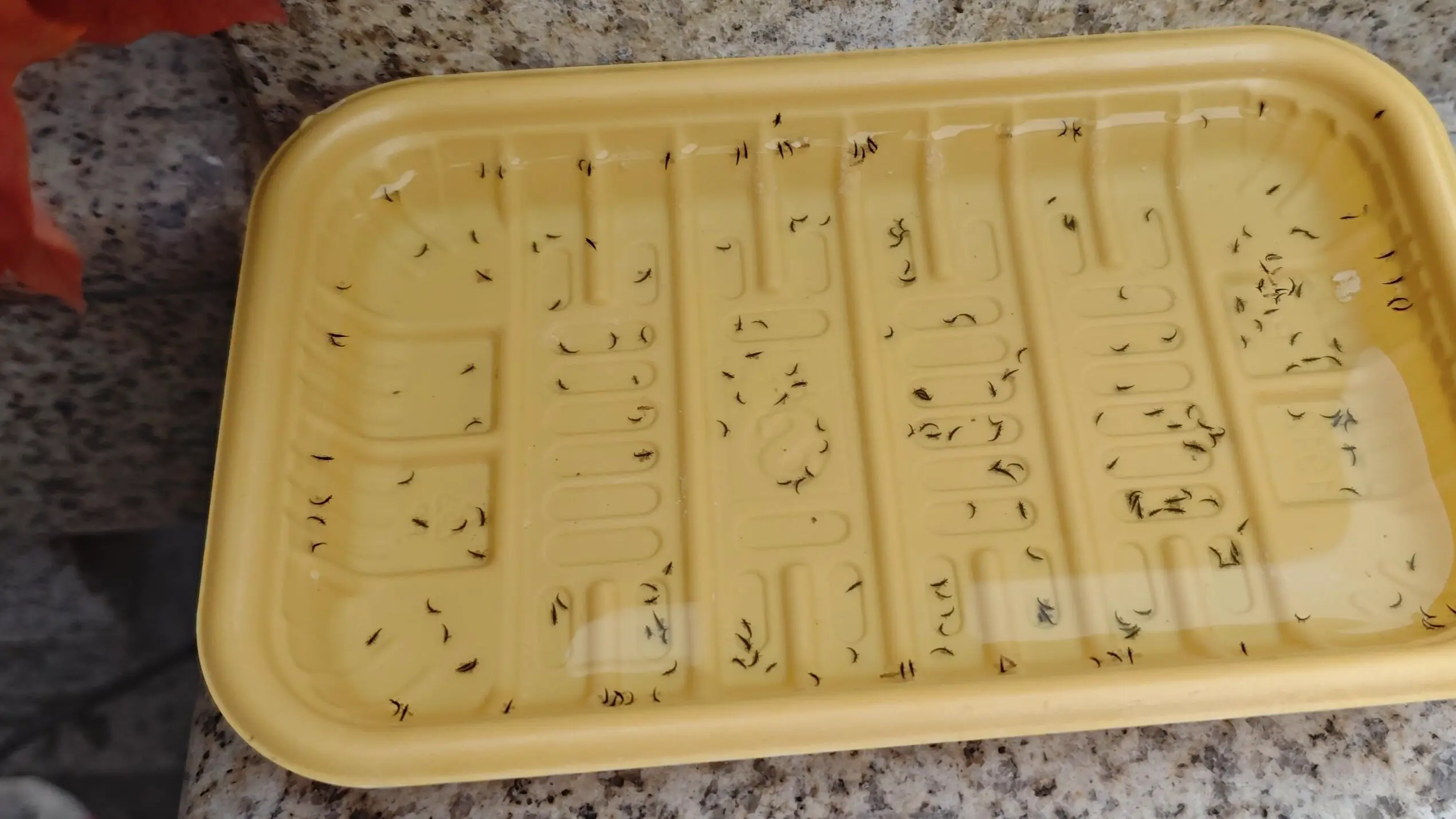
A small magnifier helps me tell the difference between dust, spider mites, thrips, and old leaf damage. For suspected spider mites, I also tap a leaf over a sheet of white paper. If tiny dots fall onto the paper and begin moving, I know I need to look more closely.
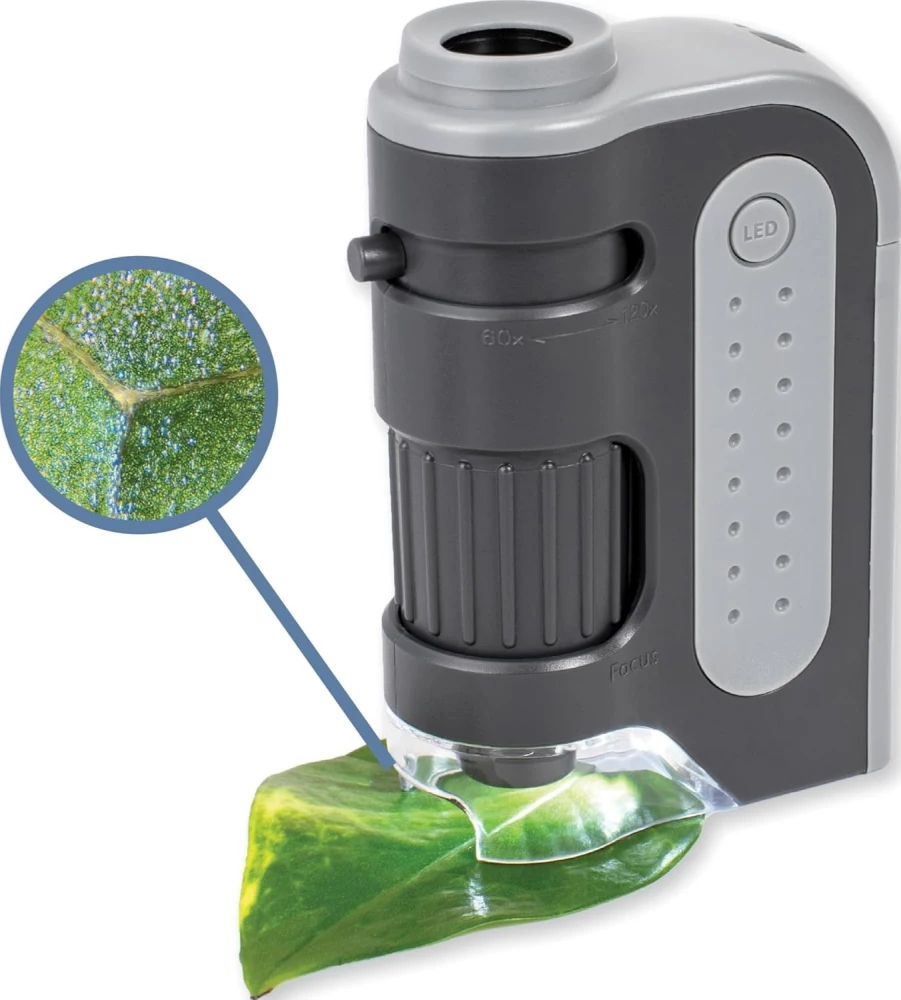
Carson Pocket Microscope
Best for: checking leaf undersides, suspected mites, thrips, eggs, or old damage.
I like using magnification before I spray anything because it helps me confirm whether I am dealing with a real pest problem. It does not replace isolation or treatment, but it can stop me from treating the wrong problem.
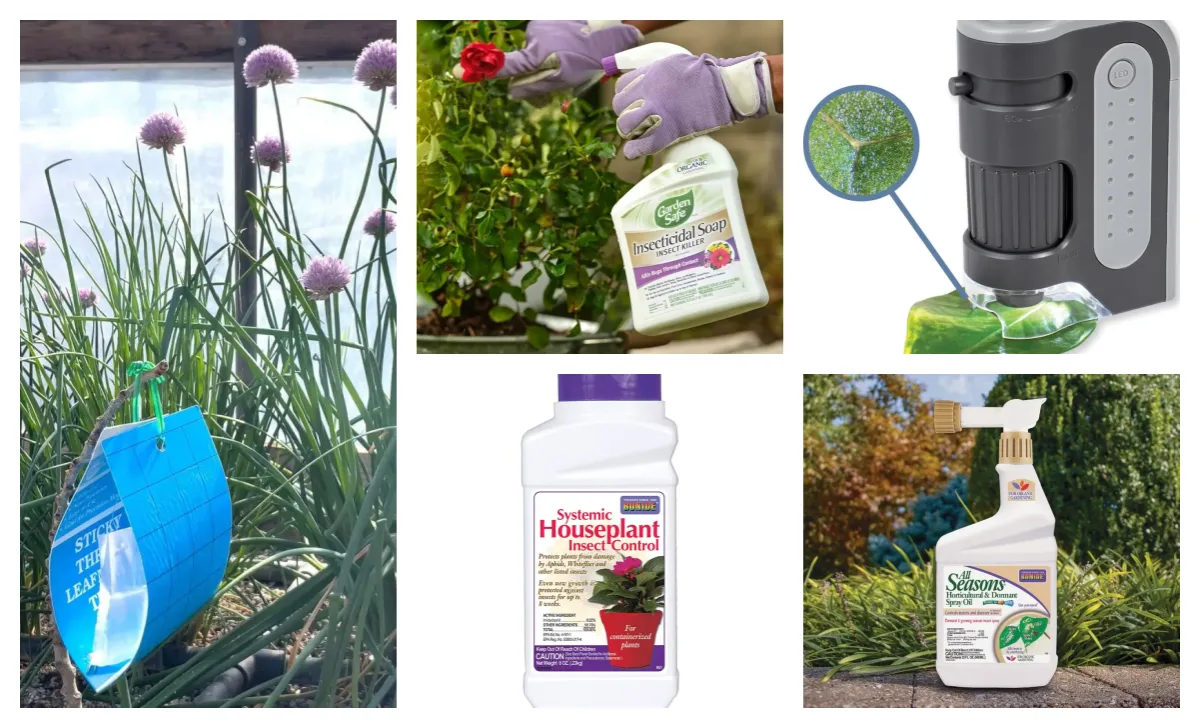
Sticky traps are useful when I suspect thrips or another flying pest. They can help confirm that adults are present and show whether the problem is continuing, but I do not treat traps as a complete solution.
I isolate the plant as soon as I suspect pests, even before I am completely sure what I am dealing with. That gives me time to inspect and clean it without letting the problem spread through the rest of my collection. If the signs point to mites, I follow my guide to spider mites on Alocasia before choosing a treatment.
Leaf Cleaning Products I’d Use First
Because Alocasia leaves are large, pests can hide along the undersides, veins, and edges without being obvious from the front. When I catch a problem early, my first step is often leaf cleaning rather than immediately reaching for a stronger spray.
I use a soft microfiber cloth with plain water to wipe both sides of the leaf. A spray bottle helps loosen dust and pests before wiping, while cotton swabs are useful around the veins, leaf joints, and smaller areas that are harder to reach. For textured leaves, I may use a very soft brush instead of rubbing too hard.
After rinsing or wiping the leaves, I make sure they are not left wet in a cool, still corner. If drying takes too long, I also check my Alocasia humidity and airflow setup before adding more moisture around the plant.
I do not use leaf shine as part of pest control. It does not remove spider mites or thrips, and it can leave another coating on leaves that already show marks easily. For Alocasia, plain water and gentle cleaning are usually more useful than making the leaves look glossy.
My First Treatment for Light Spider Mite Problems
For a light to moderate spider mite problem, a ready-to-use insecticidal soap is usually the first treatment I would consider after rinsing and cleaning the leaves. It is easier to control than mixing a strong pesticide, and I can apply it directly to the areas where mites are hiding.
Coverage matters more than using a stronger spray. I make sure the product reaches the undersides of the leaves, the veins, and the places where I can see mites or fine webbing. Insecticidal soap works by contact, so spraying only the top of the leaf will not do much.
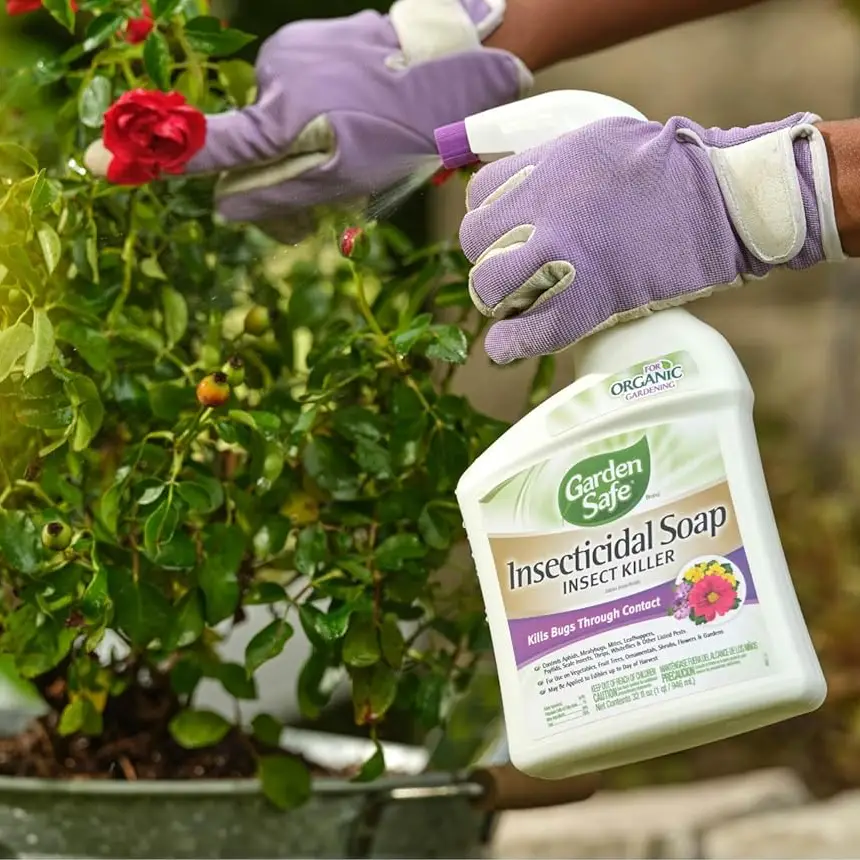
Garden Safe Insecticidal Soap
Best for: confirmed light infestations of soft-bodied pests when the current label allows use on the plant and pest.
I would consider a ready-to-use insecticidal soap after rinsing and cleaning because it is easier to control than mixing several products together. I would still test a small area first and follow the label for coverage and repeat applications.
Before treating the whole plant, I test a small area and wait to see how the leaf reacts. I also avoid spraying when the plant is dry-stressed, sitting in direct sun, or exposed to high heat, because stressed Alocasia leaves can mark or burn more easily.
One treatment is rarely where I stop. I inspect the plant again over the following days and repeat only as directed on the product label. For me, spider mite control is a process of cleaning, careful coverage, and repeated checking—not one heavy spray.
When I Would Use Horticultural Oil or Neem Oil
I see horticultural oil or neem oil as an optional follow-up treatment, not the first product I use on every Alocasia. I may consider it when cleaning and insecticidal soap have not been enough, or when I need another contact treatment for pests hiding along the leaf undersides and veins.
Alocasia leaves can react badly to oily sprays, especially when the plant is already stressed. Before treating the whole plant, I test a small section of one leaf and wait to see whether it develops marks, discoloration, or burning.
I do not mix horticultural oil or neem oil with other pest sprays unless the product labels specifically allow it. Combining treatments can increase the risk of leaf damage without making pest control more effective.
After spraying, I keep the plant away from direct sun, strong grow lights, and high heat until the leaves are dry. I also follow the label instead of applying it more often than recommended.
An Optional Follow-Up: Horticultural Oil
If cleaning and a gentler treatment have not been enough, I may consider a horticultural oil that is labeled for the pest and plant I am treating. I would patch-test first and avoid combining it with other sprays unless the labels specifically allow that.
Best for: dark decorative corners, one larger Calathea, small grouped setups.
What I’d Use for Thrips on Alocasia
When I suspect thrips, I use sticky traps to help confirm that adult insects are present and to see whether the problem is continuing. I place the traps close to the plant, but I do not expect them to solve the infestation by themselves.
For thrips monitoring, I may place a few sticky traps near the plant to see whether adult activity continues. I use them as a monitoring tool, not as the main treatment.

Thrips can hide on leaf undersides, around veins, and inside new growth. That is why I still inspect and clean the plant, paying extra attention to unfolding leaves and the areas where the leaf meets the stem.
If the insecticidal soap I am using lists thrips and indoor ornamental plants on its current label, I may use it as the first targeted leaf treatment. I focus on new growth, leaf undersides, and the areas around the veins rather than spraying only the visible surface.
If cleaning, monitoring, and a label-approved insecticidal soap are not enough, I may consider a spinosad-based product. I would only use one when its label specifically allows indoor ornamental or foliage plants and lists thrips as a target pest.
I do not combine spinosad with insecticidal soap, horticultural oil, neem oil, or other sprays unless the labels clearly allow it. I also do not use it as a routine preventive spray on healthy plants.
Sticky traps help me monitor adult activity, while careful leaf treatment addresses pests hiding on the plant. I continue isolating and inspecting the Alocasia until I stop finding new damage or live thrips.
Stronger Pest Control Products I Would Use Carefully
I only consider a stronger systemic treatment when the pest problem keeps returning after isolation, cleaning, and repeated targeted sprays. I do not use systemic granules as the first step for every Alocasia, and I do not add them just because I see one damaged leaf.
Before using one, I check that the label specifically allows indoor ornamental or foliage plants and lists the pest I am treating. I also follow the stated dose, application method, and reapplication interval instead of guessing.
I would be especially careful with products containing imidacloprid. If the Alocasia may be moved outdoors during warm weather, I would not use it where flowers or visiting pollinators could be exposed.
I also do not combine a systemic treatment with several sprays at the same time. If I decide that a stronger product is necessary, I use one treatment plan, monitor the plant closely, and give the leaves and roots time to respond.
For me, stronger pest control is a last step for a confirmed, persistent infestation—not a routine preventive treatment.
Before using a systemic product, I also check whether the Alocasia is dealing with weak roots or root rot. If the soil stays wet too long, I fix that problem first instead of adding another treatment to an already stressed plant.
For a confirmed, persistent infestation, I may consider a systemic product only when the current label specifically allows indoor ornamental plants and lists the pest I am treating. I would not use systemic granules for spider mites or as routine prevention.
Pest Control Products I Would Not Mix or Use Blindly
I do not combine insecticidal soap, horticultural oil, spinosad, and systemic products just to make a treatment feel stronger. More products do not automatically mean better control, and mixing treatments can increase the risk of damaged Alocasia leaves.
I also avoid homemade dish soap sprays, routine preventive spraying, and using a product before confirming that its label allows the plant, pest, and application location. When I change treatments, I give the plant time and follow the instructions on the products I am actually using.
Identify, Clean, Then Treat
For Alocasia pests, I start with identification and isolation, not the strongest bottle I can find. Cleaning the leaves and reducing the number of pests often makes the next treatment more effective.
If a spray is needed, I use the mildest realistic option, test the leaf first, and keep checking the plant afterward. The goal is not only to remove the pest, but to do it without creating a second problem for the leaves or roots.