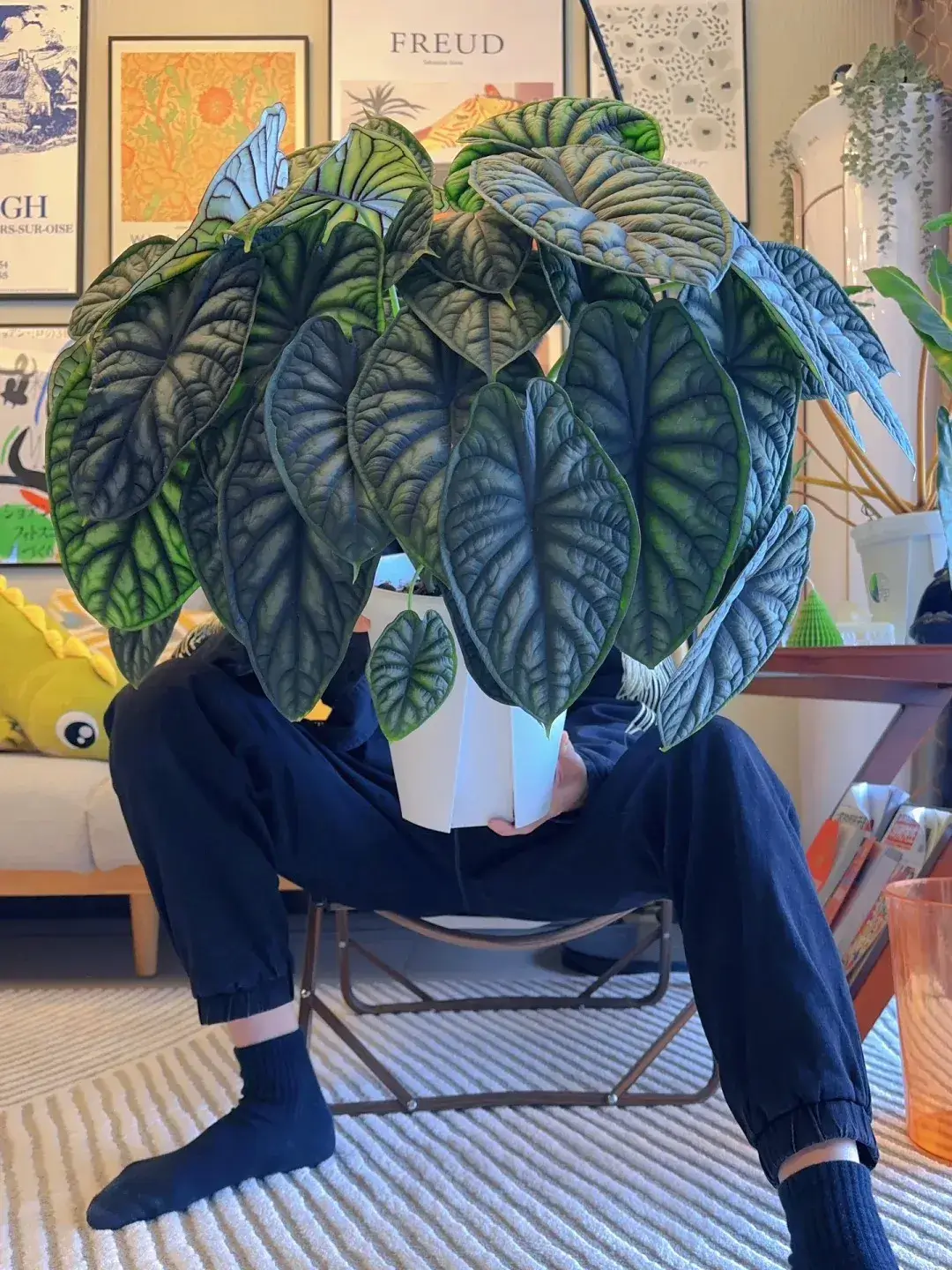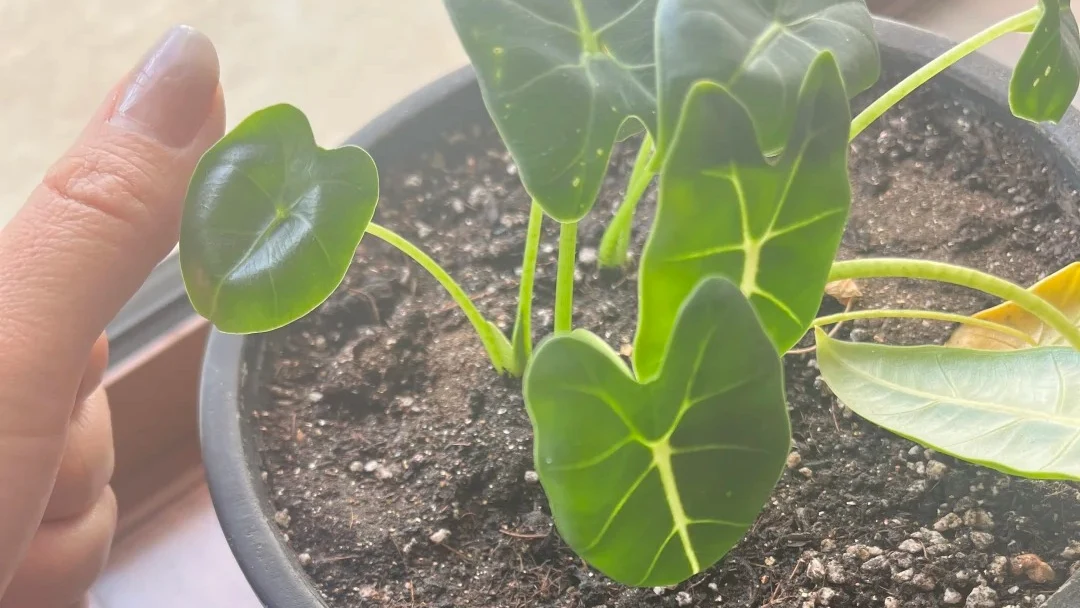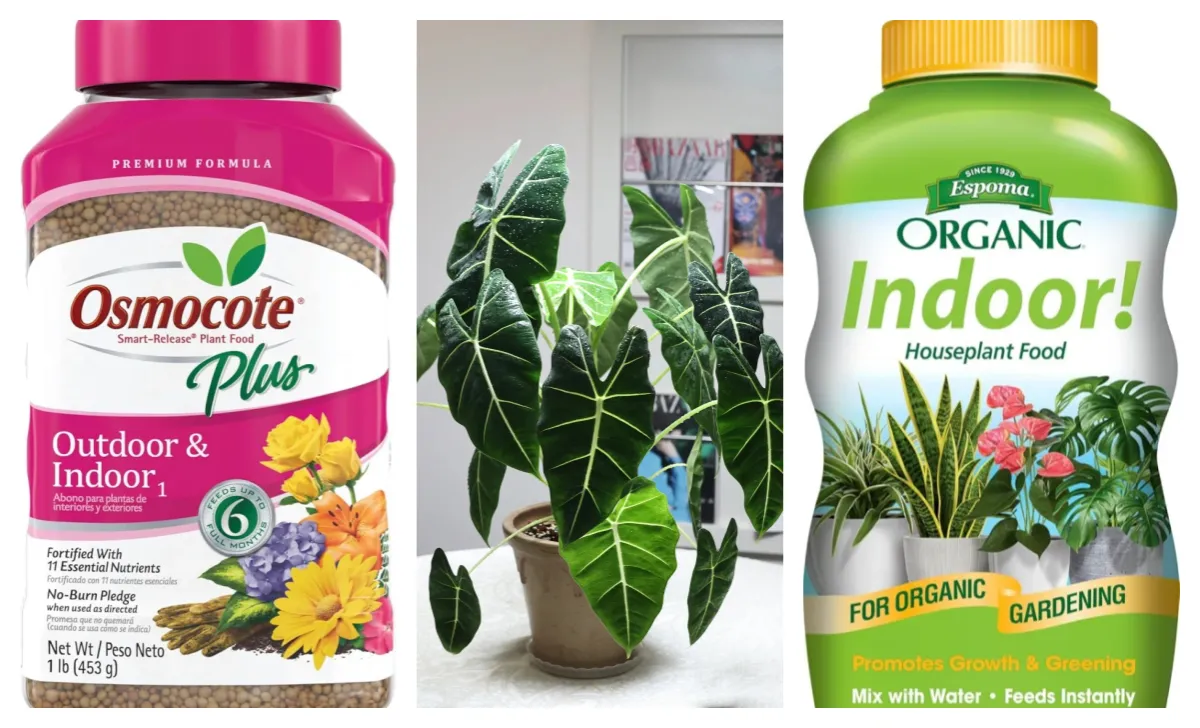
My Alocasia micholitziana ‘Frydek,’ commonly called Green Velvet Alocasia, never completely stopped growing. It kept producing new leaves, so at first I assumed it was doing reasonably well. The problem was that each new leaf seemed a little smaller than the one before it.
I did not fully notice the pattern until I compared the plant with photos from the previous year. It was still active, but it was no longer maintaining the leaf size it had produced before.
Following this plant through a brighter move and a later repot changed how I think about shrinking leaves. The same visible symptom can come from different things: sometimes the plant needs a better growing condition, and sometimes it is already growing below the soil where I cannot see it.
Quick Answer: Why Are My Alocasia Leaves Getting Smaller?
Alocasia leaves can become smaller when the plant receives too little usable light, when the roots have filled the pot, or when it is recovering from stress or repotting.
In my Green Velvet’s case, regular feeding did not prevent the leaves from shrinking because light was the main limiting factor. After I moved it to a brighter position, the improvement appeared gradually in the new growth.
A later pause after repotting had a different explanation. The roots were firm and expanding into the new soil, even though there was little visible growth above the pot.
I would not respond to one small leaf by immediately adding fertilizer or moving the plant into a larger pot. I first look for a pattern across several leaves and check what recently changed.
My Green Velvet Kept Growing Smaller Leaves
The difference became obvious when I compared a photo from the previous year with one taken around April. My Green Velvet Alocasia had not stopped growing, but each new leaf was smaller than the ones it produced before.
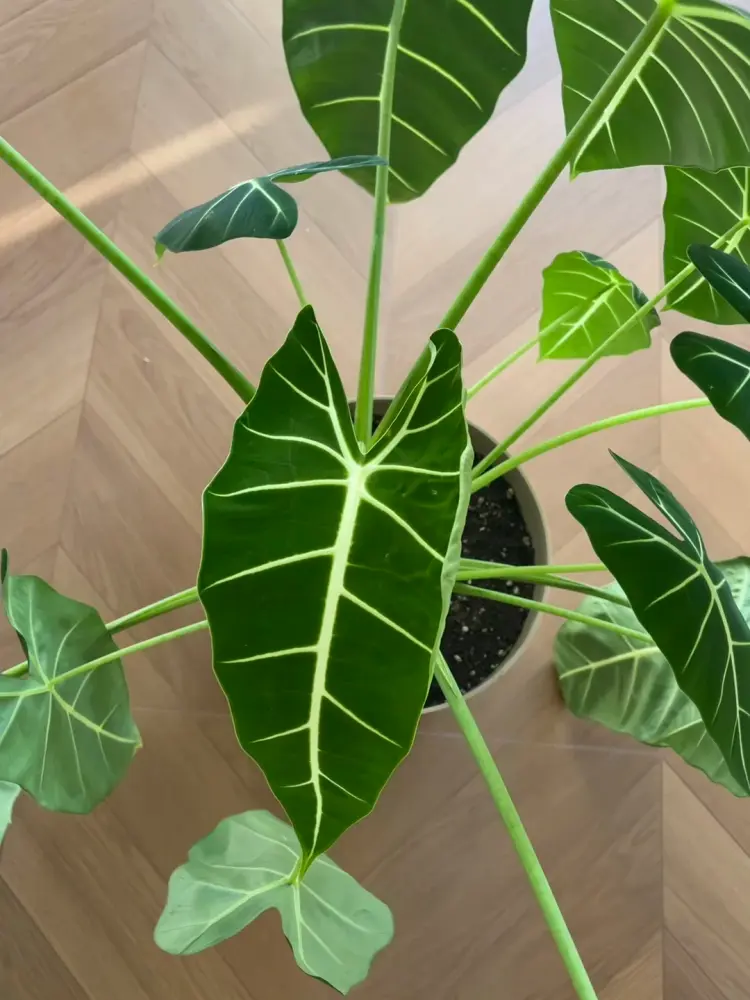
At the time, it was still in the same nursery pot inside a cover pot. The room stayed around 70°F, humidity was close to 35%, and I used a very dilute nutrient solution—roughly 1:2000—with most waterings. It was being fed regularly, but it only received about two hours of useful bright light each day.
Because it continued producing leaves, I did not immediately see the smaller size as a serious warning. Looking back, the plant had enough energy to keep growing, but not enough to maintain its previous leaf size.
Why I Realized Light Was the Main Problem
My first thought was that the plant might need more fertilizer. But it was already receiving nutrients with most waterings, and the leaves were still getting smaller.
That made light the more likely limitation. Two hours of stronger light may keep an Alocasia growing, but it was not enough for this plant to continue producing larger leaves.
I do not mean that an indoor Alocasia needs six to eight hours of direct sun. Mine needed a longer period of bright, usable light rather than a short burst followed by a dim room.
Adding more fertilizer would not have corrected that. Without enough light, the plant could not make full use of the extra feeding to support larger leaves.
What Changed After I Moved It to a Brighter Spot
I moved the plant to the brightest position available in my home and kept the other parts of its care mostly unchanged. I did not increase the fertilizer or repot it at the same time.
The improvement was gradual. Over the next three months, the plant continued producing leaves and became noticeably fuller.
The existing small leaves did not grow larger. The change appeared in the leaves that developed after the move. That is why I now judge an adjustment by the next few leaves rather than expecting an old undersized leaf to improve.
After Repotting, the Leaves Stopped Again
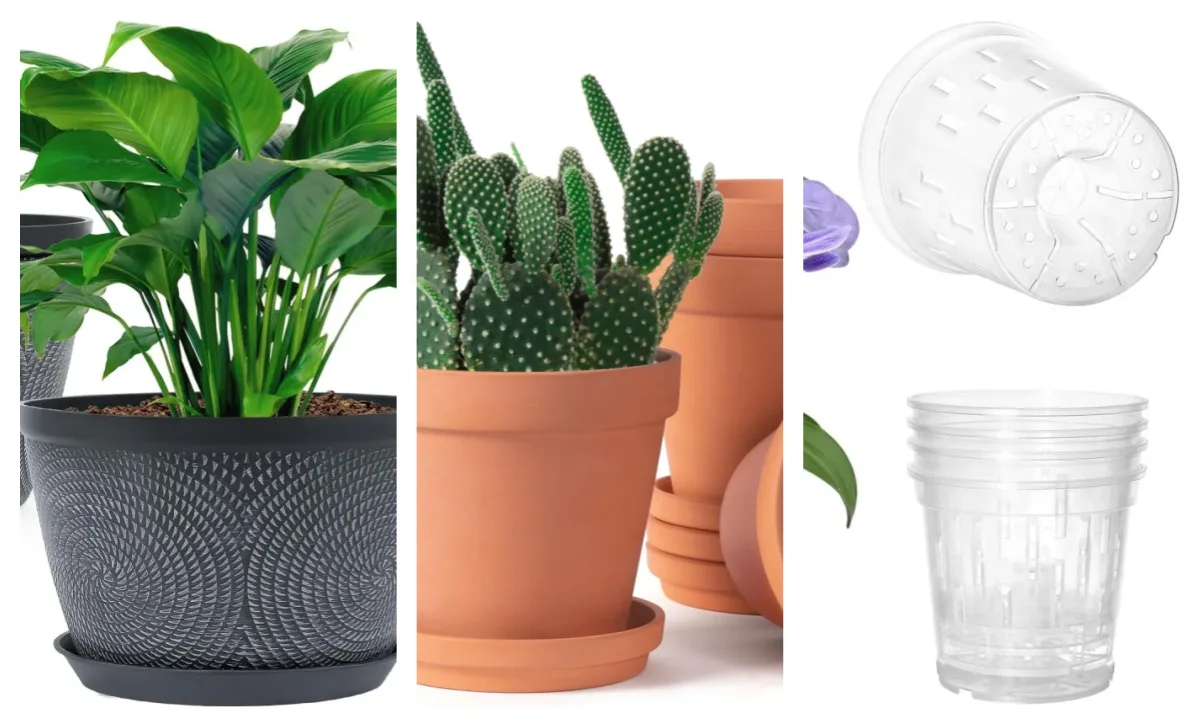
After moving my Green Velvet to a brighter spot, it continued growing for about three months and gradually became much fuller. Once the pot looked crowded with leaves, I checked the roots and moved it into a slightly larger container. I use the same root-first approach in my guide to choosing the best pot for Alocasia.
Then the visible growth stopped again.
Because the pause happened soon after repotting, my first concern was that the new pot was staying too wet. I wondered whether I had given the roots more soil than they could use and created the beginning of a root problem.
The plant was not collapsing, but it was no longer pushing out leaves as it had before. Eventually, I removed it from the pot to check what was happening below the soil.
The Plant Was Growing Roots, Not Sitting Still
The roots were not rotten or inactive. Compared with the root ball I had seen during repotting, they had already expanded outward by another layer.
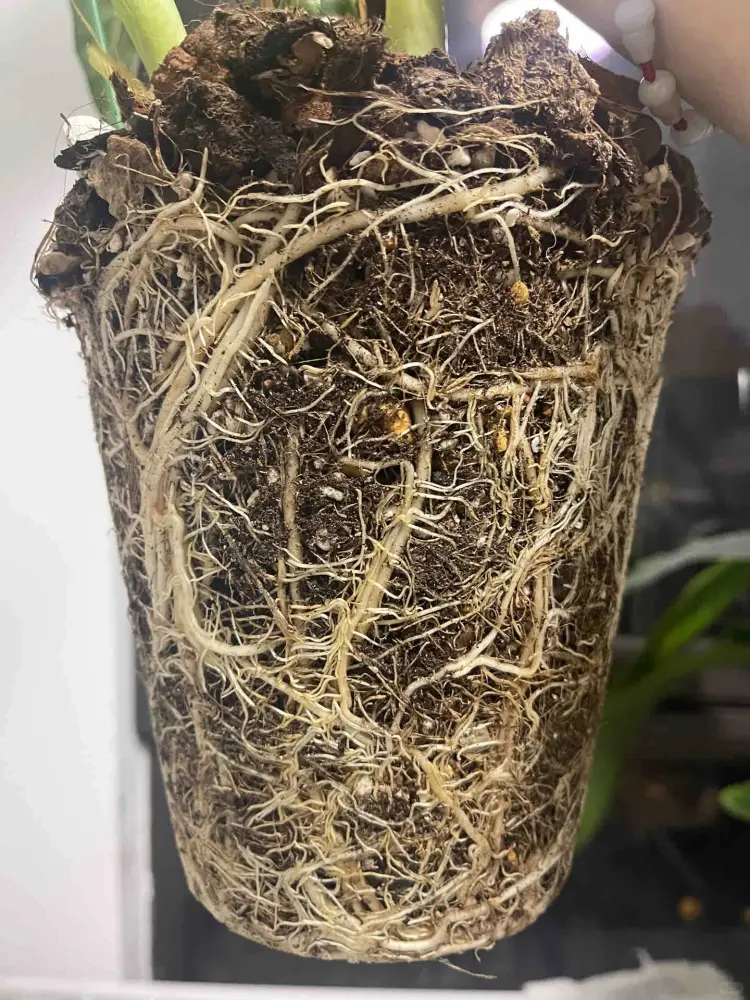
The plant had not truly stopped growing. Most of the new growth was simply happening underground.
After moving into a larger pot, an Alocasia may spend some time extending its roots into the fresh soil before it returns to faster leaf production. In this case, the existing leaves remained fairly stable, the stems stayed firm, and the roots looked healthy. There was no rotten smell, mushy tissue, or sudden wave of yellowing.
That changed how I viewed the pause. I had assumed that no new leaf meant something had gone wrong, but the plant was still making progress in a place I could not see.
Once the roots had established themselves in the larger pot, the plant had a better base for supporting more foliage above the soil.
How I Tell Root Establishment From Root Trouble
A pause after repotting does not automatically mean the plant is growing healthy roots. An oversized pot, damaged roots, or soil that stays wet for too long can produce a similar lack of visible growth.
I look at the rest of the plant before deciding whether to wait or inspect the roots.
| Normal Root Establishment | Possible Root Trouble |
|---|---|
| Leaf growth pauses, but the plant remains stable | Several leaves begin declining quickly |
| Stems and the base of the plant stay firm | Stems or the base become soft |
| The soil continues drying at a reasonable pace | The soil remains wet much longer than expected |
| Existing leaves may age slowly, without sudden collapse | Yellowing, drooping, or collapse spreads |
| Roots are firm and pale when checked | Roots are brown, hollow, slimy, or smell rotten |
I would not repeatedly remove a recently repotted Alocasia just because it has not produced a new leaf yet. Disturbing the roots again can slow it down further.
But if the soil stays wet, several leaves yellow at once, or the base starts to soften, I would check sooner rather than assuming the plant is simply establishing roots. I compare what I find with the signs in my Alocasia root rot guide. In my Green Velvet’s case, the healthy expanding root ball showed that waiting—not treating it for rot—was the better response.
Other Reasons Alocasia Leaves Can Get Smaller
Light was the main issue with my Green Velvet, but it is not the only reason an Alocasia may begin producing smaller leaves. I look at the overall growth pattern rather than assuming every shrinking leaf has the same cause.
The roots have filled the pot. A crowded root system can make watering and feeding harder to manage. The plant may still grow, but new leaves can become smaller as the roots compete for limited space, moisture, and nutrients. I check the root ball before moving the plant into a much larger pot.
The plant has recently been stressed or repotted. Shipping, root damage, division, a sudden move, or repotting can temporarily reduce leaf size. During recovery, an Alocasia may direct more energy toward rebuilding roots than producing large leaves.
Watering has been inconsistent. Repeatedly allowing the mix to become extremely dry, then soaking it heavily, can interrupt the development of new leaves. A leaf that forms during unstable watering may open smaller even if the plant looks normal again later. My guide to watering Alocasia explains how I use drying speed and pot weight instead of following a fixed schedule.
The feeding routine does not match the plant’s growth. Too little nutrition can limit active growth, but more fertilizer is not always the answer. Overfeeding can cause salt buildup and root stress, especially when fertilizer is used with nearly every watering. I check light and root health before increasing the dose, and I only feed according to the plant’s growth stage, as explained in my Alocasia fertilizer guide.
Humidity is low. Dry air can make new leaves harder to unfurl and may cause dry edges or distorted growth. My Green Velvet was growing at around 35% humidity, but because it improved after I changed the light, I do not think humidity was the main cause of its shrinking leaves.
Seasonal growth has slowed. An Alocasia may produce smaller leaves during darker months even when the room remains warm. At around 70°F, mine could continue growing, but reduced seasonal light could still limit the size of its new leaves.
These causes can overlap. A plant may be receiving weak light while also sitting in crowded soil or recovering from a recent repot. I try to identify the strongest limiting factor first instead of changing light, watering, pot size, and fertilizer all at once.
The Order I Check When New Leaves Keep Getting Smaller
When an Alocasia produces one unusually small leaf, I usually watch the next leaf before changing anything. When three or four leaves become progressively smaller, I check the plant in this order.
- I compare the last three or four leaves.
One small leaf can follow a temporary interruption. Several progressively smaller leaves show a real pattern. - I check the usable light across the whole day.
I look beyond the short period when sunlight reaches the plant and consider how long the position remains genuinely bright. - I watch how the mix dries.
Unusually slow drying can point to low light, weak roots, or too much soil. Very rapid drying may suggest a crowded root ball. - I look for signs of crowded or damaged roots.
Roots at the drainage holes alone do not decide it. I also consider drying speed, yellowing, stability, and the condition of the plant’s base. - I review recent changes.
Repotting, shipping, division, or moving the plant can temporarily affect the next leaf or two. - I adjust fertilizer last.
I only change the feeding routine after light, watering, and root health appear suitable.
I try to change one important condition at a time. With my Green Velvet, improving the light gave me a clear result. If I had changed the pot, fertilizer, watering, and position together, I would not have known what actually helped.
If the plant has stopped producing leaves altogether rather than continuing with progressively smaller ones, my guide to why an Alocasia stops growing covers that broader problem.
What This Green Velvet Changed in My Care
This Green Velvet changed the way I judge slow Alocasia growth. A plant can continue producing leaves while gradually losing size, so I now pay more attention to the direction of several leaves than to whether a new leaf appeared at all.
It also taught me not to use the same fix for every pause. The smaller leaves improved after I corrected the light. The later pause after repotting needed patience because the plant was expanding its roots.
Now I ask one question before changing anything: is the plant declining, or is it simply putting its growth somewhere else? That distinction has saved me from adding more fertilizer, repotting too quickly, or disturbing healthy roots.