
Alocasia Problems: Common Issues & How to Fix Them
Alocasia problems usually start before the plant looks completely bad. A leaf may droop, one edge may turn yellow, or a new leaf may stall before you see obvious root damage. I use this page as a symptom guide: start with what you see on the leaves, then check watering, roots, pests, and seasonal growth changes before making a big fix.
Quick Navigation
Start Here: What I Check First
When an Alocasia starts to look wrong, I do not start by changing everything at once. I first look at the order of symptoms. Did the leaf droop while the soil was still wet? Did an old leaf yellow while a new one was opening? Did spots appear after heat, direct sun, or pest pressure?
That order usually tells me more than the symptom alone. A yellow leaf, for example, can be normal aging, root stress, cold damage, or low light. The table below is the quick check I would use before choosing one of the detailed guides.
| Symptom | What I Would Check First | Best Guide to Start With |
|---|---|---|
| Yellow lower leaf | Old leaf turnover vs. wet soil | Alocasia Leaves Turning Yellow |
| Drooping while soil is wet | Root stress or early rot | Alocasia Root Rot |
| Curling leaves | Dryness, harsh light, or root stress | Alocasia Leaves Curling |
| Yellow and brown together | Which color appeared first | Alocasia Leaves Turning Yellow and Brown |
| Tiny pale marks or dull leaves | Spider mites, especially under the leaf | Spider Mites on Alocasia |
| No new growth for weeks | Light, roots, temperature, or winter slowdown | Why Your Alocasia Stopped Growing |
Leaf Issues
Alocasia leaves are expressive—they’ll show you the first signs of stress. Curling, drooping, or yellow patches often point to watering imbalance, too much light, or low humidity. Use the sections below to match your plant’s symptoms and restore its health.
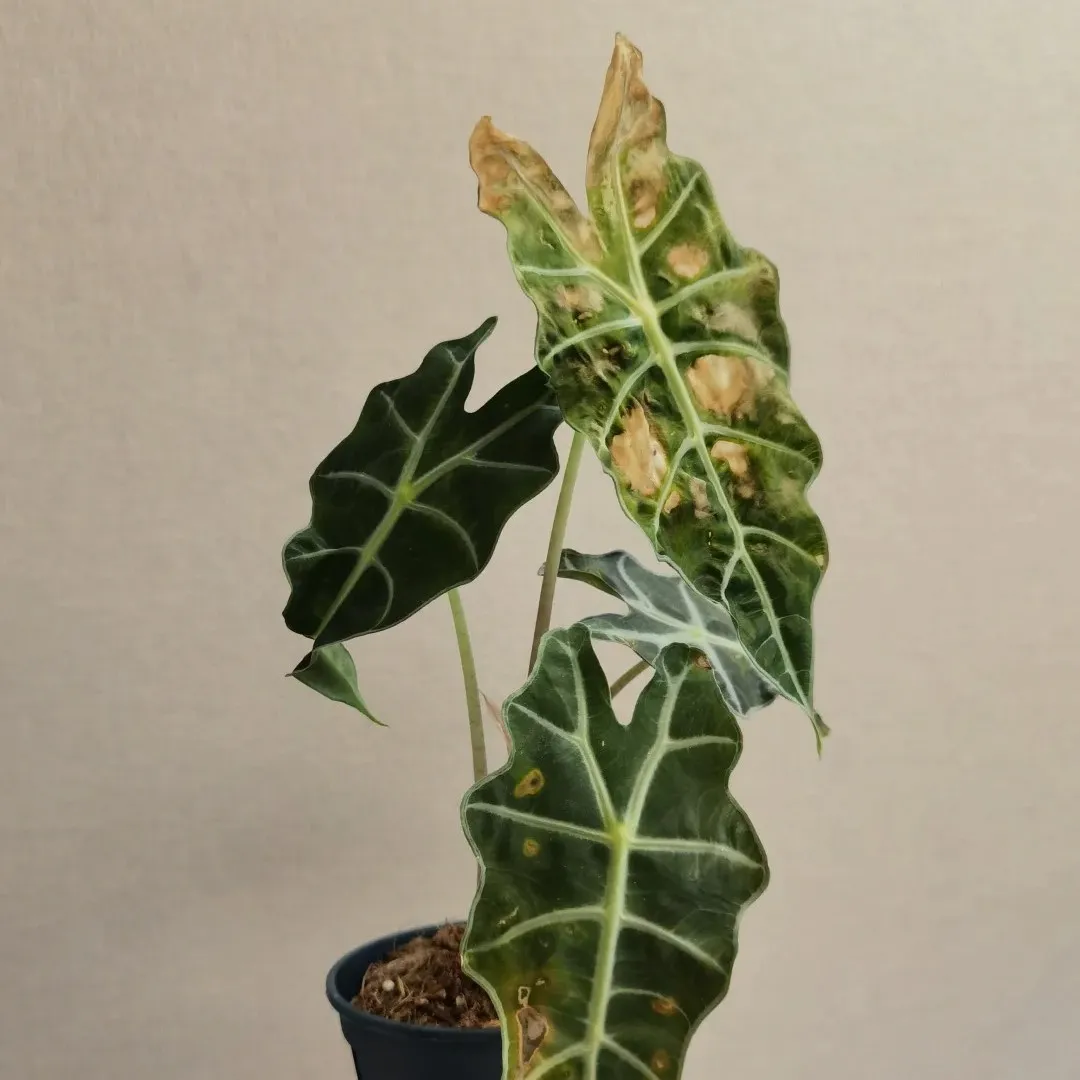
Why Are My Alocasia Leaves Turning Yellow? 7 Common Causes
Yellow leaves usually point to watering, light, or root issues. Here’s how to diagnose each cause.
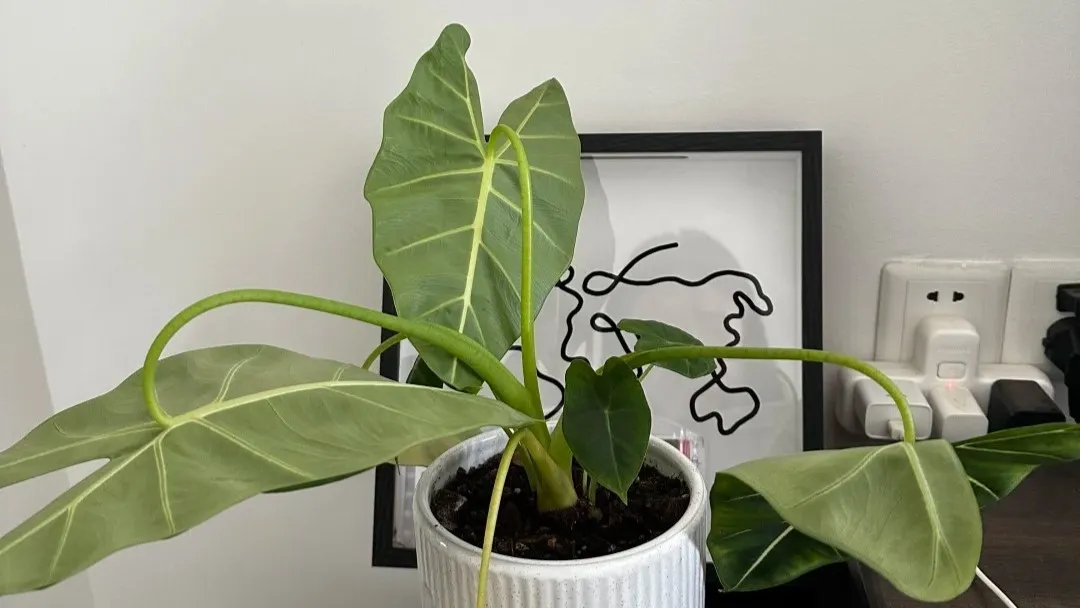
Alocasia Leaves Drooping? Here’s How to Revive Them
Drooping often means stress from watering, light, or roots. Learn quick fixes to help your plant recover.
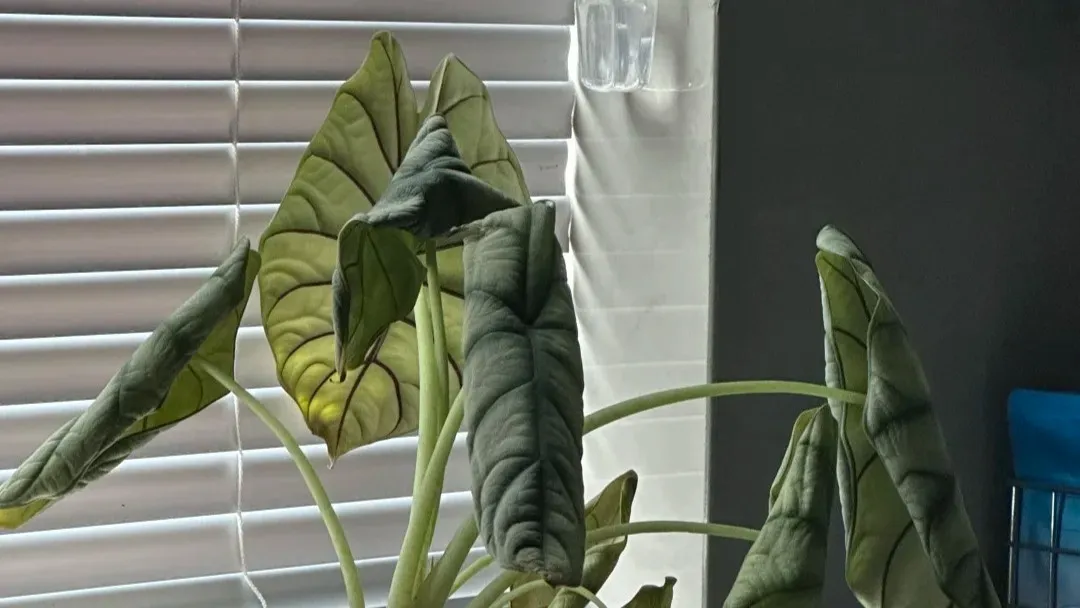
Alocasia Leaves Curling? Here’s What They’re Telling You
Curling leaves signal low humidity, underwatering, or harsh light. Here’s how to read and correct each sign.
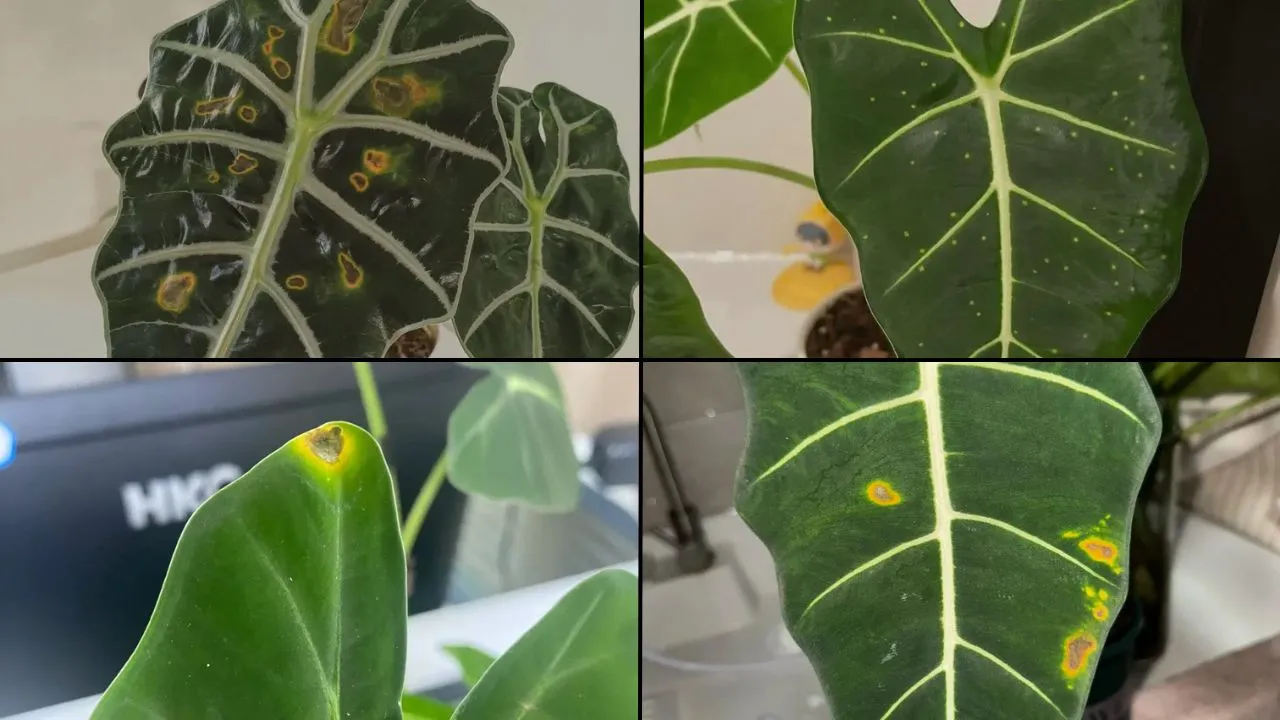
Spots or Yellow Marks on Alocasia Leaves: Causes, Patterns & What to Do
Different yellow spots and marks often point to different problems. This guide helps you identify patterns before guessing the cause.
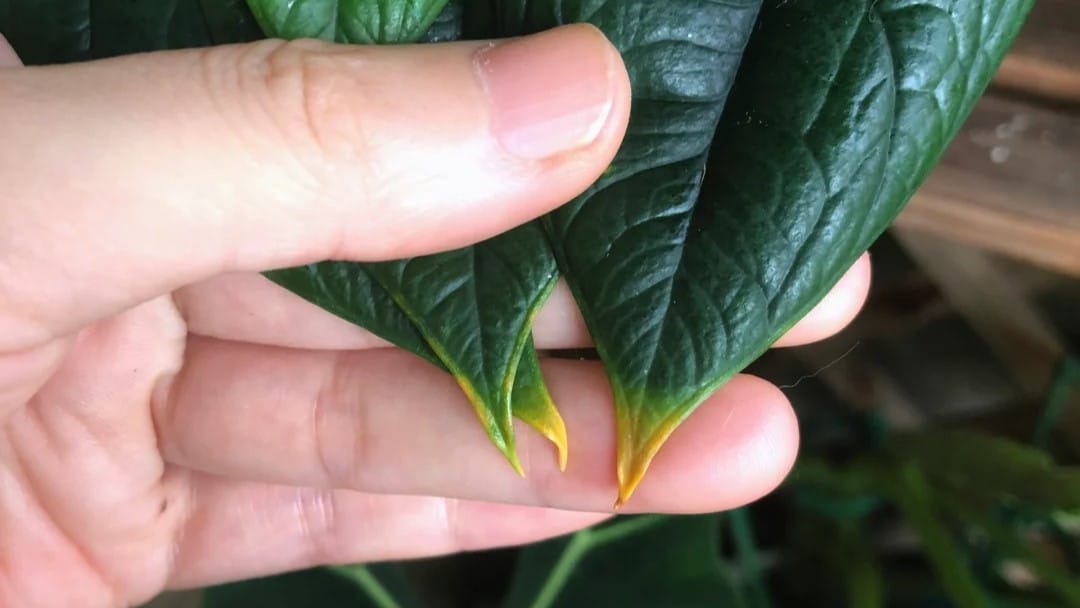
Why Alocasia Leaf Tips Turn Brown (Water, Humidity, or Timing?)
Brown tips can come from different triggers—this article helps you tell which pattern you’re seeing.
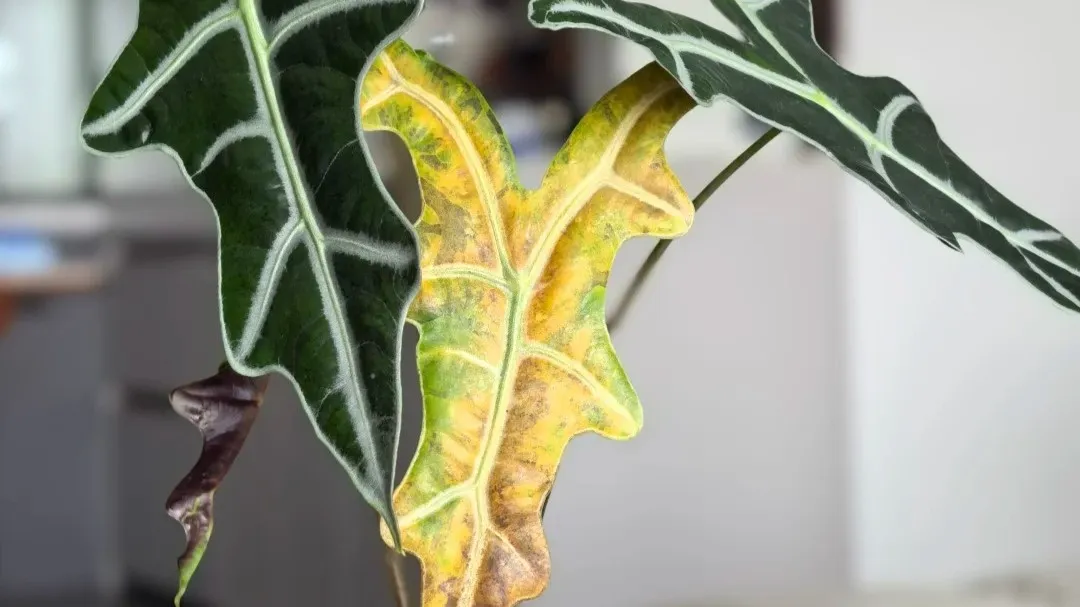
Alocasia Leaves Turning Yellow and Brown? The Order Matters More Than the Color
The sequence of yellowing and browning often matters more than the color itself.
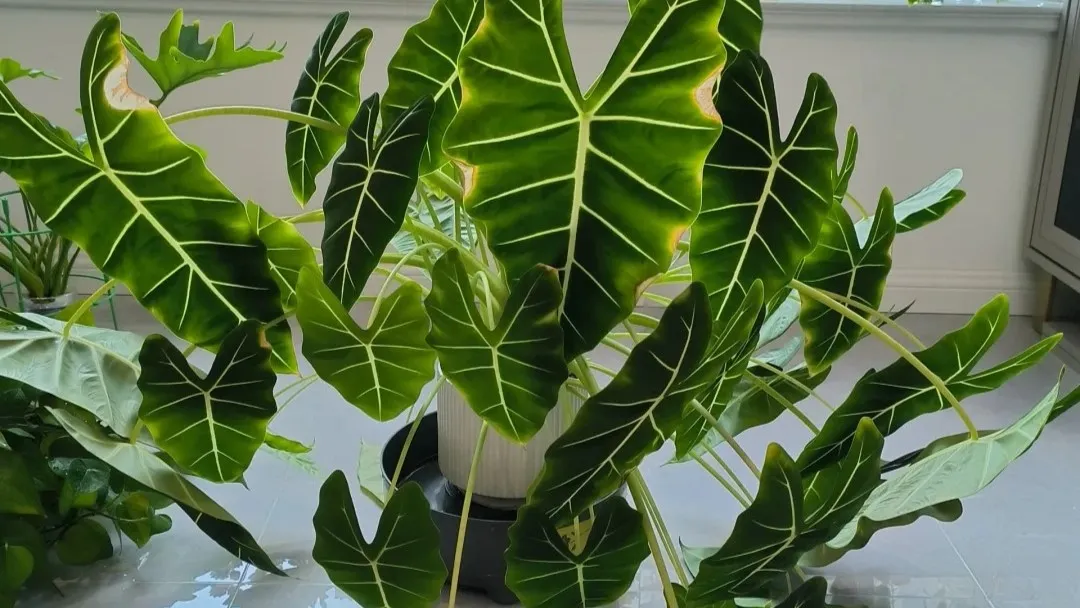
Yellow Leaves and Drooping on Alocasia — It’s Usually Not Just Water
Yellowing and drooping together usually point to more than a simple watering issue.
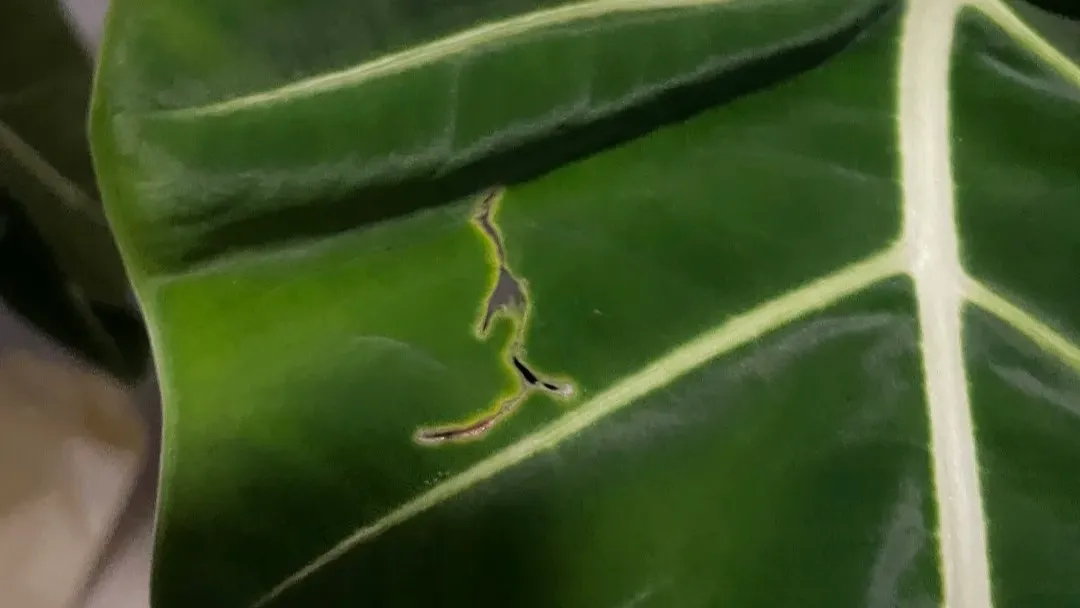
Holes in Alocasia Leaves: Pest Damage or Just One-Time Stress?
Not all holes mean pests—this guide helps you tell repeat damage from one-time stress.
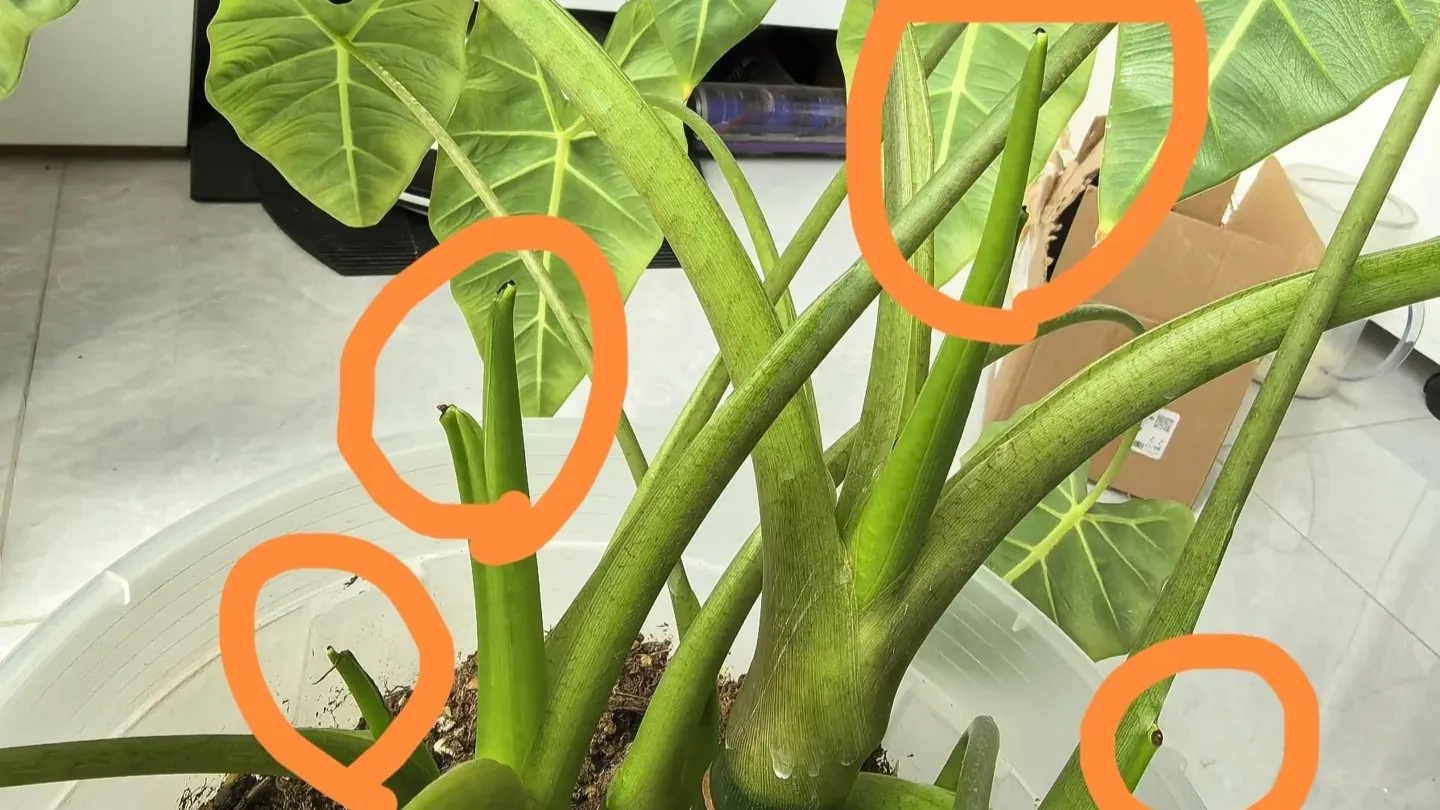
Why Your Alocasia Leaf Won’t Unfurl (Normal or a Problem?)
Some new Alocasia leaves take time to open. This guide explains when slow unfurling is normal and when it signals a problem.
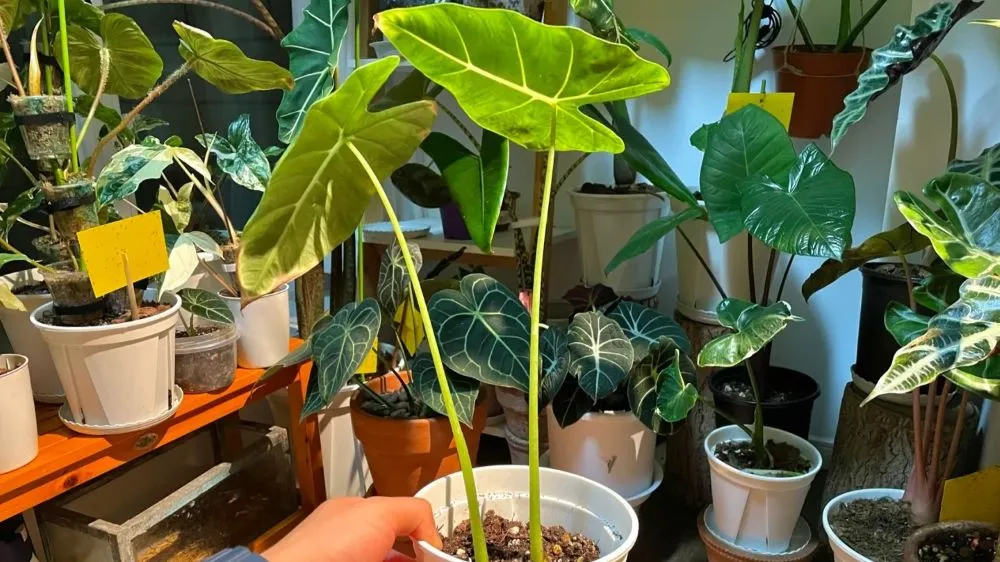
Alocasia Losing Old Leaves While Growing New Ones? Here’s Why
Why older leaves sometimes fade as new growth appears — and how to tell normal leaf turnover from a real problem.
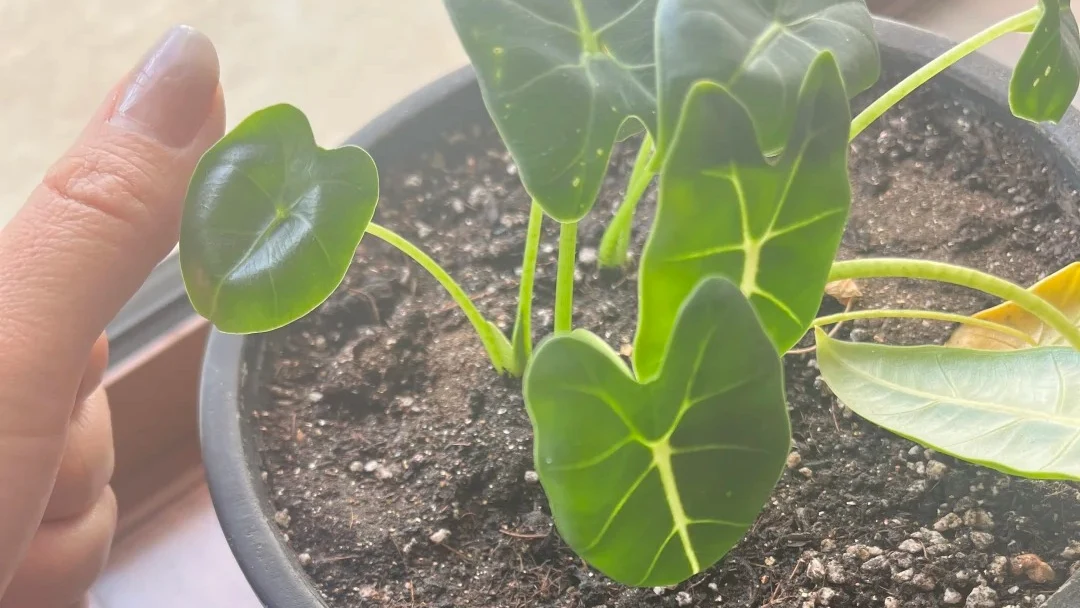
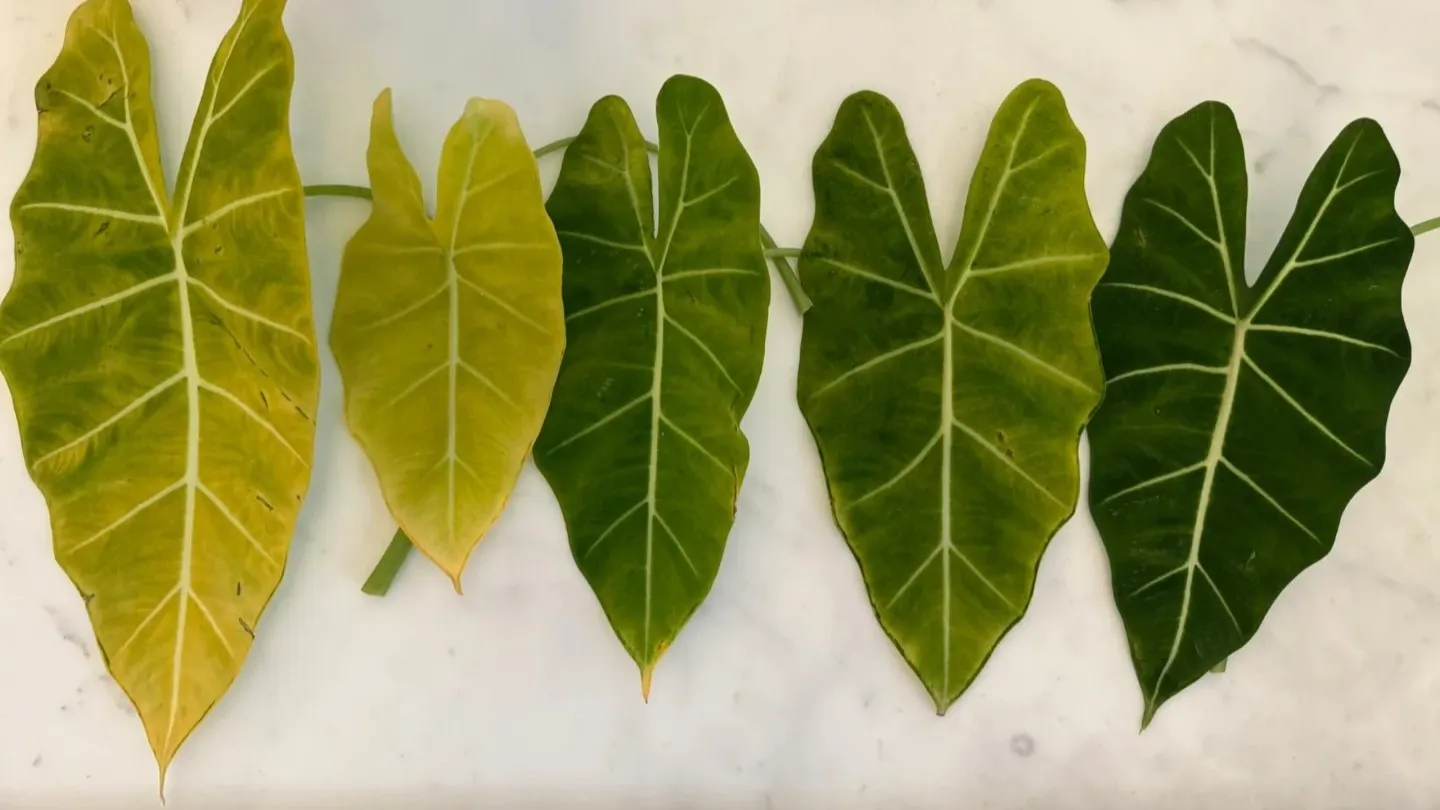
Why Are My Alocasia Leaves Getting Smaller? What My Green Velvet Taught Me
My Frydek was still growing, but every new leaf became smaller. I tracked the real cause and what finally helped it recover.
Watering & Root Problems
Alocasias love moisture but absolutely hate soggy soil. Overwatering suffocates roots, leading to mushy stems and root rot. Learn how to find the perfect balance of hydration, airflow, and warmth for healthy roots.
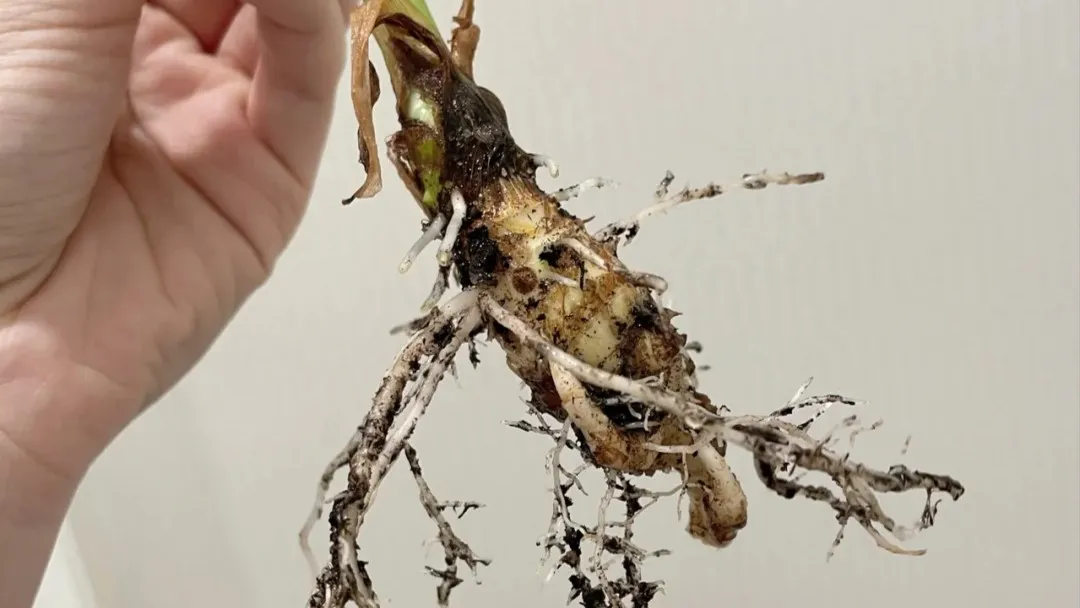
How to Fix Root Rot in Alocasia (Before It’s Too Late)
A practical rescue guide for soft roots, wet soil, and early corm damage before the whole Alocasia collapses.
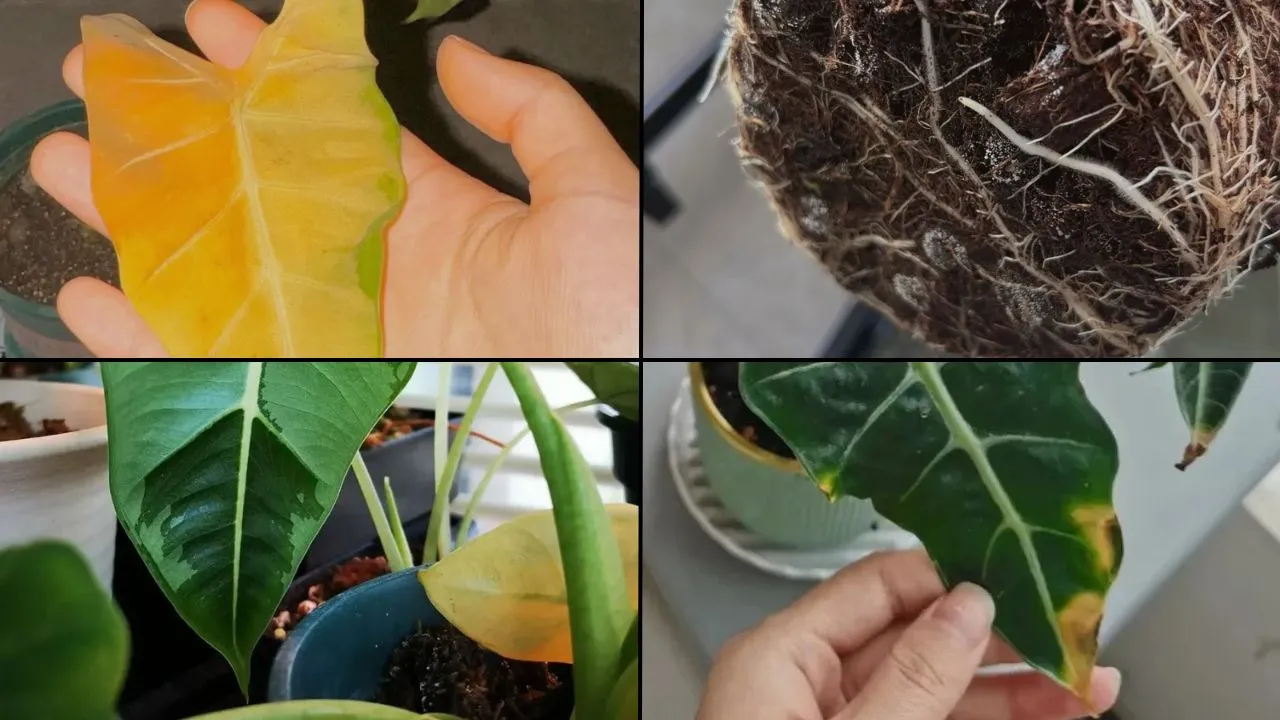
Overwatered Alocasia: 6 Real Symptoms I’ve Seen in My Own Plants
Learn signs of overwatered Alocasia, from yellowing leaves and soft roots to wet soil staying heavy too long.
Pests & Diseases
Spider mites, mealybugs, and scale love the same warm conditions as your Alocasia. Keep an eye on new growth and the underside of leaves—early detection makes all the difference.
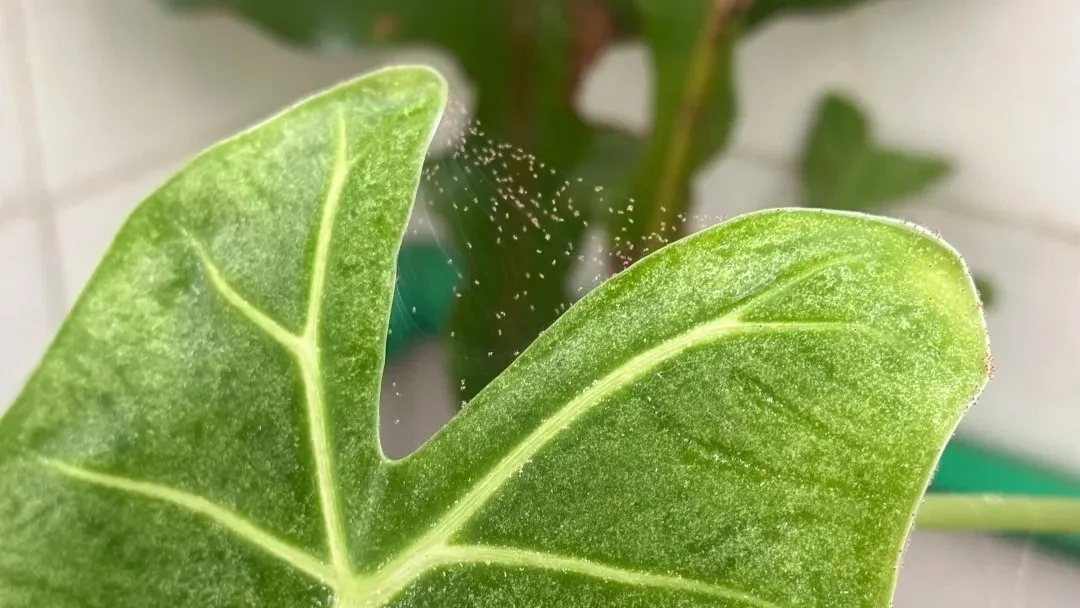
Spider Mites on Alocasia: How I Stopped an Infestation Without Chemicals
Dull leaves and fine webbing were the first signs I noticed. Here’s how I confirmed spider mites and stopped them early.
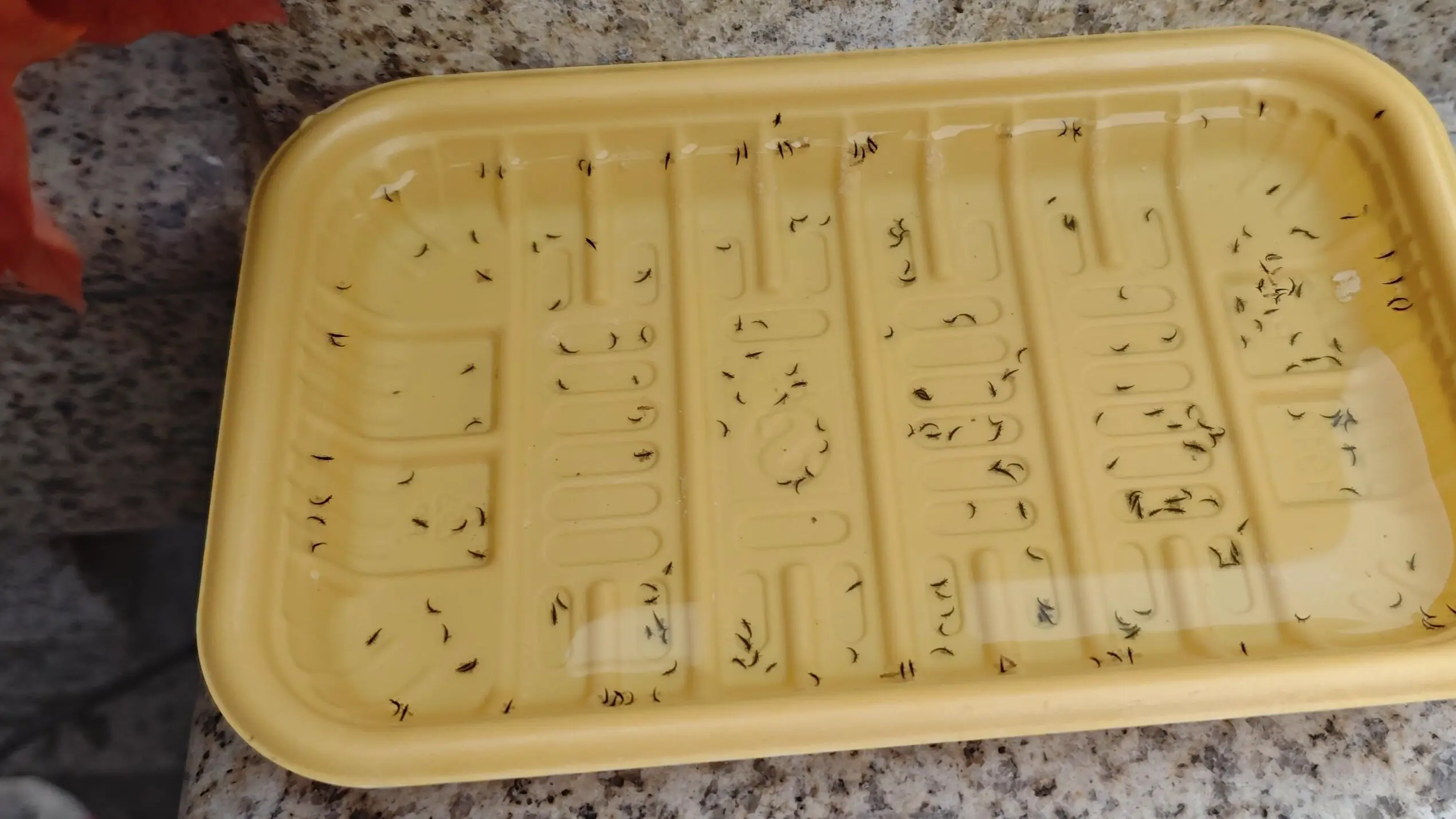
I Found Thrips on My Alocasia — What I Did Before Spraying Anything
I found thrips on my Green Velvet Alocasia and used a simple yellow water trap to reduce the infestation before treatment.
Growth & New Leaves
Slow growth or stalled new leaves can happen when light or nutrition runs low, or when your Alocasia enters dormancy in cooler months. Understanding this rhythm helps you care with patience, not panic.
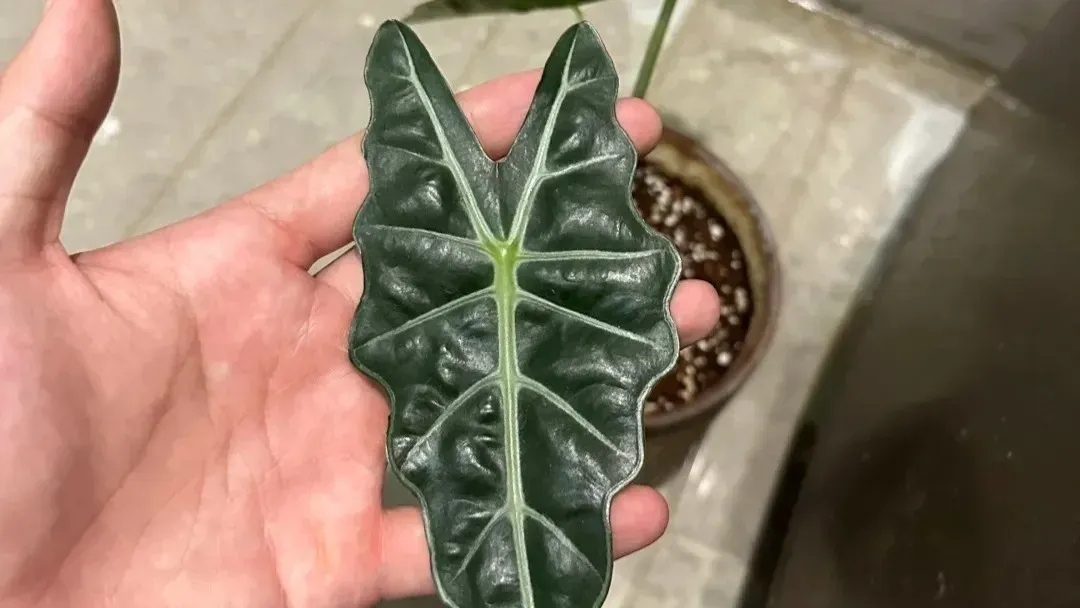
Why Your Alocasia Stopped Growing — 5 Real Reasons and What to Do
If your Alocasia looks healthy but hasn’t grown in weeks, this article explains the most common reasons behind stalled growth.
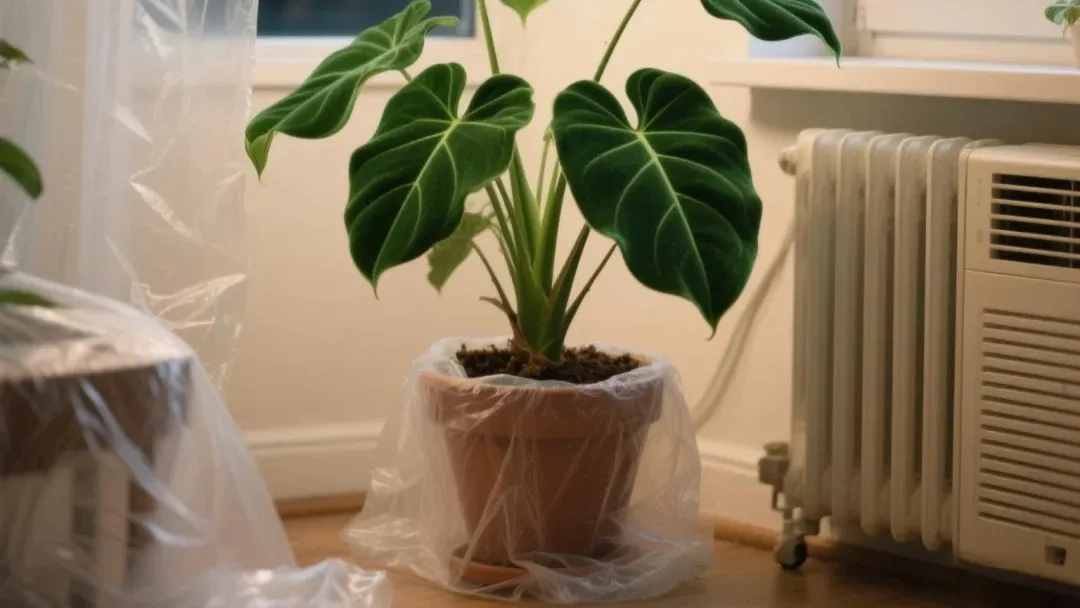
Alocasia Dormancy in Winter: How to Keep Your Plant Alive Until Spring
Alocasia dormancy in winter is normal but easy to misread. This article explains what changes and what not to fix.
FAQ
Got trouble figuring out what’s wrong with your Alocasia?
These quick answers help you identify common symptoms — and point you to detailed fixes.