For a long time, I thought most Alocasia problems came down to one thing: humidity.
Crispy edges? Must be dry air.
Curling leaves? Probably needs more moisture — or it could be a watering/roots issue (I explain the patterns in why Alocasia leaves curl).
A plant that looks thirsty no matter how much I water? Clearly the room isn’t humid enough.
So I did what many Alocasia keepers do. I misted more. I added airflow. I adjusted watering schedules, convinced that the issue was happening above the soil — even though how often to water Alocasia depends far more on pot, soil, and season than most people think.
What I didn’t realize at the time was that, in many of these cases, the problem wasn’t the air at all.
While the leaves looked like they were drying out, the roots were actually doing the opposite — they were struggling under too much water. The plant wasn’t asking for more moisture. It was quietly failing to move the water it already had.
This article isn’t a theory breakdown or a care guide. It’s a collection of six real overwatering situations I’ve personally encountered with Alocasia, each one initially mistaken for a humidity issue.
In these cases, I’ll show:
- what overwatering actually looked like in real plants
- why it was so easy to misread the symptoms
- and which situations became worse — or surprisingly reversible — depending on timing and environment
If you’ve ever stared at an Alocasia that looked dehydrated while sitting in damp soil, chances are you’re not dealing with a humidity problem at all.
Case 1: When “Big Water” Backfired Overnight
This case happened with my Alocasia Frydek, and it taught me how easily overwatering can disguise itself as something else.
I had done my homework beforehand. Most advice pointed to the same formula: big leaves need big light, big water, and generous feeding. So when I watered, I watered thoroughly — a full soak until water drained through the pot. It was in the evening, which didn’t feel risky at the time.
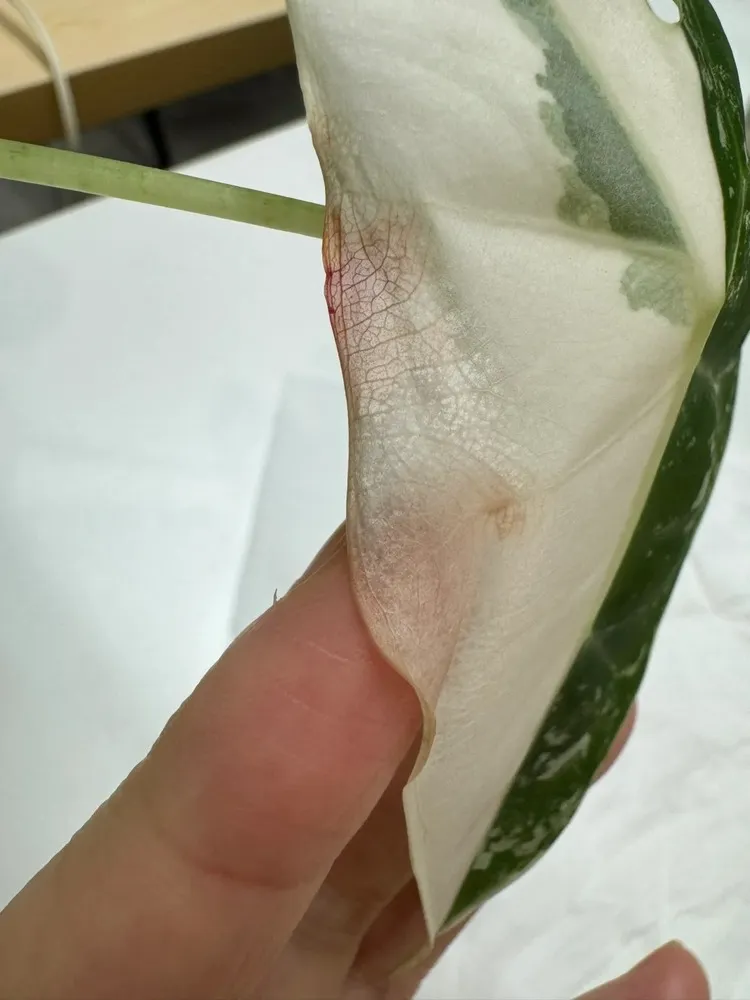
Shortly after, the plant began guttating. At first, I took it as a positive sign. But soon, the variegated leaves started to water-soak. The tissue turned translucent, then reddish, almost as if the leaf was bleeding. The change happened fast, and it was alarming.
What confused me was that the environment itself was stable. There was constant gentle airflow, daytime temperatures stayed around 25 °C, and at night — without air conditioning — the temperature rose to about 28–29 °C. Nothing pointed to cold stress or low humidity.
The real issue turned out to be drainage and timing. The soil mix wasn’t releasing water quickly enough (this is the soil structure I now use for Alocasia), and a heavy evening watering meant the roots sat in oversaturated conditions during a low-activity period.
Instead of adding humidity or touching the leaves, I increased airflow to help excess moisture move out of the pot. I assumed the damaged leaves were beyond saving — but the next morning, one of them partially recovered. The translucency faded, and the tissue firmed up again.
That moment changed how I read overwatering symptoms. What looks like irreversible leaf damage isn’t always permanent — but only if excess water is relieved early.
Case 2: Guttation Isn’t Always a Good Sign
This case involved my Silver Dragon, and it completely changed how I interpret guttation.
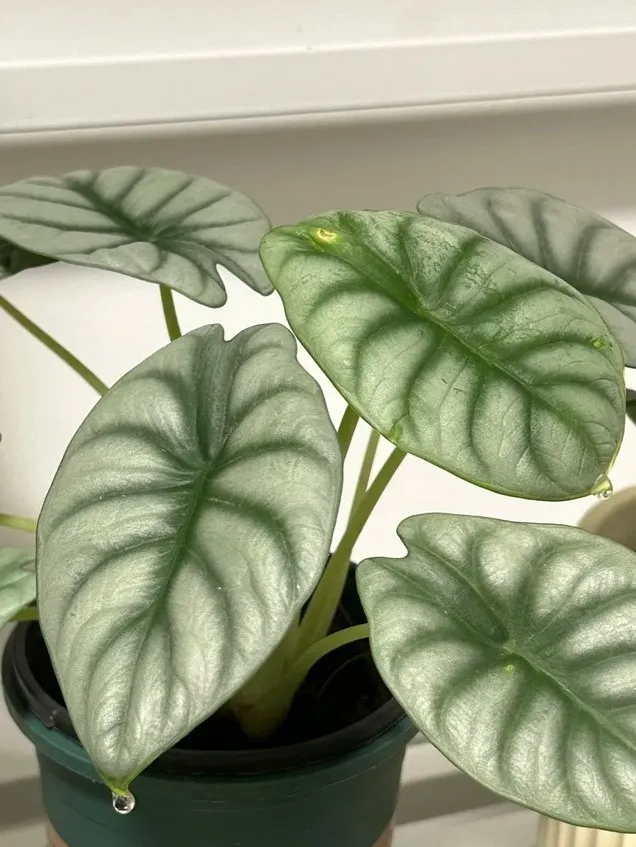
The first time I noticed water droplets forming on the leaves, I was honestly impressed. It felt like a sign of strong hydration — the plant looked vigorous, alive, and active. I didn’t think much of it, aside from occasionally wiping the droplets off the leaf surface.
Later on, I learned why that step actually mattered.
Those droplets don’t just disappear on their own. If they sit on the leaf surface — especially in still air — they can soften the tissue beneath, increasing the risk of yellowing or localized rot. In my case, guttation wasn’t happening because the plant was thriving. It was happening because I had watered too much.
The soil was holding more moisture than the roots could handle, and without enough airflow to help the excess water move out, the plant had no option but to push water out through its leaves.
That’s when the risk shifts below the surface.
If overwatering continues and ventilation is ignored, guttation can quietly transition from a harmless curiosity into a warning sign — one that often precedes root stress or early-stage rot.
What looked like healthy hydration was actually the plant trying to relieve pressure.
Case 3: When the Pot Is Too Big for the Plant
This case involved a Alocasia Frydek, and it taught me how pot size alone can turn normal watering into overwatering.
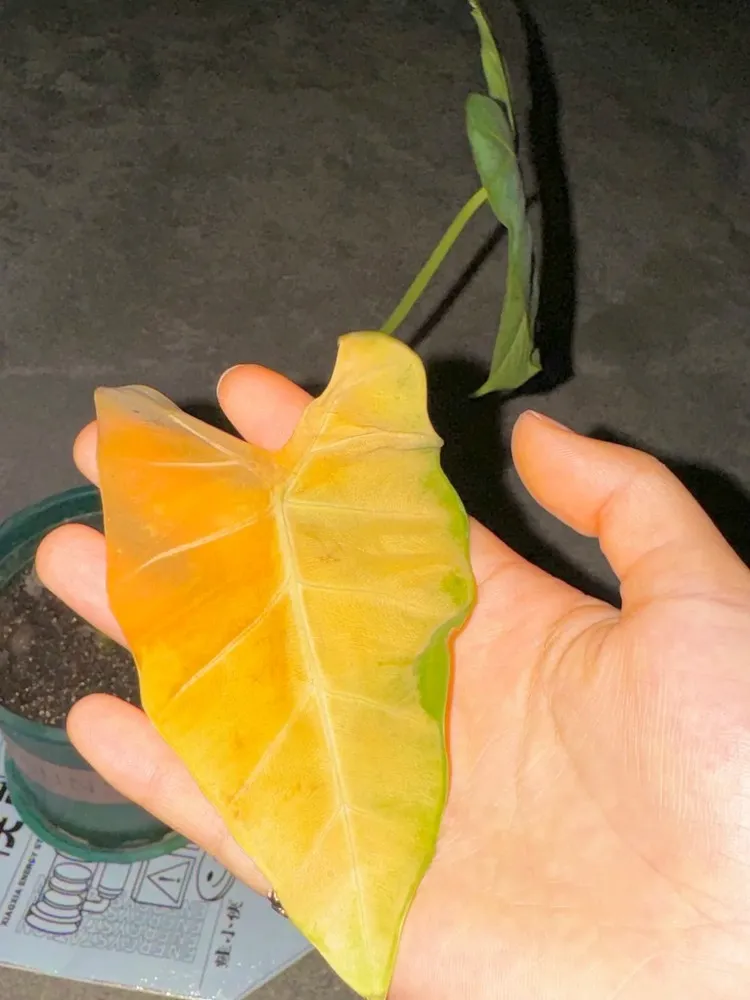
At the time, the plant looked healthy overall — until one leaf suddenly started to yellow (the order of yellowing and browning mattered more than I expected). Not gradually, but fully yellowing, followed by signs of water-soaked tissue. The rest of the plant, however, still looked fine, which made the situation confusing.
My watering routine hadn’t changed. What I eventually realized was that the pot had.
After dormancy, I had reused the original pot, assuming it would give the plant more room to grow. In reality, the root system was still small. Each regular watering left a large volume of soil wet for far longer than the roots could tolerate.
The excess moisture didn’t affect the entire plant at once. Instead, the stress showed up selectively — one leaf sacrificed while the rest tried to cope.
Once I recognized the mismatch, I downsized the pot and refreshed the soil. The change was immediate. No further leaves declined, and new growth followed not long after.
This case made something clear to me: overwatering isn’t always about frequency or volume. Sometimes, it’s simply about too much soil staying wet for too long.
Case 4: Winter Watering That Looked Right — but Wasn’t
This case involved my Polly Alocasia during winter, and it was one of the most confusing situations I’ve dealt with.
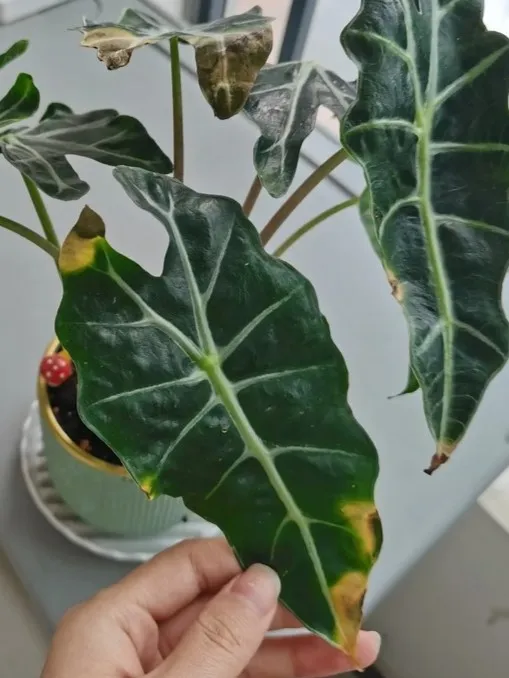
I was watering on a schedule — about once a week. The plant sat on an indoor table with air conditioning on, limited light, and stable indoor temperatures. On paper, nothing felt extreme.
Then the leaves started to change.
They turned yellow, with dry, crispy edges forming along the margins. Some people immediately said it was overwatering and root suffocation. Others insisted it was low humidity and dry indoor air. I even tried blowing excess moisture out of the pot with a hair dryer, unsure which direction the problem was coming from.
At the time, my biggest question was simple:
Is this leaf already lost — and should I cut it off?
What I eventually realized was that this wasn’t a single-factor issue.
Winter conditions reduced the plant’s transpiration. Low light slowed growth. Dry indoor air increased surface stress on the leaves. Meanwhile, frequent watering kept the soil consistently moist. The roots weren’t damaged yet — but they also weren’t able to move water efficiently upward.
The result was a stalled internal cycle: wet soil below, dehydrated-looking leaves above.
Instead of increasing humidity or watering less blindly, I replaced the soil with a lighter, better-draining mix. After that, the decline stopped. The situation didn’t magically reverse overnight, but it didn’t continue getting worse — which, in winter, was already a win.
This case taught me that some Alocasia problems aren’t about “too much” or “too little.” They’re about timing, environment, and a water cycle that no longer matches the season.
Case 5: When Leaves Can’t Keep Up with the Water
This case involved my Alocasia Frydek, and it helped me understand that overwatering isn’t always about excess soil moisture alone — sometimes it’s about timing.
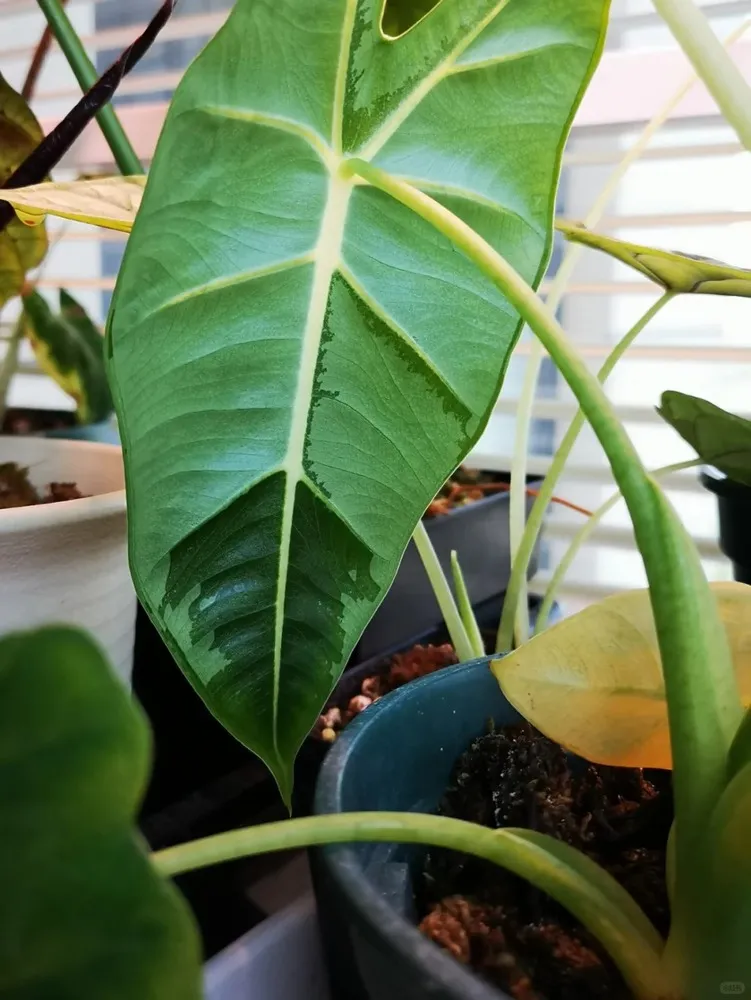
After watering, the plant initially looked fine. There was no immediate drooping, no yellowing, nothing that screamed trouble. Then subtle changes began to appear. Parts of the leaves started to look swollen and translucent, as if the tissue itself had softened. In some spots, fluid seemed to seep beneath the surface.
What was happening wasn’t root rot — at least not yet.
Over time, it became clear that too much water was entering the system faster than the leaves could process it. At night, root activity remained high, especially in warm conditions, while leaf transpiration slowed significantly. The imbalance built pressure inside the leaf tissue.
Eventually, the cells couldn’t hold it anymore.
The leaf flesh broke down locally, allowing internal fluids to escape. From the outside, it looked like classic overwatering damage — and it was — but not because the plant was constantly sitting in wet soil. It was because the plant’s above-ground tissues simply couldn’t keep up with the water being absorbed below.
This case reminded me that Alocasia aren’t just affected by how much water they receive, but also by when that water enters their system.
Case 6: When the Soil Shows the First Warning
This case didn’t start with the leaves at all. It started at the bottom of the pot.
The plant sat by an open window every day, with regular airflow. Because it seemed to dry reasonably well, I fell into a routine of watering every five days. At first, nothing looked obviously wrong above the soil line.
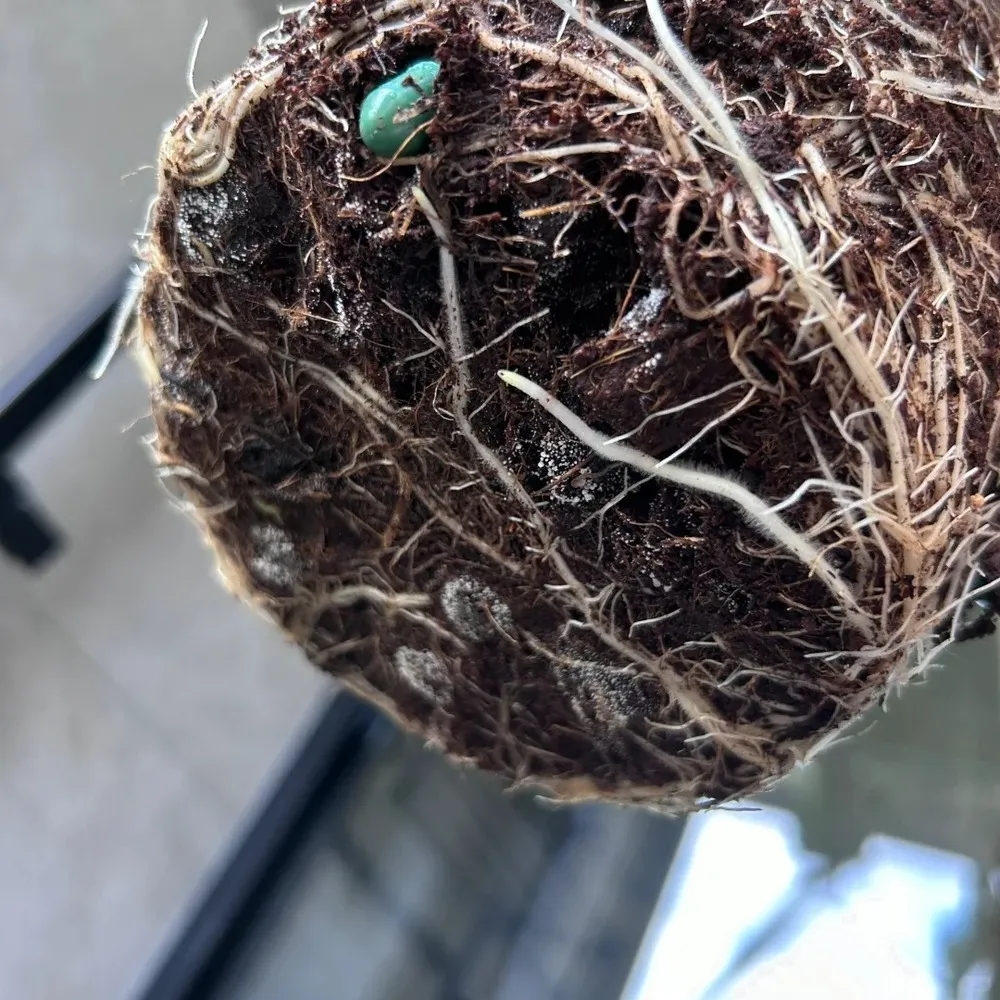
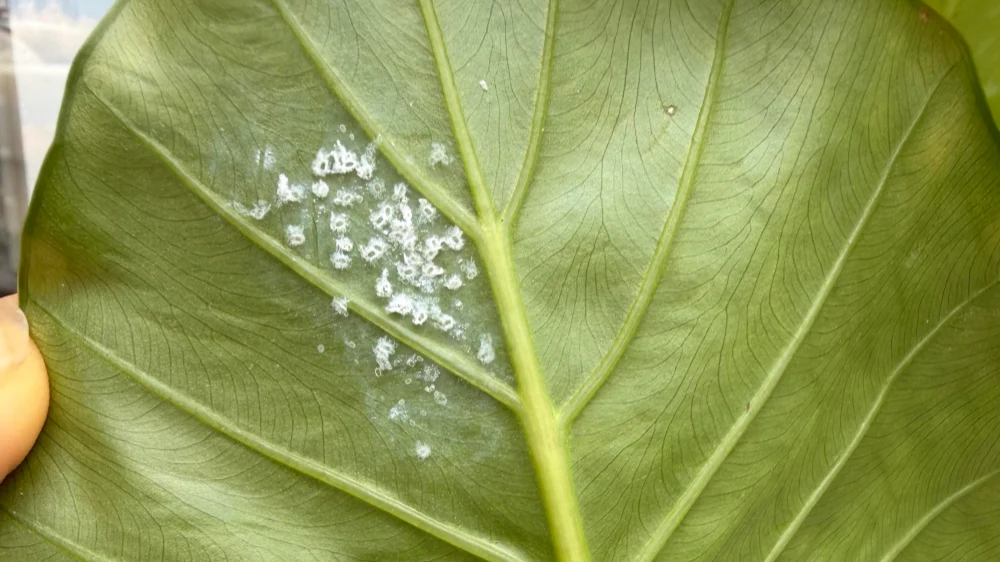
Then one day, I noticed something unusual: small white spots forming around the drainage holes, almost like mold. The leaves still looked acceptable, but the pot itself was clearly telling a different story.
That was the moment I realized the soil had been staying wet for too long — regardless of airflow above. Microbial activity had shifted, and the root zone was losing balance before the plant showed visible stress.
I didn’t treat it. I didn’t adjust nutrients. I simply removed the plant from its pot and placed it in a well-ventilated area, stopping all watering.
The response was surprisingly fast. Within days, the plant visibly stabilized. Leaves firmed up, and no further decline followed.
This case taught me to stop focusing only on foliage. Sometimes, the earliest signs of overwatering appear in the soil itself — long before the leaves start to complain.
Final Thoughts
Looking back, none of these cases were caused by a lack of care. They came from reacting too quickly — adding water, humidity, or adjustments before understanding what the plant was actually signaling.
For me, learning to pause made the biggest difference. When an Alocasia looks thirsty but the soil is still wet, doing less often helps more than doing more.
FAQ
This was one of the hardest habits for me to unlearn.
In several of my cases, the leaves looked thirsty while the soil was already wet. The issue wasn’t water shortage — it was that the roots couldn’t move water efficiently anymore. Adding more water in that situation usually made things worse, not better.
If the soil hasn’t dried yet, pause before watering again, even if the leaves seem to ask for it.
Guttation simply means the plant is pushing excess water out through its leaves. It can happen in healthy plants, but frequent or heavy guttation often points to overwatering, especially if the soil stays wet for long periods.
I now treat guttation as a signal to check drainage and airflow, not as automatic reassurance.
If the damage appears quickly and you reduce excess moisture early (better airflow, drier soil), partial recovery is possible. I’ve seen leaves firm up again when the imbalance was corrected in time.
However, once tissue collapses or turns mushy, that damage is permanent. Timing matters more than treatment.
If increasing humidity doesn’t improve the plant — or makes things worse — humidity probably isn’t the main issue. When soil stays wet but leaves still act dehydrated, the problem is usually below the surface.
In my experience, airflow and soil structure mattered far more than chasing a specific humidity percentage.
Unless the leaf is clearly rotting or collapsing, I prefer to wait. Some leaves that look badly affected will stabilize once the underlying issue is corrected. Cutting too early removes useful feedback about whether your changes are helping.
I usually let the plant decide when a leaf is truly done.
White growth near drainage holes, soil that never quite dries, or a musty smell often show up before visible leaf damage. Those signs tell you the root zone is under stress even if the plant still looks “okay” on top.
Catching overwatering at the soil level is much easier than fixing it after the leaves start reacting.
Trouble with your Alocasia?
Find real fixes for yellow leaves, drooping stems, and root issues in our Problems Hub.
Go to Problems Hub →