When these two variegated Alocasias arrived at my home in Portland, I put them through the fairest test possible:
same day arrival, same window, same humidity, same watering, same room temperature.
Zero special treatment.
Zero “one gets more light than the other.”
Just a true, side-by-side comparison of how they behave indoors.
What surprised me most wasn’t survival or color — it was the shape and size of the new leaves.
Even under identical care, the fresh leaves they pushed out looked dramatically different in:
- size
- depth of lobes
- texture
- variegation pattern
- and even confidence in growth
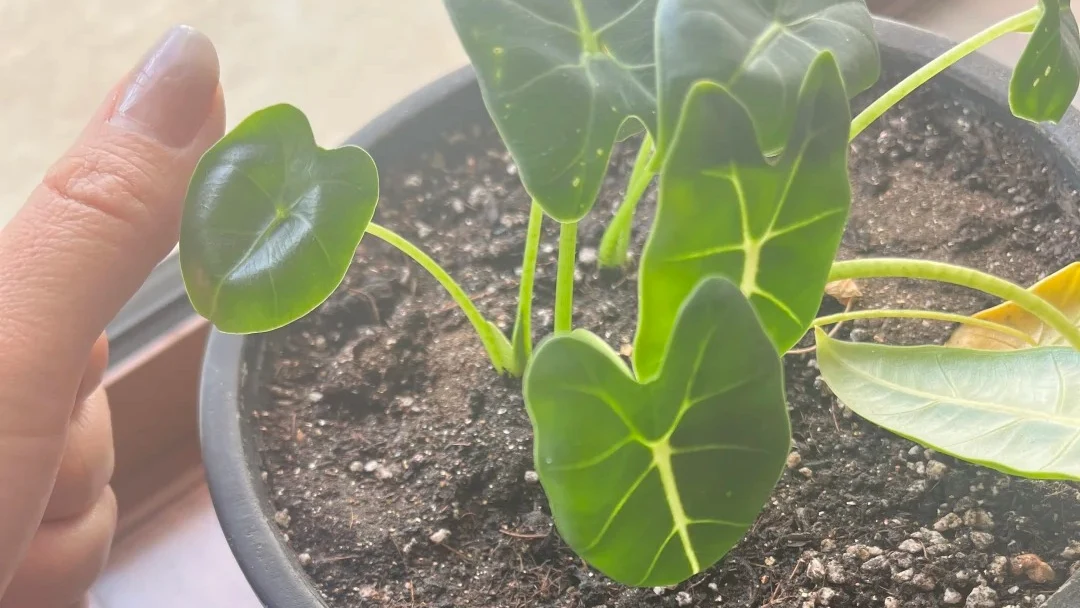
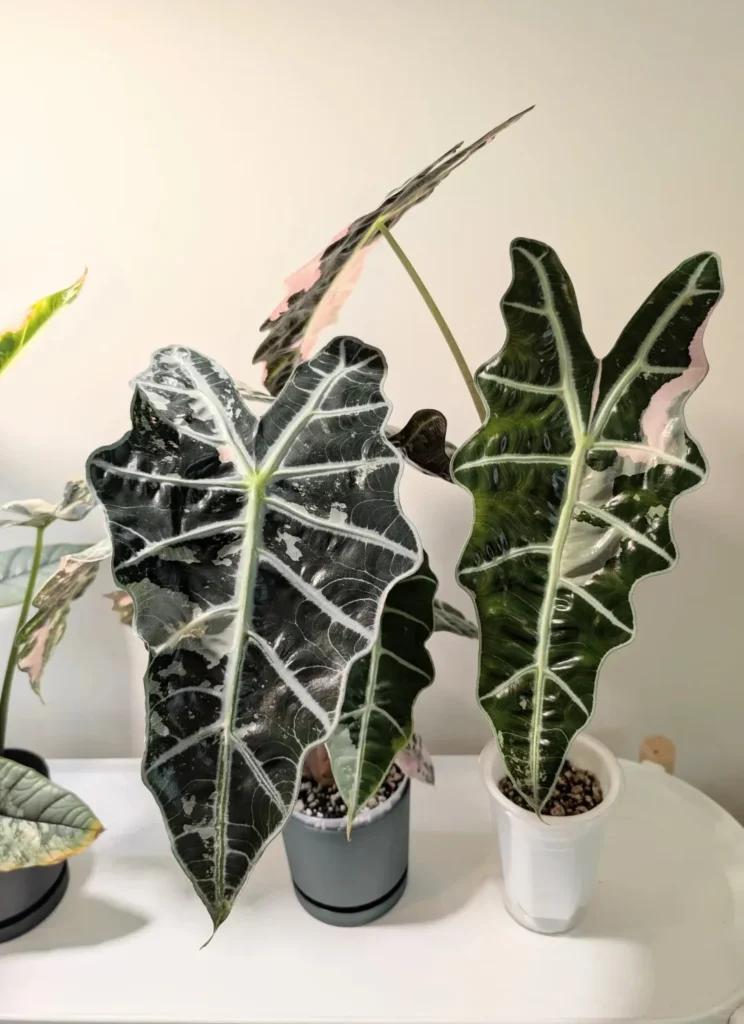
Below are the actual photos from my home setup — nothing staged, nothing edited.
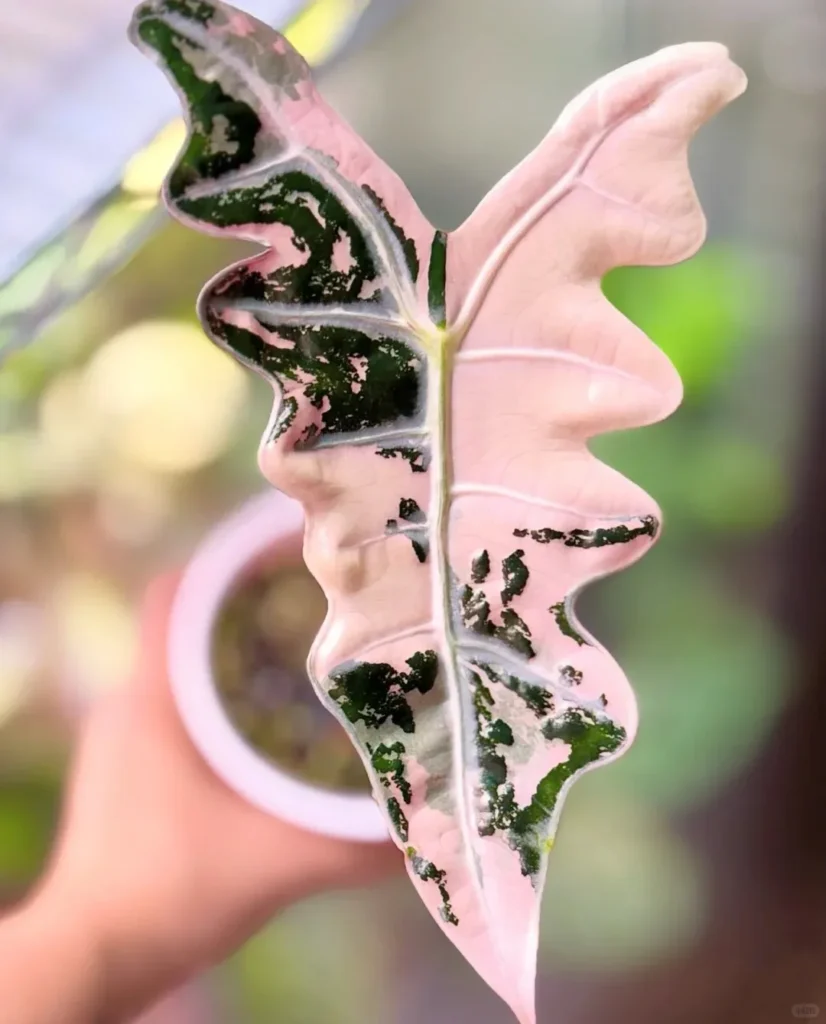
Real New-Leaf Comparison
Left: Amazonica
- Larger, thicker leaf
- Deep, defined lobes
- Heavy marbling and higher contrast
- Pinkish underside blended with green patches
- Grows with more “weight” and presence
Right: Polly
- Smaller, tighter leaf shape
- Narrower frame, softer lobes
- Speckled variegation instead of marble sheets
- Noticeably more compact growth habit
- Feels more “indoor-sized” and manageable
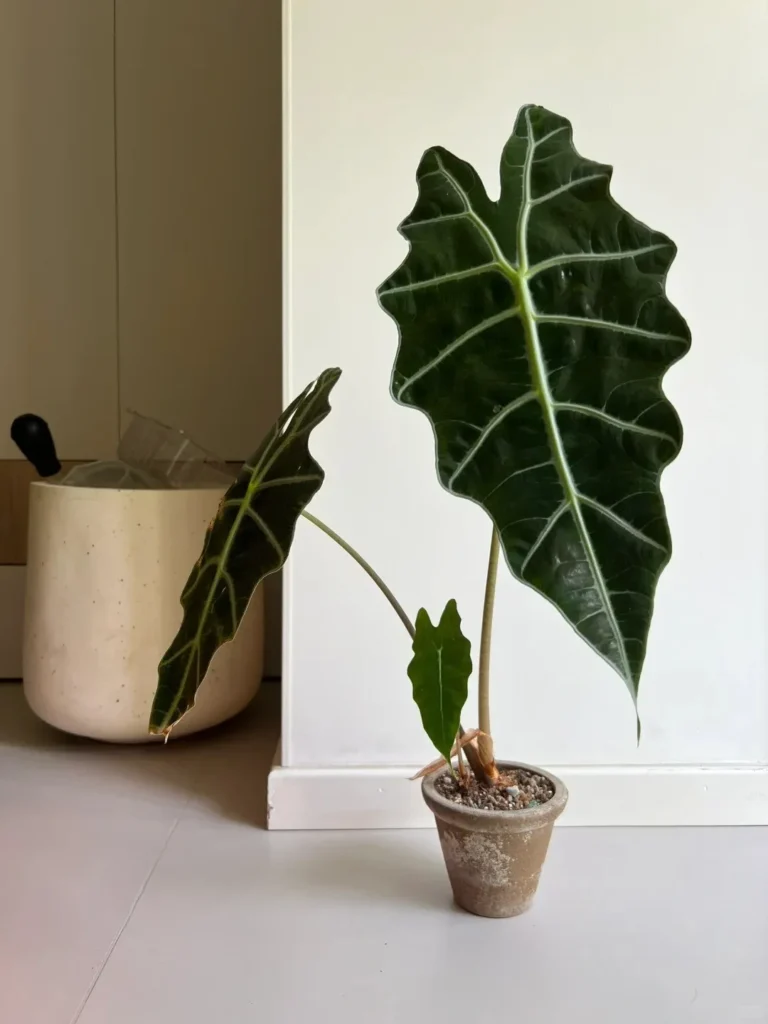
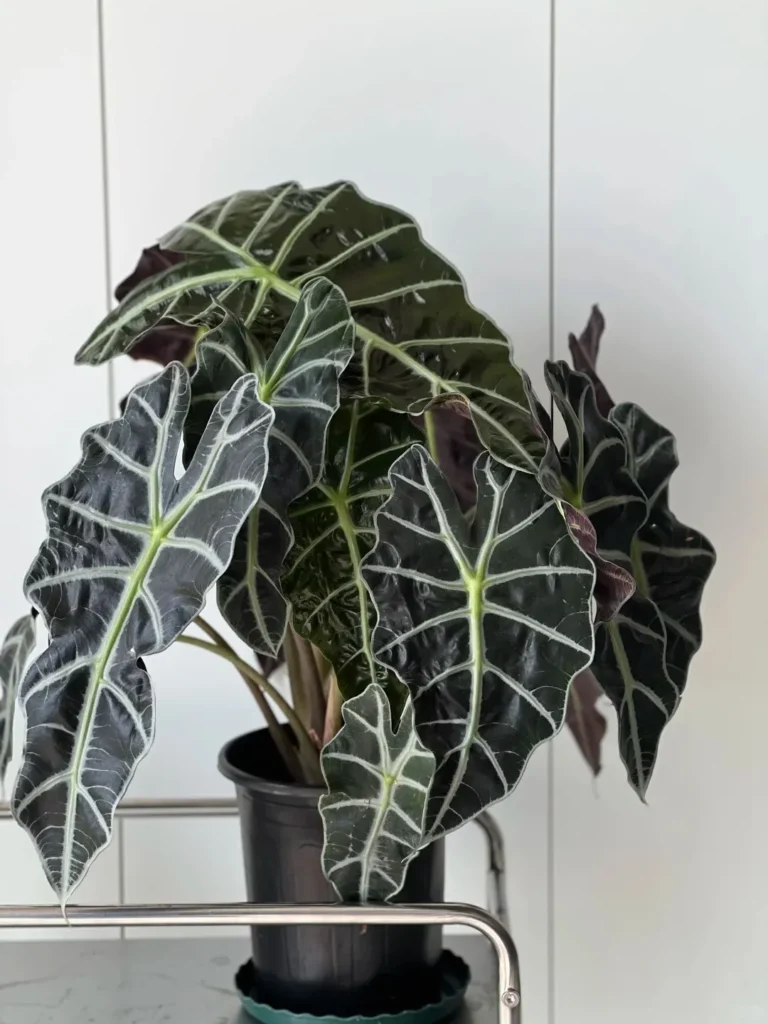
Even though both plants lived in the exact same conditions, the new leaves immediately told two completely different stories:
Amazonica grows bold.
Polly grows neat.
And this simple experiment became the basis of this entire article — a real-world, same-care comparison to help you decide which one fits your home better.
Quick Comparison: Alocasia Polly vs Amazonica (Same Care Test)
| Feature | Alocasia Amazonica | Alocasia Polly |
|---|---|---|
| New Leaf Size | Larger, longer, deeper lobes | Smaller, compact, softer lobes |
| Leaf Texture | Thicker, more sculpted | Thinner, smoother |
| Variegation Pattern (based on your plants) | Broad marbling, high contrast | Speckled, finer variegation |
| Growth Habit | Upright, bold, “statement plant” | Neat, tidy, indoor-friendly |
| Speed of New Leaves | Slower but larger | Faster but smaller |
| Light Tolerance | Prefers stronger indirect light | More adaptable to typical indoor light |
| Humidity Tolerance | More sensitive → prefers higher RH | Slightly more forgiving |
| Space Needed | Medium–large plant (can get big) | Small–medium, easy to place |
| Care Difficulty | ⭐⭐⭐⭐ Harder than Polly | ⭐⭐⭐ Moderate |
| Best For | Big spaces, collectors, high-humidity setups | Apartments, beginners, low-maintenance homes |
Why They’re So Easy to Mix Up
If you’ve ever felt confused about whether you’re buying a Polly or an Amazonica, you’re not alone.
Even experienced collectors, nurseries, and online plant shops mix these two up all the time — and there are a few real reasons why.
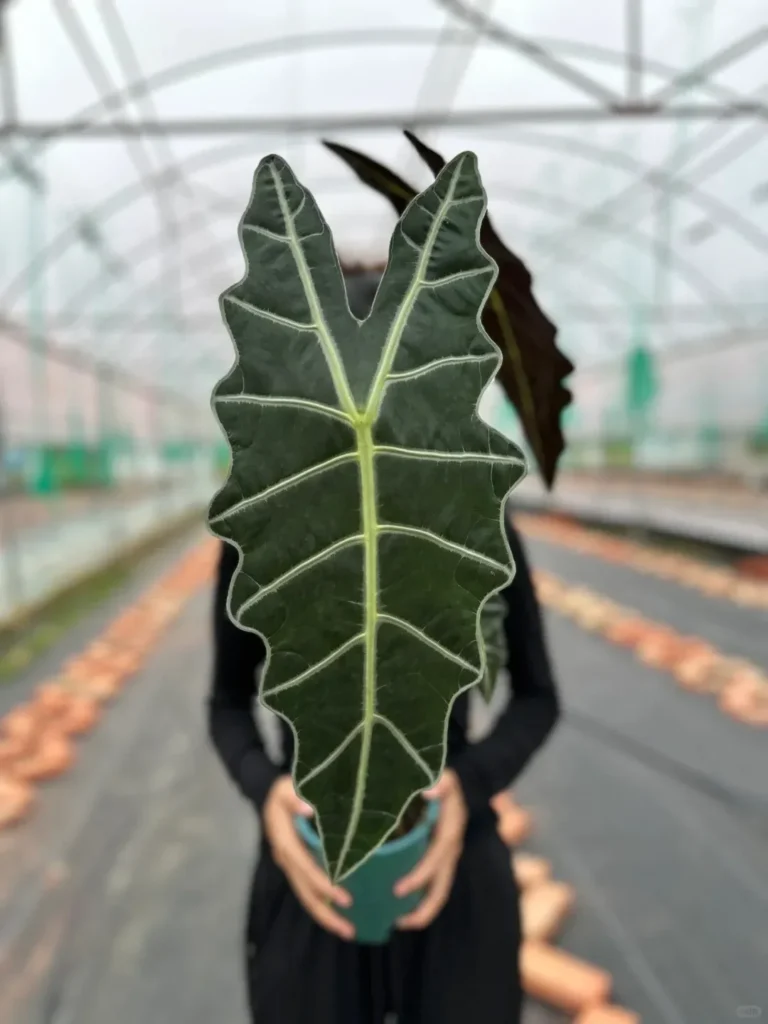
1. The names aren’t botanical names.
Neither Polly nor Amazonica is an official species name.
Both are trade names for cultivars, which means sellers can (and often do) use them interchangeably.
2. Amazonica itself is a hybrid, not a natural species.
Because the original Alocasia ‘Amazonica’ is a 1950s hybrid (longiloba × sanderiana), many people assume it represents a “species group.”
It doesn’t — but the misunderstanding spreads fast.
3. Polly is literally derived from Amazonica.
Polly is a compact, selected cultivar of Amazonica.
So naturally, they look extremely similar, especially when the plants are young.
4. Online sellers often mislabel them.
Most nurseries choose whichever name the market recognizes more.
Amazonica sounds exotic → so many sellers use that name even when the plant is obviously a Polly.
5. At a quick glance, the leaf shape feels identical.
To new plant owners, the differences in leaf length, lobing depth, and overall scale only become clear after:
- owning both
- seeing new leaves grow
- comparing them side-by-side
6. Variegated versions make the confusion even worse.
In variegated forms, the marbling distracts from leaf shape, making it even harder to identify which is which unless you look at:
- size
- structure
- growth habit
Naming Explained: Amazonica, Polly, Bambino, Mandalay — How I Finally Made Sense of Them
For the longest time, I couldn’t figure out why these “Amazonica types” looked so similar yet behaved differently.
Once I started collecting a few of them and lined up the leaves side-by-side, the whole family tree finally clicked. If you’re new to this group, start with my general Alocasia care guide before choosing a cultivar.
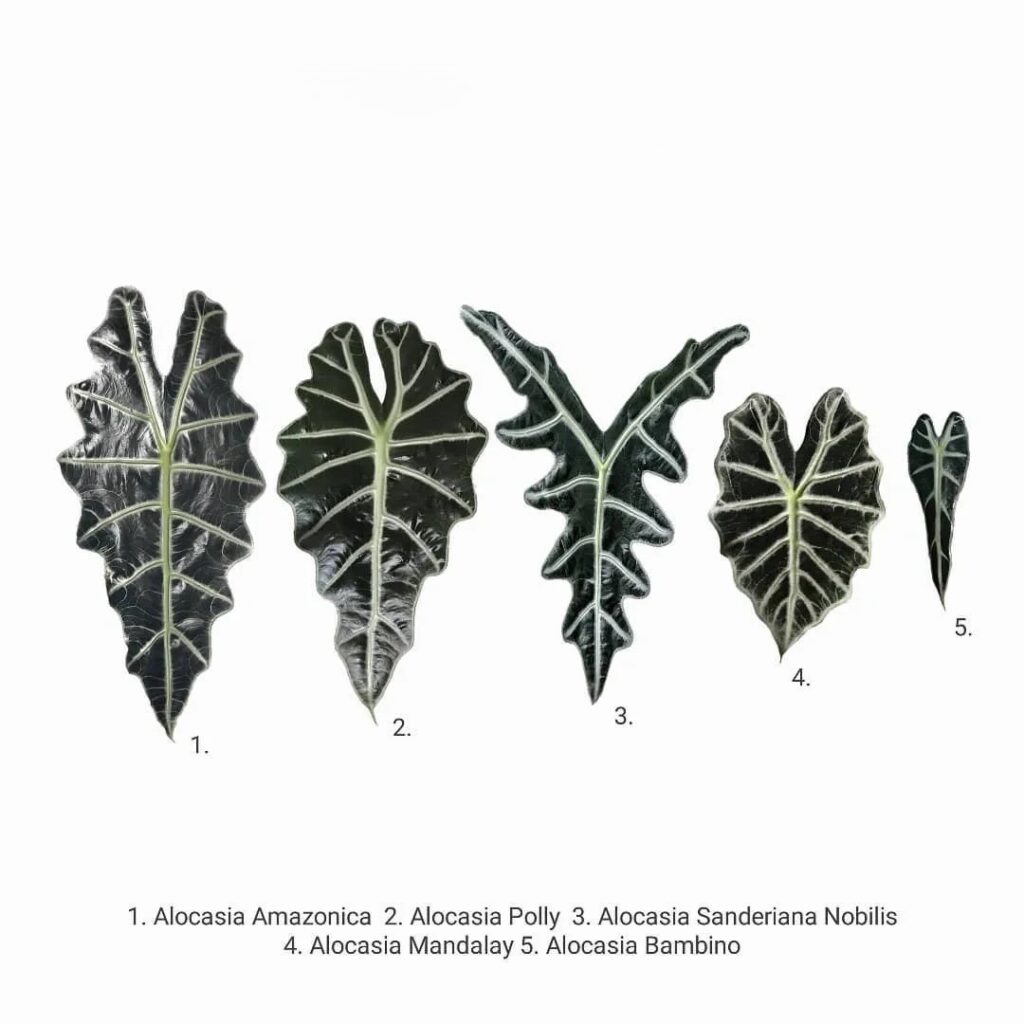
Here’s the simple version — the way I personally understand and use it now.
1. Alocasia ‘Amazonica’ — the original hybrid (the big, dramatic one)
This is where the entire group begins.
- Created in the 1950s in the U.S.
- A hybrid of A. longiloba × A. sanderiana
- Not a species
- Not from the Amazon rainforest
- Has the deepest lobes and the biggest presence
In my comparison photos, this is the largest leaf with the most dramatic outline.
2. Alocasia ‘Polly’ — the compact Amazonica most people actually own
Polly isn’t a separate species at all.
It’s simply a compact selection of Amazonica that was chosen for easier indoor growth.
- Smaller
- More manageable in regular homes
- Slightly more forgiving
- The one sold in most stores today
- Very often mislabeled as “Amazonica”
In my lineup, this is the shorter, more compact version with the same architecture.
3. Alocasia ‘Bambino’ / ‘Piccolini’ — the very narrow mini version
Bambino takes the compact idea even further.
- Thin, narrow leaves
- Tiny and extremely space-efficient
- Best for shelves and small corners
- Also derived from the Amazonica → Polly line
In my photos, it’s the slim, spear-shaped leaf at the end of the lineup.
4. Alocasia ‘Mandalay’ — the rounder, softer style
Mandalay is compact like Polly but looks completely different.
- Rounder edges
- Shorter and tidier
- Less dramatic, more “cute”
- Still part of the same Amazonica descendant group
In my comparison, it’s the rounded, heart-like shape that sits between Polly and Bambino in size.
How the Photos Make the Lineage Easy to Understand
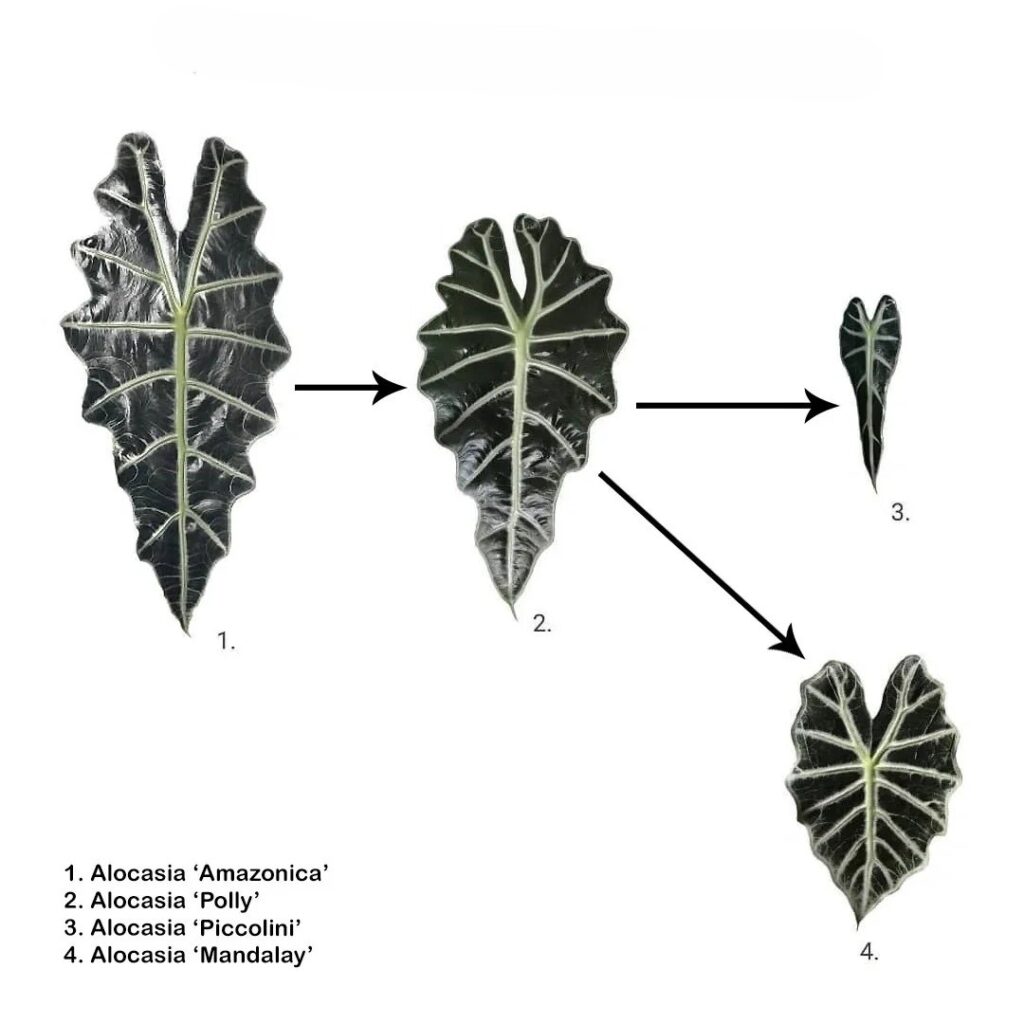
When I put the leaves in this order, I finally understood the relationship:
Amazonica → Polly → Bambino / Mandalay
Polly is simply a compact Amazonica,
and Bambino + Mandalay are compact refinements of Polly.
This lineup explains why Amazonica resembles Sanderiana —
because it has half of Sanderiana’s genetics.
Seeing them arranged by structure makes the whole naming confusion so much easier to decode.
Appearance Differences
When you put the leaves next to each other—same light, same day, same angle—the differences show up immediately.
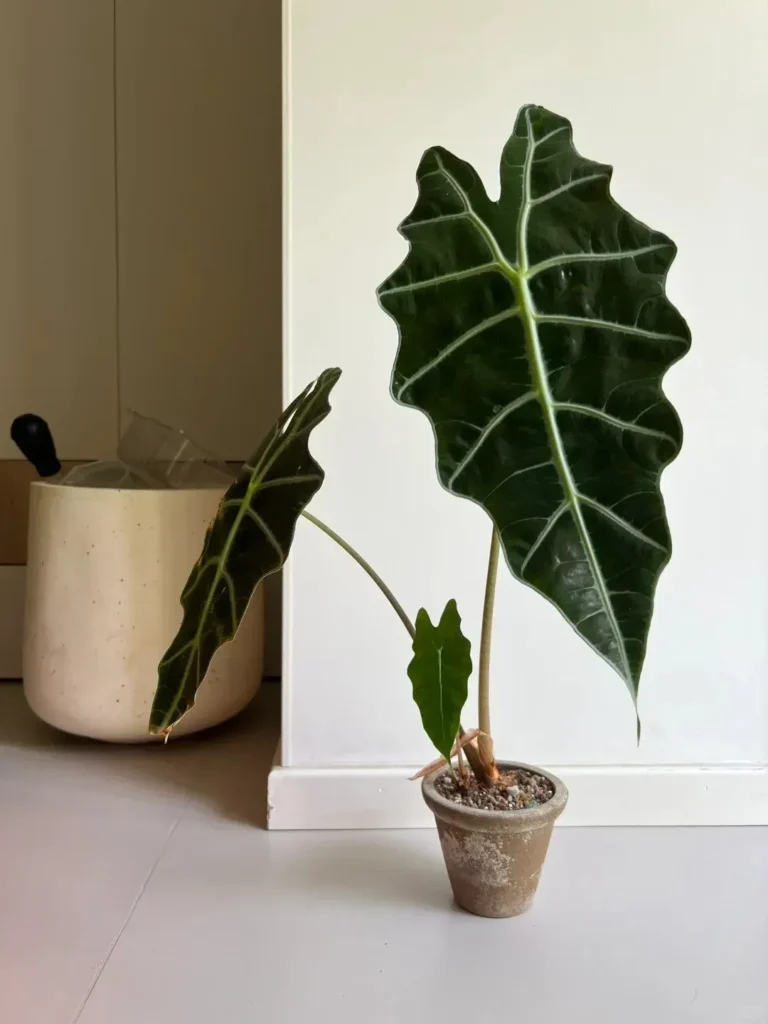
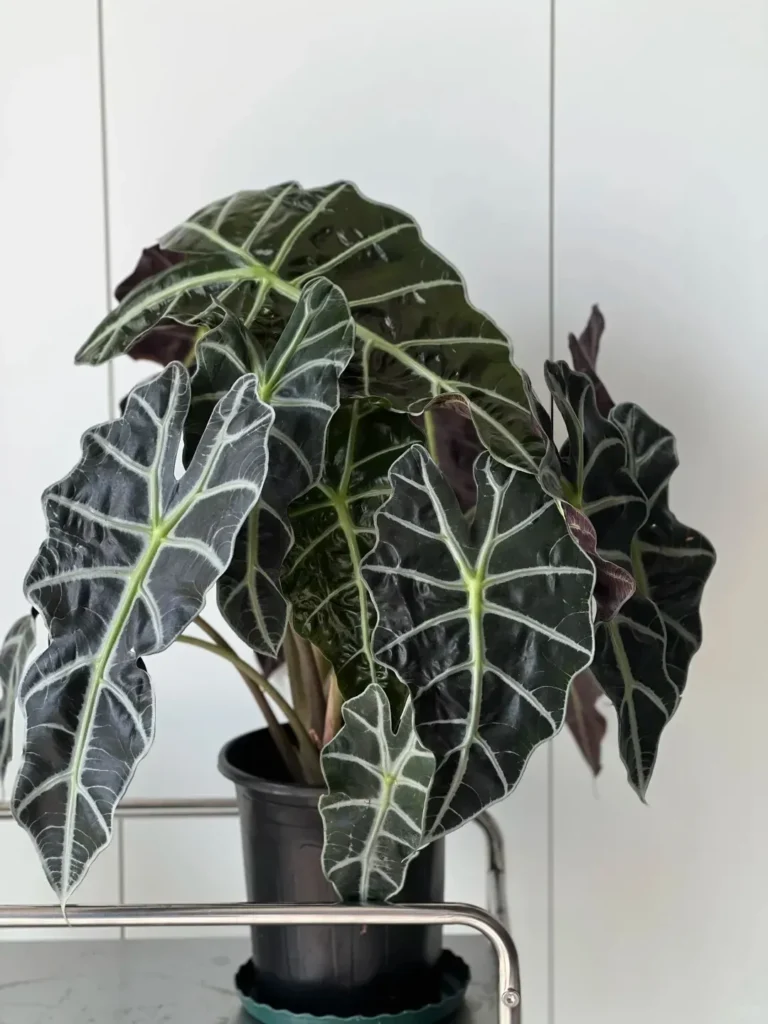
1. Amazonica → longer, wider, and noticeably firmer
The leaf stretches out with deeper lobes, a heavier texture, and a more dramatic silhouette. It always looks like the “big statement piece” in the group.
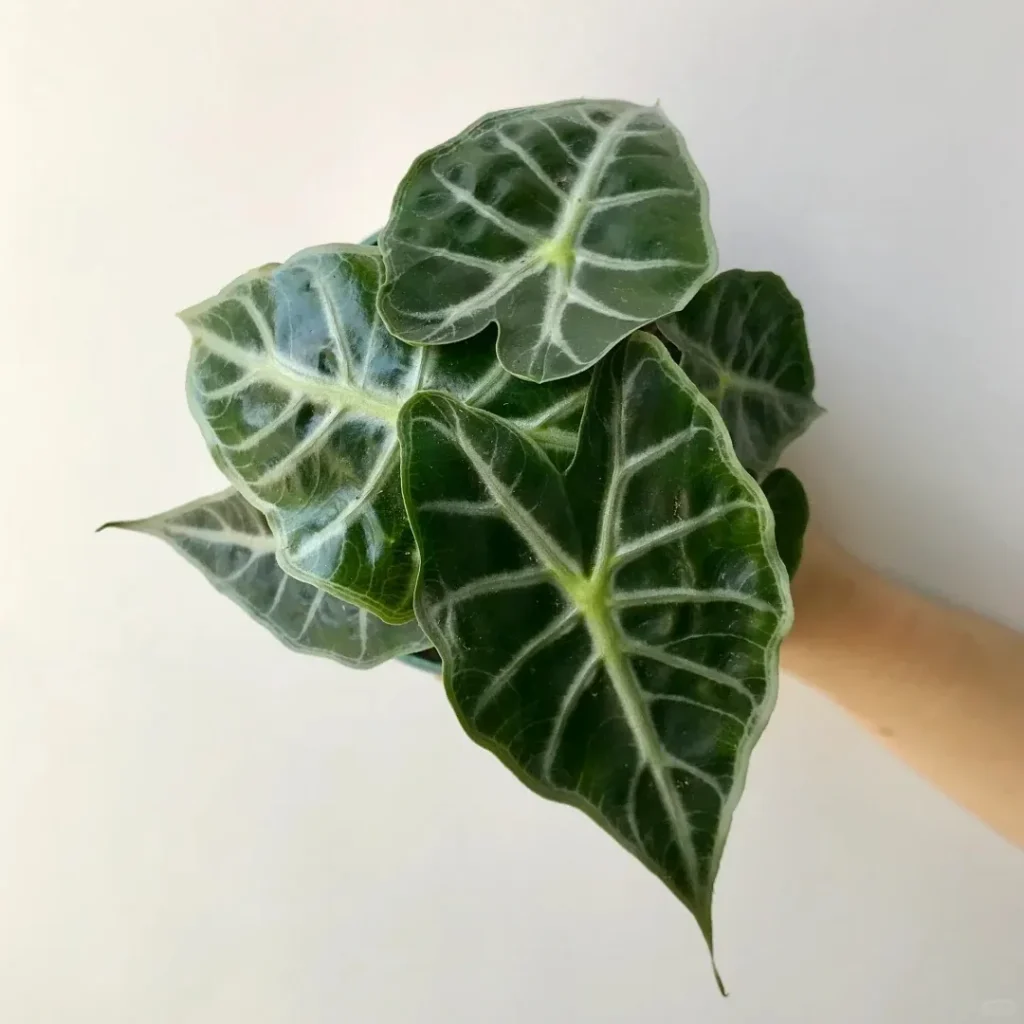
2. Polly → shorter, tighter, and quicker with new leaves
Polly keeps the same general shape but everything is scaled down — shorter blades, a compact outline, and new leaves that unfurl faster but stay smaller.
3. Bambino / Mandalay → mini or rounded compact versions
Bambino narrows into a slim, elongated leaf, while Mandalay becomes rounder and softer. Both look like downsized, tidier versions of the main Amazonica–Polly line.
Care Differences
Even though they look similar, they don’t behave the same once you start growing them side-by-side. After a few months in my Portland setup, the differences became very clear—especially in light tolerance, humidity needs, and the pace of new leaves. You can see the exact ranges I use in my Alocasia light requirements guide.
Polly
- Better suited for regular indoor conditions
- More tolerant of dry household air
- Generally more stable and less dramatic
- Produces new leaves more frequently (but smaller)
Amazonica
- Needs stronger indirect light to look its best
- Prefers higher humidity and reacts faster to dry air
- Pushes new leaves more slowly but each one is noticeably larger
- More sensitive to repotting or root disturbance
Which One Should You Get?
After growing both in the same Portland setup, I’ve realized the decision has less to do with “which one is better” and more about what kind of home you’re putting it into.
Here’s the simplest way to choose based on real, everyday conditions—not wishful thinking.
Choose Polly if:
- You live in an apartment or smaller space
- You prefer a more stable, easier-going plant
- Medium-sized leaves fit your style better
- You don’t use a humidifier (or don’t plan to)
Polly also shows up in my beginner-friendly Alocasia list for small homes.
Choose Amazonica if:
- You have more room for a larger, bolder plant
- You love dramatic, elongated foliage
- You can offer brighter light and higher humidity
- You enjoy collecting and want the “full-size” hybrid
Common Misunderstandings
People mix these plants up so often that a few myths keep getting repeated everywhere.
Here are the ones I see the most:
- “Amazonica comes from the Amazon rainforest.” → False
It’s a man-made hybrid created in the 1950s in the U.S. — not from South America at all. - “Polly is a species.” → False
Polly is a compact cultivar, not a natural species. - “Polly and Amazonica are the same thing.” → Not exactly
Polly comes from Amazonica, but it’s a selected, scaled-down version with different growth behavior. - “A small pot will keep Amazonica small.” → False
Pot size affects root spread, not genetic leaf size. A healthy Amazonica will still try to produce large leaves when conditions allow.
FAQ
Love discovering new Alocasias?
Explore more velvet, variegated, and large-leaf varieties in our Alocasia Varieties Hub.
Go to Varieties Hub →