
9 Beginner-Friendly Alocasia Varieties
The Alocasia that actually behave indoors — chosen from years of real home growing.
After growing dozens of Alocasia in my Portland home — through winter dryness, summer low light, and all the dramatic “moods” in between — I realized something important: some varieties are naturally stable, others are not.
This guide highlights the Alocasia that stay steady, grow predictably, and adapt well to normal indoor conditions. If you’re choosing your first Alocasia, start here.
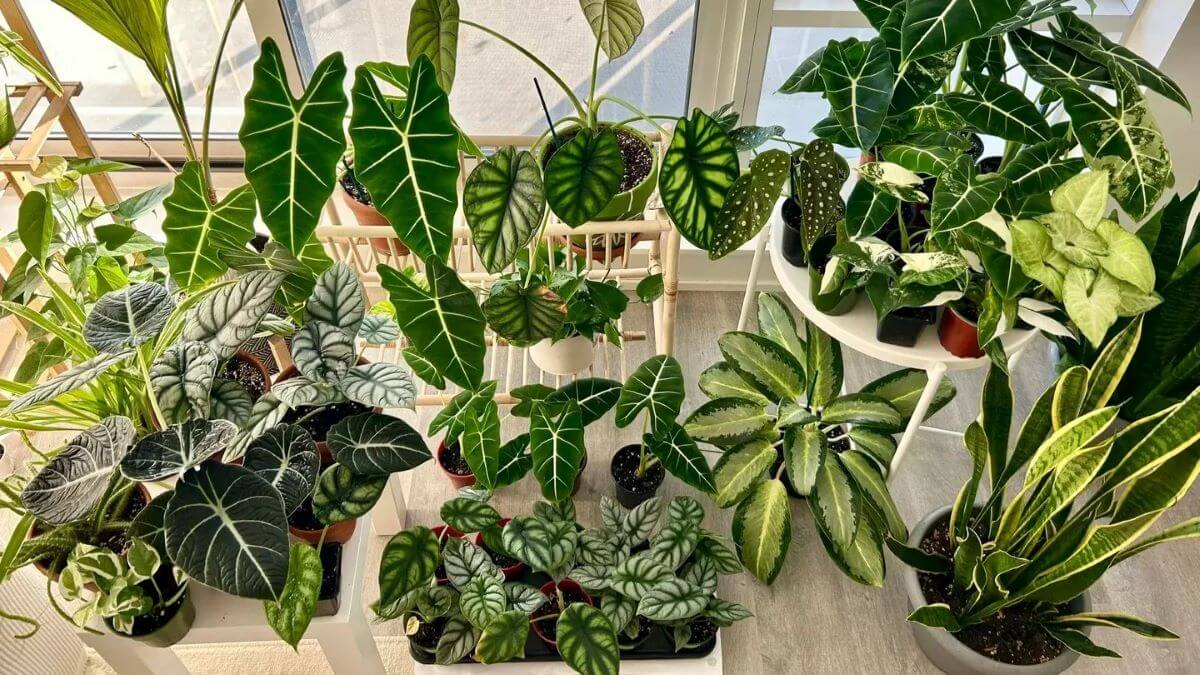
What Makes an Alocasia Beginner-Friendly?
Not all Alocasias behave the same indoors. Some bounce back easily from small mistakes, while others react dramatically to the slightest change.
Through growing dozens of them in my Portland apartment, these are the traits I’ve found that truly make an Alocasia “beginner-friendly”:
- Tolerates normal indoor humidity — doesn’t demand a humidifier to stay stable.
- Doesn’t collapse after one missed watering — forgiving of small timing mistakes.
- Has a steady new-leaf rhythm — a predictable growth cycle makes care easier.
- Not prone to root rot — can handle standard potting mixes without drama.
- Handles repotting well — doesn’t stall or droop for weeks after a soil refresh.
- Grows well in typical apartment light — thrives near a bright window, no grow light required.
Best Alocasia Varieties for Beginners
Easiest & Most Predictable
Apartment-Friendly & Light-Tolerant
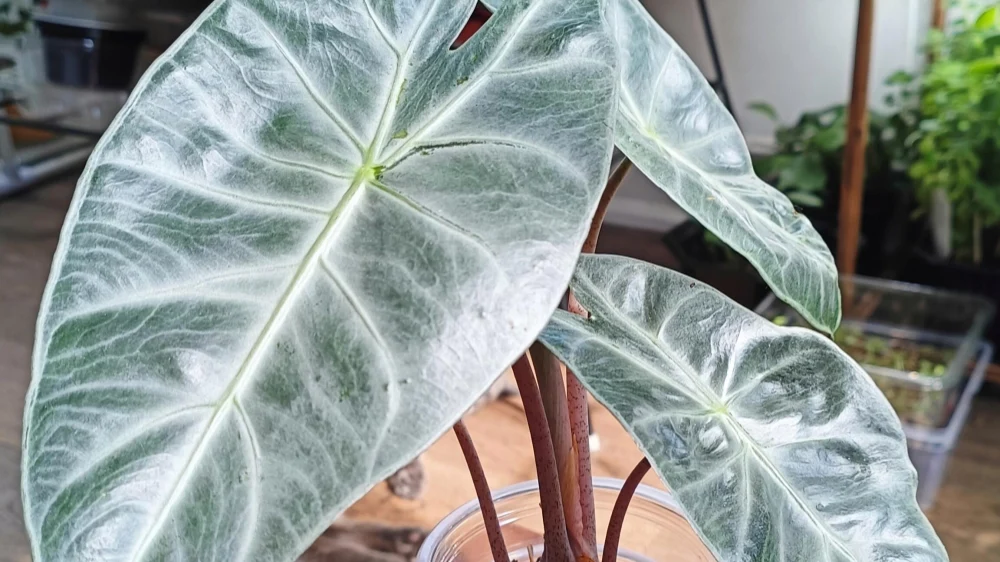
Alocasia Pink Dragon
Soft pink stems with silver-green leaves. Pretty, but quick to show stress from mites and winter stalls.
Humidity-Forgiving Choices
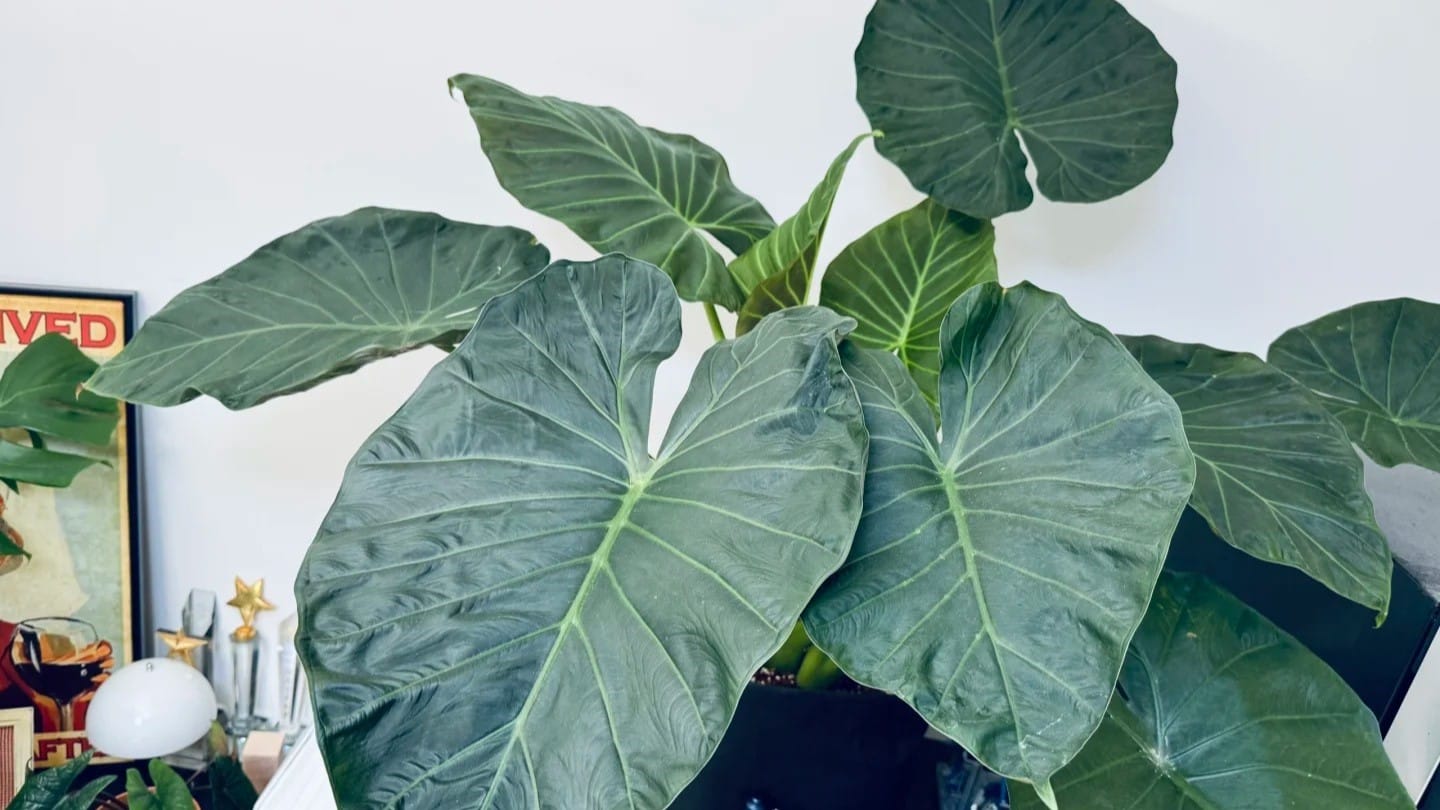
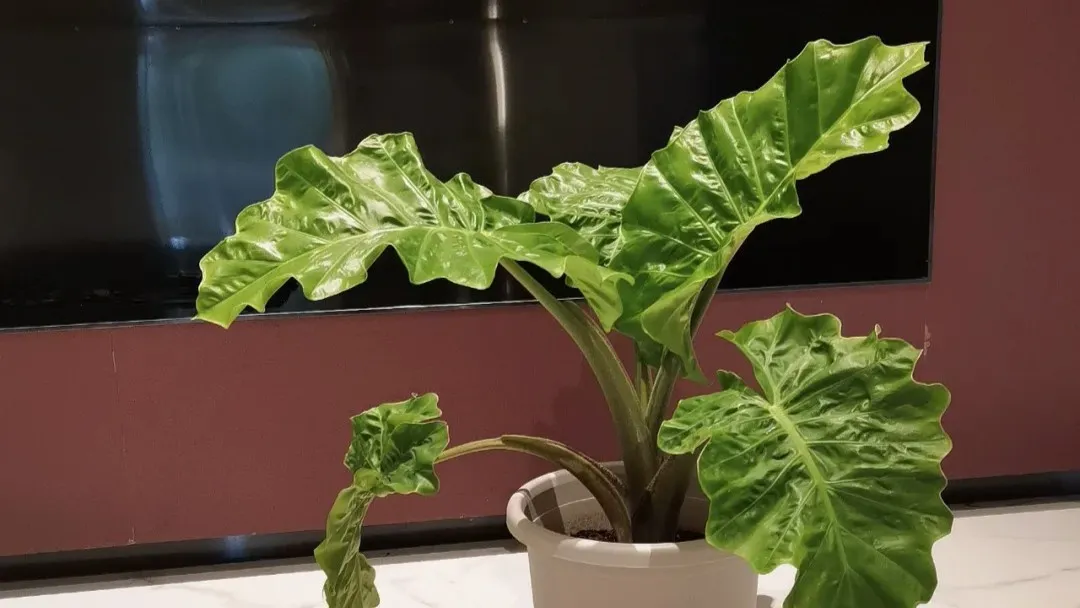
Pretty but Still Beginner-Safe

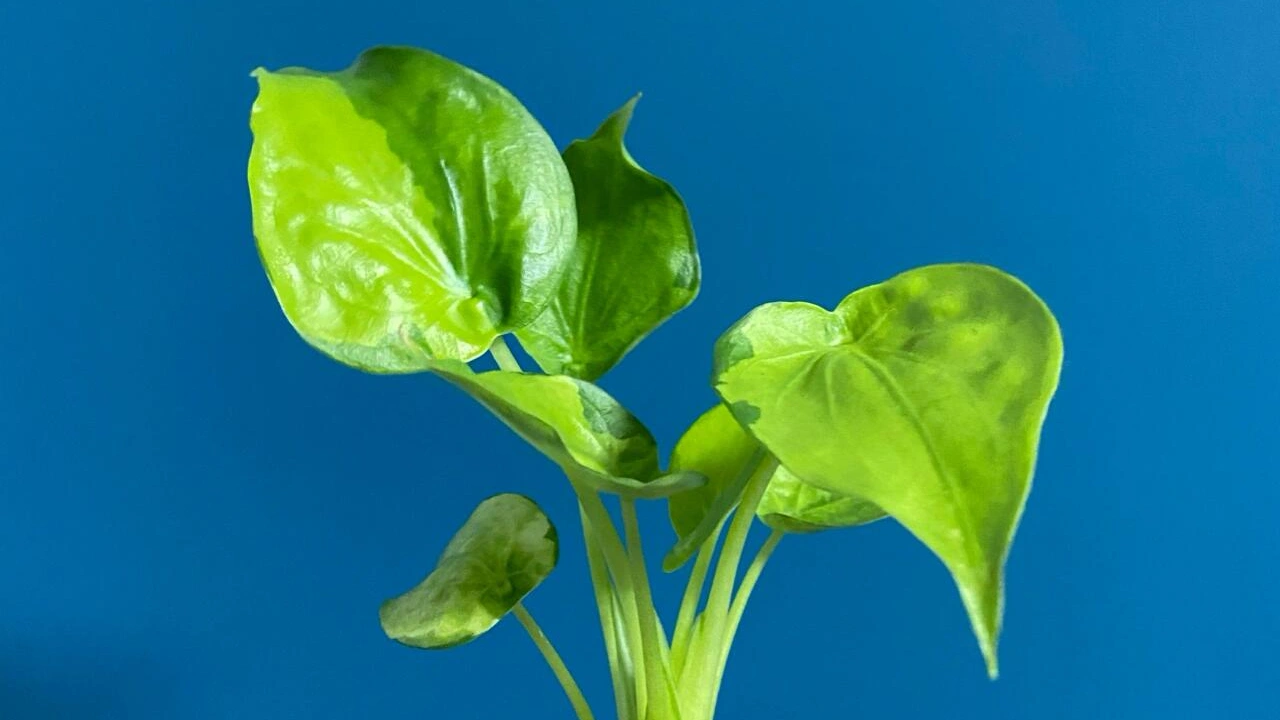
Alocasia Cucullata
Compact, glossy green foliage with a softer look. A surprisingly easy Alocasia for bright indoor corners.
Varieties Beginners Should Avoid
Some Alocasias are stunning, but they’re not the right place to start.
These varieties react quickly to watering mistakes, low humidity, or inconsistent care—common issues for beginners.
If you’re just getting started, it’s better to avoid these until you’re confident with easier types.
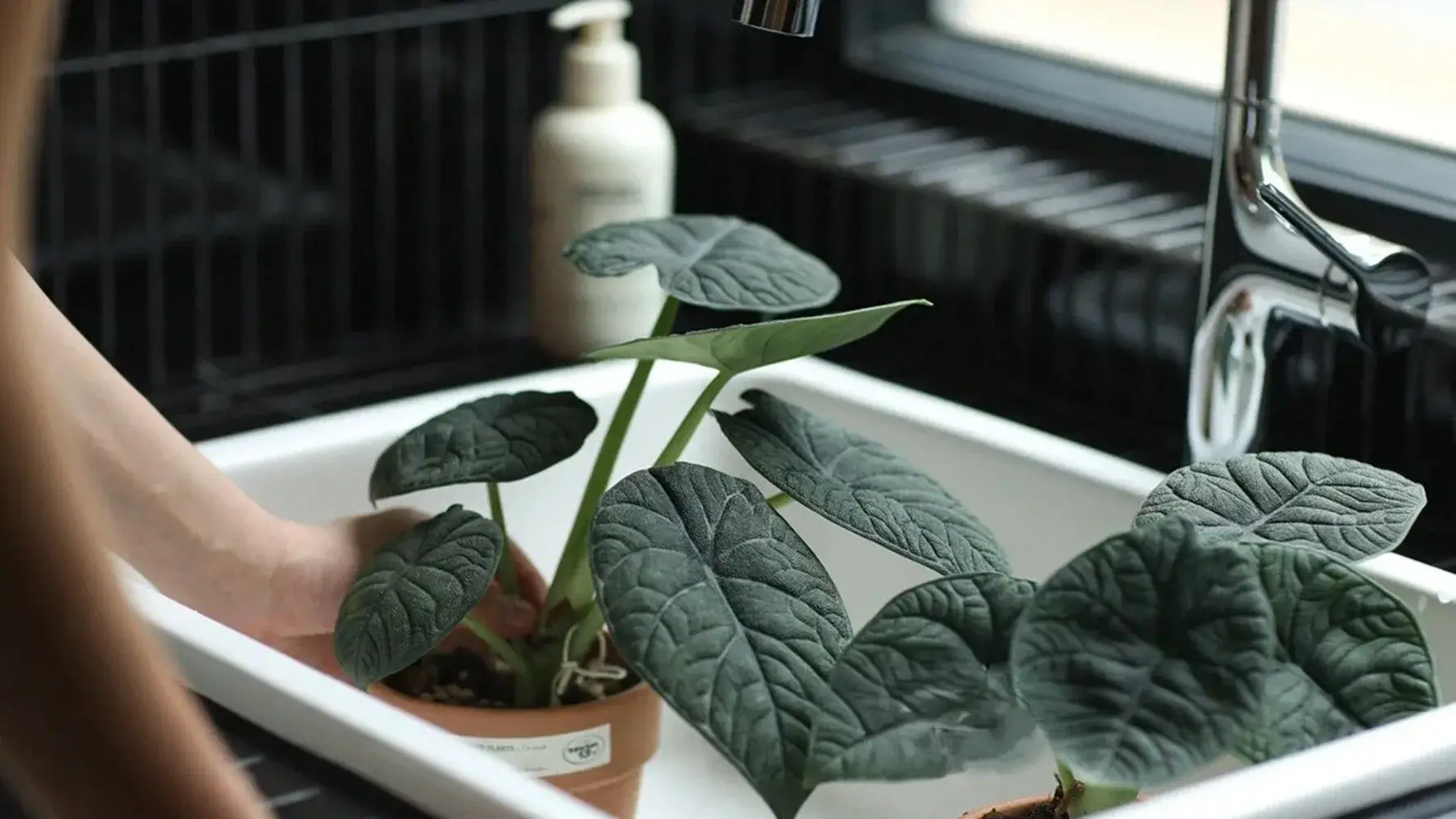
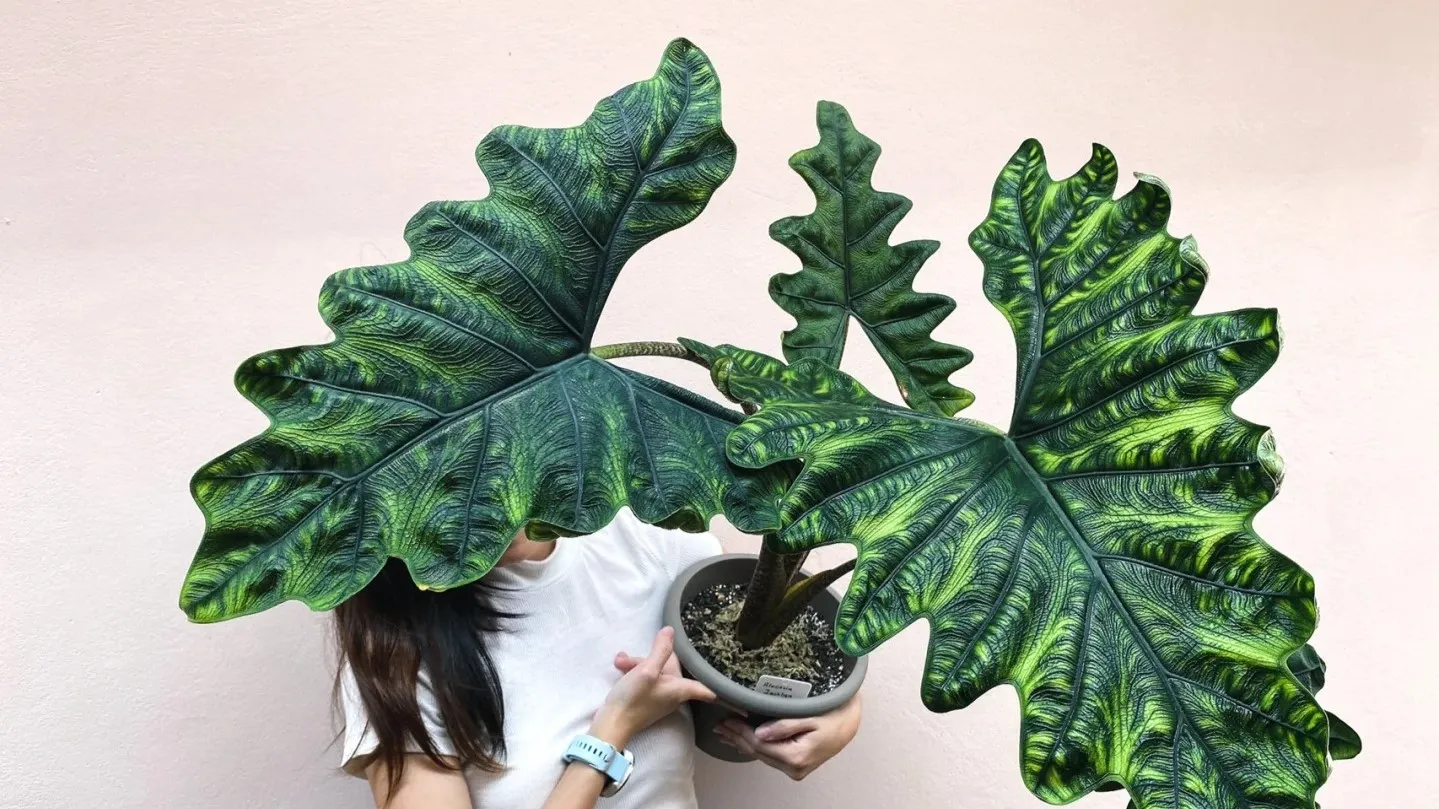
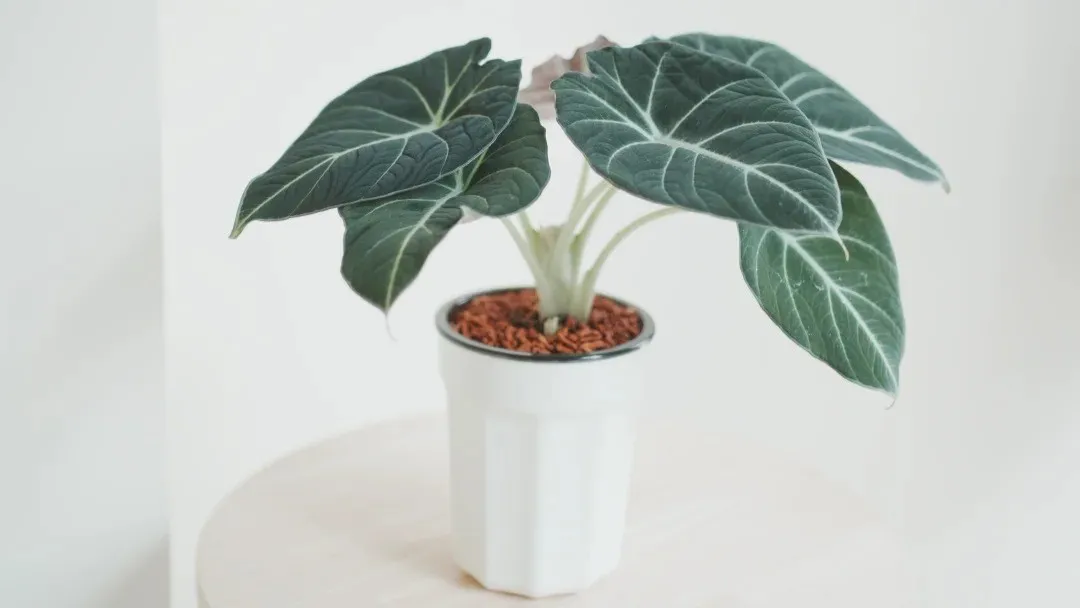
How to Choose Your First Alocasia
Choosing the right Alocasia gets much easier once you match the plant to your living style. Based on how these varieties behave in a real indoor setup, here’s a simple guide to help you pick your first one:
If you live in an apartment
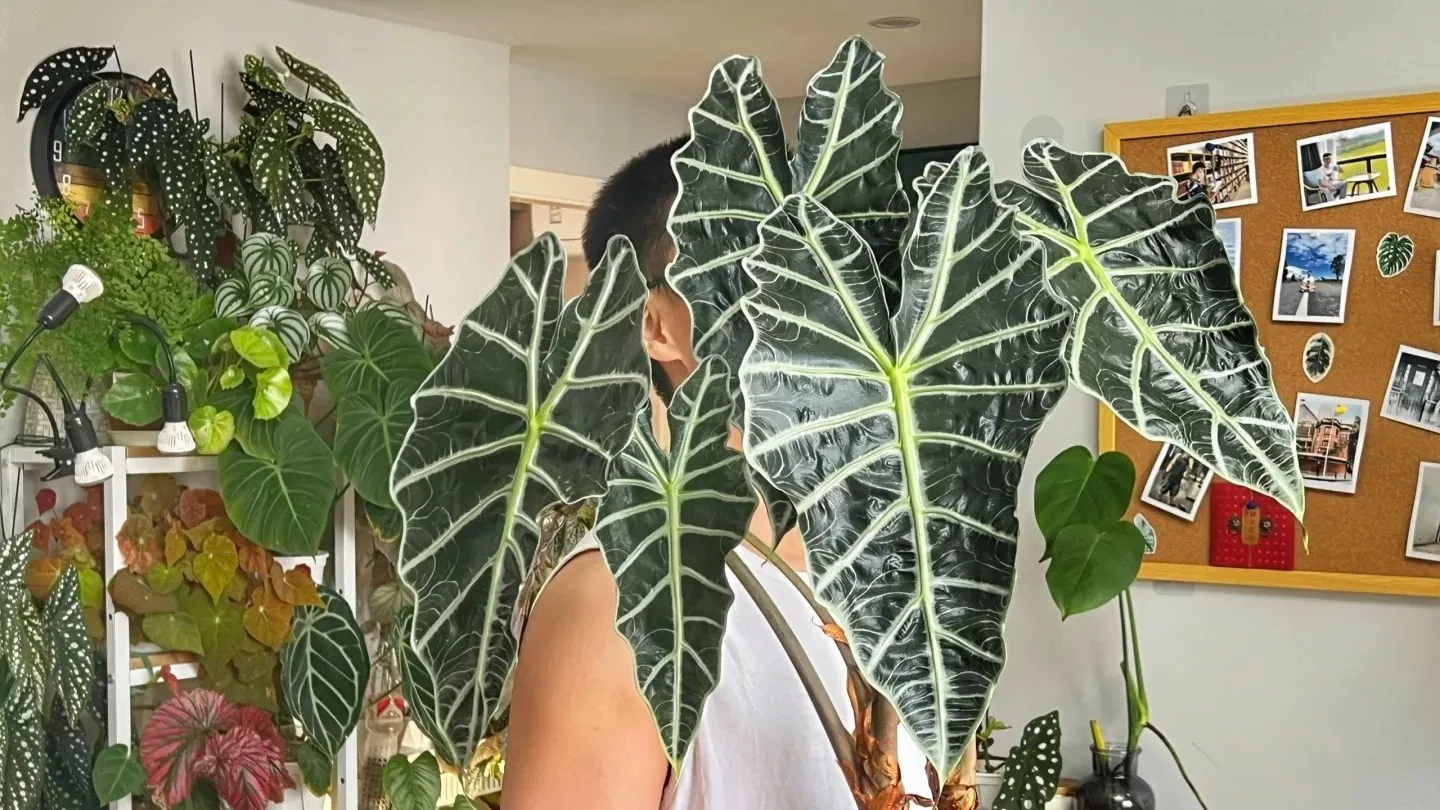
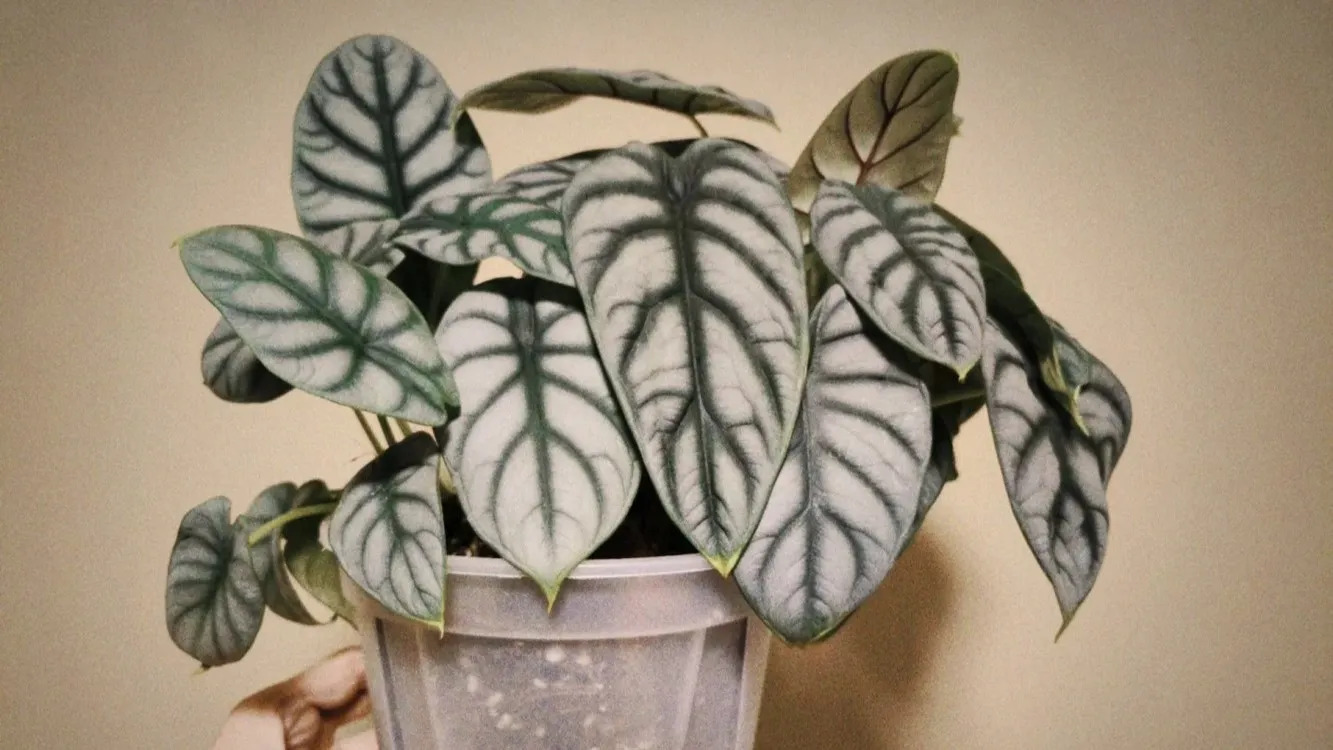
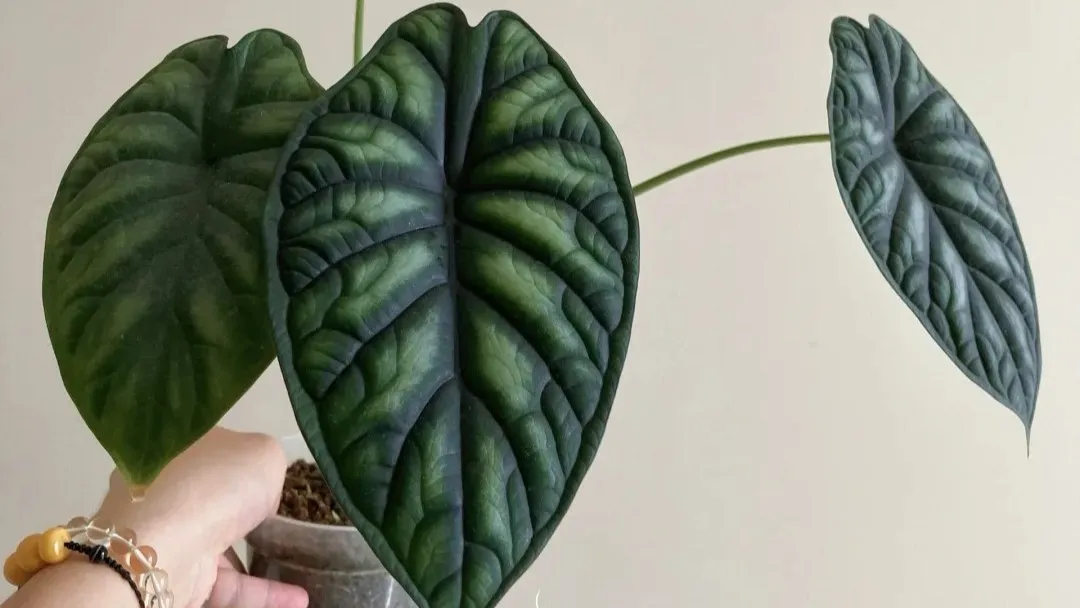
Small spaces do best with compact, predictable growers. Polly and Bambino stay tidy, while Silver Dragon handles apartment lighting surprisingly well.
If you want large leaves
These give that big, dramatic, tropical look while still adapting well to typical indoor conditions.
If you don’t use a humidifier
Both varieties tolerate drier air better than most Alocasias and remain stable through seasonal changes.
If you want the easiest possible starter
One of the most forgiving Alocasias—resilient, fast to bounce back, and rarely dramatic.
If you want the easiest possible starter
Velvety leaves with a high-impact look, but far more stable than variegated Frydek or other sensitive types.
FAQ
Find clear answers to the most common questions beginners have when growing Alocasia indoors.
For something more decorative, Polly and Silver Dragon are also beginner-safe.
Beginner-friendly types like Polly, Bambino, Silver Dragon, and Cucullata do well in normal indoor humidity (40–55%).
Only the more sensitive species—Dragon Scale, Jacklyn, Variegated Frydek—truly need higher humidity.
Beginner-friendly types are more tolerant and usually bounce back faster from dips in moisture.
Polly, Frydek (green), Silver Dragon, and Bambino all grow well near a bright window.
Grow lights are helpful but not required for your first plant.
Choose a pot only 1–2 inches wider to avoid soggy soil.