I did not bring home my Alocasia cucullata as a perfect, glossy houseplant from a nursery shelf. I found it after my neighbors had thrown out a group of heat-stressed plants at the end of summer. Most of them looked beyond saving, and this one was especially sad — yellowing leaves, a darkened base, and that tired, collapsed look plants get when they have been left too hot and too dry for too long.
Honestly, I did not expect much from it. I moved it to a shaded, airy spot, soaked the root zone, added a plant-safe fungicide solution, and then mostly left it alone. A few days later, it started to recover. After that, I repotted it, and over time it grew into a full, healthy plant again.
That experience changed how I see Alocasia cucullata. It is not the flashiest Alocasia, and it does not have the dramatic veins of many collector-type jewel Alocasias, but it has the kind of quiet resilience that matters in a normal home, especially if your indoor conditions are not perfect all year. If you want an Alocasia that feels tropical, calm, and surprisingly forgiving, this is one I would not overlook.
What Alocasia Cucullata Is Like as a Houseplant
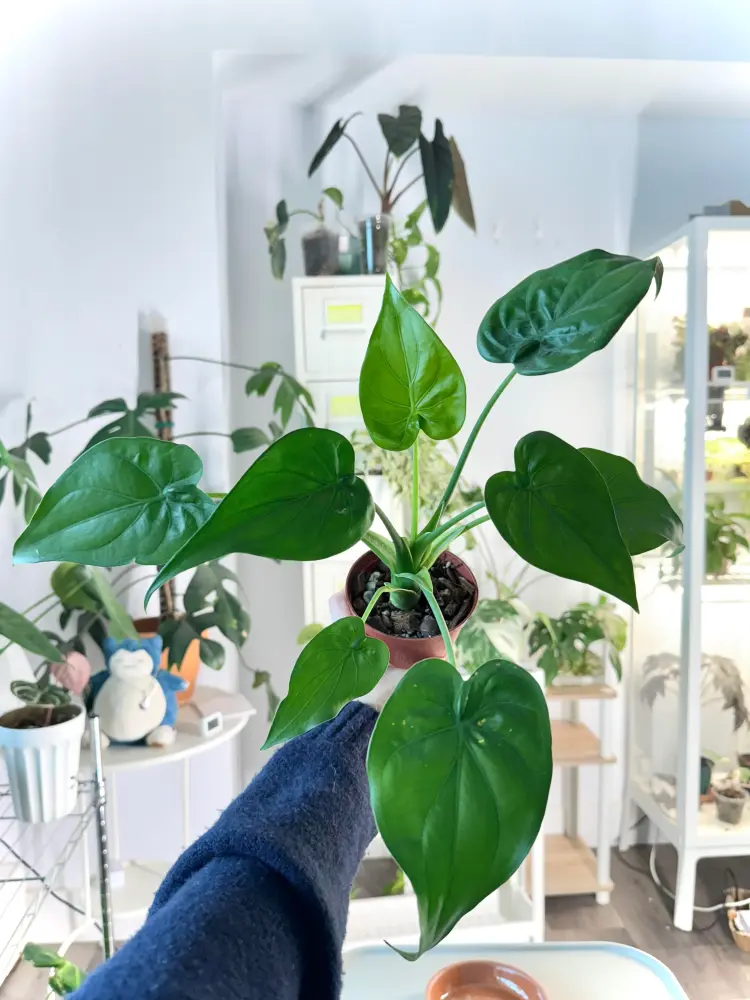
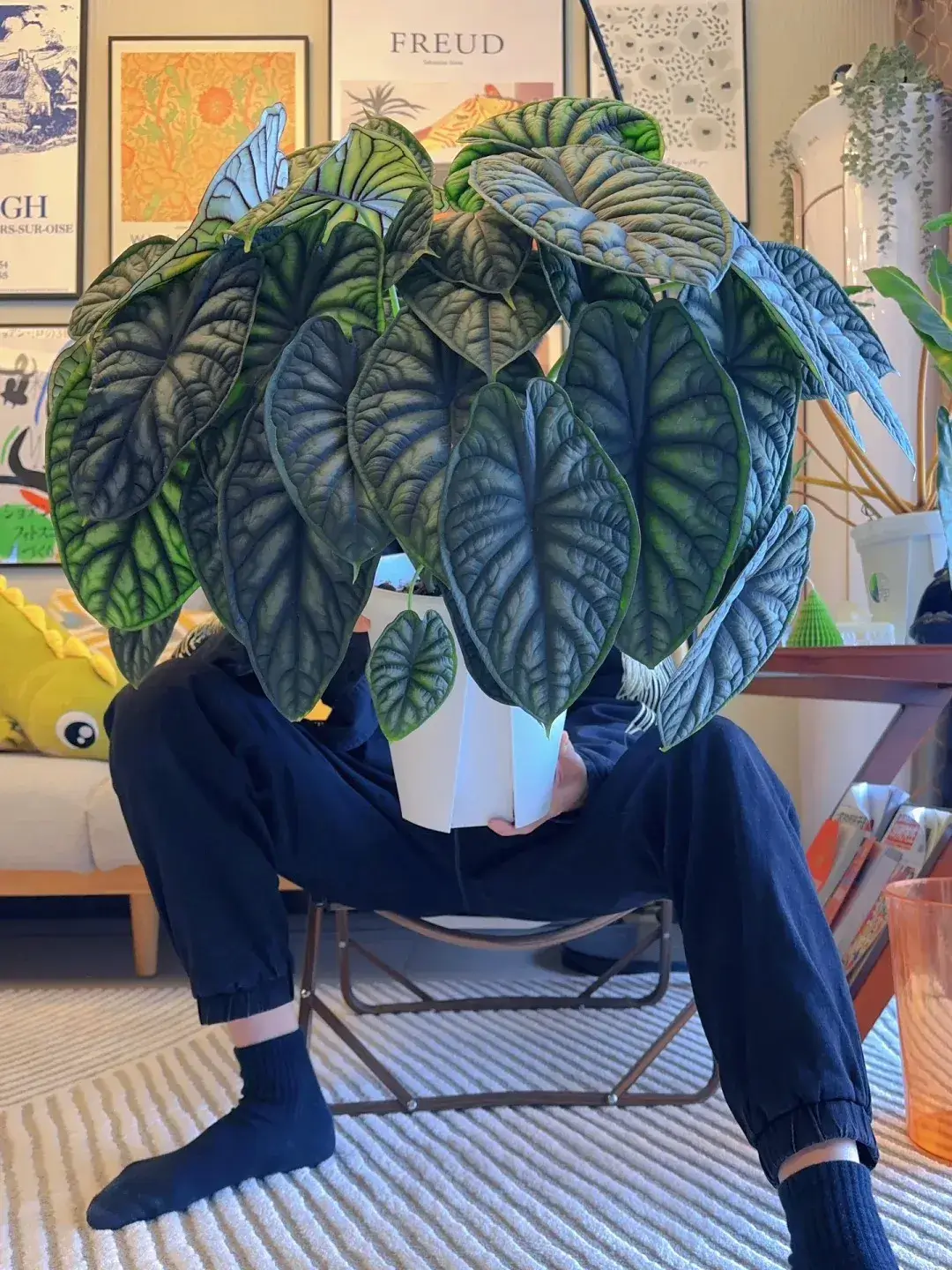
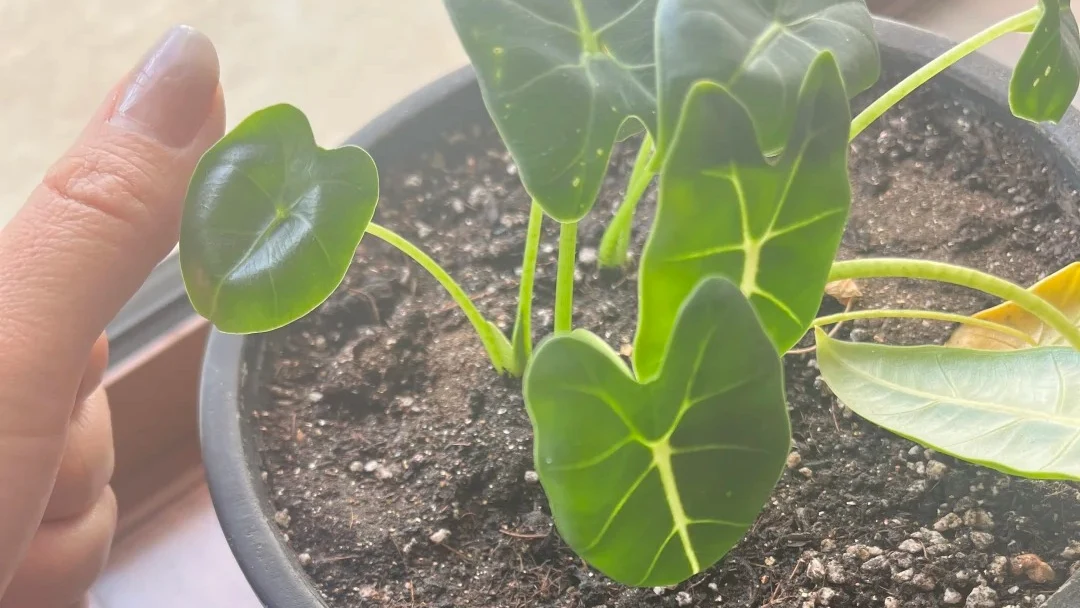
Alocasia cucullata has the classic elephant ear look, but in a much more manageable form. It grows upright, with glossy green, heart-shaped leaves held on firm stems. The plant does not usually stay as a single bare stem for long either. As it settles in, it can produce offsets around the base, slowly becoming fuller and more rounded in the pot. If you are not sure when to separate pups, my Alocasia propagation guide explains the basic approach.
A Smaller, Clumping Alocasia
This is one reason I find it easier to use indoors than the giant elephant ear types. It still gives that tropical, leafy feeling, but it does not demand a huge corner of the room right away. In a normal home, it feels more like a calm foliage plant than a dramatic specimen plant that constantly outgrows its space.
Why People Confuse It With Larger Elephant Ears
The confusion makes sense. Alocasia cucullata belongs to the same broad group of plants people often call elephant ears, and the leaf shape does look similar at first glance. But compared with the truly large Alocasia and Colocasia types, it stays much more compact in a pot.
That difference matters. If you like the elephant ear look but do not have space for a huge plant, Alocasia cucullata is one of the more realistic Alocasias to grow indoors.
The Plant I Rescued Was in Bad Shape
I trust Alocasia cucullata partly because mine had to prove itself from a very rough start. It was not just a slightly tired plant. It had already gone through enough stress that I was not sure whether the base and roots still had the strength to recover.
What It Looked Like When I Picked It Up
When I found it, the leaves were almost completely yellow, and the base looked dark. It did not look like a simple “one old leaf is fading” situation. The whole plant looked exhausted, as if it had gone through a mix of summer heat, severe underwatering, and general neglect.
My guess was that the plant had dried out too far during hot weather, then started declining from root stress. With Alocasias, that combination can be tricky. A plant can look thirsty on top while the root system underneath is already weak or damaged.
What I Did First
I did not repot it immediately. That was important. When a plant is already stressed, pulling apart the roots too soon can sometimes make things worse.
Instead, I moved it to a shaded, airy spot where it would not get more heat or direct sun. Then I rehydrated the root zone, used a mild fungicide treatment as a precaution, and left it alone for a while. At that stage, my goal was not to force new growth. I just wanted to stop the decline and give the plant a chance to stabilize.
What Happened Next
To my surprise, it did not collapse. After a few days, the plant started to look less defeated. The base stayed firm enough, and the plant seemed to be stabilizing instead of continuing to decline.
Only after I saw those recovery signs did I repot it. From there, it gradually settled in and began growing with much more energy. Over time, that sad yellow rescue plant turned into a full, healthy Alocasia cucullata with fresh green leaves and a much stronger presence in the pot.
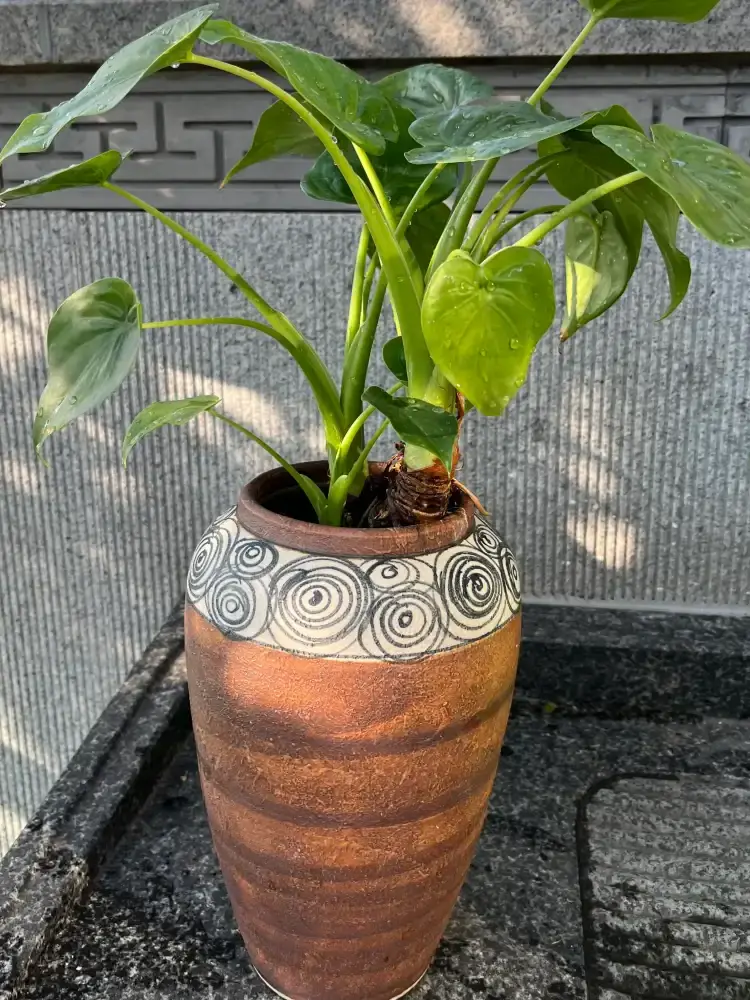
That recovery is the main reason I do not see this plant as delicate. It still needs warmth, airflow, and careful watering, but it has more resilience than its soft leaves might suggest.
Why I Think Alocasia Cucullata Is More Forgiving Than Many People Expect
After growing it from such a poor starting point, I would not call Alocasia cucullata a fragile plant. It can definitely suffer from heat, dryness, cold, or bad watering, but it does not always give up as quickly as some more sensitive Alocasias.
It Bounces Back Better Than Some Fussier Alocasias
One thing I learned from this plant is that a setback is not always the end. Yellow leaves, tired stems, and an ugly recovery phase can look dramatic, but they do not automatically mean the plant is dead.
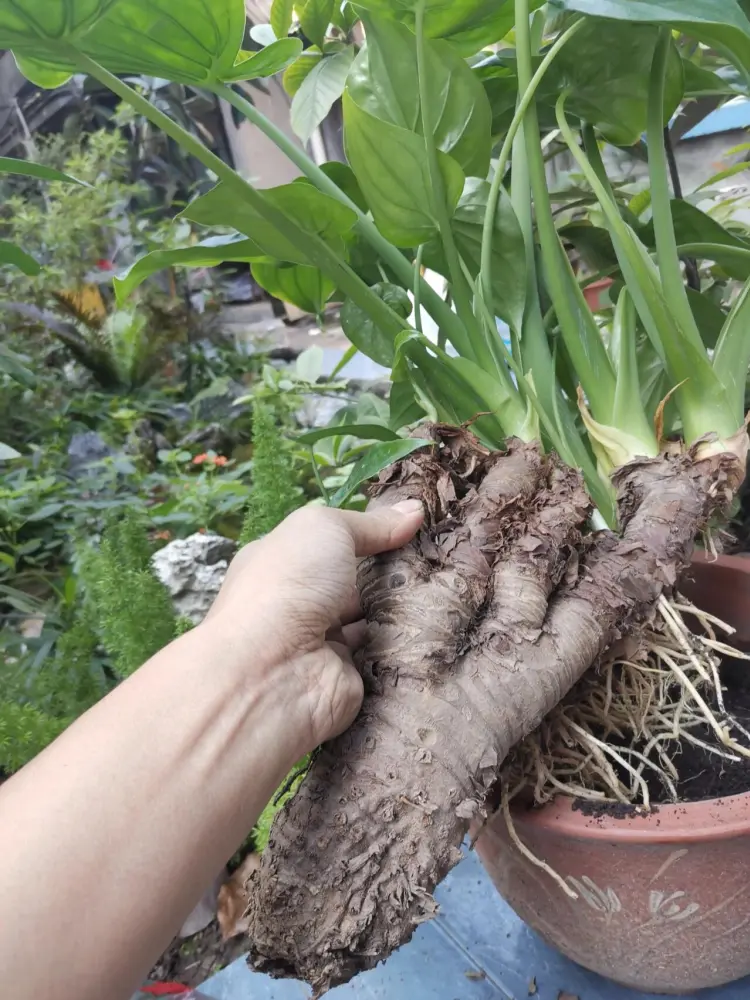
With Alocasia cucullata, the real question is whether the base, growing point, and roots still have enough life left. If the base is still firm and the plant has not completely rotted, it may be able to recover once the stress stops. It may lose old leaves first, but that does not mean new growth is impossible.
The Real Risk Is Not “Being Difficult” but Staying Too Wet After Stress
For me, the biggest danger is not that Alocasia cucullata is unusually difficult. The bigger danger is how we react when it looks weak. After heat damage or severe thirst, it is tempting to keep watering again and again because the plant still looks sad. But if the roots are already stressed, constant soggy soil can finish the plant off.
Recovery depends more on warm conditions, gentle airflow, and root stability than on doing too much. Once the plant has been rehydrated, I prefer to give it time, avoid harsh sun, and let the root zone breathe. That slower approach is often what gives the plant a real chance to come back.
How I Care for Alocasia Cucullata Indoors Now
After rescuing mine, I care for Alocasia cucullata with one main rule in mind: keep it warm, bright, and steady, but do not fuss over it every day. This plant likes consistency more than dramatic care tricks.
Light
I keep mine in bright indirect light. It grows best when the room is bright enough for steady new leaves, but the leaves are not sitting in harsh afternoon sun.
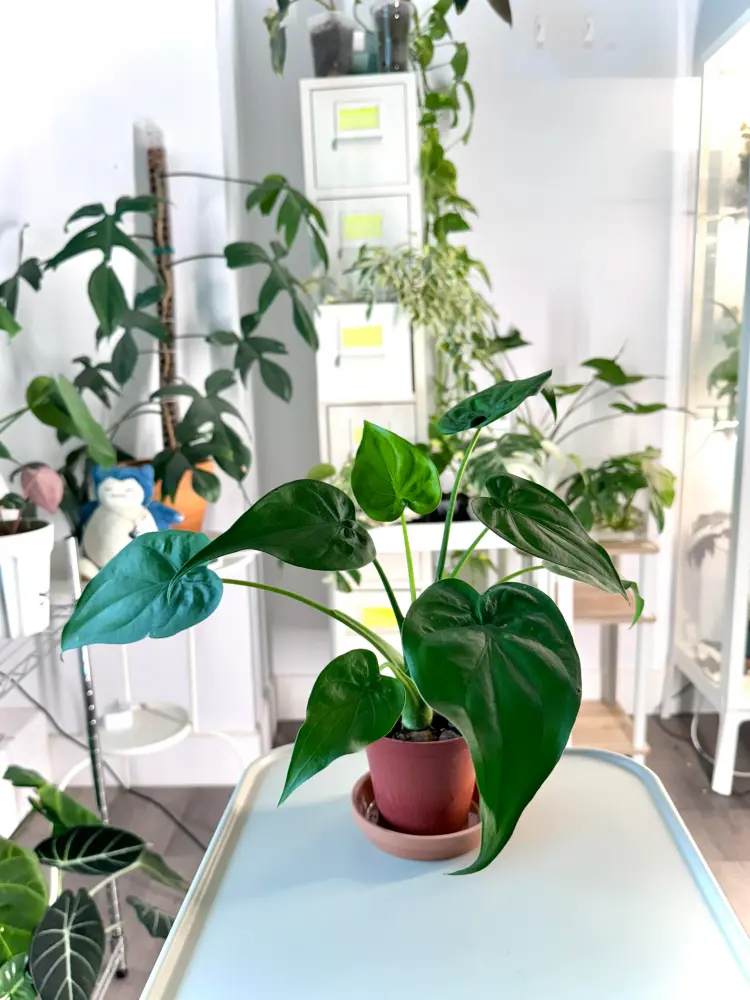
Some gentle morning light is usually fine, especially if the plant has already adjusted to the spot. Strong direct sun, however, can scorch the leaves or make a stressed plant decline even faster. If the leaves look pale, washed out, or crispy around the edges, I would check the light before blaming fertilizer or humidity.
Watering
I do not keep the mix wet all the time. During active growth, I water thoroughly, let the extra water drain out, and then wait until the top layer of the mix has dried slightly before watering again.
This is especially important after stress. A weak Alocasia cucullata may look thirsty, but that does not mean it wants constantly wet soil. In cooler months, when growth slows down, I follow a slower Alocasia watering rhythm and pay more attention to how quickly the pot is actually drying.
Soil and Pot
I prefer an airy, fast-draining mix rather than a heavy soil that stays wet for too long. A chunky aroid-style mix works well because it holds some moisture but still lets air reach the roots.
The pot also needs drainage holes. For this plant, I would rather correct slight dryness than deal with root rot from a heavy, soggy pot. Alocasia cucullata can recover from being a little too dry much more easily than it can recover from sitting wet for too long.
Temperature and Humidity
Warmth matters more than many people realize. When the room is warm and stable, Alocasia cucullata grows with much more confidence. When it sits in a cold draft or near a chilly window, growth can slow down quickly, even if the soil and humidity seem fine.
Humidity does help, especially in dry indoor air, but I do not rely on constant misting as the main solution. Warm roots, steady watering, and decent airflow matter more. If the plant is cold or the pot is staying wet too long, spraying the leaves will not fix the real problem.
Feeding
During active growth, I feed lightly with a diluted balanced liquid fertilizer. I do not push it hard. A steady, mild feeding routine is enough when the plant is already producing new leaves.
If growth is stalled, the plant has just been repotted, or the roots seem weak, I skip heavy feeding. Fertilizer is useful when the plant is ready to grow, but it is not a rescue treatment for a stressed Alocasia cucullata.
What New Growers Often Get Wrong
Alocasia cucullata is not hard in a mysterious way, but it is easy to misread. Most problems come from reacting too quickly to what the leaves are doing, instead of checking the whole growing situation.
Treating Every Yellow Leaf Like a Disaster
One yellow leaf does not always mean the plant is dying. Like other Alocasias, Alocasia cucullata can drop older or damaged leaves, especially after stress, repotting, seasonal change, or a period of uneven watering.
What matters more is the pattern. If one older leaf yellows while the base stays firm and new growth is still possible, I do not panic. But if several leaves yellow quickly, the soil stays wet, and the base feels soft, that is a different situation.
Watering More Just Because It Looks Weak
A weak-looking plant is not always a dry plant. This is one of the easiest mistakes to make with Alocasia cucullata. Drooping, yellowing, or tired leaves can happen after underwatering, but they can also happen when the roots are already stressed.
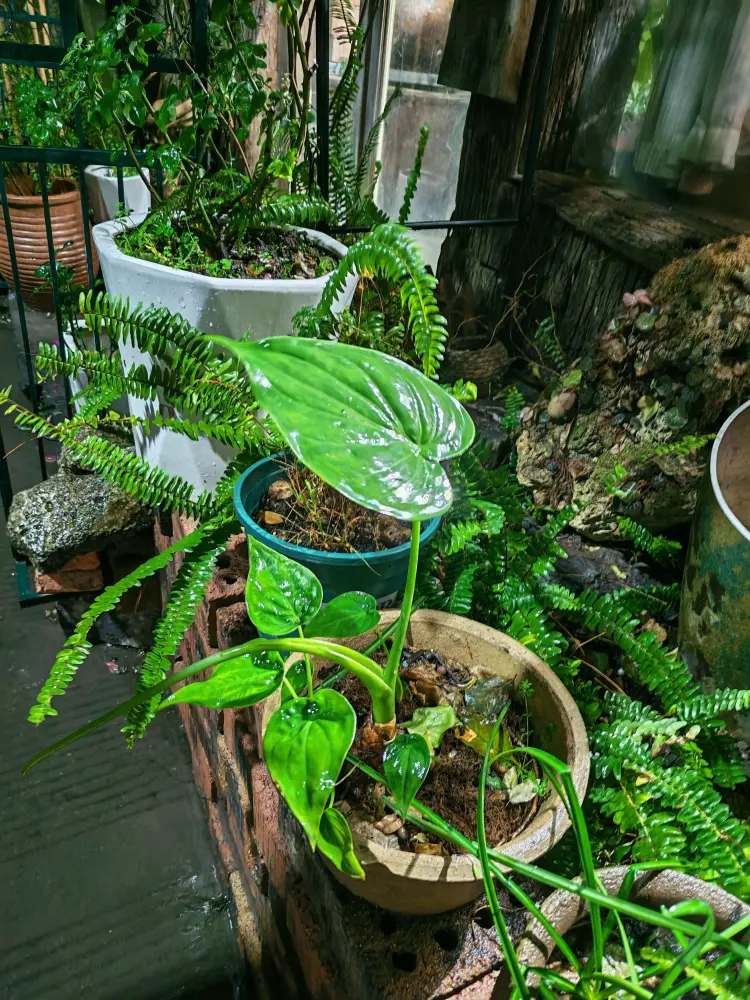
That is why I always check the pot before watering again. If the mix is still wet deeper down, adding more water will not help. It may make the root zone heavier, colder, and more likely to rot.
Keeping It Too Dark After Recovery
Shade is useful during rescue. When my plant was first recovering, I kept it away from direct sun because damaged leaves and weak roots do not need extra heat stress.
But that does not mean Alocasia cucullata should live in a dark corner forever. Once it stabilizes, it needs bright indirect light to grow well. In weak light, it may survive, but the plant often becomes slower, thinner, and less full over time.
Using Misting as the Main Humidity Strategy
Misting can make us feel like we are helping, but it is not the biggest lever for this plant. A quick spray does not create stable humidity for very long, and wet leaves in still air can sometimes create other problems.
For indoor care, I would focus first on a warm room, bright filtered light, an airy potting mix, and a watering rhythm that matches the season. Those things do far more for Alocasia cucullata than misting the leaves every few days.
Is Alocasia Cucullata a Good Beginner Alocasia?
Yes, I think Alocasia cucullata is one of the more approachable Alocasias for indoor growers. Not because it is impossible to damage, but because it feels more forgiving than many collector Alocasias.
It still needs warmth, bright indirect light, and careful watering. But if you want an Alocasia with a calm green look, a manageable size, and decent recovery potential, this is a good one to start with.
Keep It Away From Pets and Kids
Even though Alocasia cucullata looks soft and peaceful, all parts of the plant should be treated as toxic to pets and kids. Like other Alocasias, it contains irritating calcium oxalate crystals.
The sap can irritate skin, and chewing the leaves or stems can cause mouth pain, swelling, drooling, and stomach discomfort. I would not place this plant where pets or young children can easily reach it.
My Final Take
Alocasia cucullata did not win me over because it looked rare or exotic. It won me over because it recovered when I thought it was already gone.
That made me trust it more. It still has the tropical look people love in elephant ear plants, but it feels calmer, smaller, and more livable indoors. If you want an Alocasia that looks lush without feeling as fragile as some trendier types, this is a genuinely good one to grow.
FAQ
Love discovering new Alocasias?
Explore more velvet, variegated, and large-leaf varieties in our Alocasia Varieties Hub.
Go to Varieties Hub →