
Alocasia Varieties: Indoor Types, Photos, and Care Notes From My Collection
Alocasia varieties can look very different from one another, but indoors I do not choose them by appearance alone. Some types stay compact and slow, some grow into large elephant-ear plants, and some look beautiful but react quickly to weak light, cold rooms, or wet soil. This page groups the Alocasia guides on my site by growing style, leaf texture, size, and difficulty, so you can find the type that actually fits your home.
Quick Navigation
Explore by Series
Discover Alocasia’s diverse families—from miniature jewels to giant landscape types and rare variegated forms.
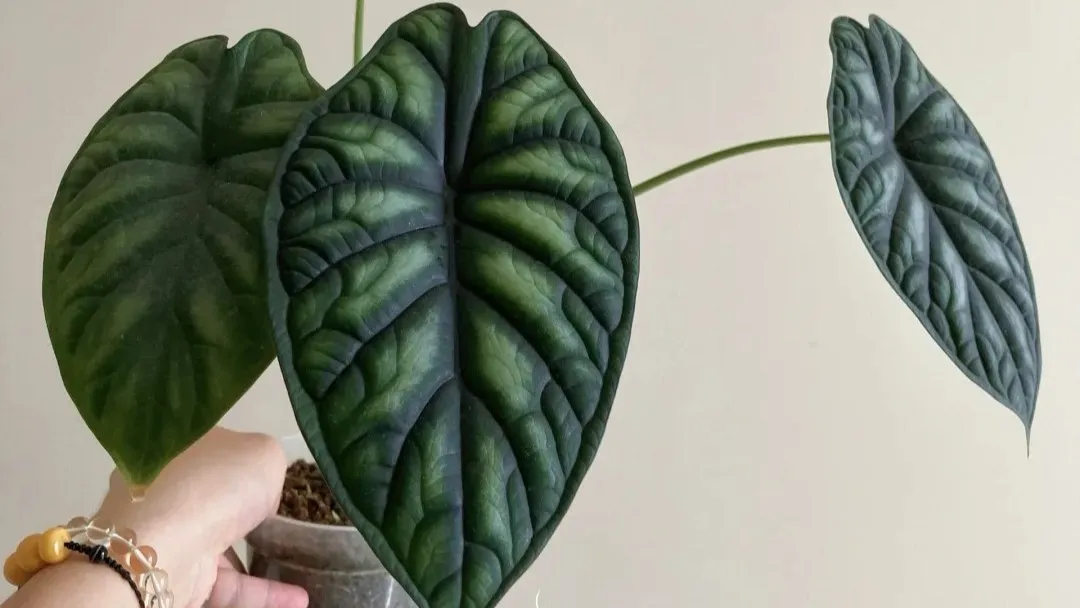
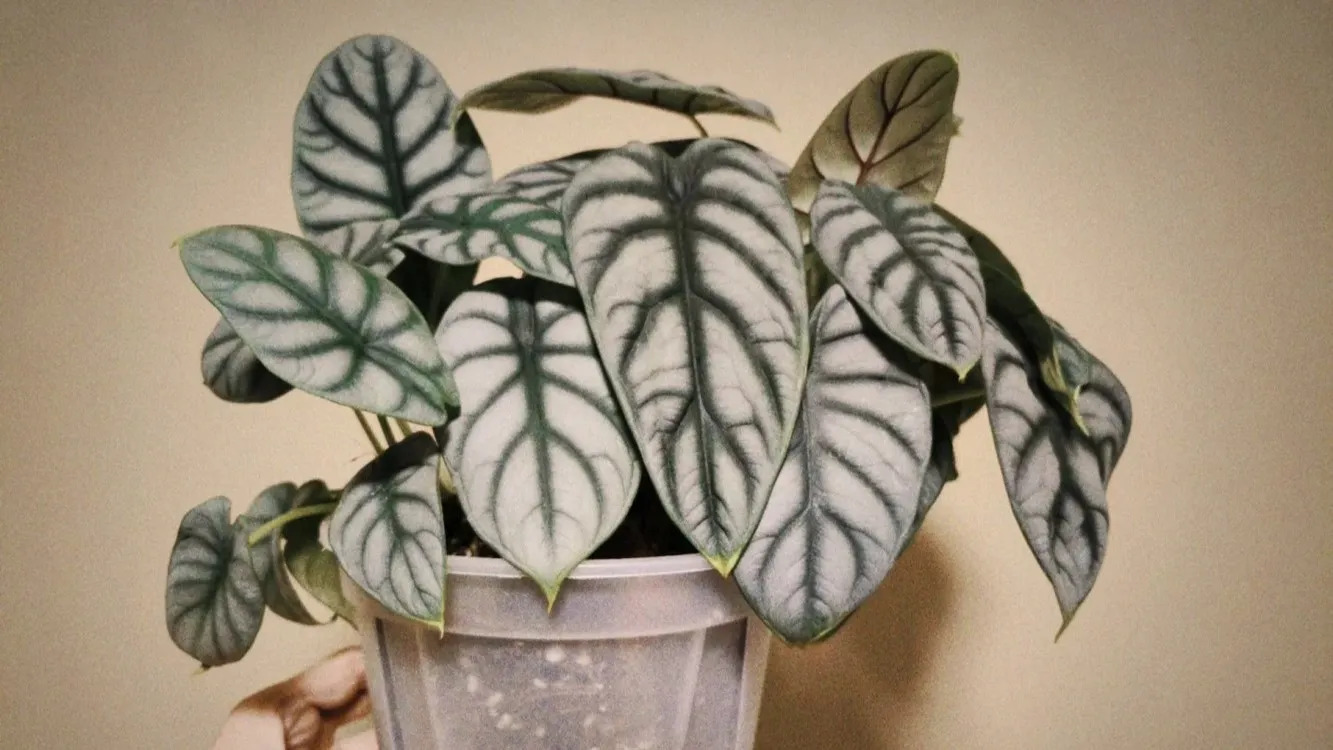
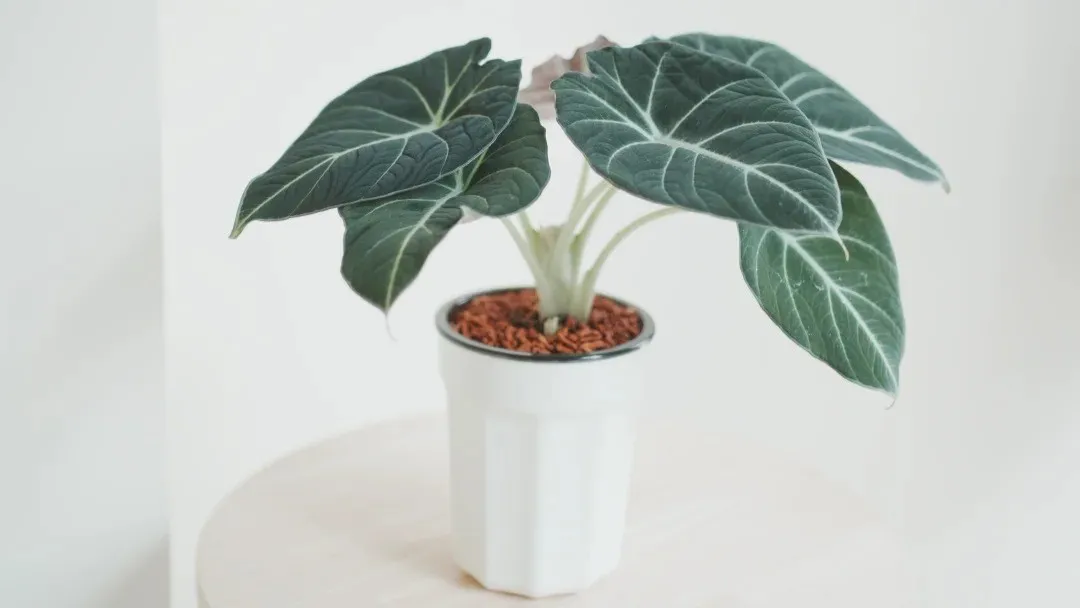
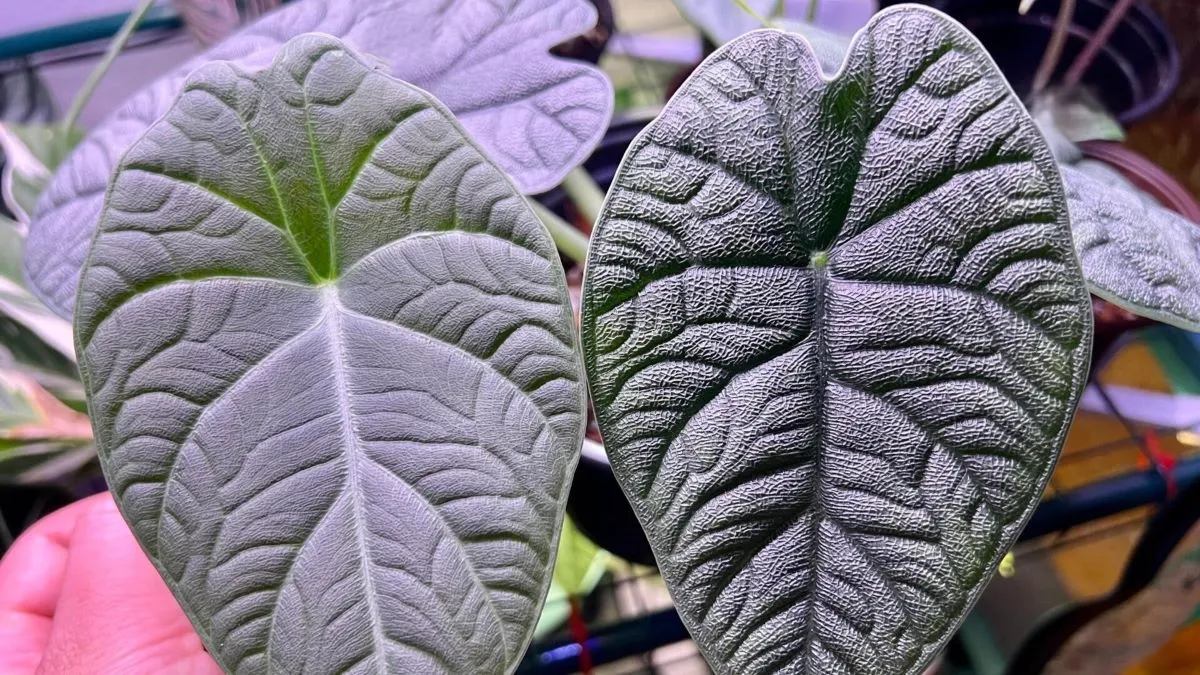
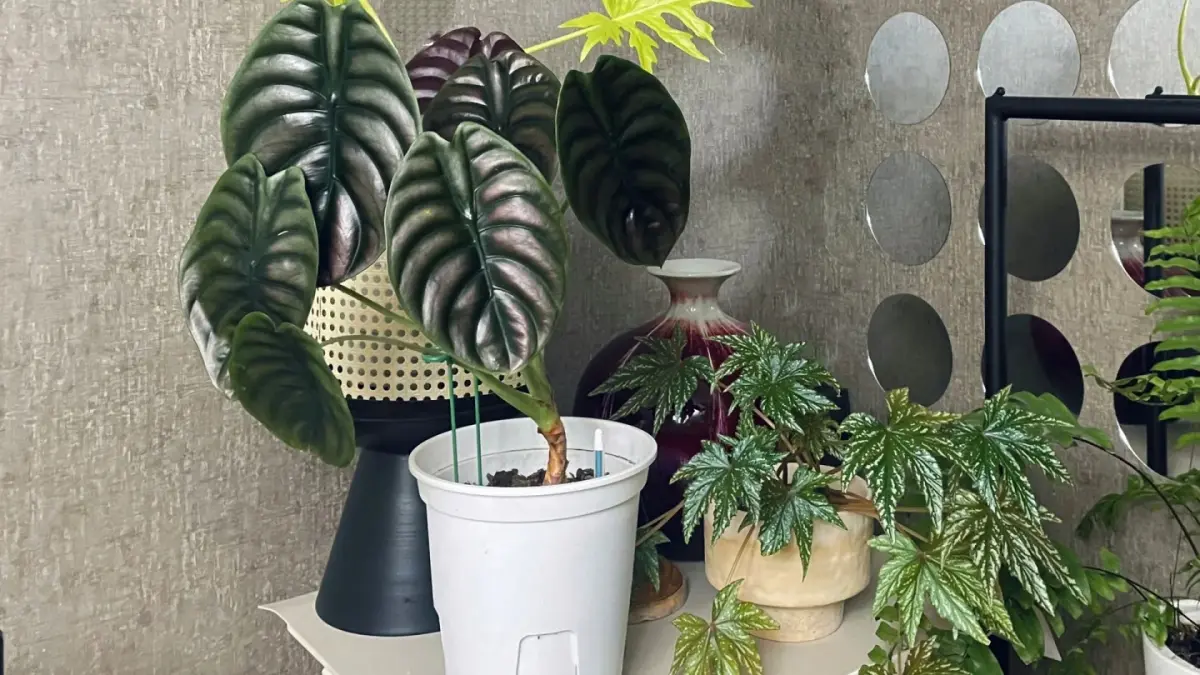
Jewel Alocasias
Compact, velvety Alocasia prized for their metallic sheen and richly textured leaves—perfect for indoor collectors.
→ Explore Jewel Alocasias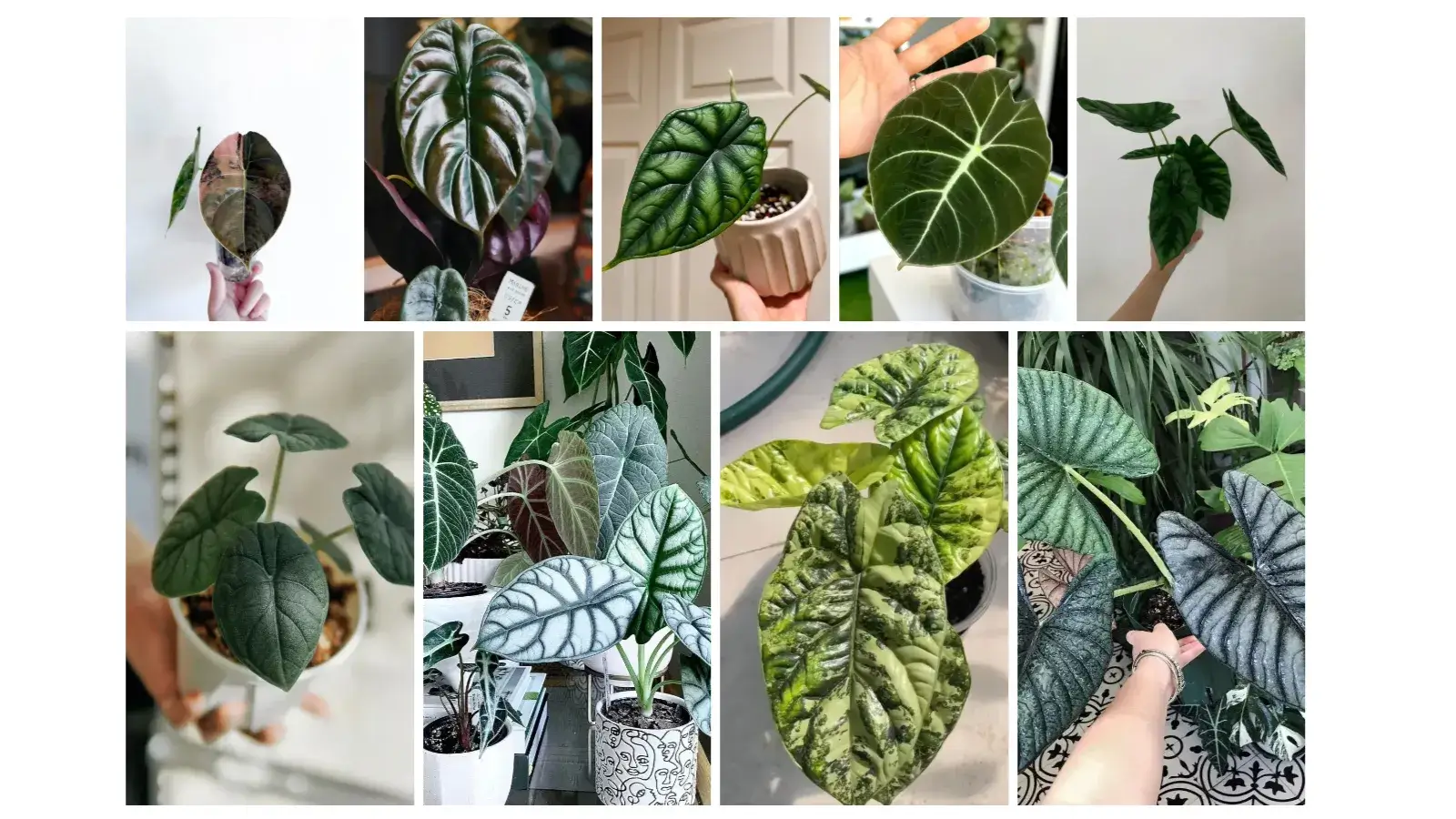
Elephant Ear & Landscape Types
Towering Alocasias with bold, shield-shaped leaves—ideal for patios, shaded corners, or tropical garden beds.
→ Explore Elephant Ear Types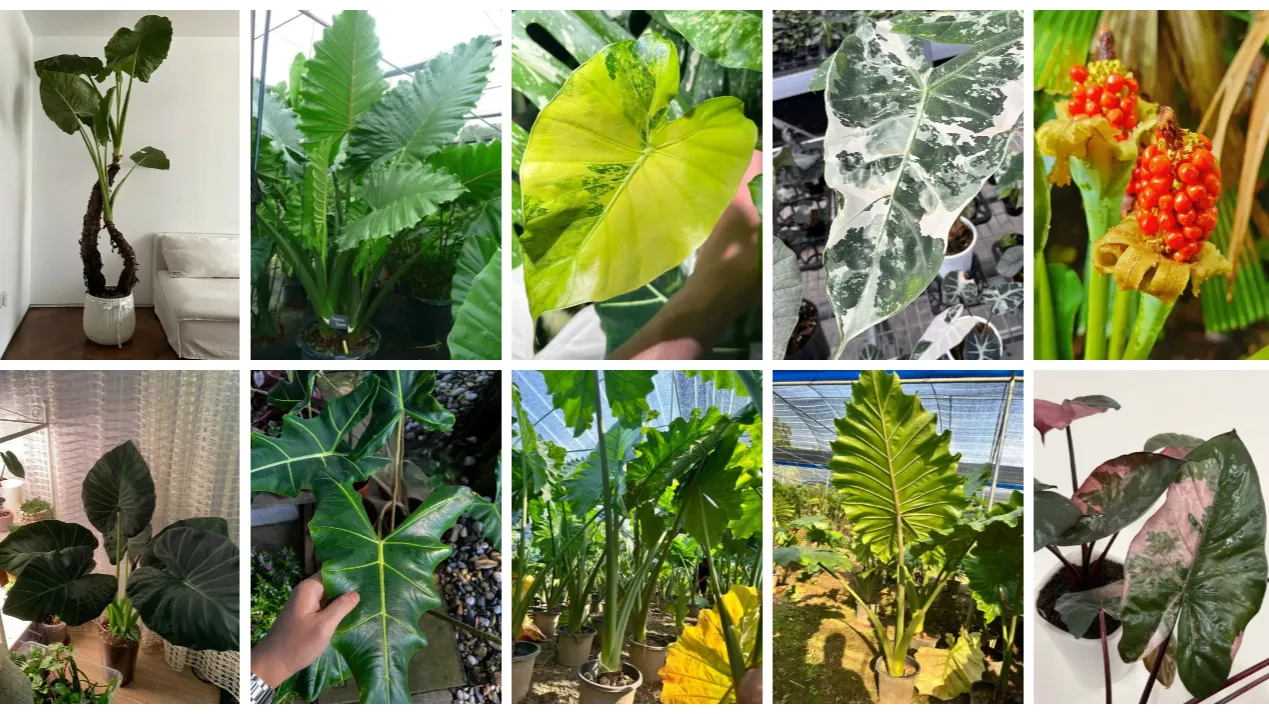
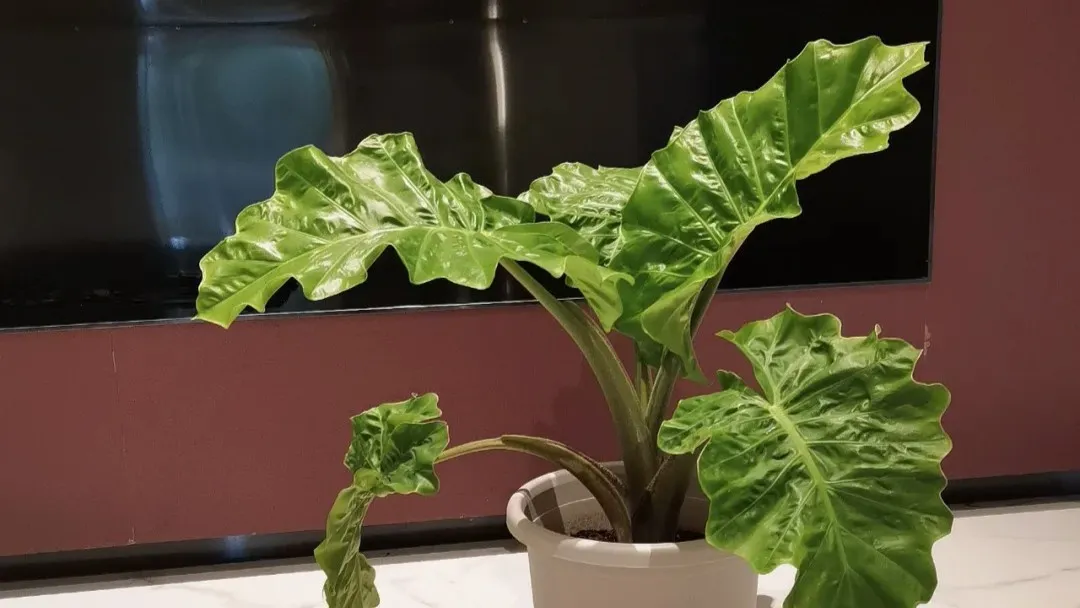
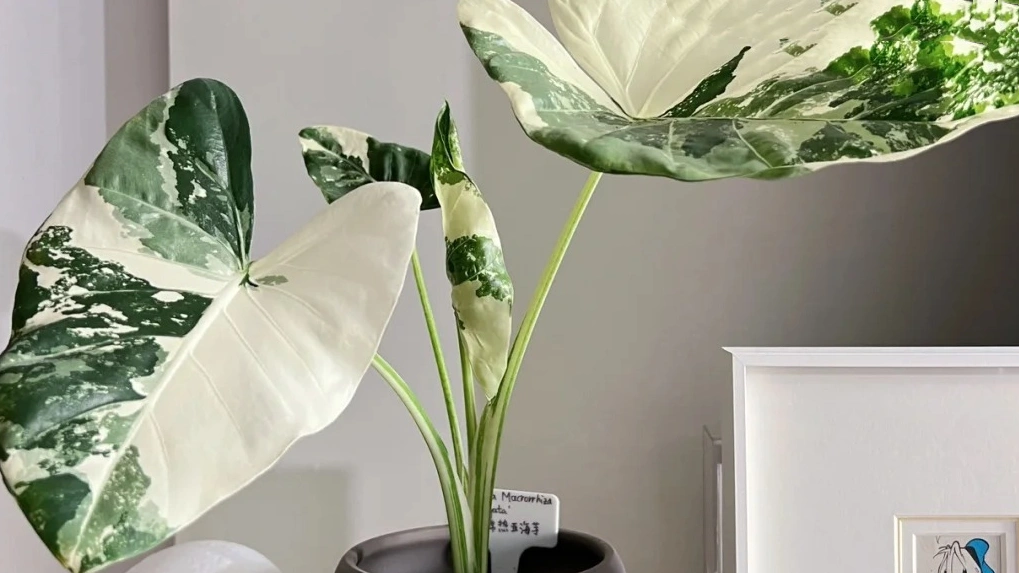
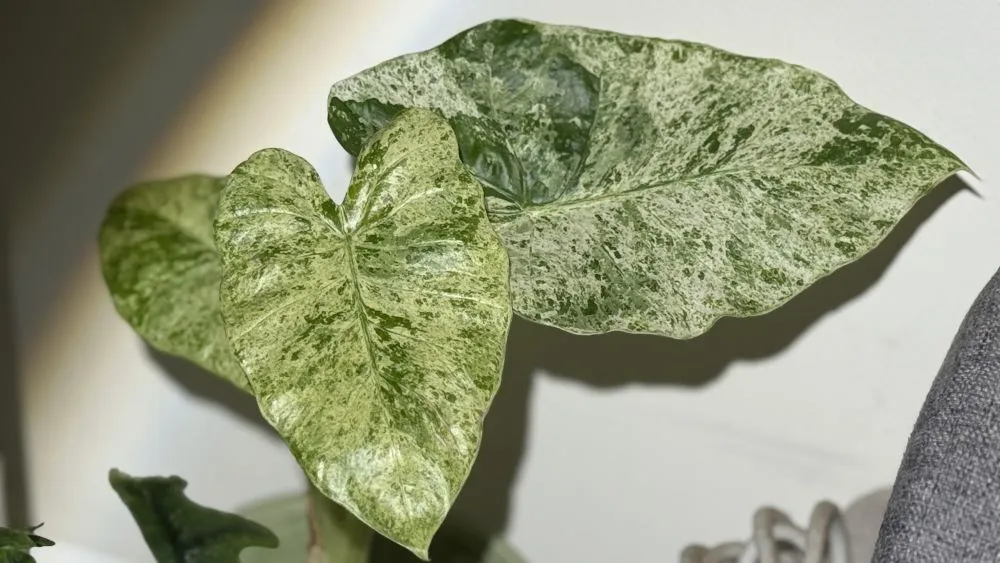
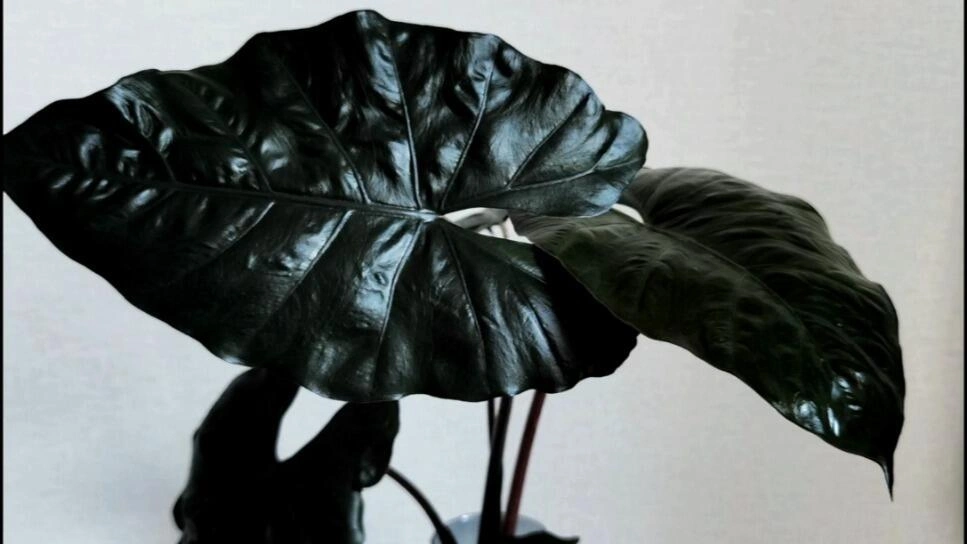
Featured Alocasia Guides
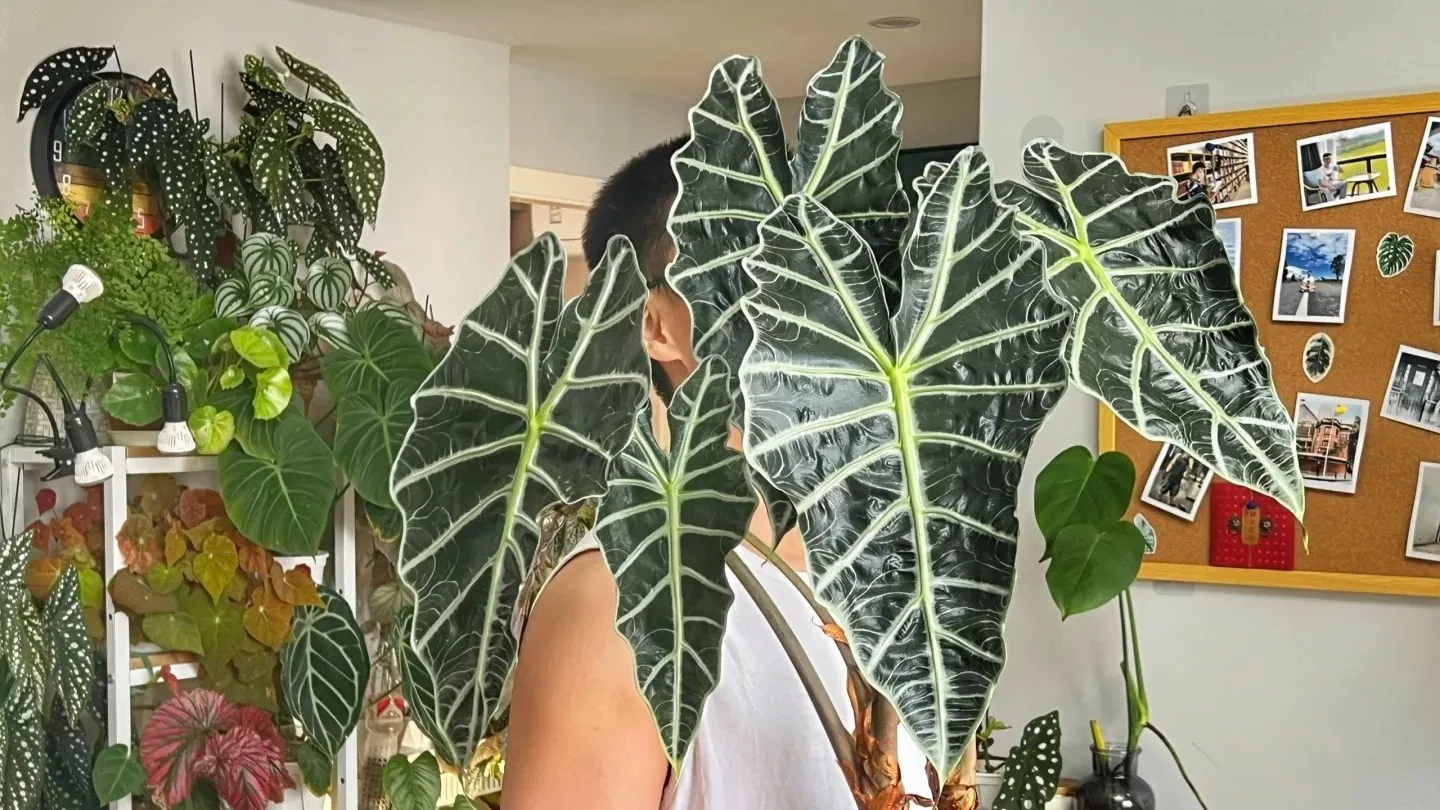
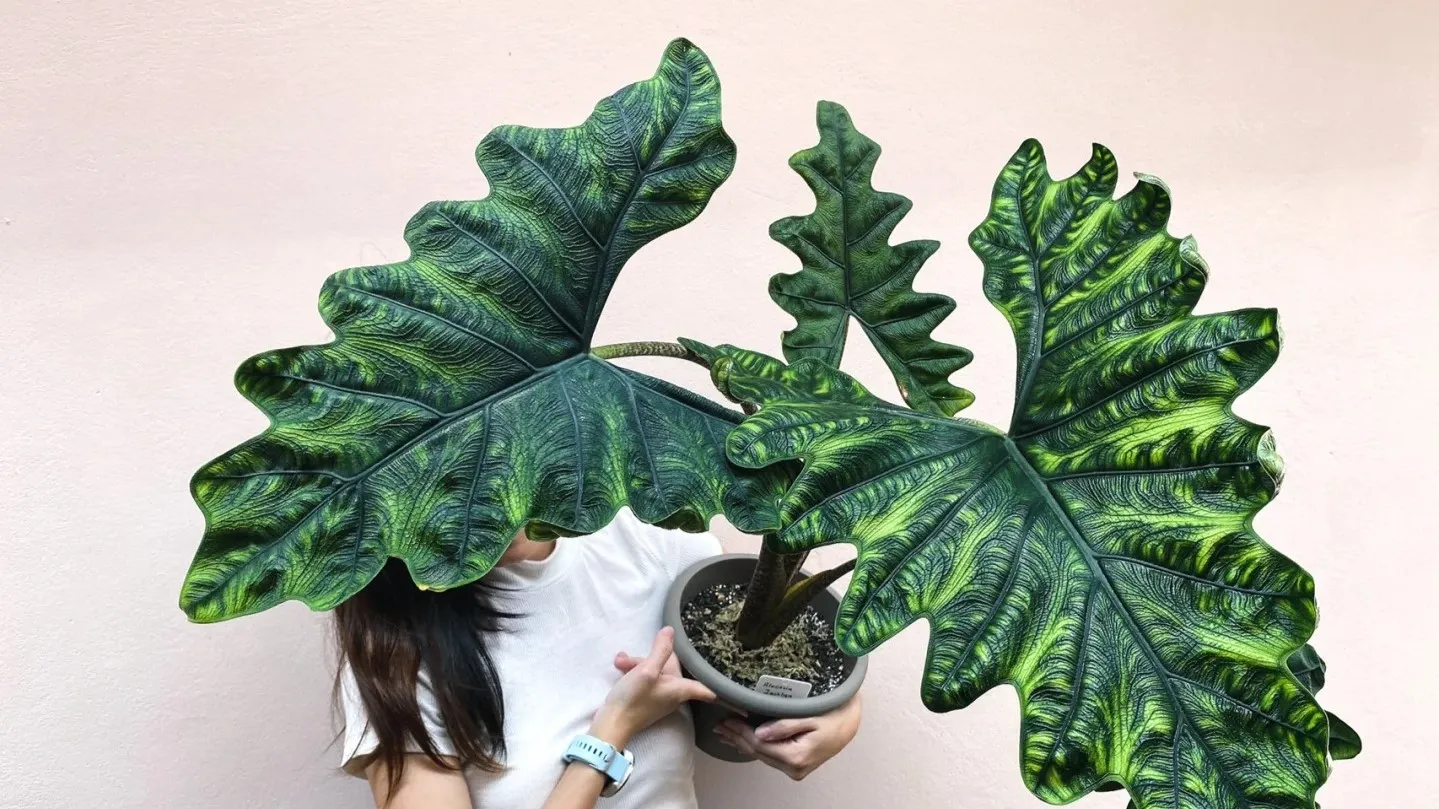

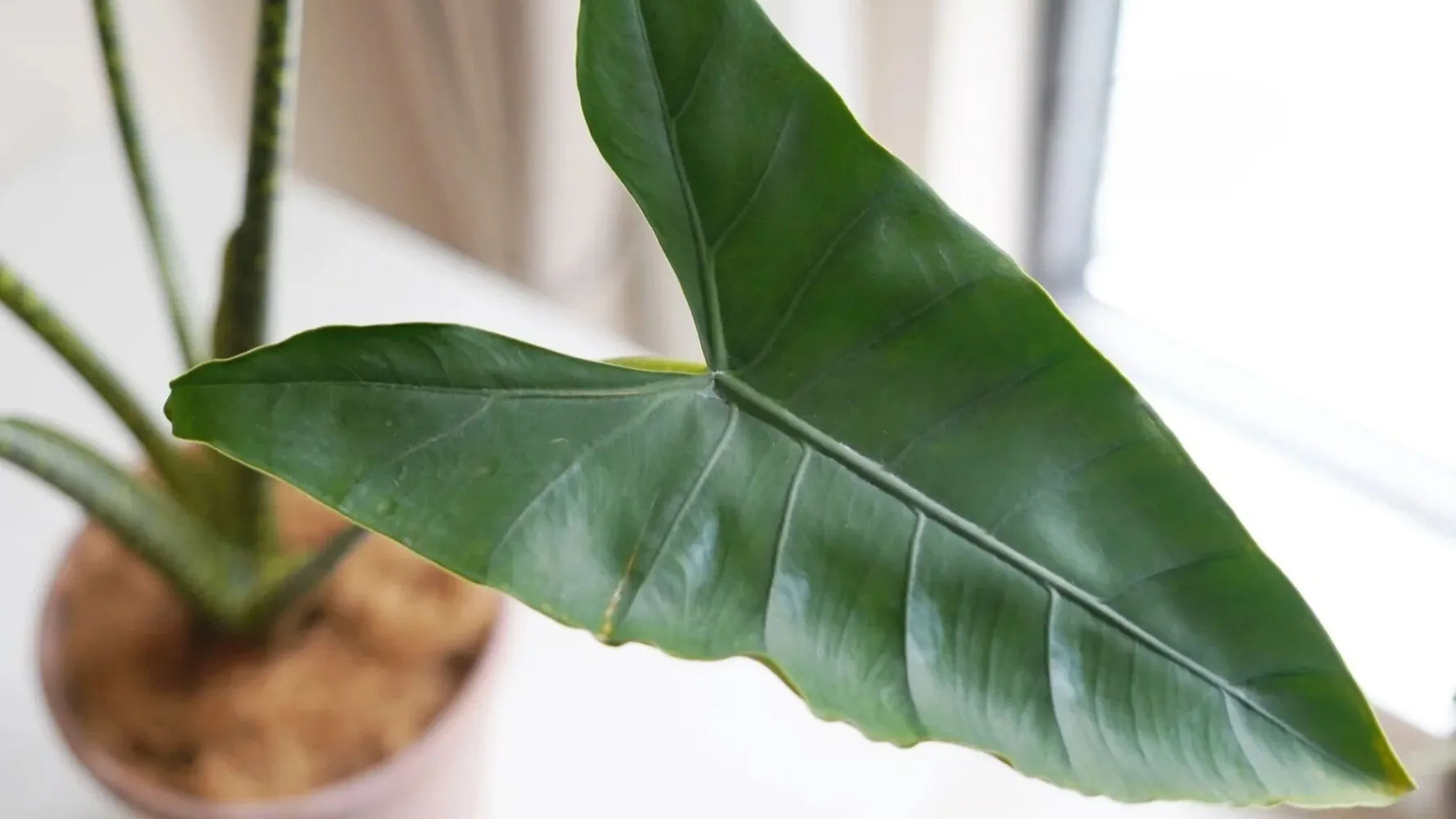
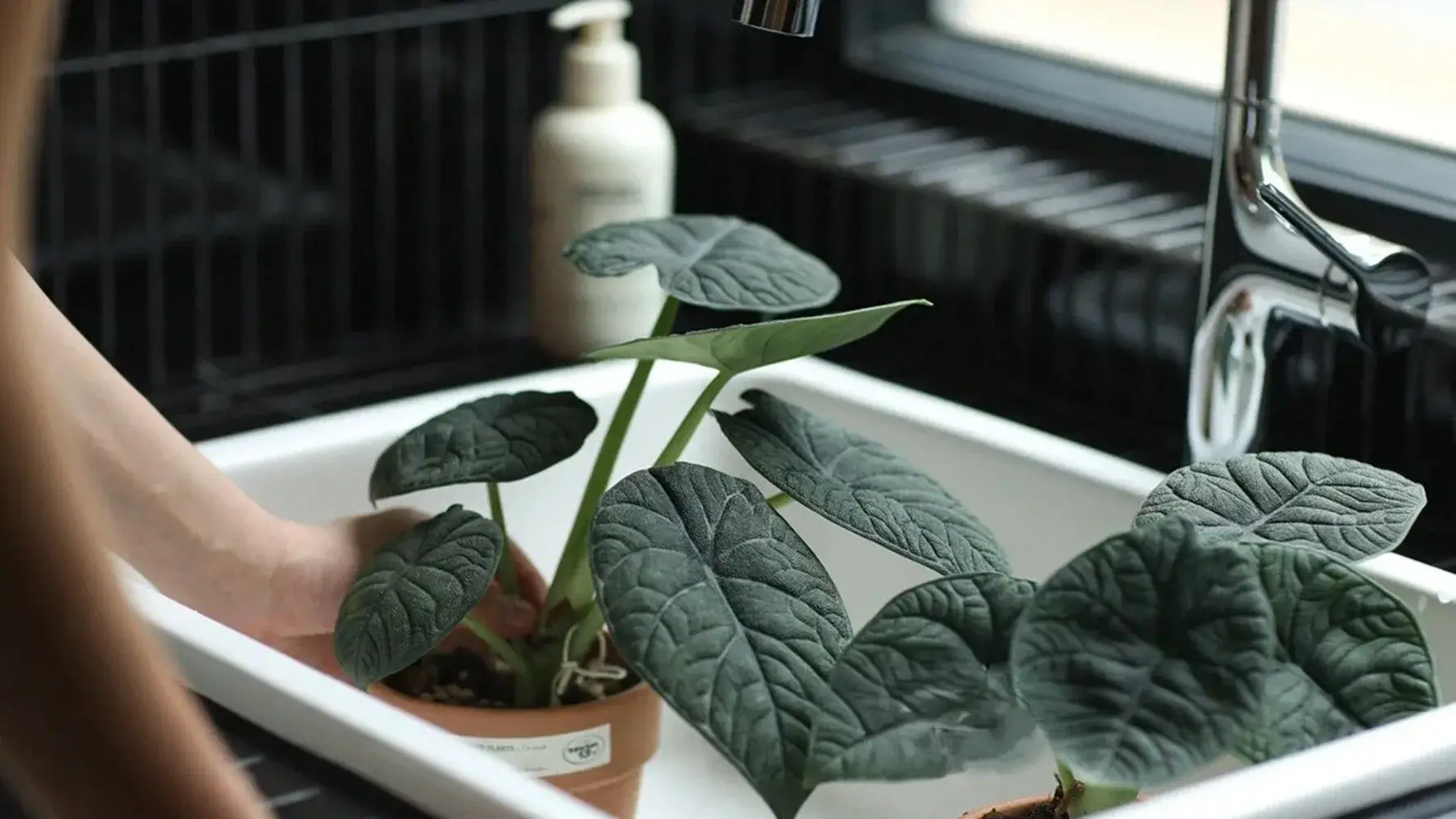
More Alocasia Growing Notes From My Collection
These guides are based on individual plants I grew indoors, including recovery stories, spider mite issues, winter stalls, root problems, and varieties that surprised me in real home conditions.

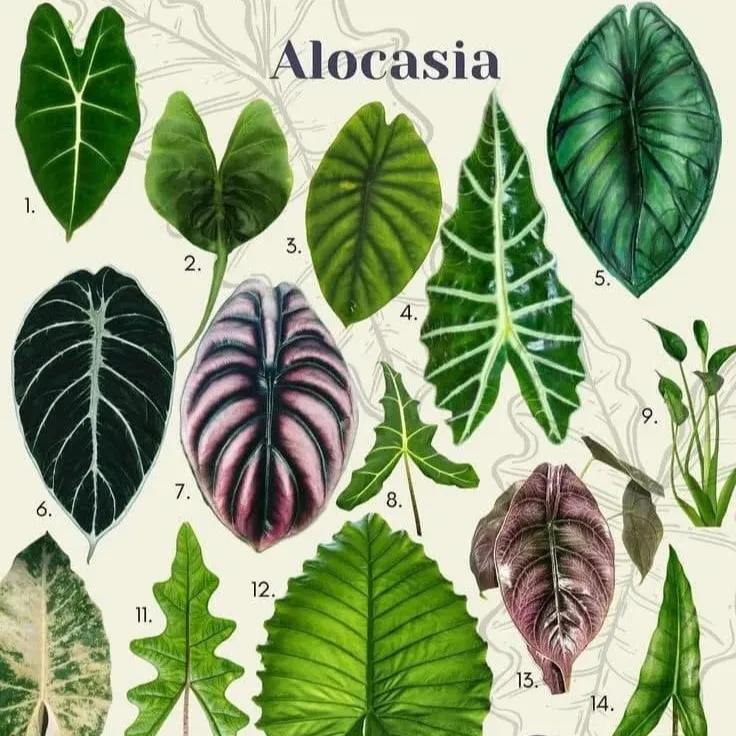
Popular Alocasia Types at a Glance
| Variety | Quick ID | Growth Style | Best For |
|---|---|---|---|
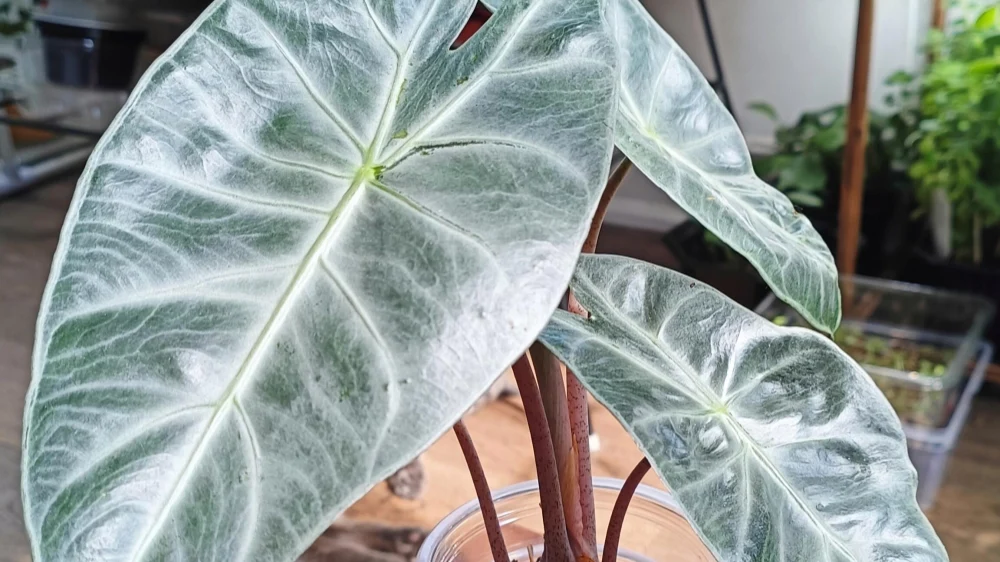
| Black Velvet | Dark velvety leaves with bright silver veins | Compact jewel type | Small indoor spaces |
| Polly | Glossy arrow-shaped leaves with bold contrast | Upright compact grower | Beginners who want a classic look |
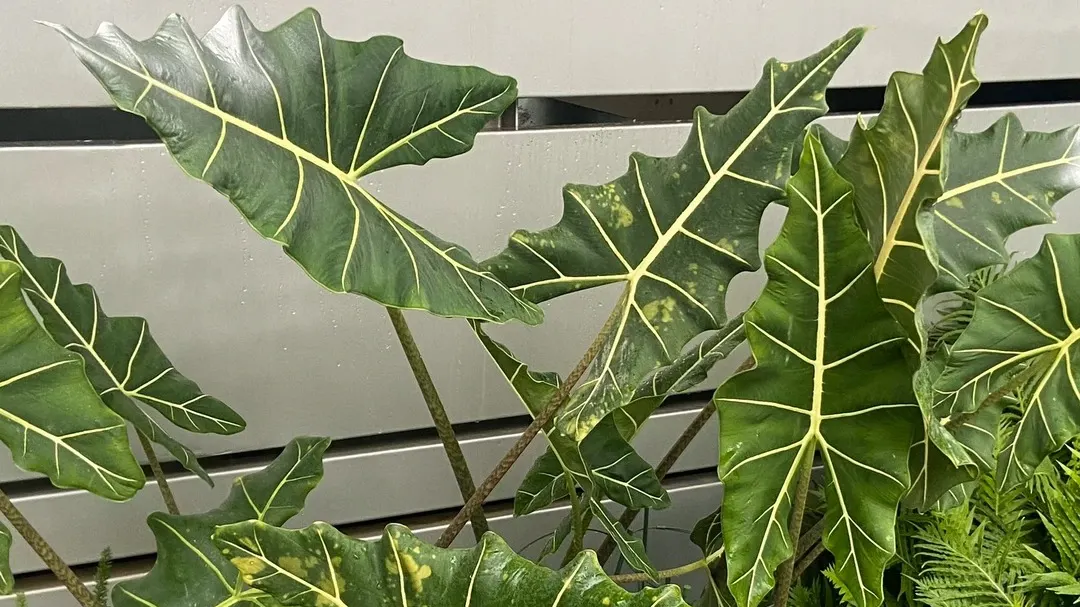
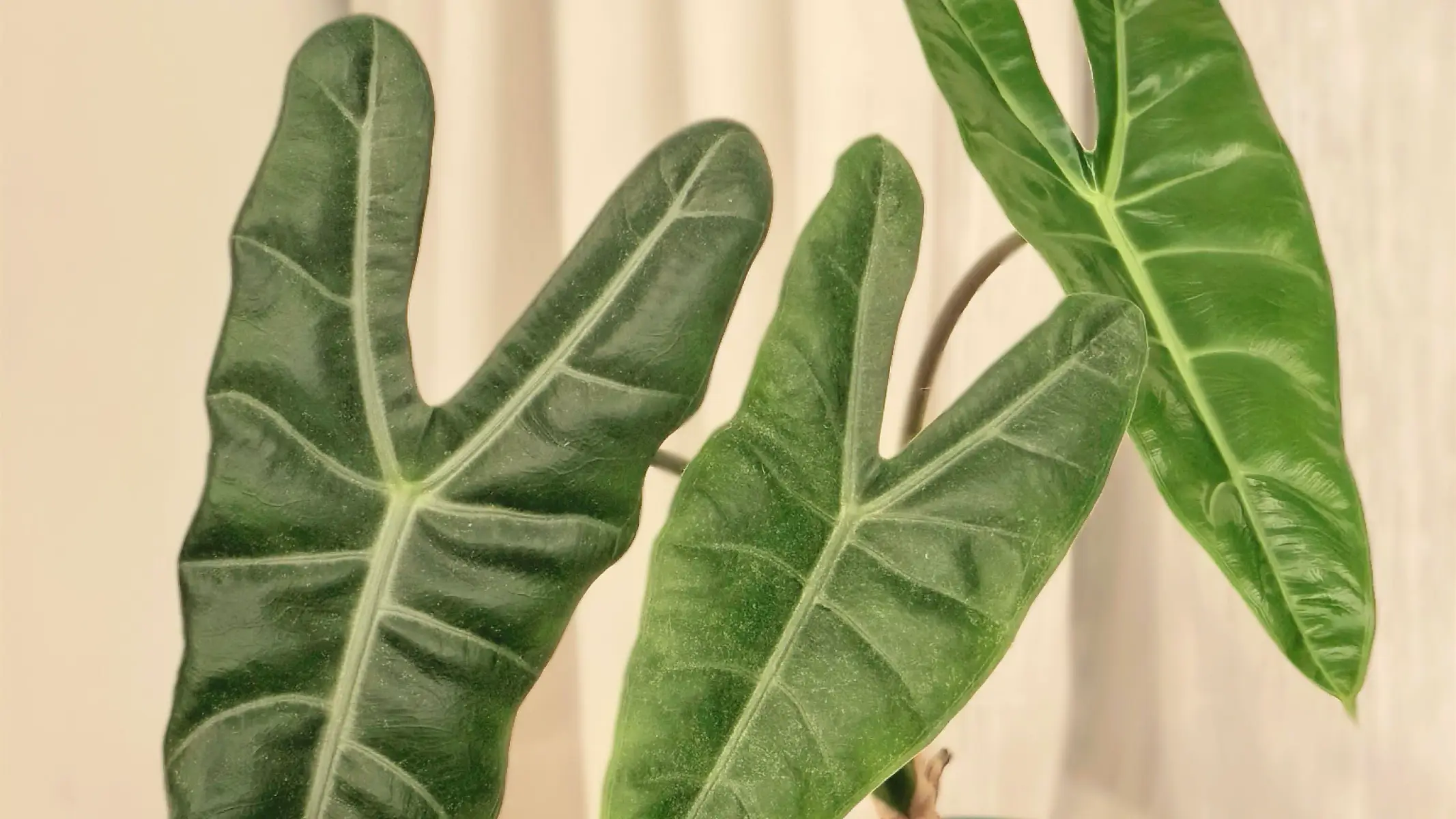
| Frydek | Velvety green leaves with crisp white veins | Upright medium grower | People who love velvety foliage |
| Dragon Scale | Thick textured leaves with a scale-like surface | Slow compact jewel type | Collector-style texture |
| Silver Dragon | Smaller, more silver-toned version of Dragon Scale | Compact jewel type | Subtle metallic foliage |
| Jacklyn | Deeply lobed leaves with dramatic veining | Upright collector type | Unusual leaf shape lovers |
| Zebrina | Plain green leaves with striped zebra-like stems | Taller upright grower | Decorative stems |
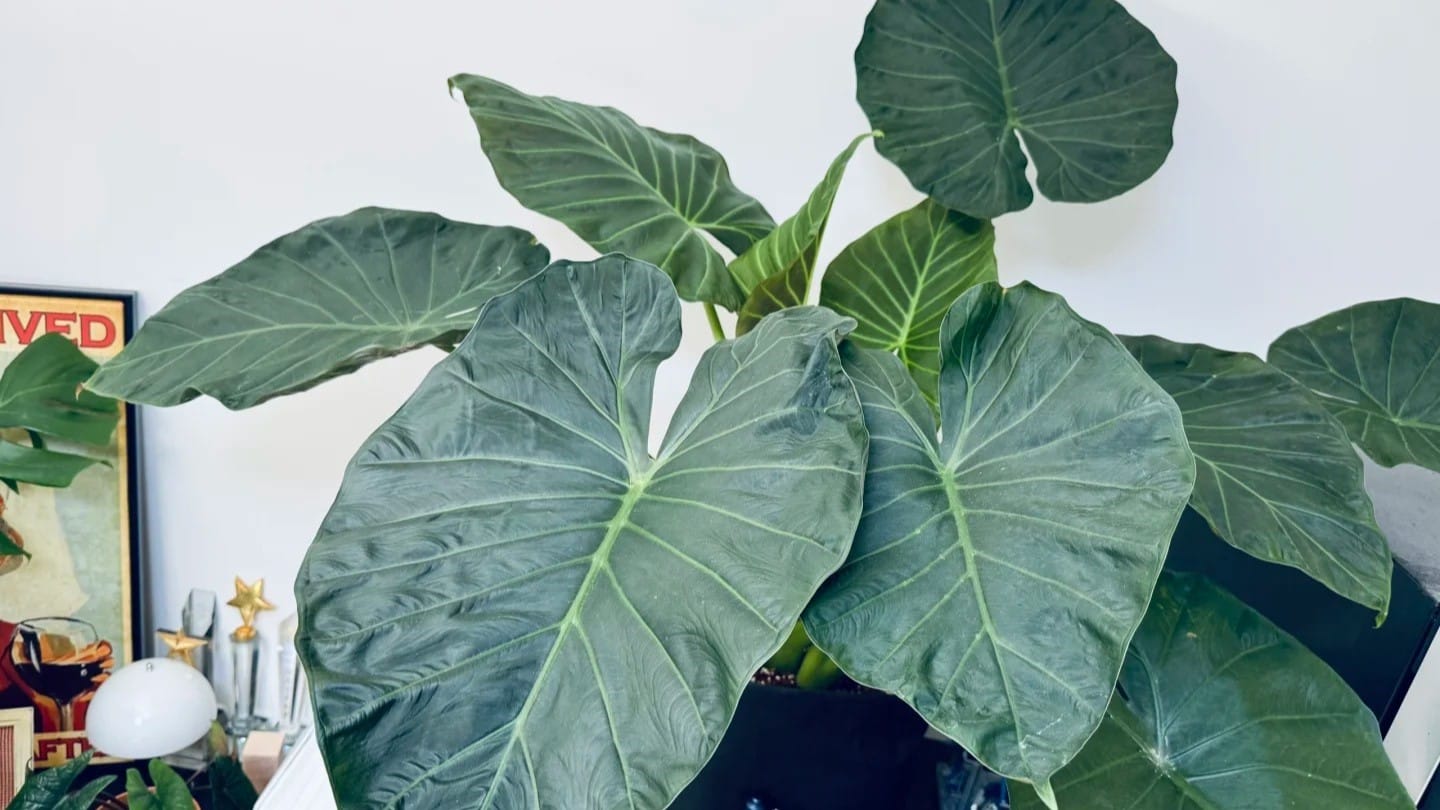
| Regal Shield | Large dark leaves with strong presence | Large elephant ear type | Bigger rooms or patio containers |
| Melo | Thick, heavily textured bluish-green leaves | Slow compact collector type | Sculptural foliage fans |
| Maharani | Silvery-gray thick leaves with a rigid feel | Small collector type | Desktop or shelf display |
| Stingray | Leaves with long pointed tails | Upright novelty type | People who want something unusual |
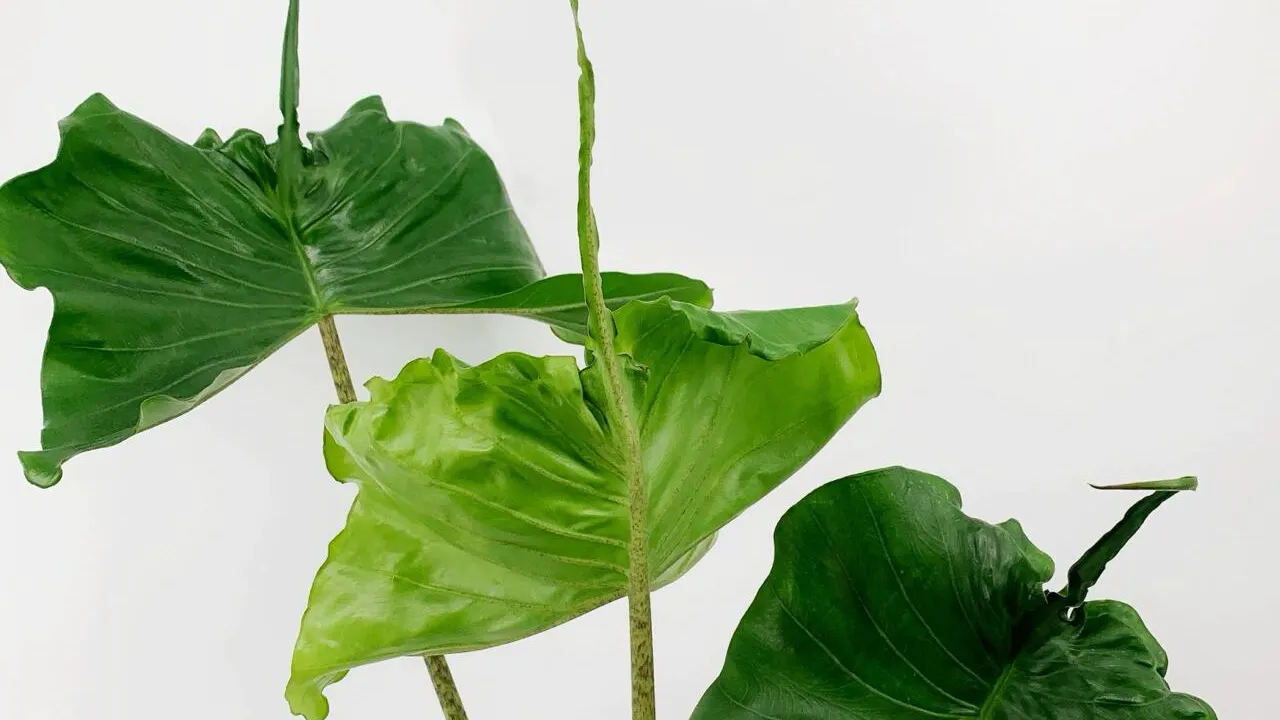
| Odora | Large plain green leaves, more traditional elephant-ear look | Large vigorous grower | Garden-style tropical effect |
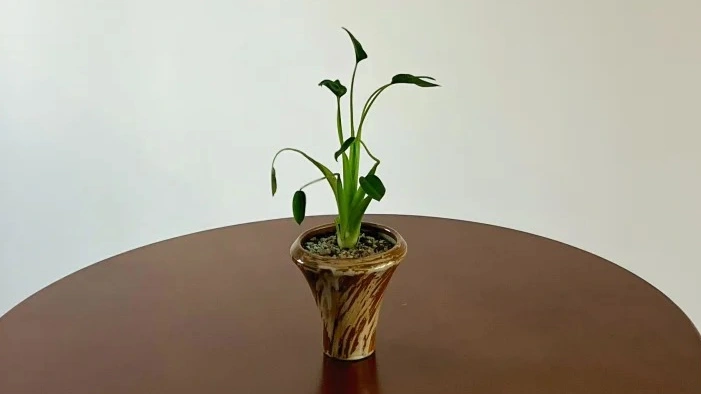
| Tiny Dancers | Small playful leaves on thin upright stems | Dwarf novelty type | Small shelves, bright desks, and growers who want something different |
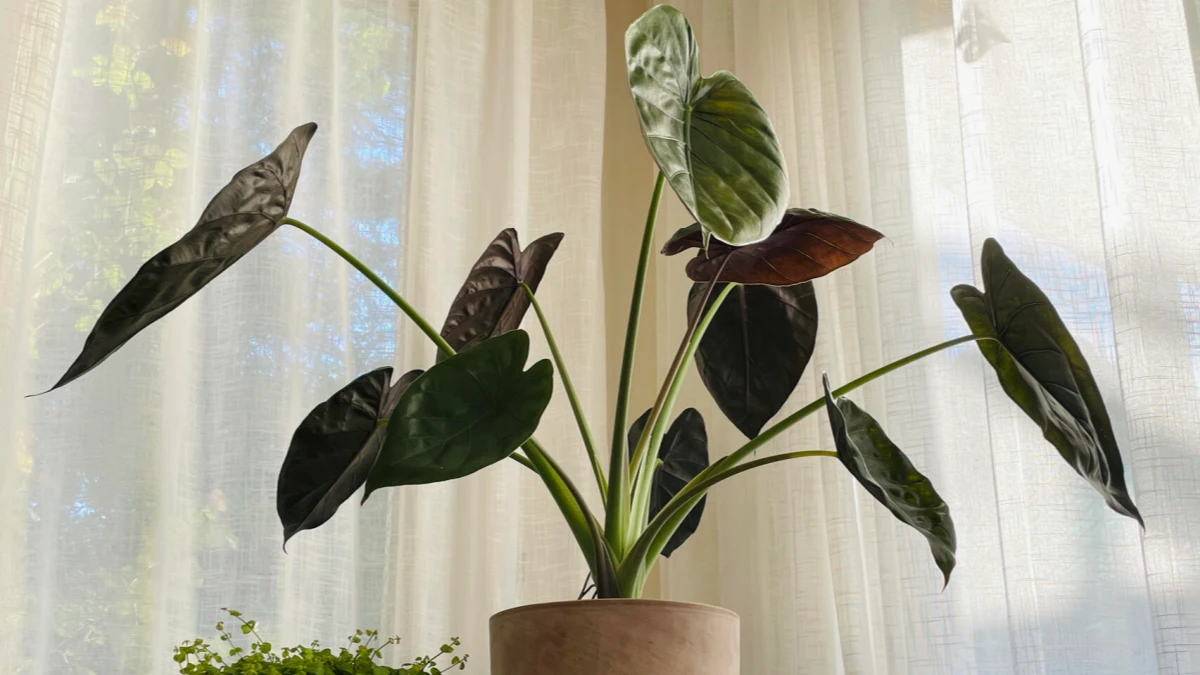
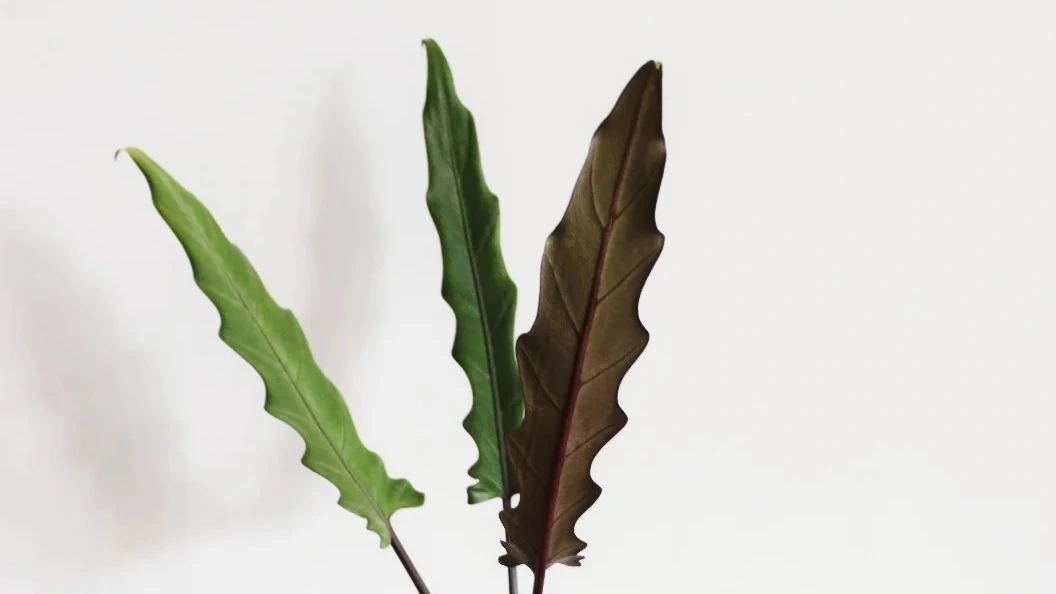
| Lauterbachiana | Long, narrow sword-like leaves with dark purple undersides | Tall upright grower | Growers who like a dramatic vertical Alocasia and can be patient with root recovery |
Beginner vs. Collector Types
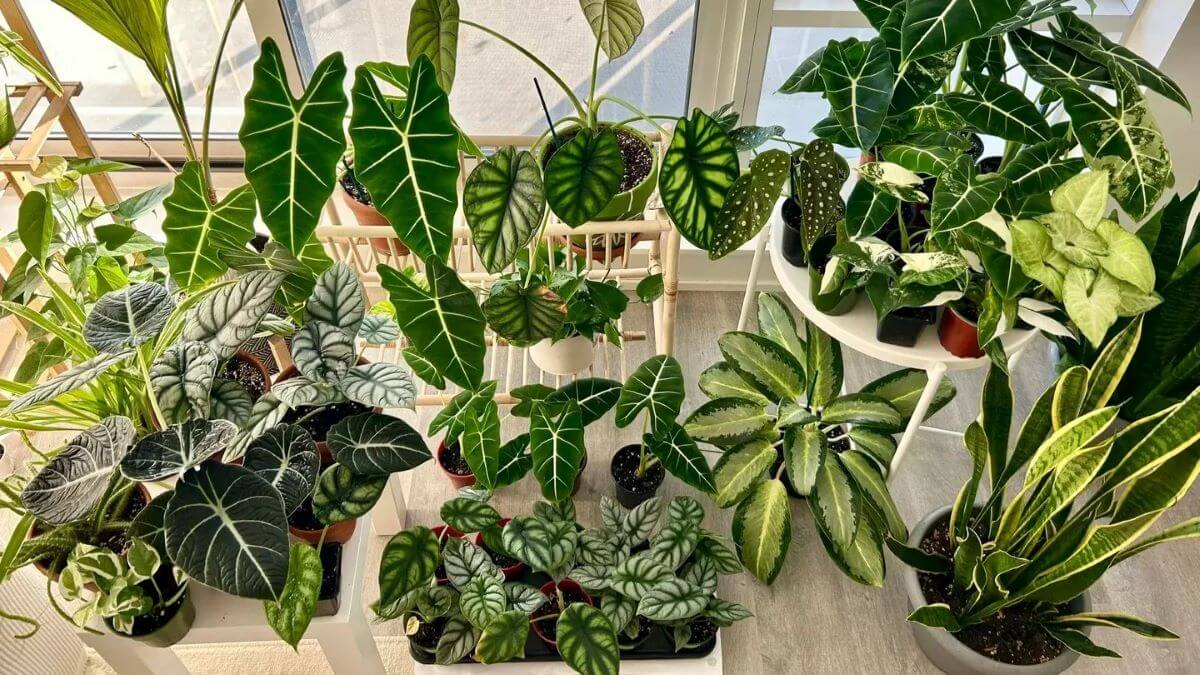
Comparison & Identification Guides
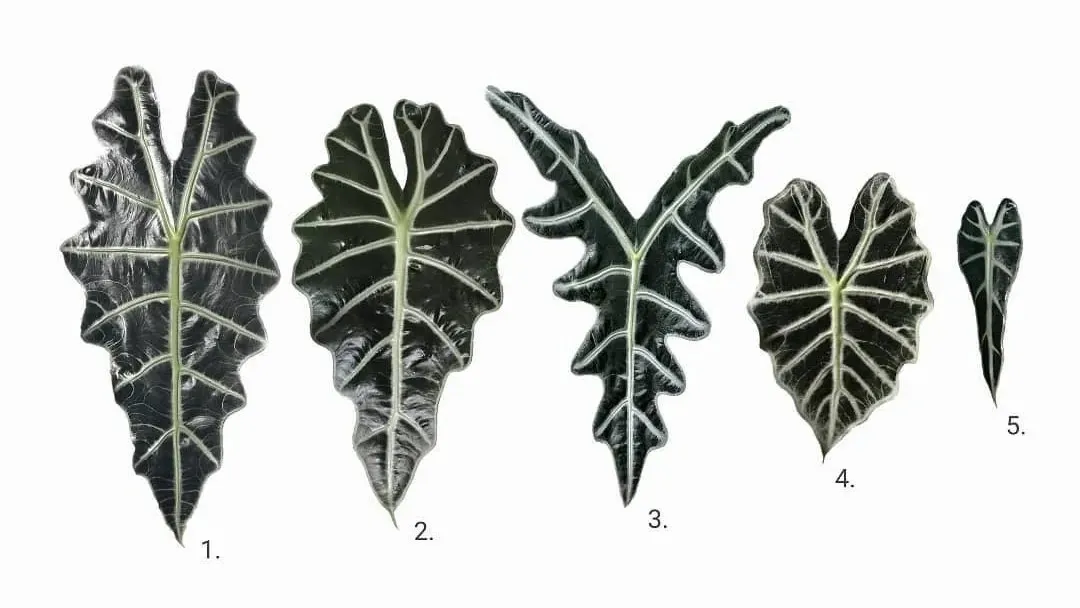
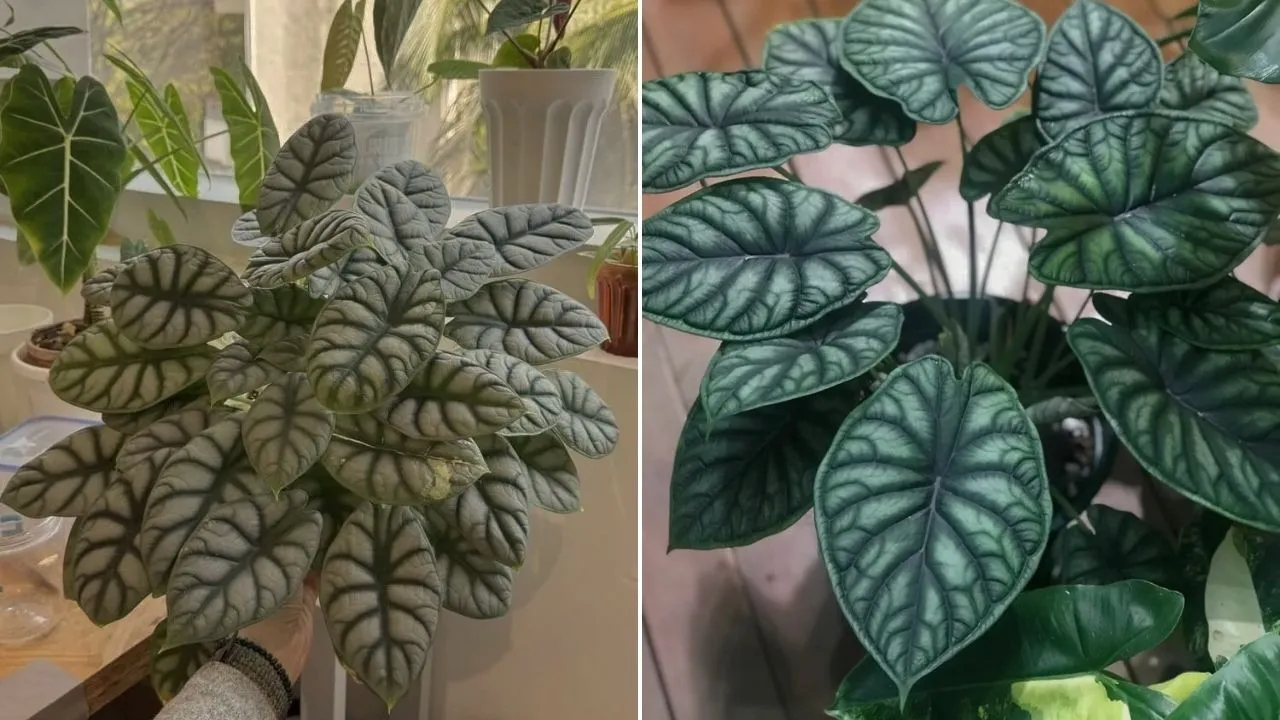
FAQ
Quick answers about Alocasia—names, care differences, and which varieties suit beginners.