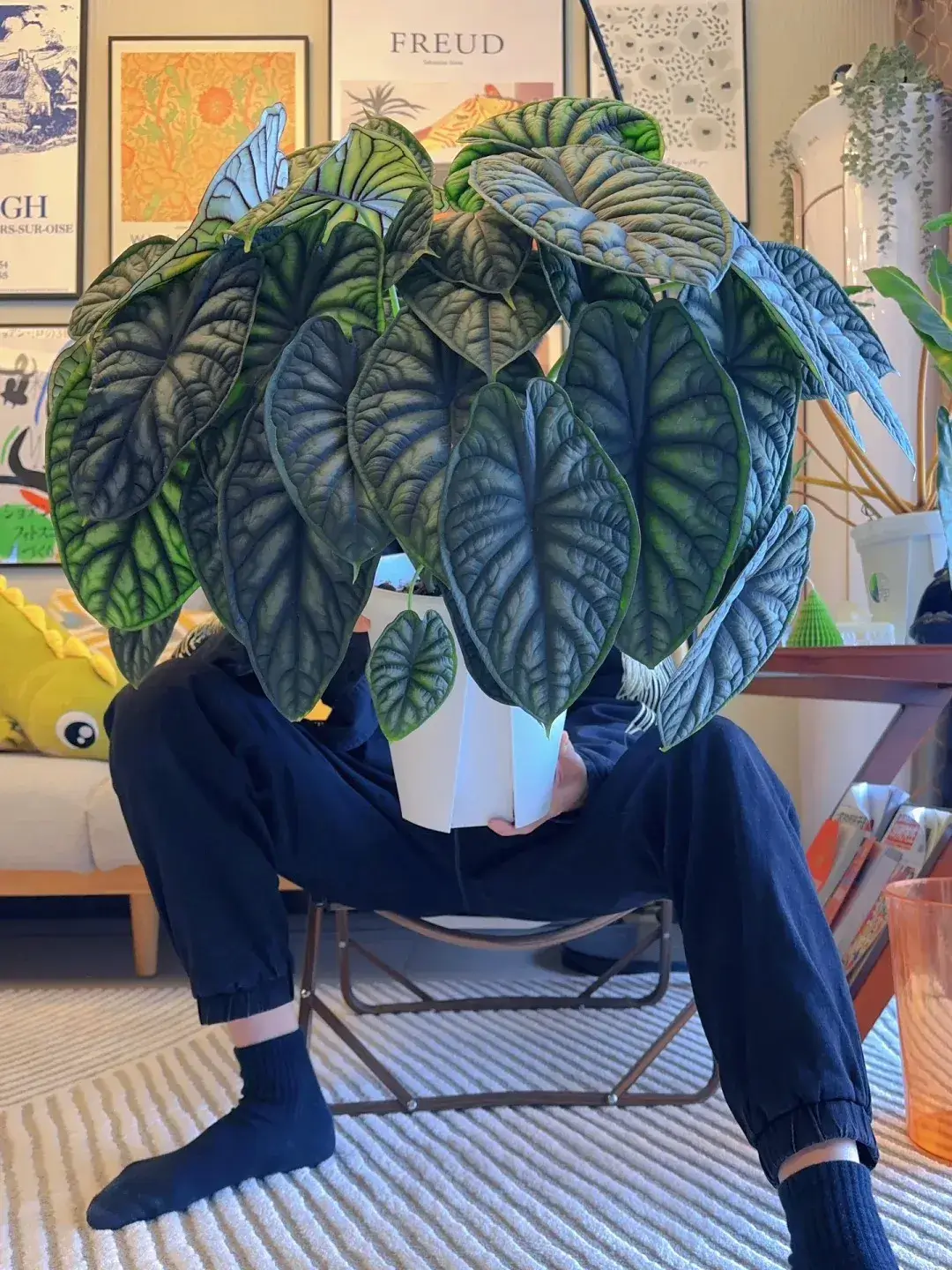
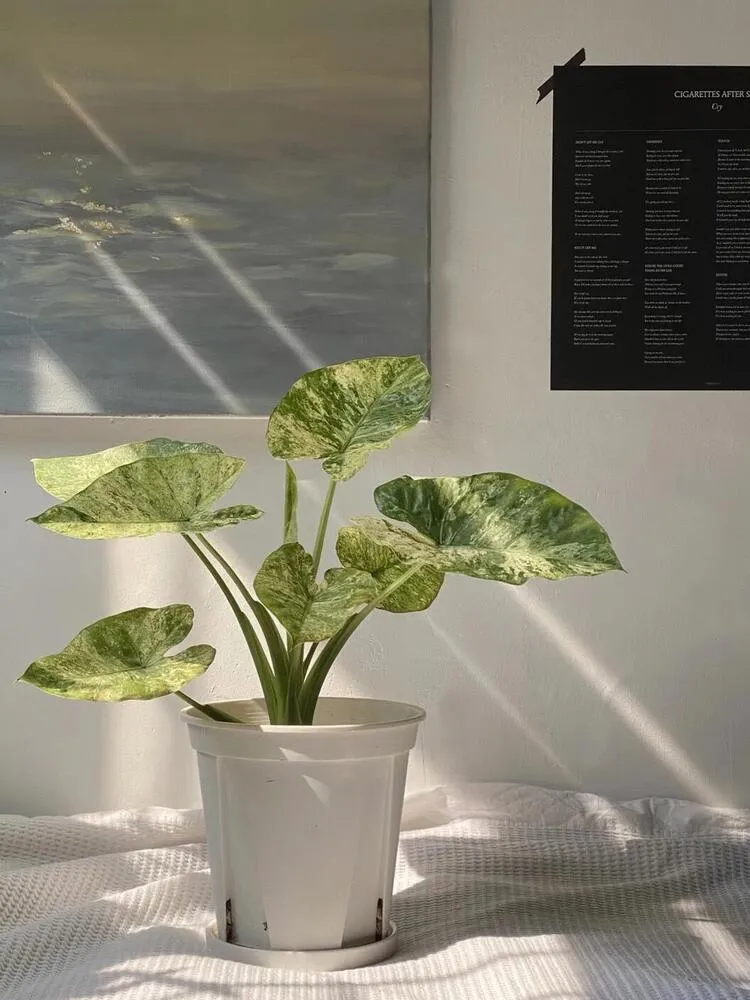
Alocasia Odora Variegated ‘Batik’ is one of the easiest Alocasias I’ve grown so far. At first, I bought it for the foliage alone — the silver-white and soft green marbling over deep green leaves looked almost painted, and it stood out immediately among the other Alocasias at the shop.
But what made me keep paying attention to it was not just the pattern. It turned out to be far less fussy than I expected. While some Alocasias in my collection needed constant monitoring, this one stayed surprisingly stable, handled change well, and never gave me the dramatic decline I had already come to associate with the genus. If you are still learning the basics of the genus, my full Alocasia care guide covers the general light, watering, and seasonal patterns I use across the whole group.
What really convinced me to write about it was how well it handled change. After I moved it from a moss ball into soil, it responded far better than I expected. That experience completely changed the way I saw this plant, and it is a big part of why I think this variety deserves more attention.
Quick Plant Profile
Botanical name: Alocasia odora variegated ‘Batik’
Common name: Batik Alocasia / Variegated Odora
Family: Araceae
Origin: Southeast Asia
Growth habit: Upright, clumping growth with dense foliage at the top
Leaf shape: Arrow-shaped to oval
Leaf pattern: Silver-white and pale green marbling on a deep green base
Main appeal: A painted, batik-like leaf pattern combined with a fuller, sturdier growth habit
Difficulty: Easy to moderate
Best for: Growers looking for a showy Alocasia with a more manageable indoor habit
Preferred conditions: Bright light, warm temperatures, and an airy, fast-draining mix. If you’re unsure what “bright light” really means for indoor Alocasias, see my guide to Alocasia light requirements.
What Makes Alocasia Odora ‘Batik’ Special
The Marbled Silver Pattern
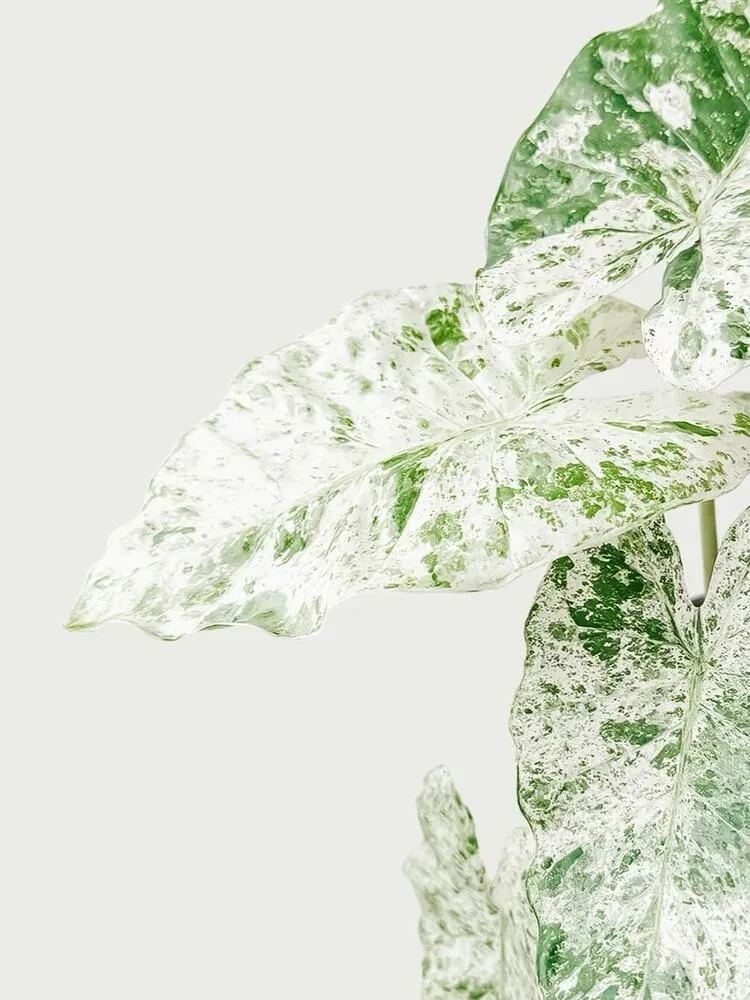
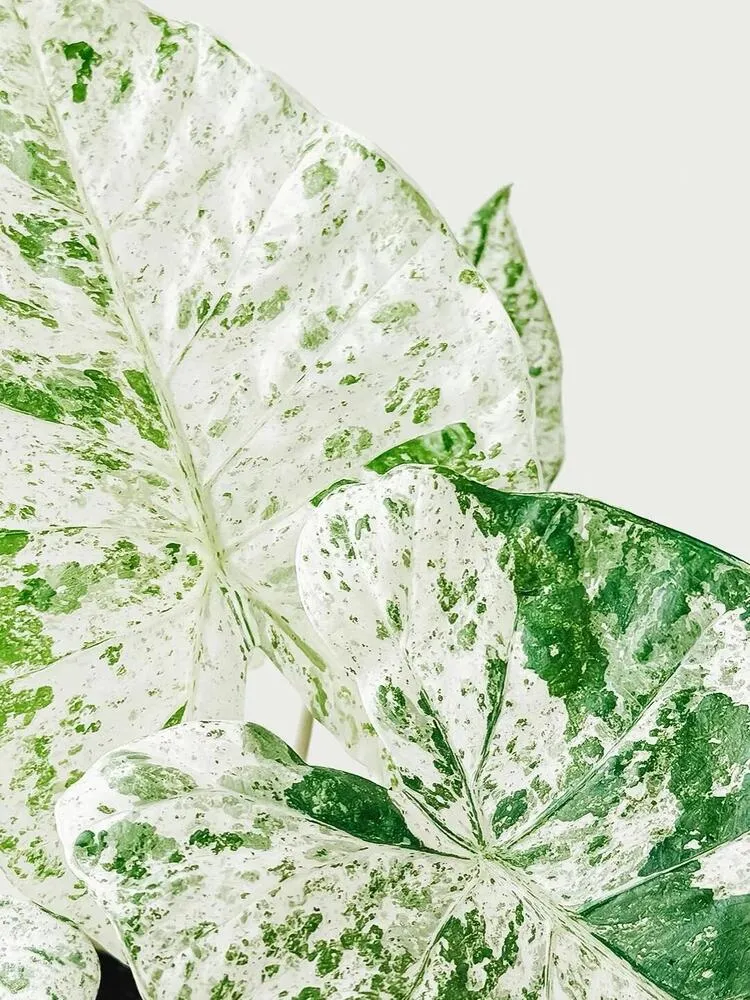
What makes Alocasia Odora variegated ‘Batik’ stand out first is its leaf pattern. Instead of bold white blocks or sharp contrast variegation, this plant has a softer silver-white and pale green marbling that seems to spread across the deep green leaf surface like diluted ink. On a good leaf, the pattern looks almost brushed on rather than painted in fixed lines, which is probably why the name “Batik” feels so fitting.
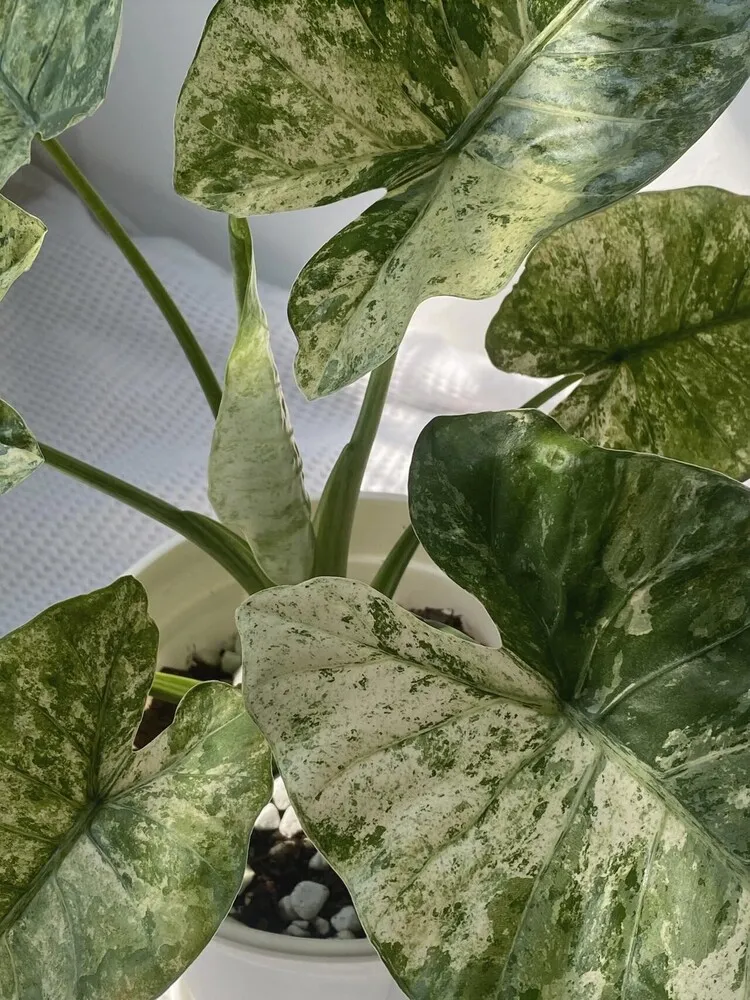
This kind of variegation gives the plant a more textured and layered look than many other Alocasias. It does not rely on extreme contrast to be beautiful. The leaves catch light in a quieter way, and the silver areas often make the whole plant look cooler-toned, calmer, and a little more refined than louder variegated types. If you like foliage that feels elegant rather than flashy, this is a big part of the appeal.
A Fuller, Sturdier Growth Habit
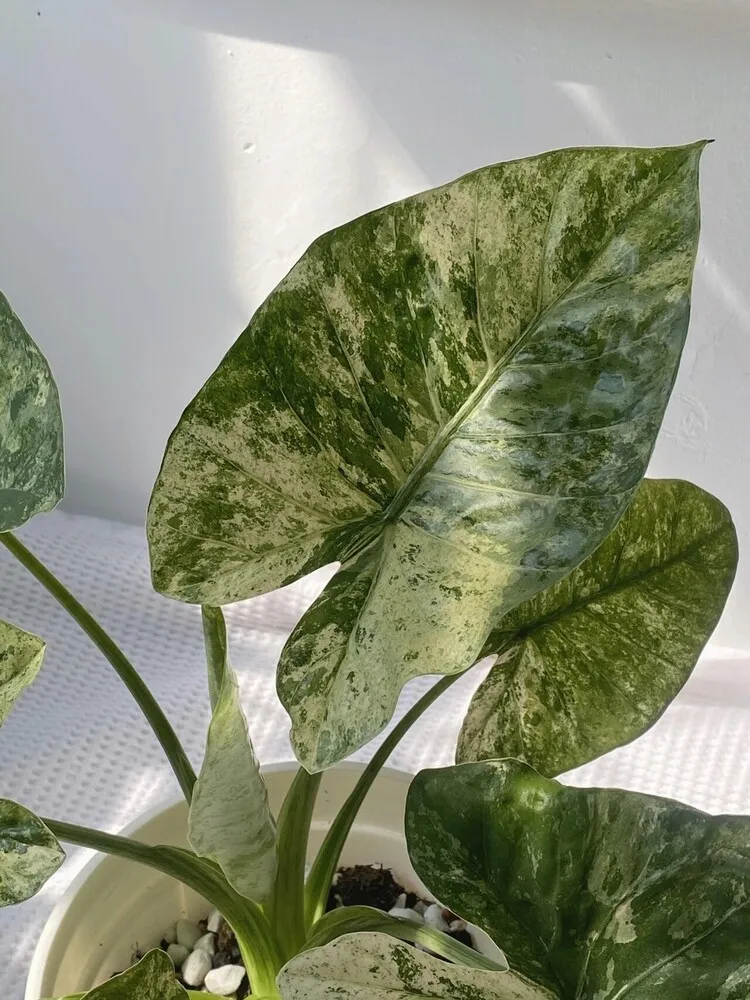
The second thing that makes this plant special is its overall structure. Alocasia Odora ‘Batik’ tends to grow in a more compact, upright, clumping form, with leaves gathered densely toward the top instead of looking sparse or stretched. The stems are also relatively thick and supportive, which helps the plant hold larger leaves without constantly looking unstable.
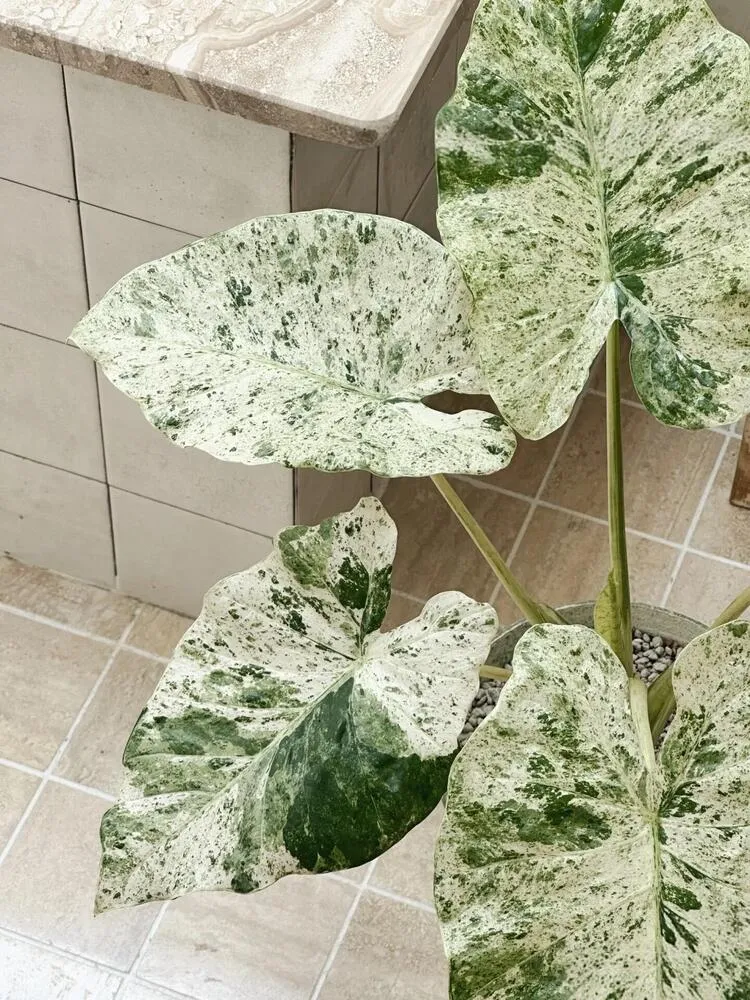
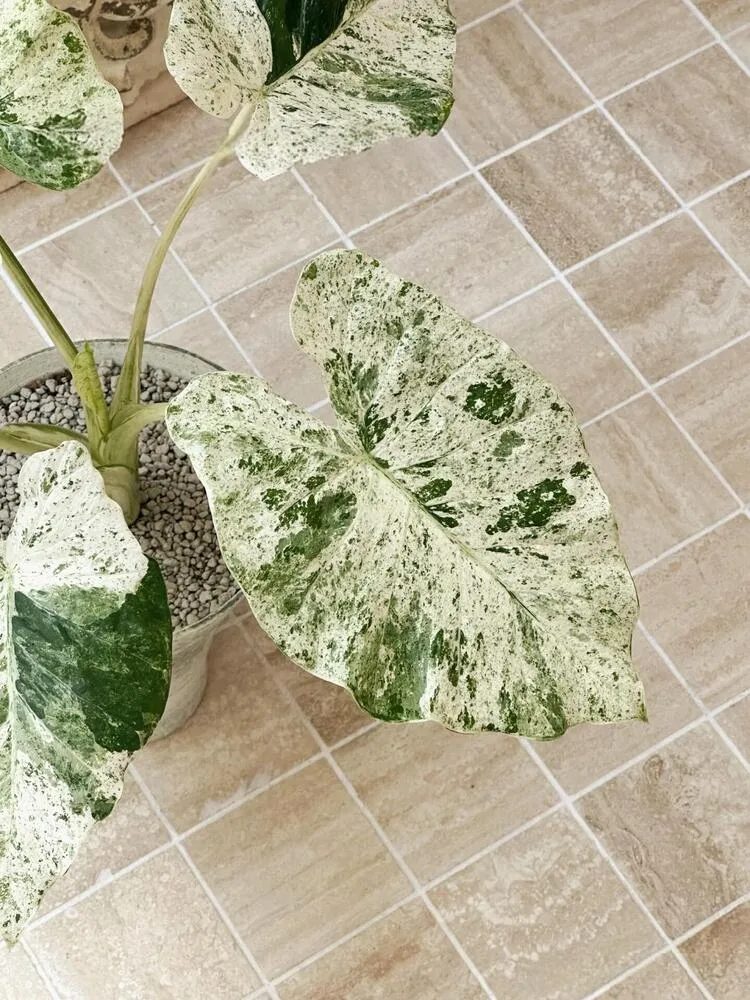
That fuller, sturdier habit gives it a very different feel from some fussier Alocasias that seem to droop, lean, or lose balance the moment conditions shift. Even when not at its absolute peak, this plant still tends to look composed. For many growers, that matters just as much as the leaf pattern itself. It gives you the visual drama of an Alocasia, but with a form that feels fuller, calmer, and more structurally balanced than many softer-looking types.
Is Alocasia Odora ‘Batik’ Easy to Care For?
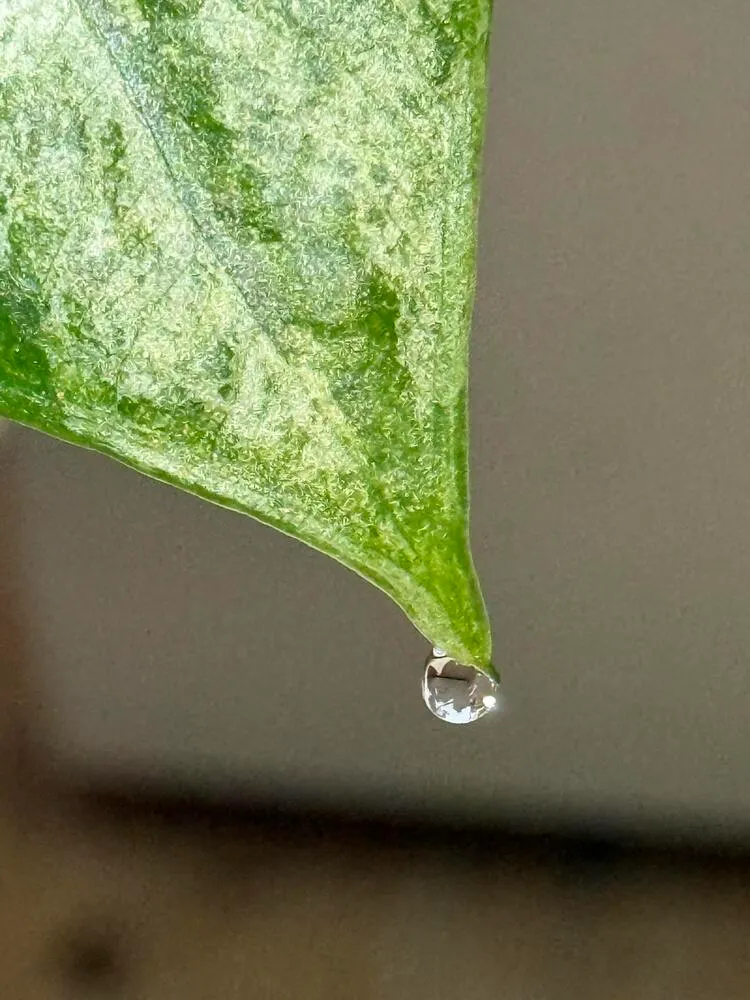
In my experience, this has been one of the most forgiving Alocasias I’ve kept. It guttates heavily at night, adapts well to soil, and does not crisp easily at the leaf tips as long as the roots stay healthy. After growing several Alocasia varieties that reacted dramatically to even small changes, this one felt noticeably steadier and easier to read.
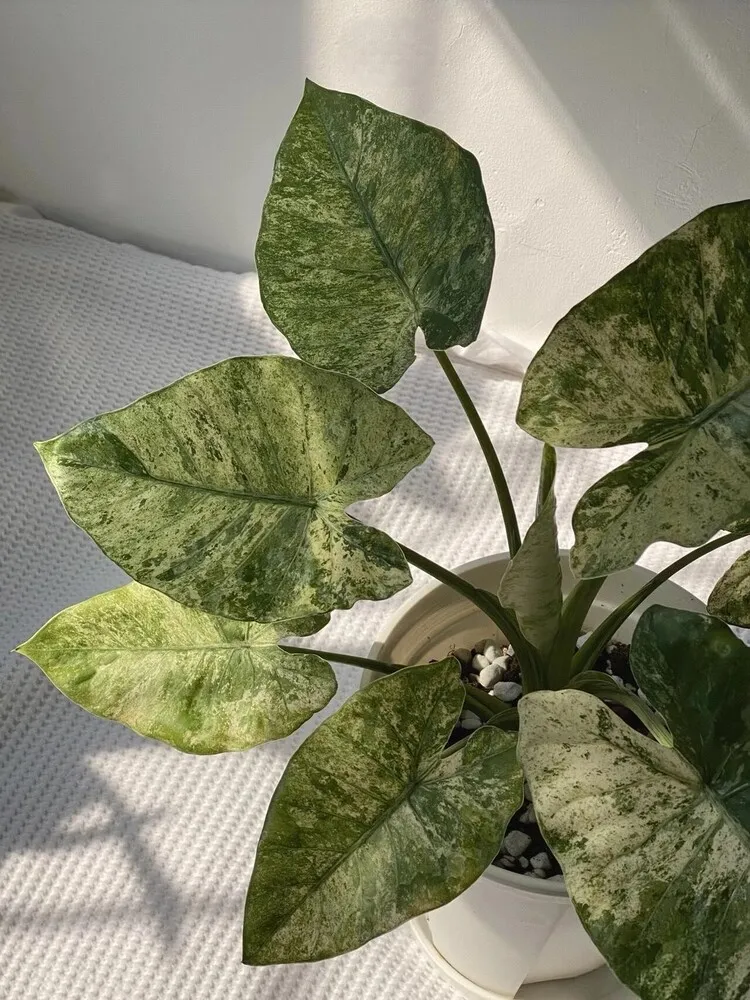
One reason I say that is the way it behaves during active growth. Mine regularly starts guttating in the evening, often around eight or nine at night, which I take as a sign that the roots are functioning well and the plant is moving water consistently. On top of that, it has not been quick to crisp at the edges or show cosmetic stress the way some fussier Alocasias do indoors.
What really confirmed its resilience was the transition from a moss ball into soil. I damaged a small amount of root in the process and expected a much stronger setback, but the plant only paused for about two weeks. It did not collapse, did not sacrifice older leaves, and was already pushing new growth again by the third week.
I still would not call any Alocasia effortless, but this one has felt more stable and forgiving than many others I’ve grown. If someone likes the look of Alocasias but wants a gentler starting point, this is one of the few I would feel comfortable recommending.
How I Care for My Alocasia Odora ‘Batik’
Light
I keep this plant in bright light and have found that it responds well to stronger exposure than some people expect. In spring and fall, it can handle quite a bit of sun, and that extra light helps the plant stay more compact and sturdy instead of stretching or softening too much.
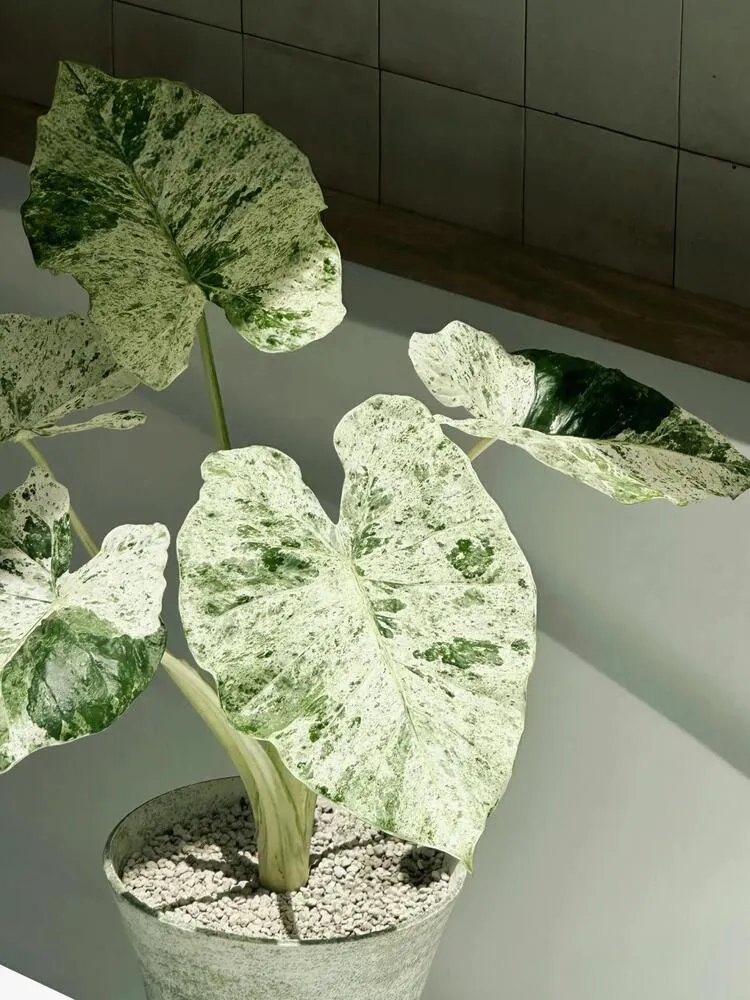
In summer, though, I would still protect it from harsh midday sun, especially if the plant is near glass or growing in a hotter room. The goal is not to keep it in deep shade, but to give it enough light to support strong growth without letting the leaves scorch. If you want this plant to hold its shape well, brighter placement usually works better than overly cautious placement.
Watering
For watering, I do not keep the mix constantly moist. I let it dry down significantly before watering again, then water thoroughly and allow the excess to drain out fully. If you tend to second-guess timing, I explain my usual rhythm in more detail in this guide on how often to water Alocasia. That rhythm has worked much better for me than frequent small waterings.
I also try to avoid getting water trapped in the crown or sitting around the base of the leaves. With Alocasias, root problems can start before the plant gives you dramatic top growth symptoms, especially if the mix is dense and stays wet too long. That is also why I pay attention to the early signs of an overwatered Alocasia before the leaves start collapsing. In other words, a plant can look fine for a while even when the root zone is already heading in the wrong direction. That is one reason I prefer a drying cycle with good airflow around the roots.
Soil
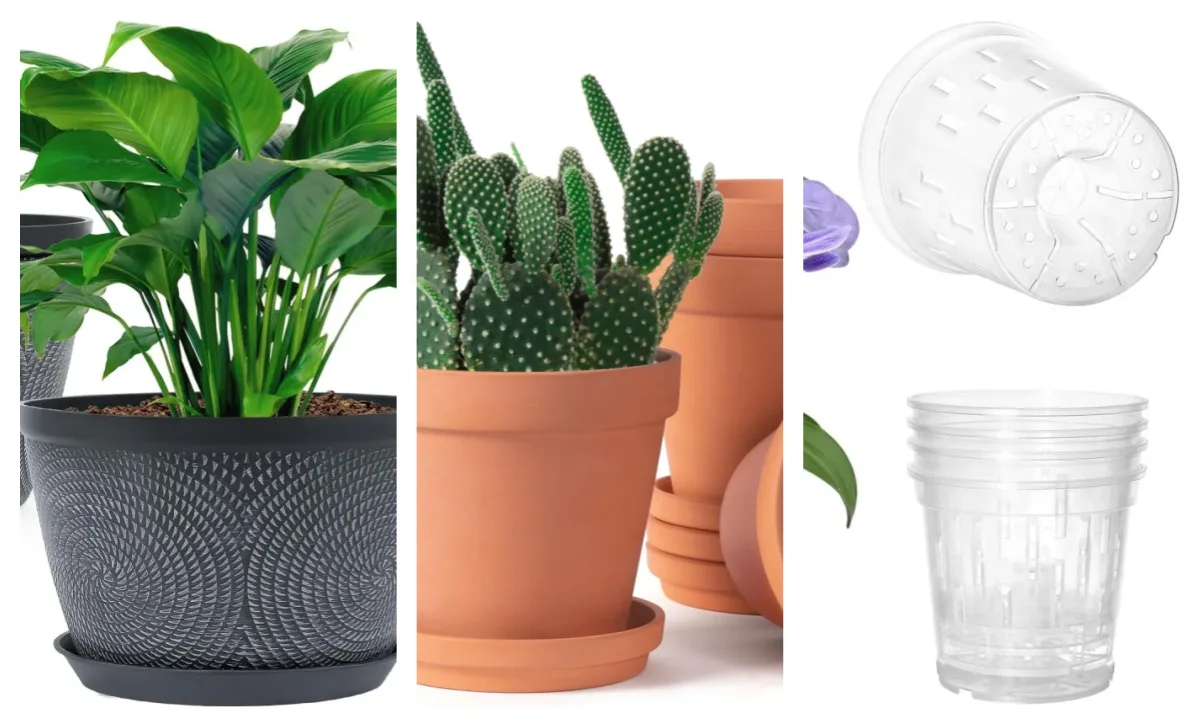
This is one plant I would definitely grow in an airy, fast-draining mix rather than anything dense or overly water-retentive. I break down the kind of chunky setup I prefer in my full guide to the best soil mix for Alocasia. A chunky structure makes a big difference, especially if you want the roots to stay active without sitting in stale moisture. I also think it helps the plant recover more smoothly after repotting or media changes.
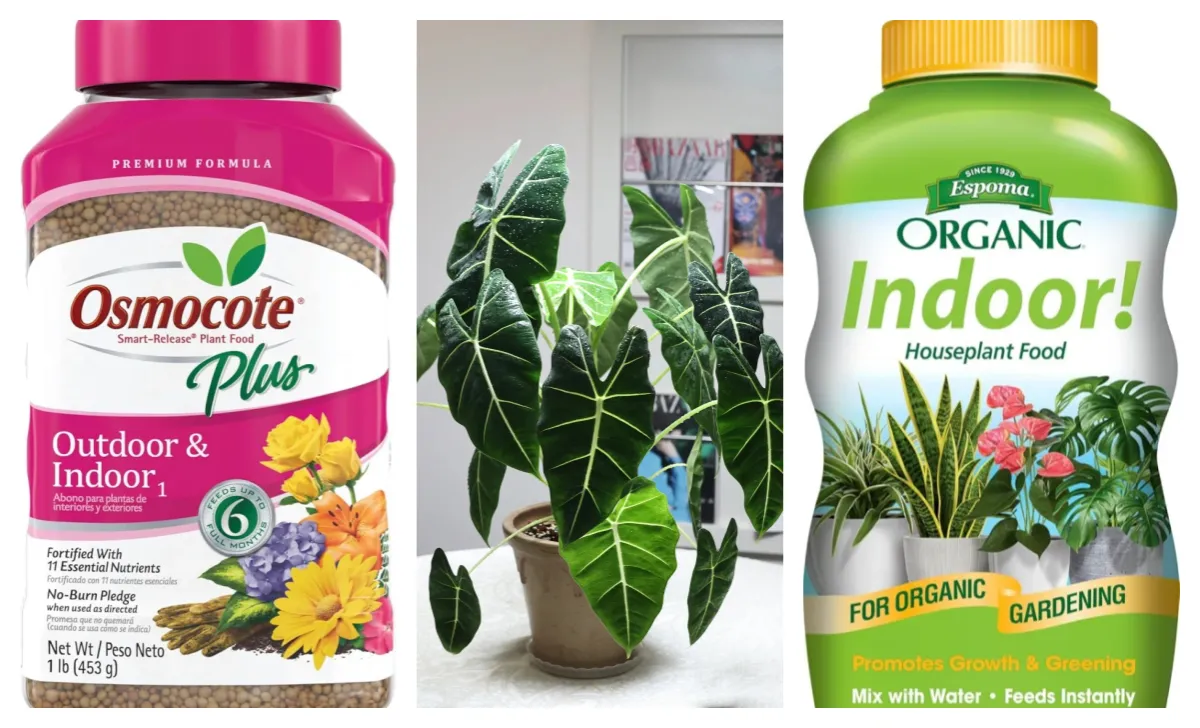
I grow this plant in a loose, airy, fast-draining mix and prefer a very breathable pot over anything that traps moisture for too long. After moving mine out of a moss ball, I used a ventilated orchid-style plastic pot, and I do think that helped reduce root stress during the transition. A light amount of slow-release fertilizer can also be mixed in at planting time.
Temperature
This plant does best for me in warm, well-ventilated conditions, with an ideal range of about 15–28°C. Once temperatures drop below 15°C, I would expect growth to slow down noticeably, and in colder conditions it may start behaving as if it is entering a rest period.
That matters because cold-weather yellowing does not always mean the plant is dying. With this kind of Alocasia, lower temperatures can trigger a semi-dormant response, and the right reaction is usually to reduce watering, remove fully dead foliage, and wait for warmth to return. If your plant starts slowing down in the cold season, my guide to Alocasia dormancy in winter goes deeper into what is normal and what is not. I think many growers panic too early at that stage. If the roots and corm are still sound, the plant can recover once the season shifts.
Leaf Cleaning and Pest Prevention
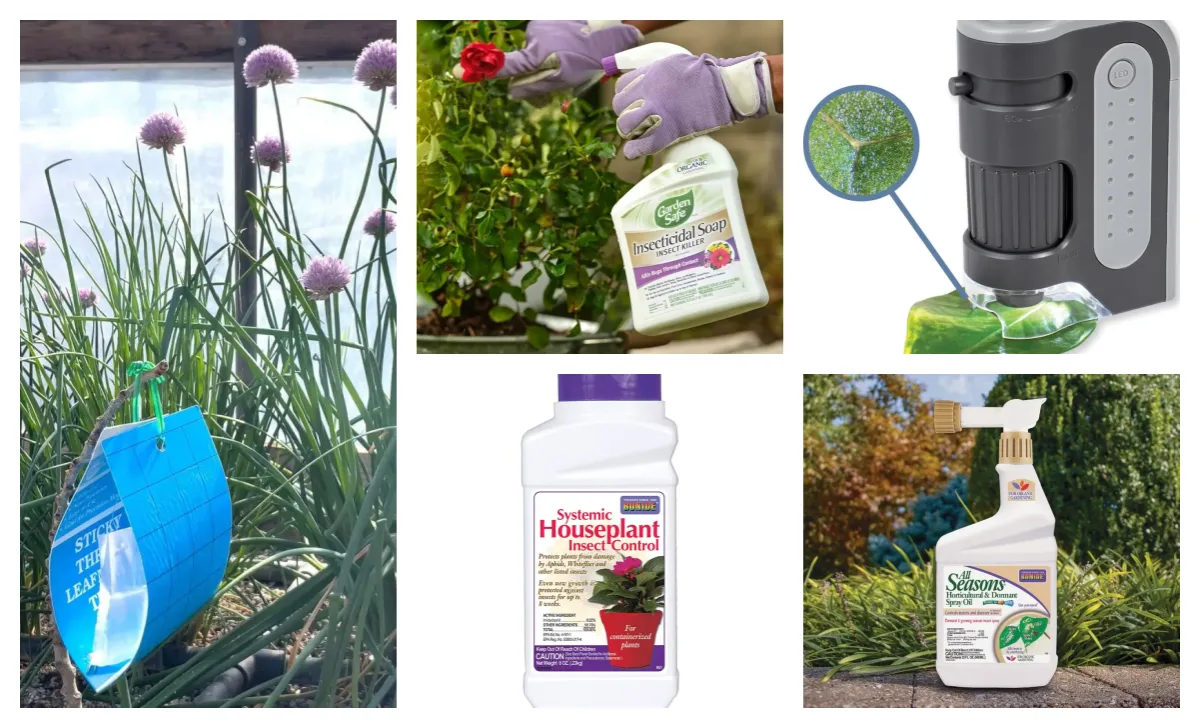
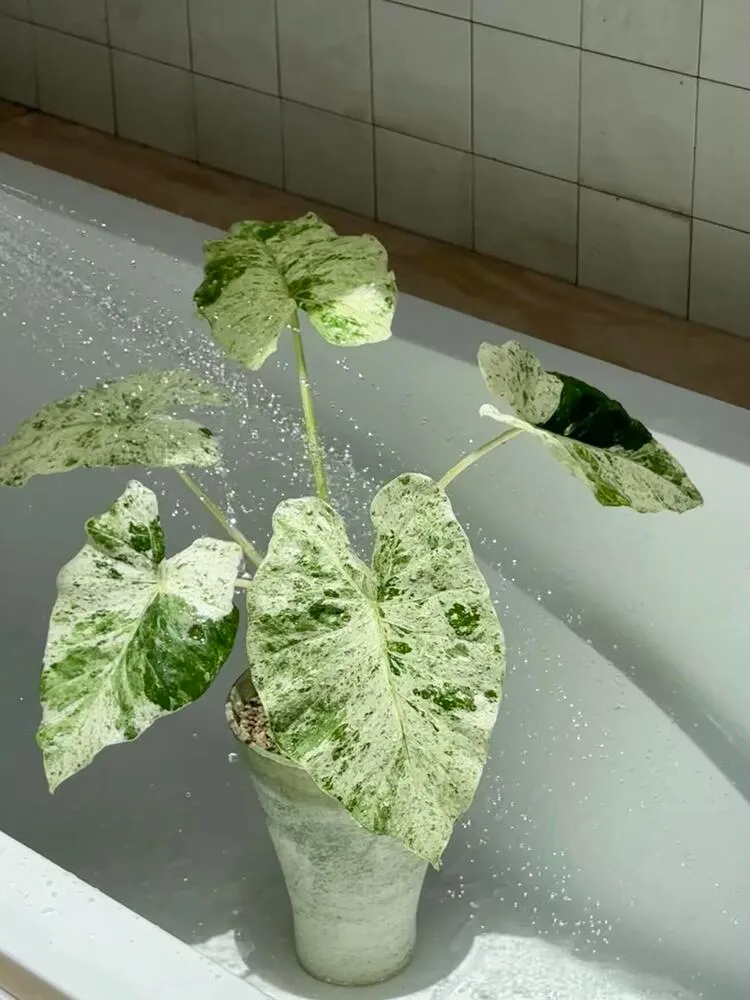
I like to rinse the leaves with plain water regularly, especially the undersides. It helps remove dust, keeps the silver pattern looking cleaner, and in my experience also makes pest issues less likely to build up unnoticed.
It is a small habit, but with a patterned plant like this, clean leaves make a real visual difference and also give you a chance to catch minor pest issues early.
My Real Experience: From Moss Ball to Soil
How I Bought It
I first came across this plant at a flower shop, where it was being grown in a moss ball rather than a regular potting mix. At the time, I was so busy trying to stabilize my Alocasia Silver Dragon that I did not pay much attention to this one at first. I simply kept it going with light care and watered it about once every five days, not realizing it would later become one of the most cooperative Alocasias in my collection.
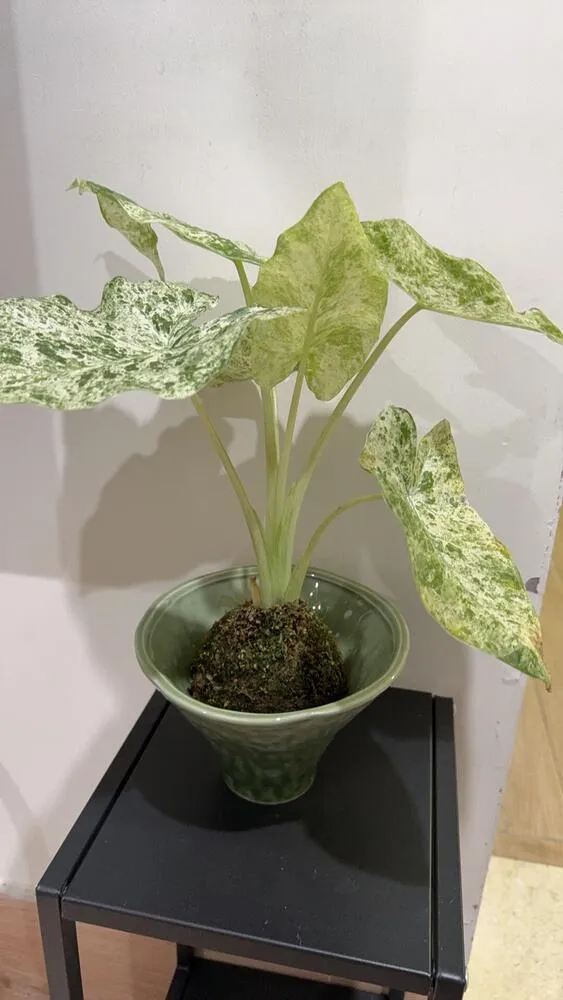
Why I Decided to Remove the Moss Ball
After keeping it in the moss ball for a while, I started to feel uneasy about leaving it in that setup long term. The center stayed quite moist, and although the plant did not look like it was in trouble yet, I was worried about stagnant moisture, unpleasant smell over time, and the possibility of the roots becoming too suffocated in such an enclosed structure. Since Alocasias can decline quickly once the root zone turns sour, I decided it would be safer to move it into a looser, more breathable mix before any obvious problems started.
What Happened During the Transition
Because this was my first time taking apart a moss ball by hand, I tried to be careful. I disinfected my scissors first, then started removing the moss manually. Once I opened it up, I found that the inside was indeed very moist, but to my surprise the roots still looked healthy. I did not find obvious rot, and that immediately made me feel more optimistic about the transition.
That said, I was not able to get through the process without causing a little damage. A small amount of root was inevitably lost while I was separating the moss from the root system. As soon as that happened, I started expecting the usual Alocasia response — transplant shock, leaf decline, some crisping, maybe even the loss of an older leaf or two. I moved it into soil anyway, but I was fully prepared for a setback.
How It Actually Responded
What happened next was exactly why this plant impressed me so much. Instead of collapsing or going into a dramatic decline, it simply paused. For about two weeks, it looked a little stalled, but that was all. There was no crisping, no major drooping, no sudden leaf sacrifice, and no sense that the whole plant was spiraling because of the root disturbance.
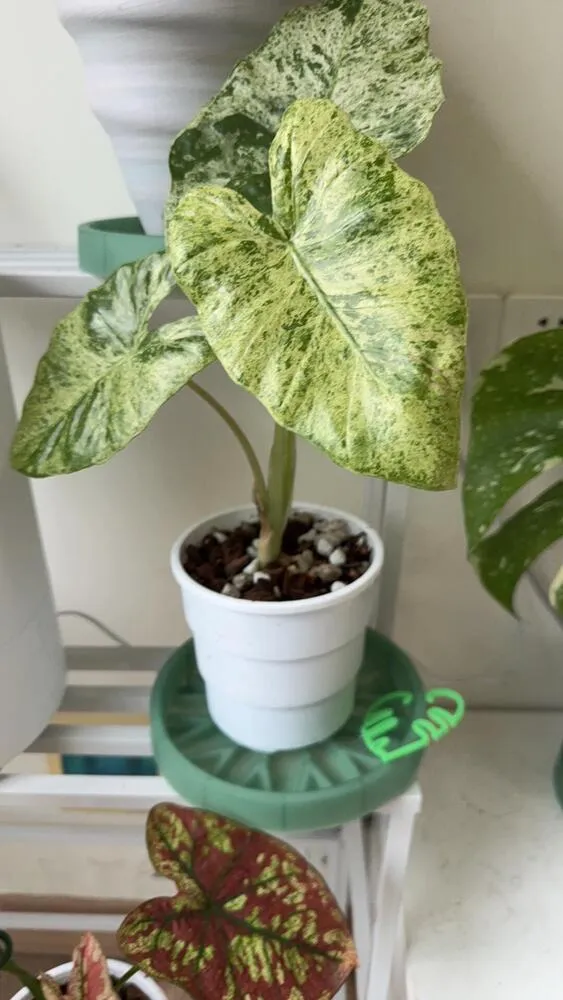
By the third week, it had already started pushing out a new leaf. Just as importantly, it did that without consuming the older leaves first. That response told me a lot about how resilient this plant really is. After trying several Alocasias that react strongly to even minor changes, seeing one handle root disturbance and a full media transition with this much stability was genuinely surprising. That was the moment I stopped thinking of it as just a pretty plant and started thinking of it as one of the easiest Alocasias I had grown.
Things to Watch Out For
Even though Alocasia Odora ‘Batik’ has been one of the easiest Alocasias I’ve grown, I still would not call it a plant you can completely ignore. What makes it good is not that it is indestructible, but that it tends to respond more steadily and predictably than many other Alocasias. That also means most problems are avoidable if you do not push it in the wrong direction for too long.
The first thing I would watch is harsh summer midday sun. This plant can handle strong light, and in spring or fall I actually think brighter placement helps it stay compact and grow better. But intense summer sun, especially through hot glass, can still be too much. Bright light is helpful; scorching heat is not.
The second thing is the root zone. I would avoid dense, soggy media that stays wet for too long, because that is where problems can begin before the leaves show obvious signs. If the roots sit in stale moisture, the plant may still look fine for a while, but the decline often starts underneath first. For the same reason, I also try not to let water sit in the crown or around the leaf bases after watering.
Another thing worth knowing is that a short pause after repotting does not automatically mean something has gone badly wrong. Mine stalled for about two weeks after the move from moss ball to soil, and that was still within a normal adjustment range. With Alocasias, it is easy to panic too early and make things worse by overwatering, overchecking, or changing conditions again too quickly.
Finally, I think winter yellowing needs to be judged differently from active-season decline. If temperatures drop and the plant slows down, a yellowing leaf does not always mean the plant is dying. In colder months, reduced watering and patience usually make more sense than aggressive intervention. As long as the base and roots are still healthy, warmer weather can bring it back into growth.
Final Verdict
Alocasia Odora ‘Batik’ is not completely problem-free, but it has been one of the most stable and rewarding Alocasias I’ve grown. For anyone who wants a plant with collector appeal but a less temperamental nature, this is one I would genuinely recommend.
FAQ
Love discovering new Alocasias?
Explore more velvet, variegated, and large-leaf varieties in our Alocasia Varieties Hub.
Go to Varieties Hub →