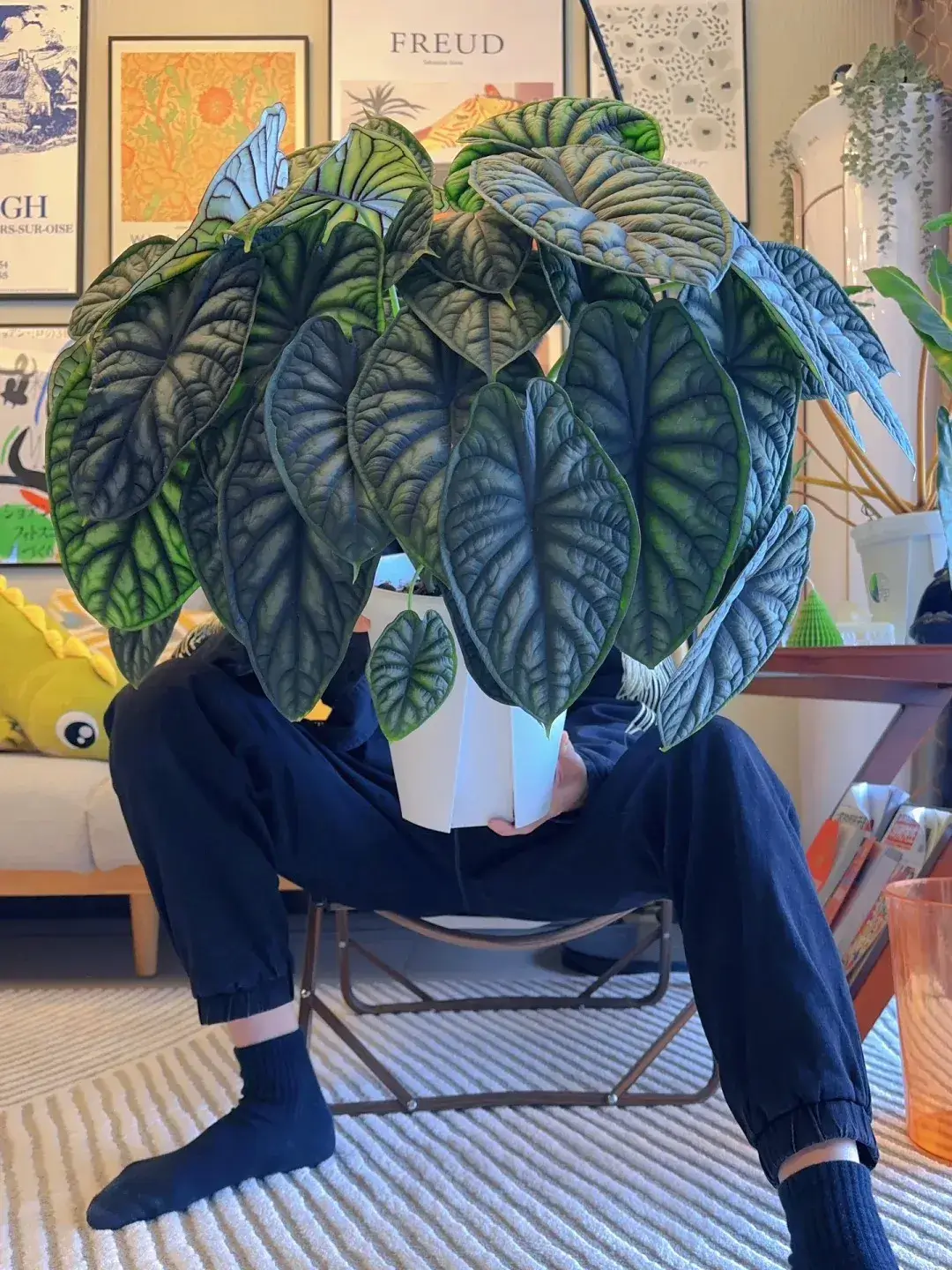
Alocasia Maharani, also known as Grey Dragon, is one of those Alocasias that immediately reminds people of Alocasia Melo. At first glance, the two can look very similar, especially in photos. But after growing Maharani myself, I started noticing differences that are easier to feel over time than to explain in one quick comparison. The foliage is greyer, the texture is a little softer, and the overall look feels like a blend between Melo and Black Velvet rather than a copy of either one.
What made me want to write about this plant, though, was not just the appearance. Mine arrived in rough shape in October 2025, with small leaves, stretched petioles, and even a snapped main stem from shipping. I tried taping it at first, but it looked terrible, so in the end I cut both leaves off completely. For a while, it was basically just a pot sitting in the corner — until, two months later, it quietly pushed out a new leaf.
That experience changed the way I saw Alocasia Maharani. It still is not a fast or effortless plant, but it also is not as fragile as it looks. For me, this became less of a “pretty collector plant” story and more of a lesson in how easily slow-growing Alocasias can be misread. If you are still getting used to the genus as a whole, my full Alocasia care guide covers the basic patterns I use across different types.
Quick Plant Profile
Botanical name: Alocasia ‘Maharani’
Also called: Grey Dragon Alocasia
Plant type: Hybrid Alocasia
Parentage: Usually described as a cross between Alocasia melo and Alocasia reginula ‘Black Velvet’
Growth habit: Compact and slow-growing
Leaf texture: Thick, matte, and softly textured
Color tone: Grey-green, often cooler and softer-looking than Alocasia melo
Main appeal: A sculpted, armored look with a more refined, velvety feel
Difficulty: Moderate
Best for: Collectors who like dramatic foliage and can be patient with slower growth
What it needs most: Bright light, warmth, and an airy root zone. If you are unsure what “bright light” really means indoors, see my guide to Alocasia light requirements.
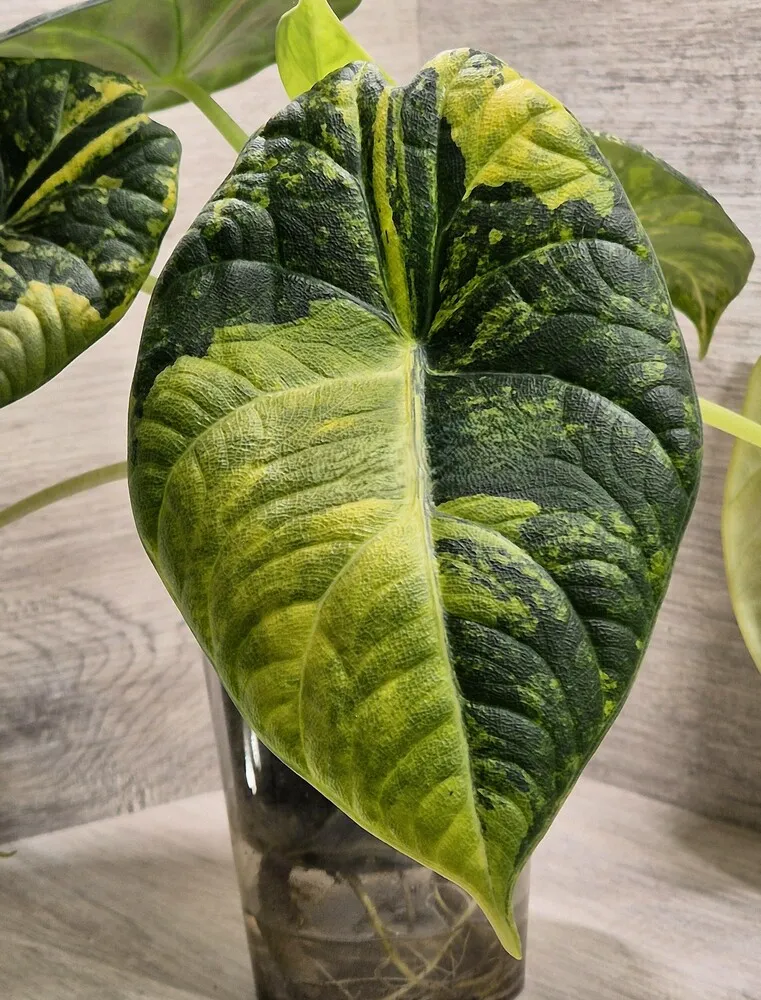
What Makes Alocasia Maharani Different From Alocasia Melo?
The Greyer, Softer-Looking Foliage
At first glance, Alocasia Maharani and Alocasia Melo can look almost interchangeable, especially in photos. Both have thick leaves, a compact habit, and that heavily textured jewel Alocasia look. But when I compared them more closely, Maharani came across as the softer-looking plant overall.
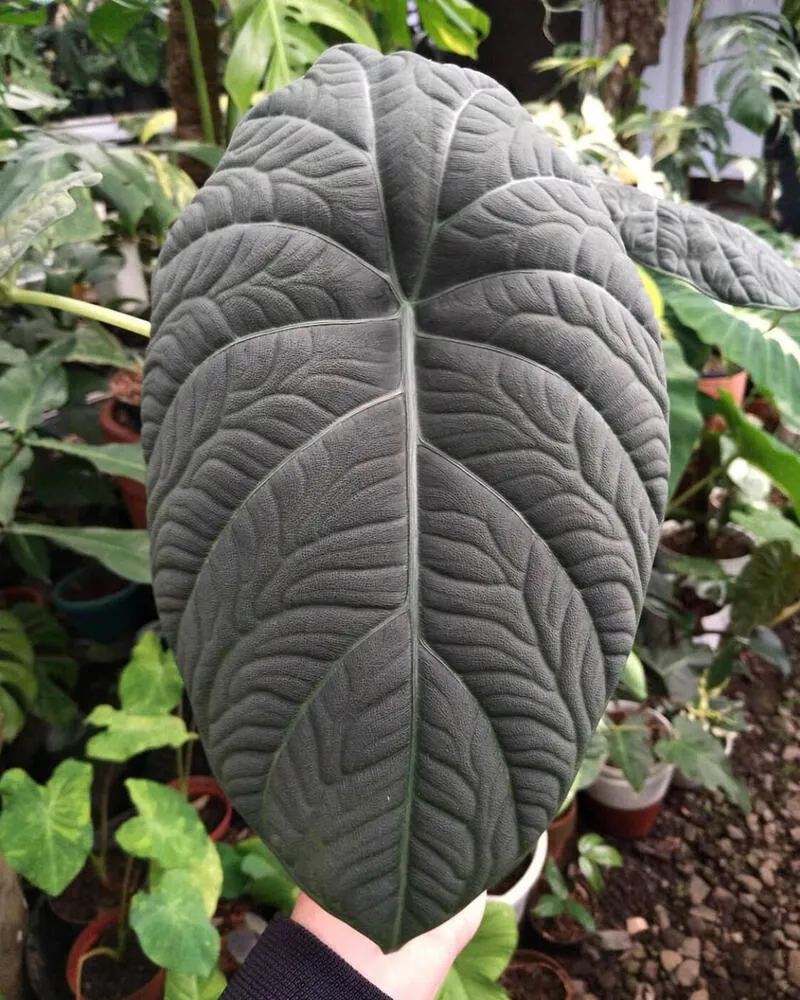
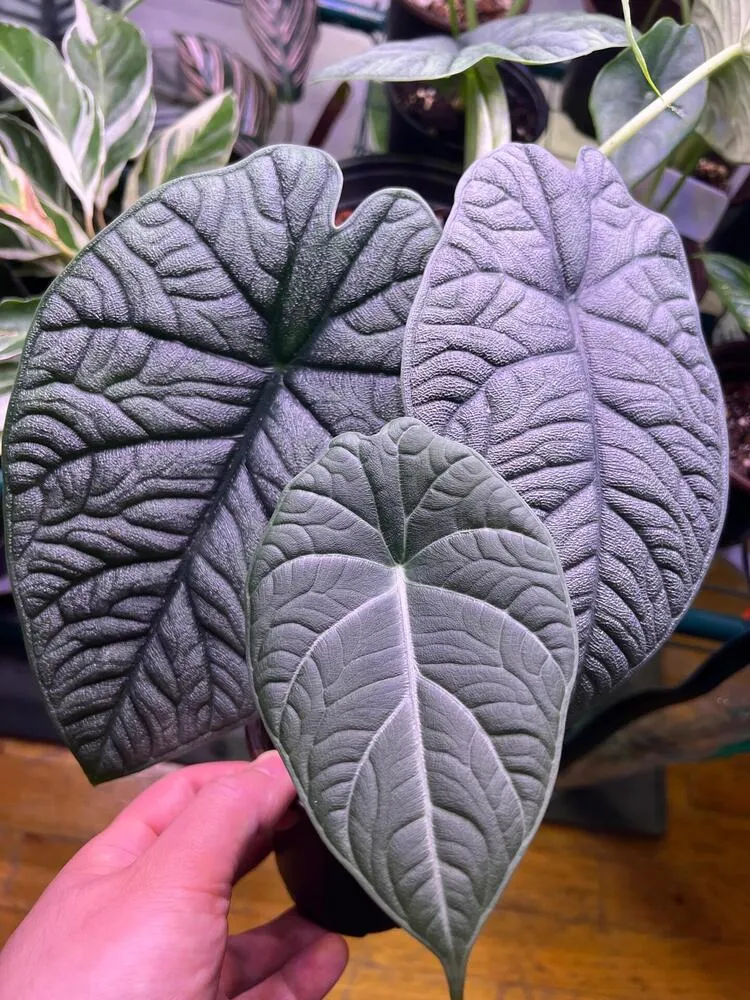
The most obvious difference is the color tone. Maharani usually has a cooler, greyer cast, while Melo tends to look darker and heavier. On my plant, the veins also appeared lighter rather than deeply shadowed, which made the leaf surface feel less severe. The leaves looked slightly longer too, so the overall shape felt a bit more relaxed instead of tightly armored.
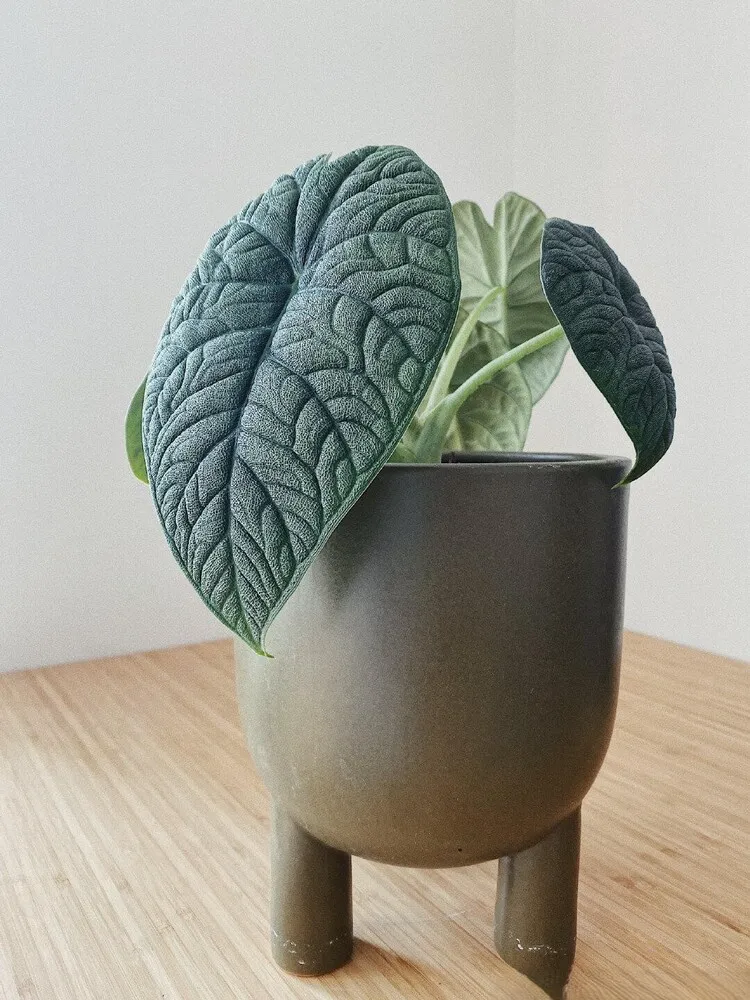
The texture is different as well. Maharani still has structure, but the surface usually looks shallower and less dramatically ridged than Melo. Melo often gives a stronger carved, almost stone-like impression. Maharani, by comparison, looks a little smoother and visually softer, even when the leaves are still thick.
A Hybrid Feel Between Melo and Black Velvet
What makes Maharani interesting is that it does not feel like a simple grey version of Melo. It really does look like a plant sitting somewhere between Alocasia Melo and Black Velvet, which matches its commonly described hybrid background.
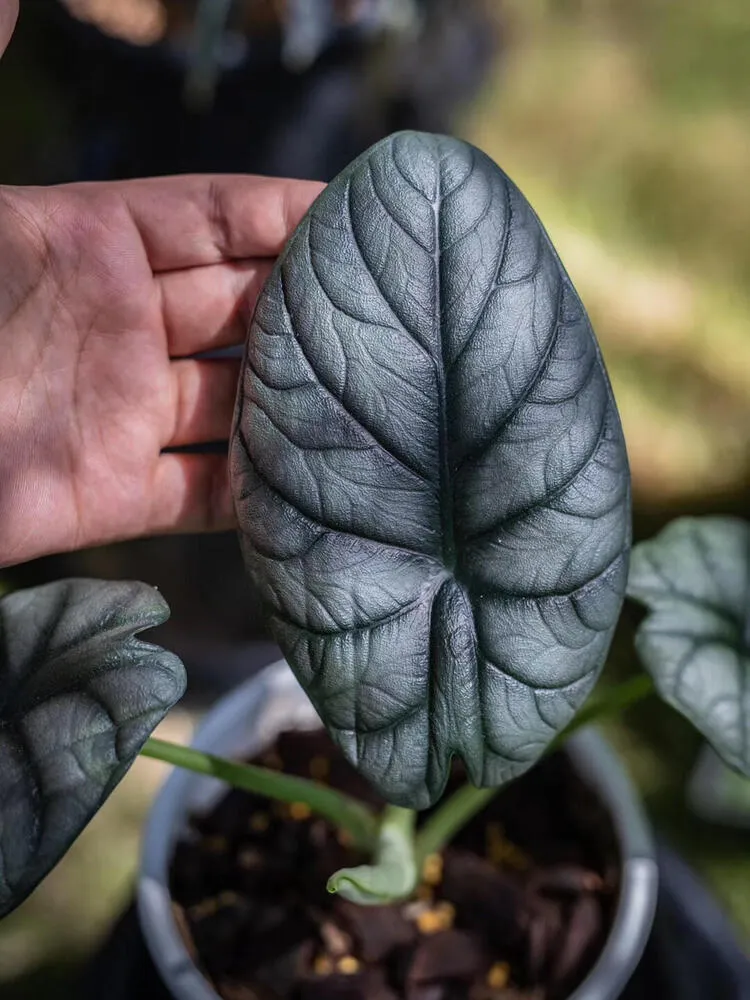
From Melo, it seems to inherit the thicker foliage and the dense, sculptural presence. From Black Velvet, it appears to pick up some of the softer character. That is why Maharani does not usually look as hard or as deeply embossed as Melo. The leaves still feel substantial, but the overall impression is gentler.
That in-between quality is what gives Maharani its identity. It keeps some of Melo’s thickness, but not the same rugged depth. It also hints at Black Velvet’s softness, but without fully turning into a velvet-leaf type. Once I stopped expecting it to behave or look exactly like Melo, it became much easier to see Maharani as its own plant.
My Real Experience: When My Maharani Arrived Stretched and Broken
How It Looked When It Arrived
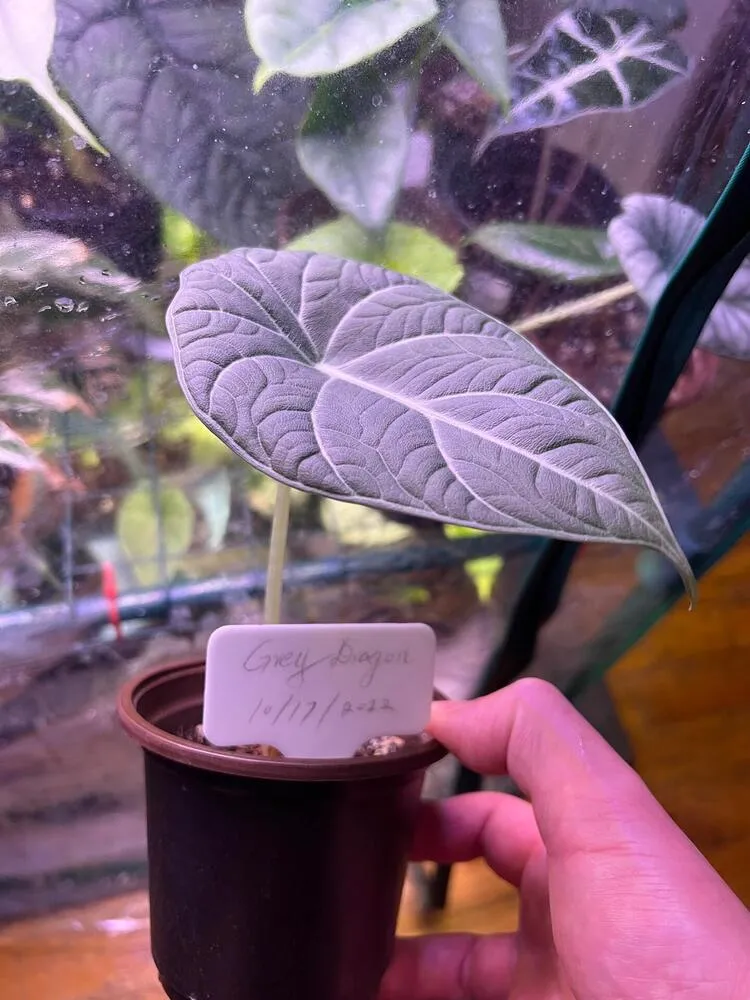
When I first received my Alocasia Maharani in October 2025, it was not one of those satisfying “perfect plant mail” moments. The leaves were quite small, but the petioles were long, which made the whole plant look obviously stretched. It did not have that compact, sculpted look people usually expect from Maharani. On top of that, the main stem had snapped during shipping, so the plant already looked unstable before I had even decided what to do with it.
Why I Cut It Back
My first reaction was not to cut it immediately. I actually tried wrapping the broken part with tape, hoping I could hold it together and buy the plant some time. But honestly, it looked terrible, and the more I looked at it, the less I believed that approach was worth continuing. In the end, I contacted the seller, and their suggestion was simple: just cut it.
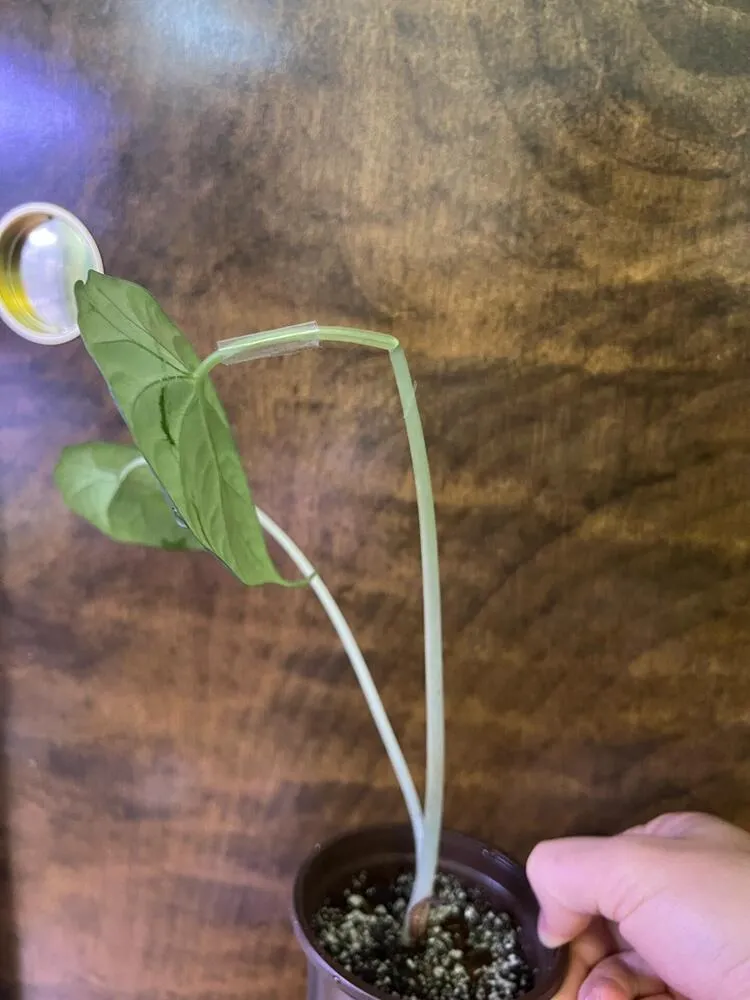
So that is what I did. I removed both leaves completely. It felt drastic, but the plant already looked so compromised that keeping the damaged top growth did not seem especially helpful. At that point, I was less concerned with saving appearances and more interested in whether the base of the plant still had enough strength to start over.
What It Looked Like Afterward
Right after cutting it back, the whole thing looked awful. Without the leaves, it barely looked like a plant anymore — just a pot with almost nothing left to show for itself. I left it in a corner and mostly let it be, partly because there was not much else I could do at that stage, and partly because it was hard not to assume the outcome would be disappointing.
What Happened Two Months Later
Then, about two months later, it quietly pushed out a new leaf.
That moment changed my impression of Alocasia Maharani more than any catalog description could have. A plant that had arrived stretched, broken, and then been cut all the way back still had enough strength to restart. That told me the damaged leaves had not been the real story. What mattered more was that the base of the plant was still alive and capable of recovering.
For me, that was the most useful lesson in the whole experience. Maharani may look like a delicate collector plant, but it can be more resilient than it first appears. It is still slow, and it still asks for patience, but in this case at least, it proved that “ugly now” did not mean “finished.”
Is Alocasia Maharani Really Hard to Grow?
Slow Recovery Can Still Be Real Recovery
This is probably the biggest mistake people make with Alocasia Maharani. Because it is a slower-growing plant with thick, heavy leaves, it does not always give fast feedback. That is also why slow growth can be easy to misread. If you are trying to tell the difference between natural slowness and a real stall, my guide on why your Alocasia stopped growing goes deeper into that. A plant like this can sit still for a while after stress and still not actually be declining. If you expect it to behave like a faster Alocasia, it is easy to assume something is wrong long before the plant has actually decided what it is going to do.
My own plant changed the way I read that kind of silence. After I cut it back, nothing dramatic happened right away. It did not quickly bounce back, but it also did not collapse. What mattered more was that the corm and base were still alive. Two months later, that hidden strength showed up again when a new leaf finally appeared. With Maharani, slow recovery can still be real recovery.
It Is Easier to Misread Than to Actually Kill
I would not call Alocasia Maharani an easy plant in the same way I would describe a faster, more straightforward grower. But I also do not think it is as fragile as it looks. The bigger challenge is often interpretation. Because the plant grows slowly, stays compact, and can look unimpressive for stretches of time, people start intervening too much — repotting again, changing the watering rhythm every few days, moving it constantly, or assuming it needs rescuing when it really needs patience.
In that sense, Maharani is easier to misread than to actually kill. If the roots or corm are still sound and the conditions remain reasonably stable, it may recover more steadily than its appearance suggests. The hard part is often resisting the urge to keep interfering while it works on its own timeline.
How I Care for Alocasia Maharani Now
Light
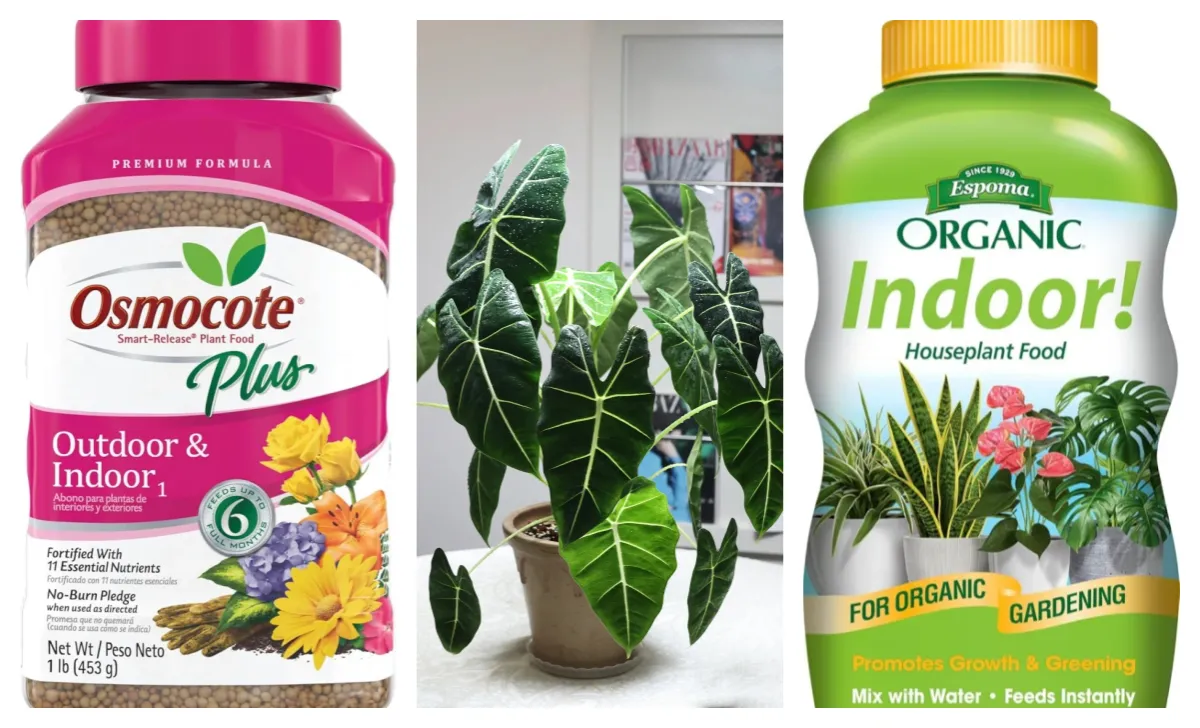
I grow Alocasia Maharani in bright light and would not place it too far from a window. Because this plant stays compact and grows slowly, weak light can make it look even more stretched or underwhelming over time. Mine already arrived with long petioles, so I became even more cautious about not letting it sit in a dim spot afterward.
That said, I still would not treat it like a sun-loving outdoor plant. Bright indirect light or gentle direct light works better than harsh, prolonged midday sun. The goal is to give it enough light to stay compact and hold good leaf texture without pushing it into scorch.
Watering
With Maharani, I am much more careful about overwatering than underwatering. Thick-leaved, slower-growing Alocasias can sit wet longer than people expect, and that is where trouble usually starts. That is why I watch for the early signs of an overwatered Alocasia before the foliage starts collapsing. I let the mix dry down noticeably before watering again, then water thoroughly and let the excess drain out completely. If you tend to second-guess timing, I explain my usual rhythm in more detail in this guide on how often to water Alocasia.
I do not like keeping this kind of plant evenly moist all the time, especially in cooler conditions or during slower growth. When a plant is not actively moving fast, wet soil lingers longer, and the roots can suffer before the leaves tell you much. With Maharani, a calm watering rhythm usually works better than frequent checking and small splashes.
Soil
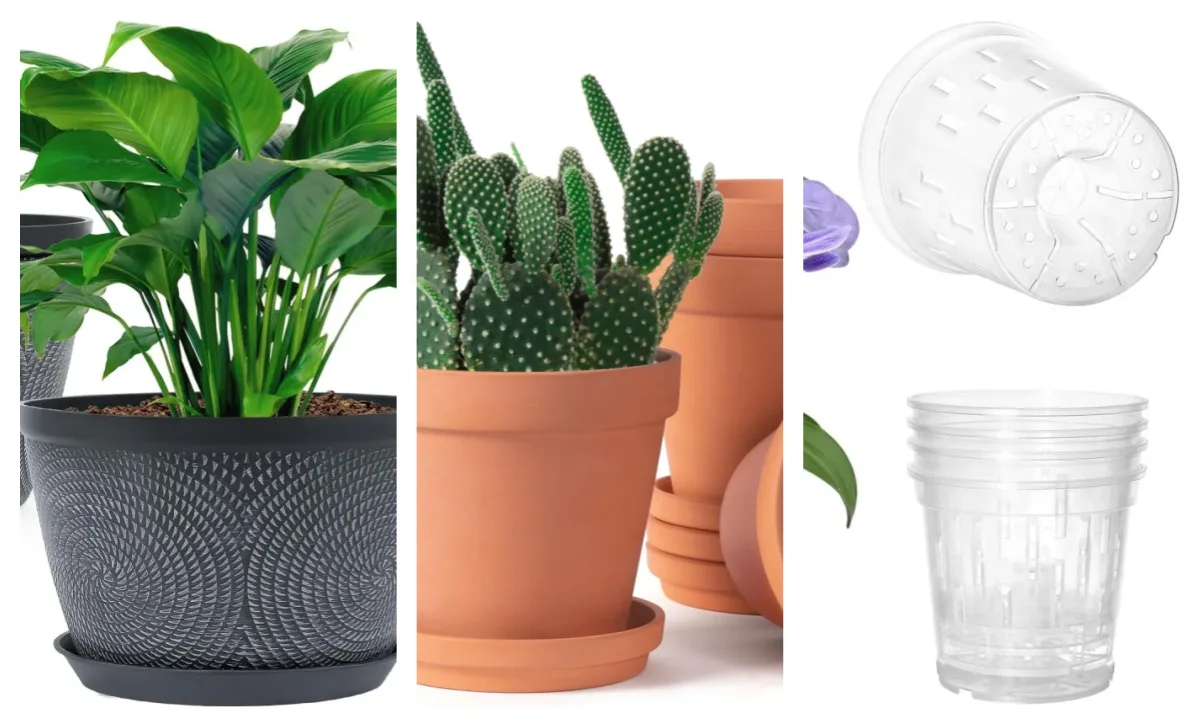
I would grow Alocasia Maharani in a loose, airy mix rather than anything dense or overly moisture-retentive. I break down the kind of chunky setup I prefer in my full guide to the best soil mix for Alocasia. Because the plant is not especially fast, the root zone needs oxygen as much as it needs water. If the mix stays heavy and compact, it becomes much easier to misread what the plant needs.
For me, the best setup is something chunky, fast-draining, and breathable enough that the roots do not sit in stale moisture for too long. I would much rather water a well-aerated mix properly than try to manage a dense one that stays wet and unpredictable. This is one of those plants where a healthy root zone matters more than trying to keep the soil constantly damp.
Temperature
Maharani does best in warmth. I would treat it as a plant that wants stable, warm indoor conditions rather than fluctuating temperatures or cold windowsills. Once temperatures drop, growth can slow even further, and that is when people are most likely to assume the plant is failing. If your plant changes noticeably in the cold season, my guide to Alocasia dormancy in winter can help you separate seasonal slowdown from real decline.
Because this variety already moves at a slower pace, cold conditions can make it look almost stalled. That does not always mean something is seriously wrong, but it does mean I become more conservative with water and more patient with growth. Warmth, stability, and time usually do more for Maharani than constant intervention.
A Quick Note on Variegated Forms
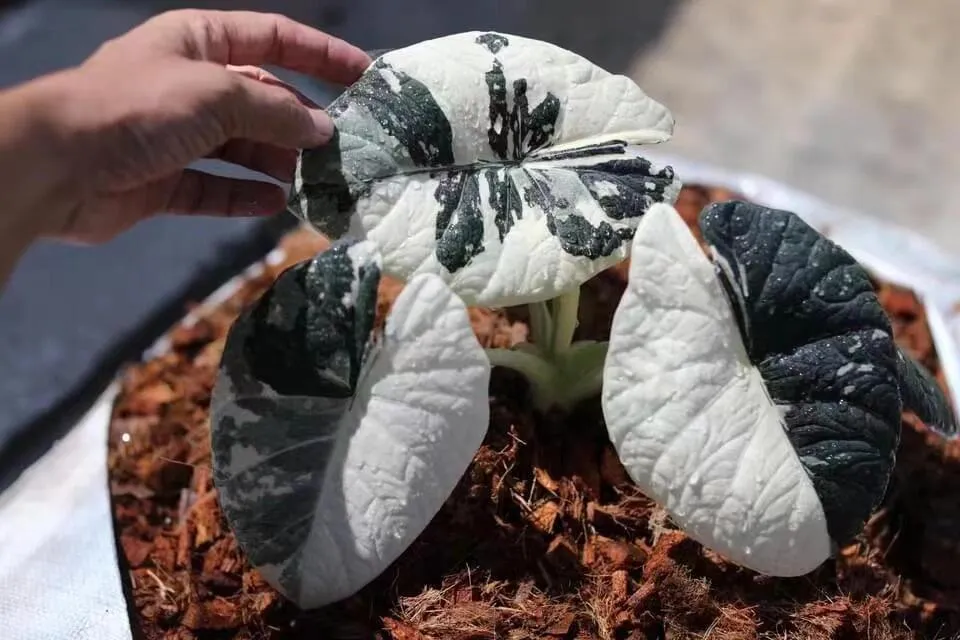
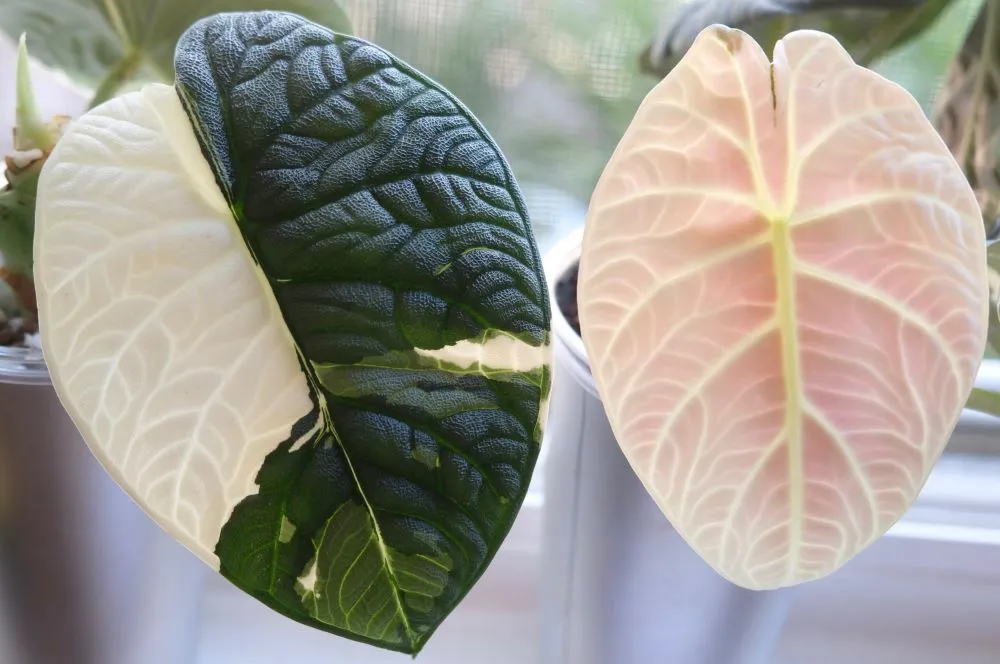
Beyond the standard form, Alocasia Maharani also appears in variegated versions such as Albo and Aurea. These are more collector-oriented forms, and the main difference is the color of the variegation rather than the underlying leaf structure. On some Albo plants, a fresh new leaf may even show a soft pink tone at first before fading later. Interesting as these forms are, I still think the standard Maharani is the better place to start if your main goal is to understand the plant itself.
Things to Watch Out For
The main thing I would watch with Alocasia Maharani is the temptation to judge it too quickly. This is not a plant that always gives fast, obvious feedback. If growth is slow, that does not automatically mean it is declining, and if the top looks unimpressive, that does not automatically mean the corm is failing. A lot of trouble with Maharani starts when people react to slowness as if it were an emergency.
I would also be careful not to keep it too wet, especially in a dense mix or during cooler periods. Because this plant grows slowly and holds thick leaves, the root zone can stay damp longer than people expect. Weak light can make that even harder to read by leaving the plant stretched and underpowered at the same time. In practical terms, I think heavy soil, low light, and overwatering are a much riskier combination here than letting the plant dry slightly between waterings.
Finally, I would be careful with comparisons. Maharani and Melo really do look similar when the plants are small, stressed, or still settling in, so it is easy to overstate the differences too early or expect one to behave exactly like the other. For me, the biggest lesson was that Maharani has to be judged on its own pace. It is slower than some Alocasias, easier to misread than it looks, and more resilient than its appearance sometimes suggests.
FAQ
Love discovering new Alocasias?
Explore more velvet, variegated, and large-leaf varieties in our Alocasia Varieties Hub.
Go to Varieties Hub →