This isn’t a botanical comparison.
It’s a grower’s reality check.
I’m not writing this as someone who casually bought an Alocasia on a whim — but I’m also not a collector with a greenhouse, grow lights everywhere, and lab-level control over humidity and airflow. I grow plants in a real home, with real windows, real seasonal changes, and real mistakes — so I lean on a simple Alocasia care baseline before I start experimenting.
And that matters.
Because when it comes to Dragon Scale Alocasia and Silver Dragon Alocasia, most comparisons focus on leaf texture, color tone, or which one looks more “premium.” What gets talked about far less is how these plants actually behave once they’ve settled into a normal living space — especially after the honeymoon phase is over.
So let me be clear upfront:
If you like low-maintenance plants, neither of these is for you.
Not because they’re impossible.
Not because they’re rare divas that only experts can touch.
But because both of them react quickly, visibly, and sometimes unforgivingly to small care misjudgments.
They don’t fail quietly.
They show you — on their leaves — exactly where you went wrong.
This comparison isn’t about which one is “better.”
It’s about whether either of them fits how you actually grow plants, not how plant care guides assume you do.
If you’re still reading after that, then you might already understand why Alocasias are less about perfection — and more about patience, adjustment, and learning the hard way.
Let’s talk about what living with these two is really like.
Why I Usually Tell Fuss-Free Plant Lovers to Skip These Two
I’ve learned this the hard way: Dragon Scale and Silver Dragon don’t forgive “almost right” care.
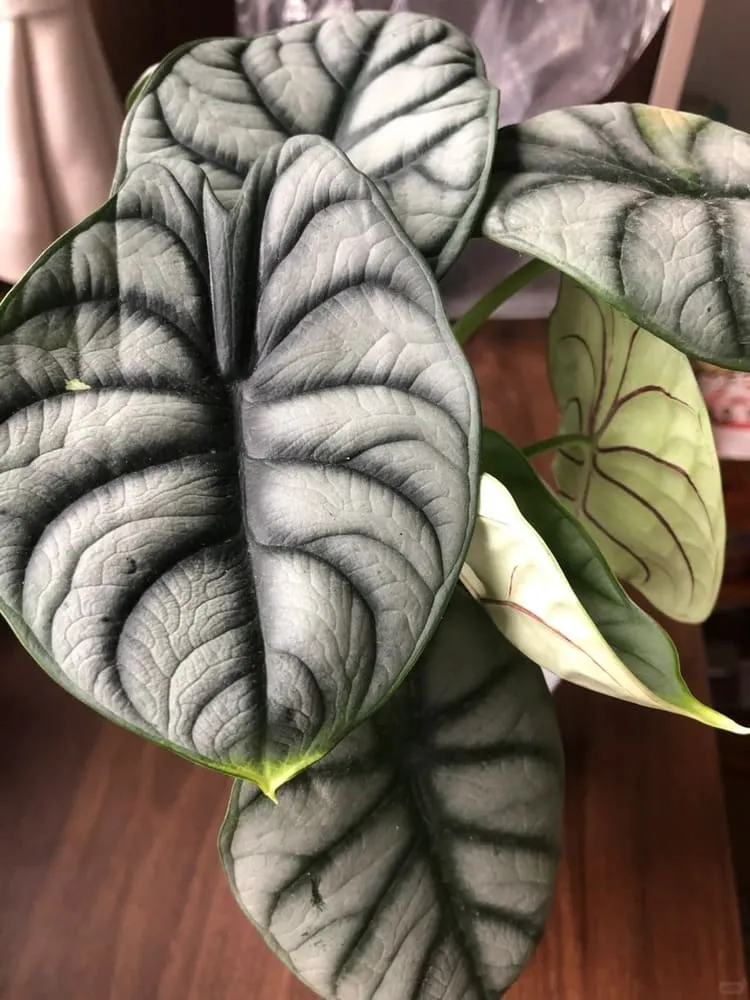
They’re not dramatic in the way some plants are — no sudden collapse overnight, no obvious single mistake you can point to. Instead, they respond fast and visibly to small misjudgments, and they make sure you notice.
The first thing that caught me off guard was how quickly they react — and how loudly. A watering decision that would barely register on a more forgiving Alocasia shows up here within days. Sometimes within hours — which is why my watering rhythm matters more than a fixed schedule.
That leads to the second issue: mistakes don’t stay hidden.
With these two, problems don’t stay hidden at the roots for long — they surface as leaf symptoms.
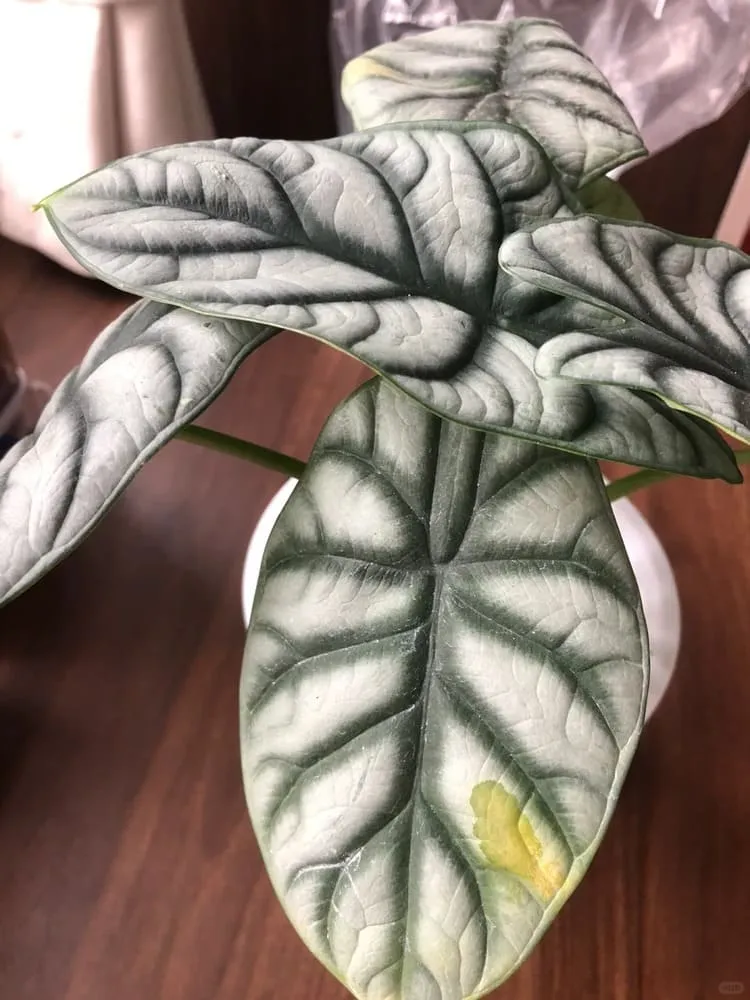
Yellow spotting, edge discoloration, subtle texture changes… the kind of signs that are easy to dismiss at first, until you realize they’re stacking up.
And once leaf damage appears, there’s no undo button — and if the issue is deeper in the pot, root trouble can be even harder to reverse. You don’t “fix” a leaf; you only learn from it.
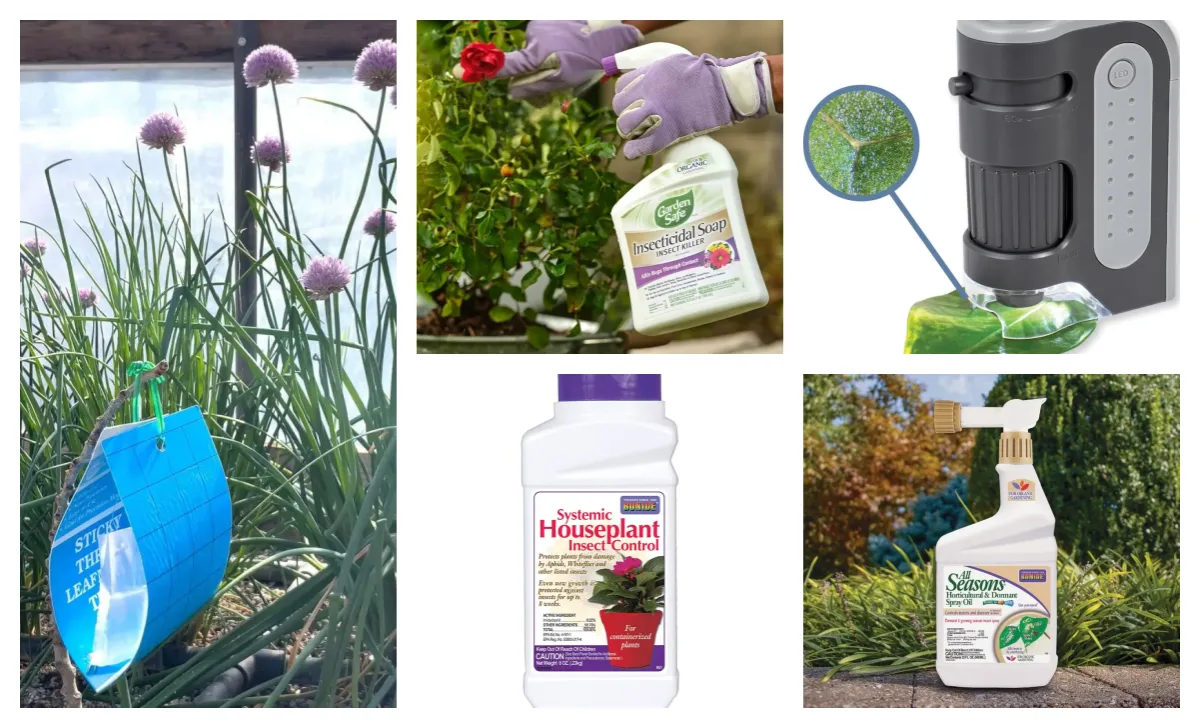
The third reason I hesitate to recommend them to low-effort growers is pest pressure.
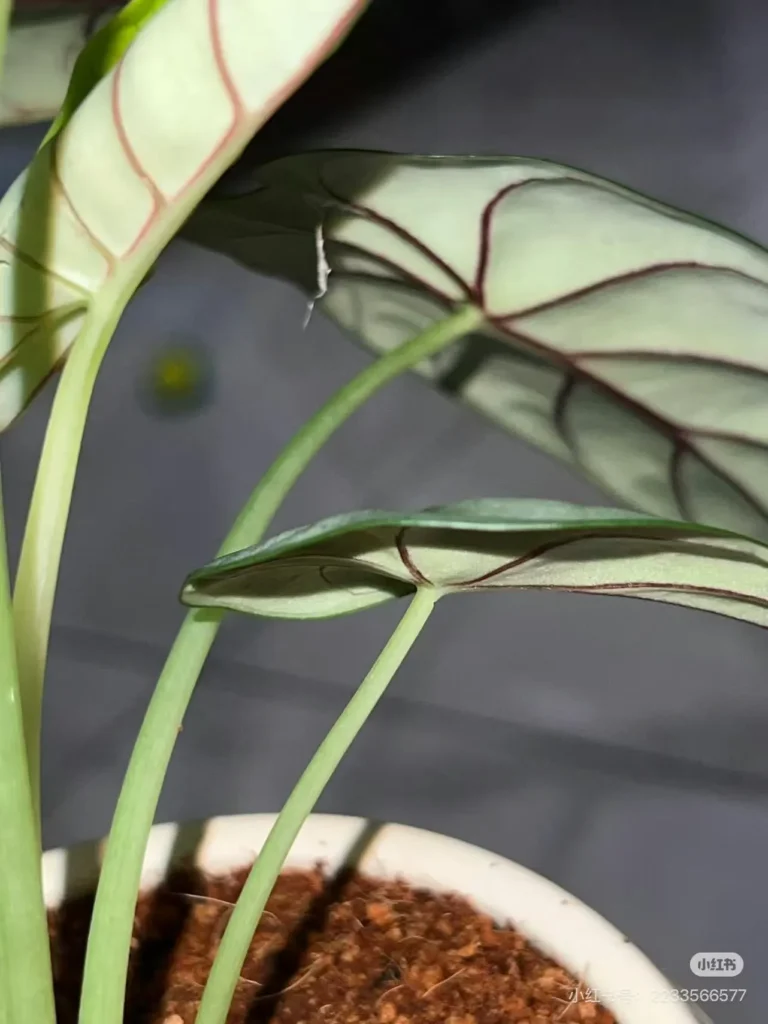
Compared to most Alocasias I’ve grown, both Dragon Scale and Silver Dragon seem to invite trouble the moment conditions drift out of balance.
High temperatures combined with drier air? Spider mites don’t hesitate. And once they show up, management becomes a routine, not a one-time fix.
None of this makes these plants bad.
But it does make them poor matches for anyone looking for calm, low-intervention houseplants.
If your idea of enjoyment is watering on a loose schedule, letting plants recover at their own pace, and trusting that small mistakes will smooth themselves out — these two will test your patience fast.
Dragon Scale vs Silver Dragon: Why People Keep Confusing Them (And Why That Matters)
One of the reasons people struggle with these two isn’t a lack of information — it’s a false sense of familiarity.
On the surface, Dragon Scale and Silver Dragon feel closely related. Close enough that many growers assume if they can handle one, the other will slot right into their routine — which is why Dragon Scale care catches people off guard. That assumption is where most of the trouble starts.
Visually Similar, Behaviorally Different
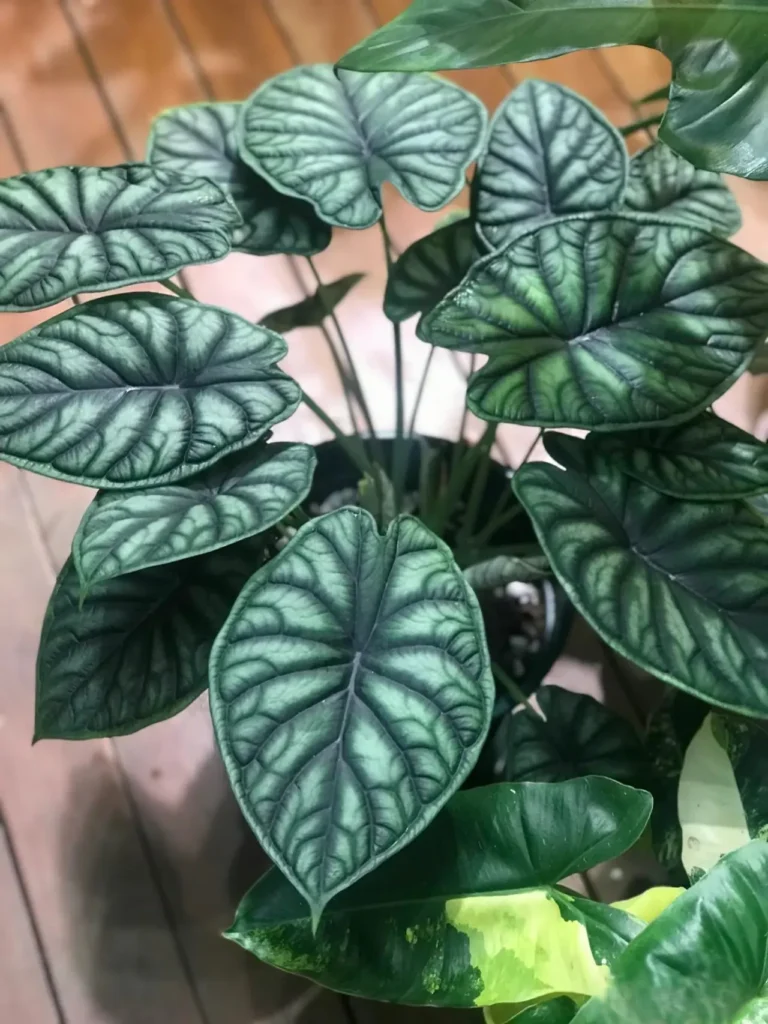
Visually, the confusion makes sense.
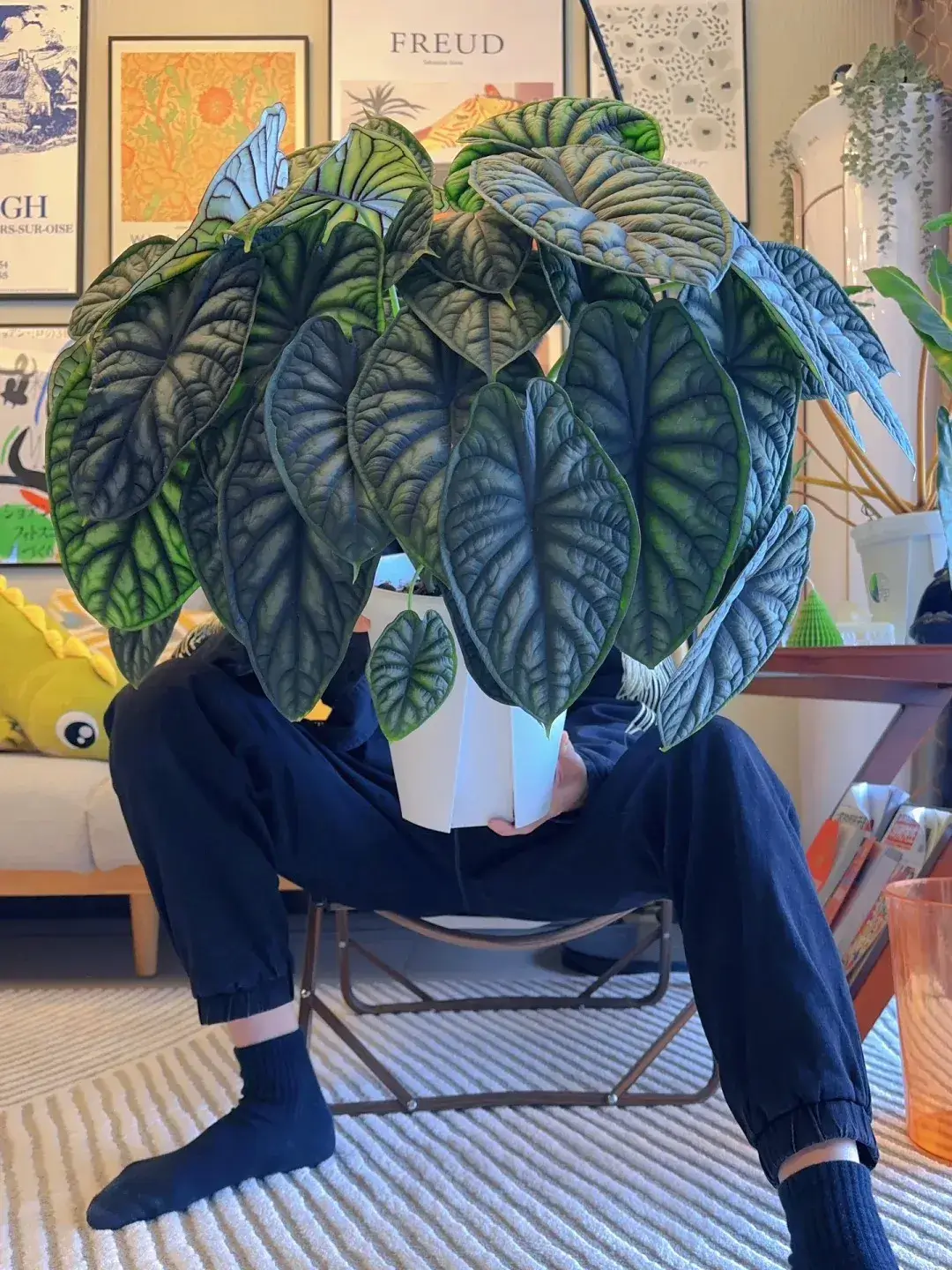
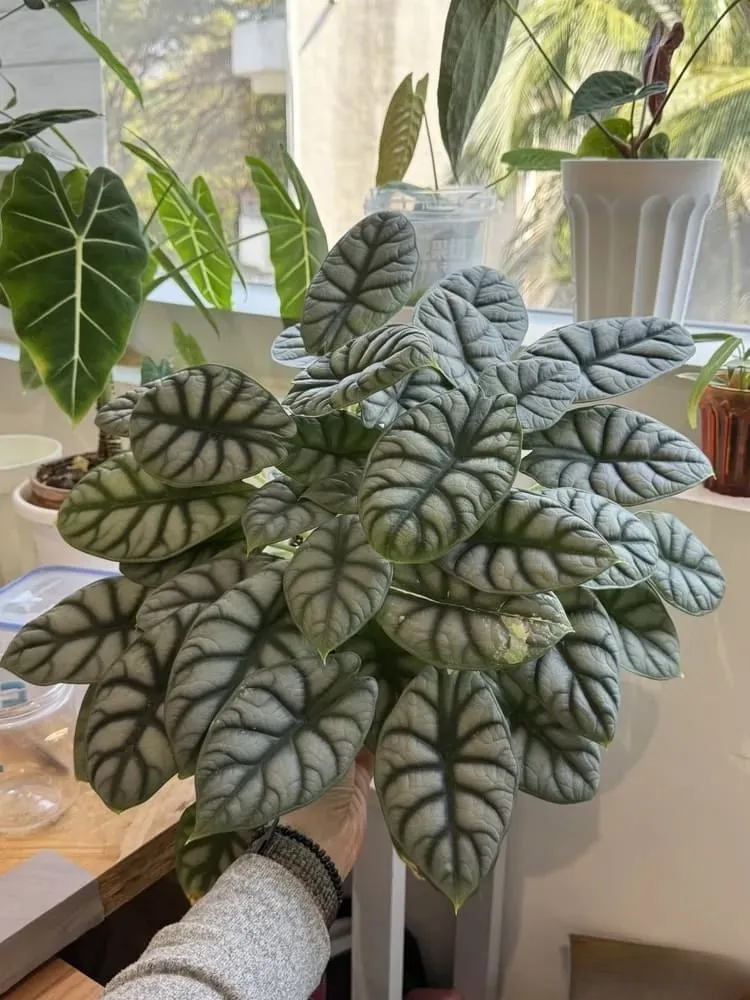
Both have that armored, scale-like texture that immediately sets them apart from softer-leaf Alocasias. Both share a similar leaf structure — thick, upright, and sculptural — the kind that looks stable and resilient even when it isn’t.
But living with them reveals a different story.
Despite the visual overlap, their tolerance levels are not the same. What Silver Dragon might tolerate for a while, Dragon Scale can react to much faster. And sometimes in subtler ways that are easy to misread at first. The problem isn’t that one is “harder” than the other in absolute terms — it’s that they punish assumptions.
You think you already understand the rules.
They quietly change them.
That mismatch between how similar they look and how differently they behave is exactly why growers get caught off guard.
Once You Own One, the Other Becomes Hard to Resist
There’s another layer to this confusion that has nothing to do with care — and everything to do with psychology.
Once you’ve lived with one of them, the other stops feeling like a risk.
After owning Silver Dragon, seeing Dragon Scale doesn’t trigger the same hesitation as a completely unfamiliar plant would. The texture looks familiar. The form feels recognizable. Your brain categorizes it as “something I already know,” even if the reality is more complicated.
That familiarity lowers resistance.
You’re no longer asking, “Can I handle this?”
You’re thinking, “This is basically in the same family — I’ll figure it out.”
And that’s how collections quietly spiral.
Not because you planned to expand.
Not because you needed another plant.
But because once the visual language feels familiar, the decision stops feeling like a decision at all.
This is where many Alocasia growers realize — a little too late — that the hardest part isn’t keeping these plants alive.
It’s knowing when familiarity is helping you… and when it’s misleading you.
My First Failure: Losing Dragon Scale to Cold Stress
I bought my first Dragon Scale in early autumn, at a time when the days still felt mild but the season was already shifting. I didn’t think of it as a risky moment. Many houseplants handle that transition just fine.
This one didn’t.
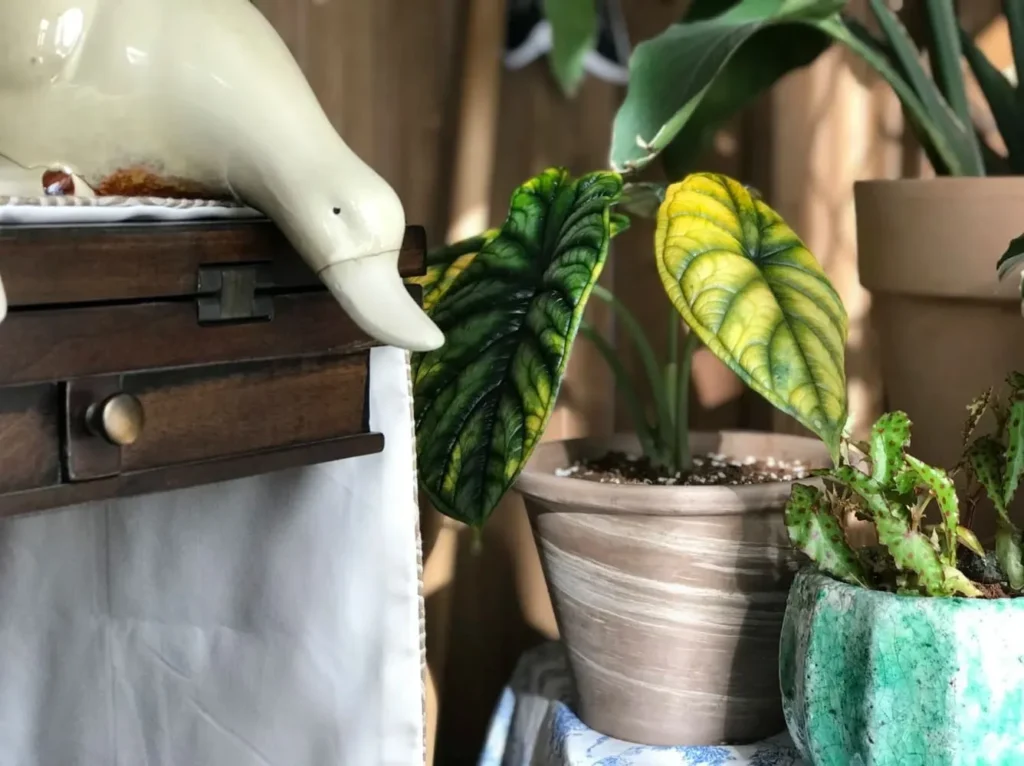
The exposure wasn’t dramatic. There was no sudden frost, no obvious shock event. A few cooler days slipped in quietly — temperatures dipping below 15°C — and that kind of indoor seasonal swing was enough to start a slow decline. At first, nothing looked alarming. The leaves didn’t collapse overnight. There was no instant visual cue screaming “emergency.”
That was the problem.
The plant didn’t fail loudly.
It just… never recovered.
Over time, growth stalled. Existing leaves lost strength. One by one, the stems weakened until there was nothing left to hold onto. By the time it was clear what was happening, the trajectory couldn’t be reversed. Eventually, the entire plant died back.
What stuck with me wasn’t just the loss — it was how quiet and irreversible the process was. Dragon Scale didn’t punish me for doing something extreme. It responded to a subtle mismatch between its tolerance and my environment.
That experience changed how I look at Alocasias. Some plants give you room to correct course. This one didn’t.
My Second Attempt: Caring for Silver Dragon (And Why It’s Still Challenging)
After losing Dragon Scale, I didn’t rush back in. When I eventually brought home a Silver Dragon months later, it wasn’t out of impulse — it was with intention. I wanted to see whether a different approach, in a more controlled moment, would lead to a different outcome.
This time, I paid close attention to the setup.
My Setup (So You Know This Wasn’t Neglect)
Silver Dragon wasn’t placed randomly in my home. It lived by a north-facing window with consistent bright, indirect light — no harsh sun, no deep shade. Air circulation was intentional, not accidental, with a small fan keeping the space from going stagnant.
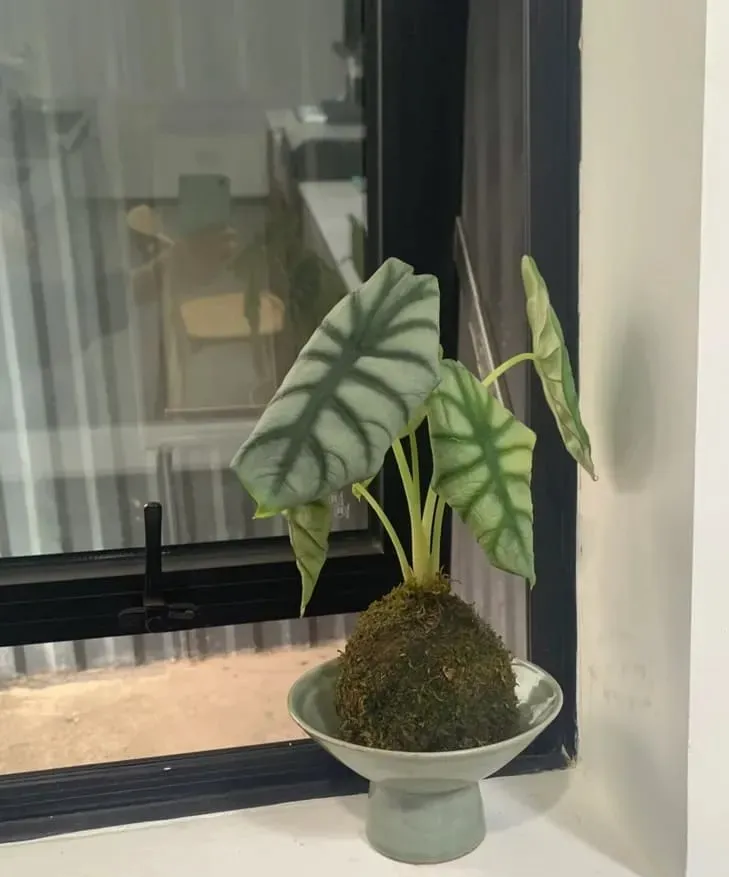
Room temperature stayed steady, without sharp swings. No cold drafts. No heat spikes.
The soil wasn’t generic potting mix either. I used an aroid base and added mineral components to keep it open and breathable — enough structure to drain well, but not so coarse that moisture disappeared overnight.
In other words, this wasn’t a case of “I stuck it somewhere and hoped for the best.”
And yet, even under these conditions, Silver Dragon remained demanding. Not impossible — but constantly responsive. Small changes showed up quickly. Leaves communicated stress early and often. Care felt less like maintenance and more like ongoing negotiation.
That contrast is what makes Silver Dragon fascinating — and exhausting — at the same time.
The Real Issue: Guttation That Causes Leaf Damage
What truly tested my patience with Silver Dragon wasn’t pests, light, or even temperature.
It was guttation — and not in the harmless way it’s often described.
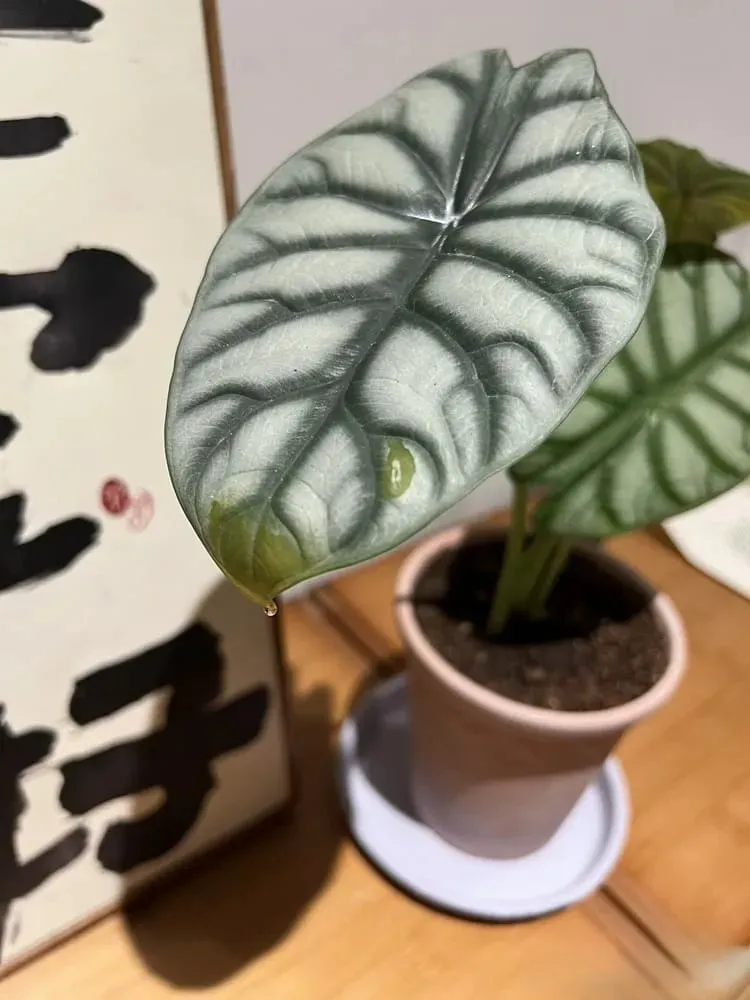
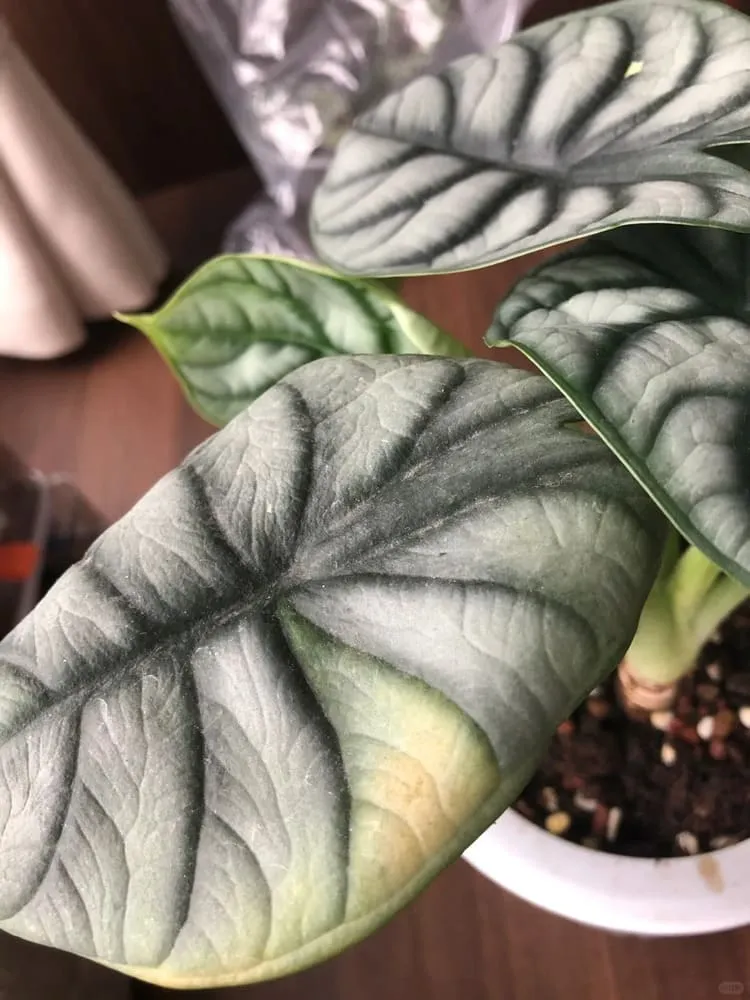
In theory, guttation is just excess moisture being released. In practice, with Silver Dragon, those water droplets became a recurring source of leaf damage. After watering, beads would form at the leaf tips and edges. I’d wipe them away, thinking that was enough. But if I missed one — or if it dripped onto the leaf below — yellow spotting would slowly appear exactly where the water had sat.
This wasn’t an occasional issue.
It was repeatable. Predictable. And frustrating.
The damage didn’t look dramatic at first. No rot, no collapse — just discolored patches that never went away. Over time, the leaves started telling a story: not of disease, but of constant micro-stress. The kind that doesn’t kill a plant outright, but quietly erodes its appearance.
The most unrealistic part was the expectation that I should constantly intervene.
I don’t live next to my plants with a paper towel in hand. I can’t hover after every watering, watching for droplets to form, wiping them again and again, hoping none fall onto another leaf. That kind of care isn’t mindful — it’s exhausting.
And that’s when I had to be honest with myself.
If a plant requires me to babysit water droplets, something is off.
Not wrong.
Not impossible.
But out of sync with how I actually live with plants.
This wasn’t about technique anymore. It was about whether the level of attention demanded matched the enjoyment I was getting in return.
The Real Cost of Living With Them
Before deciding whether Dragon Scale or Silver Dragon belongs in your home, there are a few realities worth stating plainly — things sellers rarely emphasize, and care guides often soften.
First, both are toxic to cats.
If you live with a cat that likes to chew leaves, this alone should give you pause. There’s no clever workaround here. Management means constant vigilance, placement compromises, or simply accepting ongoing risk.
Second, the sap isn’t friendly either.
Routine pruning, cleaning, or even accidental damage releases sap that can irritate skin. Gloves aren’t optional if you’re sensitive — they’re a habit you need to build. It’s a small thing, but it adds to the overall friction of care.
And then there’s pest pressure.
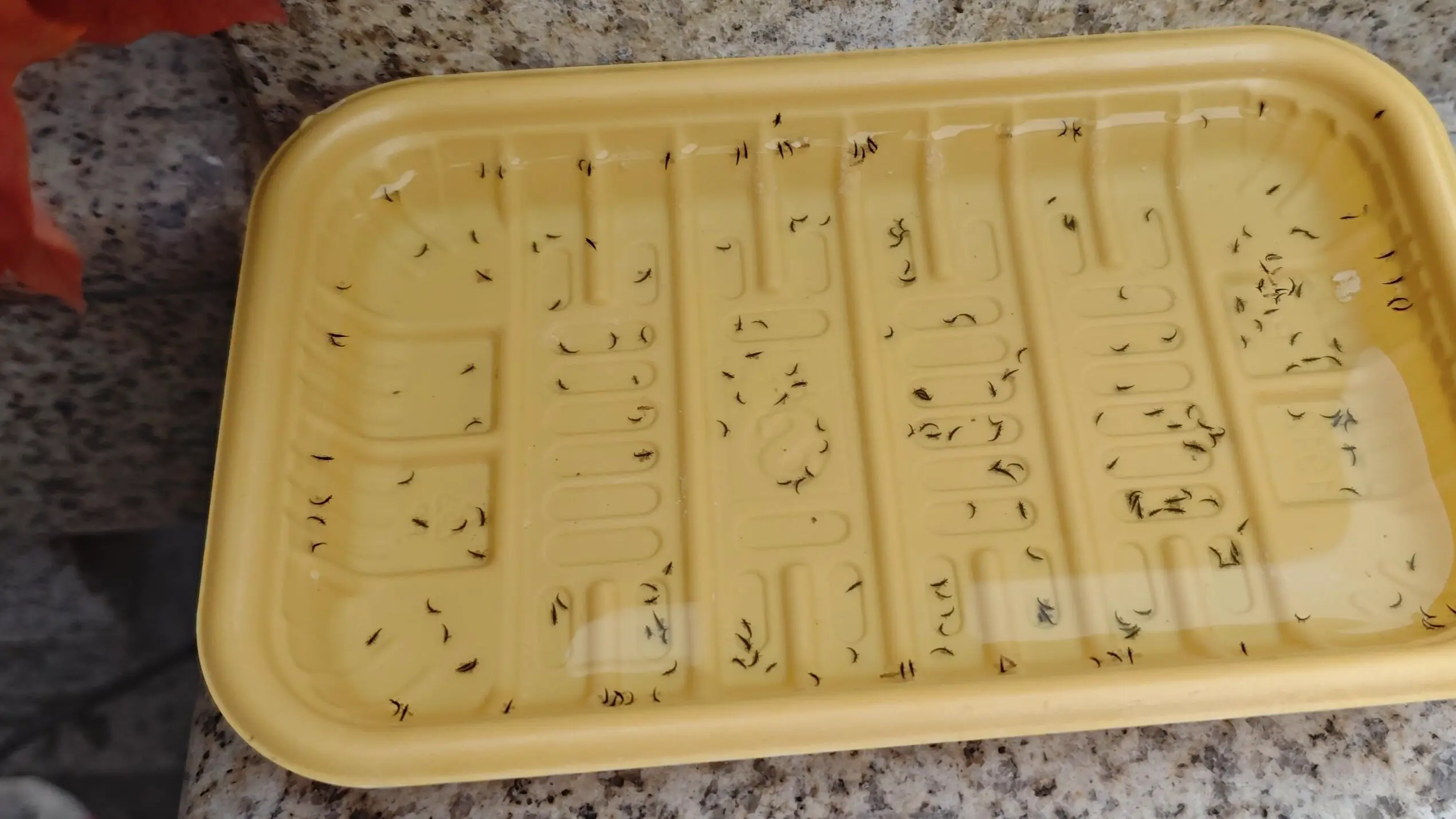
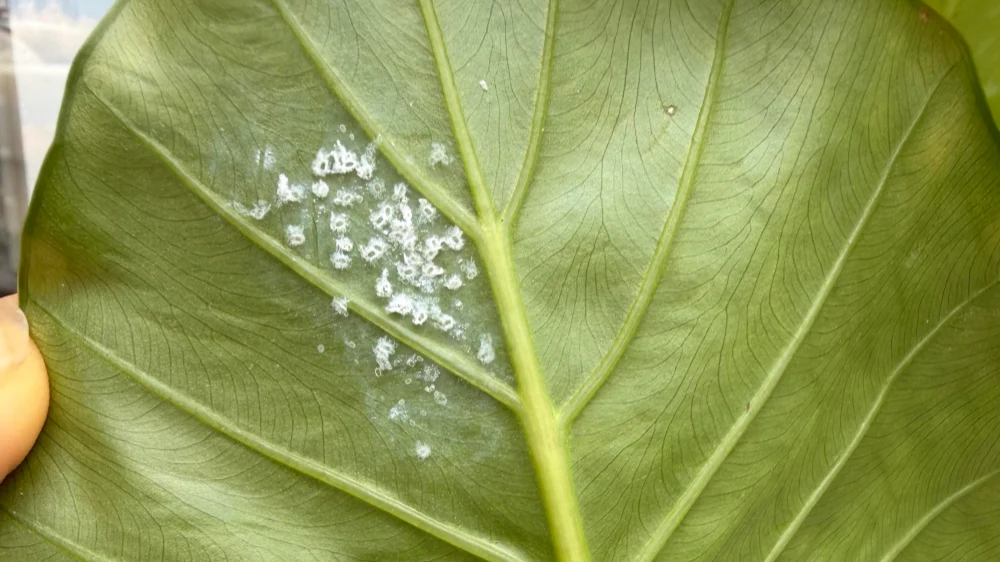
Both Dragon Scale and Silver Dragon are especially vulnerable to spider mites when conditions drift even slightly out of balance. High heat combined with humidity dropping below about 50% creates the perfect opening. When that happens, mites don’t arrive slowly — they multiply. Fast.
This isn’t a one-time battle.
It’s ongoing surveillance.
Leaf checks.
Preventive wiping.
Repeated interventions.
So here’s the line I always come back to:
If spider mites already scare you, take three steps back now.
Not because these plants are doomed to fail — but because they require a level of attentiveness that many people underestimate.
Which brings me to the real question.
Would I recommend Dragon Scale or Silver Dragon?
That depends less on your skill level, and more on how you relate to plants.
- If you enjoy experimenting, adjusting, observing, and fine-tuning — yes, you might find them deeply rewarding.
- If you’re able to learn from failure without taking it personally — maybe. They’ll teach you, but not gently.
- If what you want is a calm, forgiving plant that recovers quietly from small mistakes — no. Neither of these fits that role.
These Alocasias aren’t “difficult” in a dramatic way. They’re demanding in a cumulative one. Each small requirement adds another layer of attention, until care becomes an ongoing conversation rather than a routine.
So if you’ve read this far and still feel drawn to them — not because they look impressive, but because you’re willing to meet them on their terms — then yes, you might be ready.
If not, walking away isn’t missing out.
It’s choosing a plant that fits your life, not just your taste.
And that, in my experience, is the decision that actually leads to better plants — and less regret.
FAQ
Silver Dragon isn’t impossible for beginners, but it’s unforgiving. Small mistakes show up quickly, and recovery isn’t always guaranteed. If you’re new to Alocasias and want something that gives you room to learn quietly, this wouldn’t be my first recommendation.
Silver Dragon reacts quickly but often gives visual warnings. Dragon Scale, on the other hand, can decline slowly and irreversibly after stress — particularly cold exposure. It doesn’t always give you a clear moment to intervene.
Water droplets forming at the leaf tips can drip onto other leaves and cause yellow spotting where the moisture sits. These marks don’t fade. Wiping constantly helps, but it’s not realistic long-term, which is why watering strategy matters so much with this plant.
I saw the biggest improvement when I stopped watering to full runoff every time and paid closer attention to how moisture moved through the pot. Less excess water meant less guttation. That said, some level of leaf sweating is still part of how this plant behaves.
If your cat chews leaves or explores plants frequently, I wouldn’t recommend either one. Even with careful placement, managing the risk adds another layer of stress that’s easy to underestimate.
If what you want is a calm, forgiving houseplant that bounces back from small mistakes, these two will likely frustrate you. They’re better suited to growers who enjoy observing, adjusting, and learning through trial — not those looking for a hands-off experience.
Love discovering new Alocasias?
Explore more velvet, variegated, and large-leaf varieties in our Alocasia Varieties Hub.
Go to Varieties Hub →