I expected Alocasia Wentii to behave like a typical Alocasia — beautiful, fast when happy, but quick to complain when conditions were slightly off. Instead, it turned out to be much tougher than I expected.
In my home, Wentii handles brighter light better than many Alocasias I grow, and it does not collapse as quickly when the mix gets a little dry. Compared with my Alocasia Sarian, it feels less dramatic when I miss the perfect watering window.
But that does not mean it is impossible to damage. One hot, wet mistake still gave mine Alocasia root rot. I watered during a period of unstable heat, when the room sometimes climbed above 31°C, and the wet root zone clearly became too much for the plant. That experience changed how I care for Wentii now: I still think it is one of the tougher Alocasias, but I no longer underestimate warm, stagnant moisture around the roots.
What Alocasia Wentii Is Like as a Houseplant
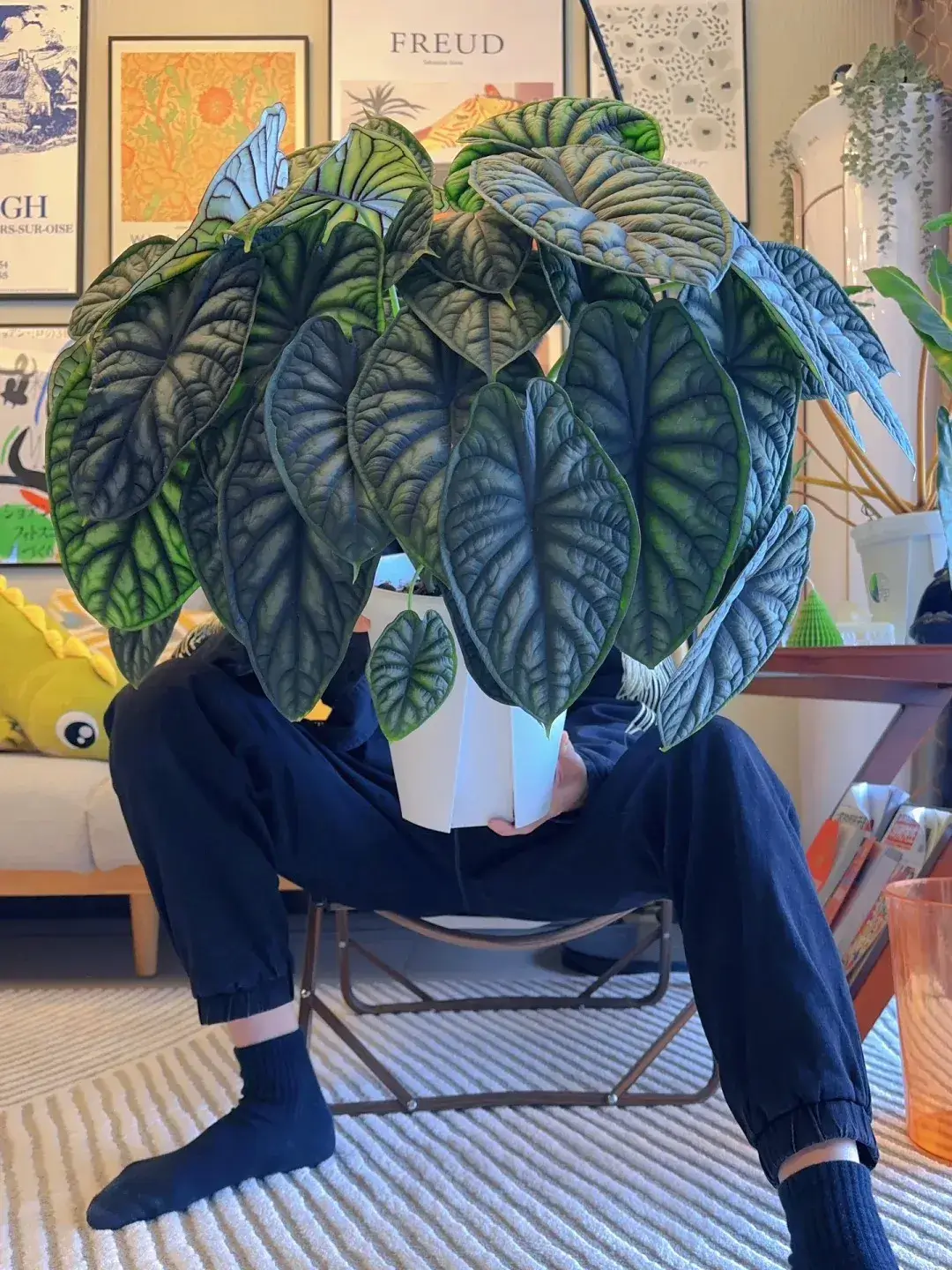
Alocasia Wentii is not a small, delicate-looking Alocasia. It has a stronger presence indoors, with large leaves, long petioles, and a broad shape that can quickly make a corner feel more tropical.
Big Leaves, Strong Growth, and a Rainforest Look
What I like most about Wentii is how quickly it can create that rainforest feeling with just one plant. The leaves are large enough to catch attention, but the plant still feels easier to place indoors than some extremely oversized elephant ear types.
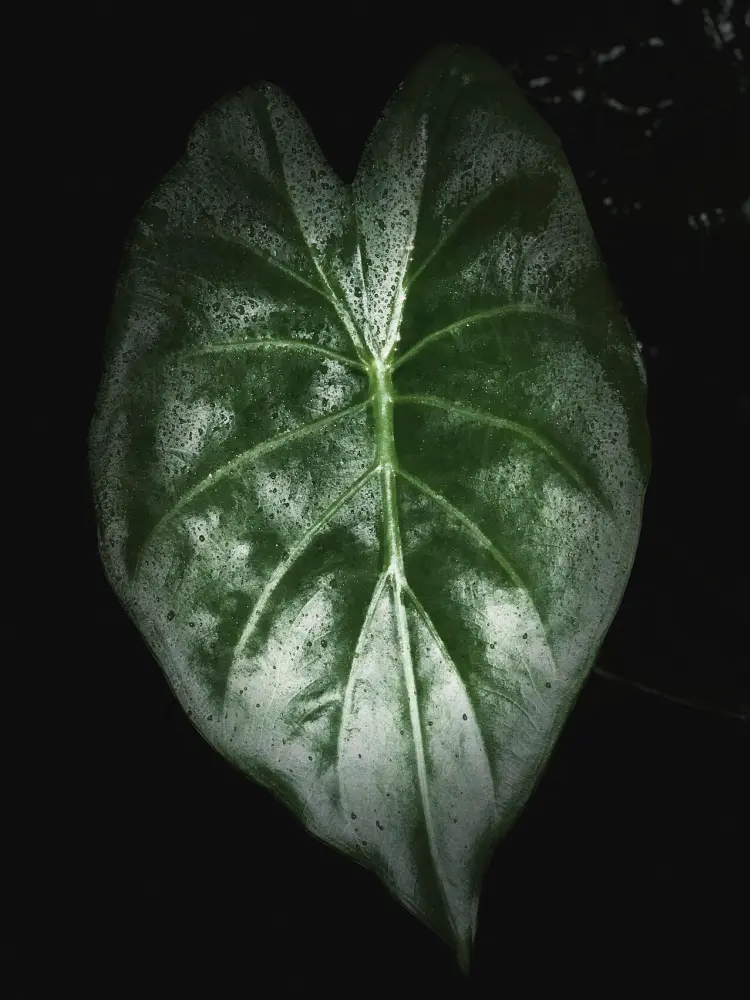
If you want a bold tropical plant without filling the room with several smaller pots, Wentii makes sense. A healthy plant can build a wide canopy over time, so I would give it more space than a small tabletop Alocasia.
New Leaves Can Change Shape Slightly
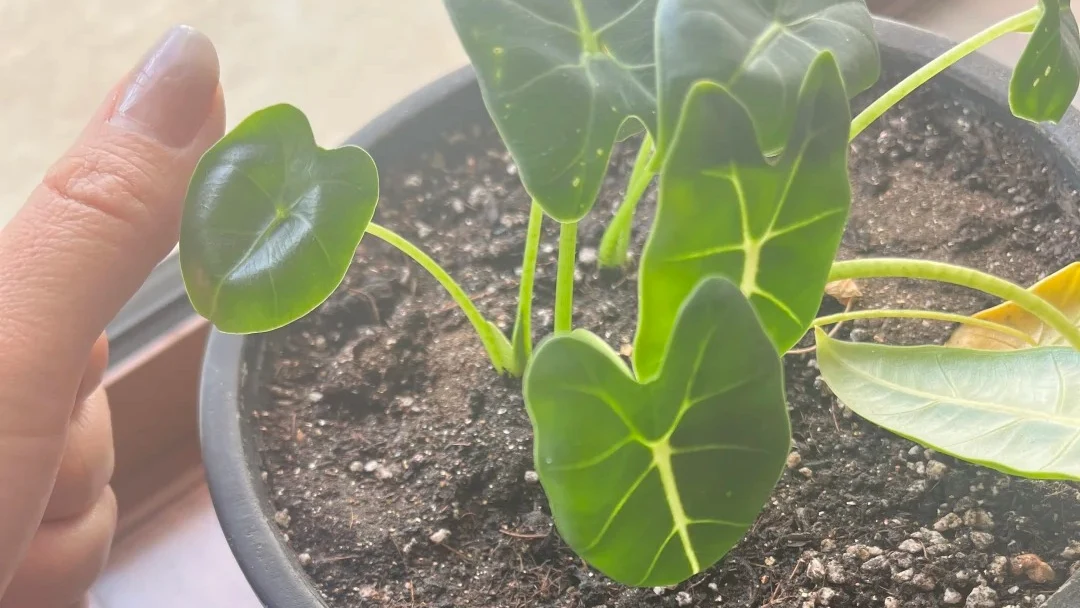
One detail I noticed with my Wentii is that the new leaves do not always look exactly the same. Some come out rounder, while others look more pointed. That small variation is part of its charm, not automatically a sign that something is wrong.
I would not judge this plant by one new leaf alone. If the leaf is firm, the color looks healthy, and the plant keeps growing, a slightly different shape is usually nothing to worry about.
Why I Think Wentii Is Easier Than Many Alocasias
I would not call Alocasia Wentii completely trouble-free, but compared with many Alocasias, it feels more forgiving in daily indoor care. If you are comparing beginner-friendly Alocasias, Wentii belongs closer to the easier side, as long as the roots stay healthy.
It Handles Stronger Light Better
My Wentii has tolerated brighter light better than some fussier Alocasias I grow. That does not mean I would put it in harsh direct sun all day, especially behind hot glass, but it does not seem to panic as quickly in a brighter indoor spot.
In good light, the plant grows with more confidence and holds its shape better. For me, this makes Wentii easier to place indoors than Alocasias that need brightness but become stressed quickly when the light gets a little stronger.
It Does Not Wilt as Dramatically When Slightly Dry
Compared with my Alocasia Sarian, Wentii does not bend down as quickly when the mix gets a little dry. Sarian can look dramatic very fast, while Wentii gives me a bit more time before it starts looking stressed.
That makes a real difference in normal home growing. If you sometimes miss the perfect watering window by a day or two, Wentii feels less punishing than some thinner-leaved or more dramatic Alocasias.
It Keeps Growing If the Roots Stay Healthy
When I bought mine, it had only three leaves. Over time, it kept producing new leaves steadily. It also consumed some older leaves along the way, but the total leaf count still increased, which told me the plant was moving in the right direction.
That is how I prefer to judge Alocasia growth now. I do not expect every old leaf to stay forever. If the plant is adding new growth, holding a strong base, and slowly becoming fuller overall, I see that as a much better sign than trying to keep every single old leaf perfect.
The Root Rot Episode That Changed How I Water It
The moment that changed my care routine for Alocasia Wentii was not a dramatic collapse. It started with one new leaf that looked slightly wrong.
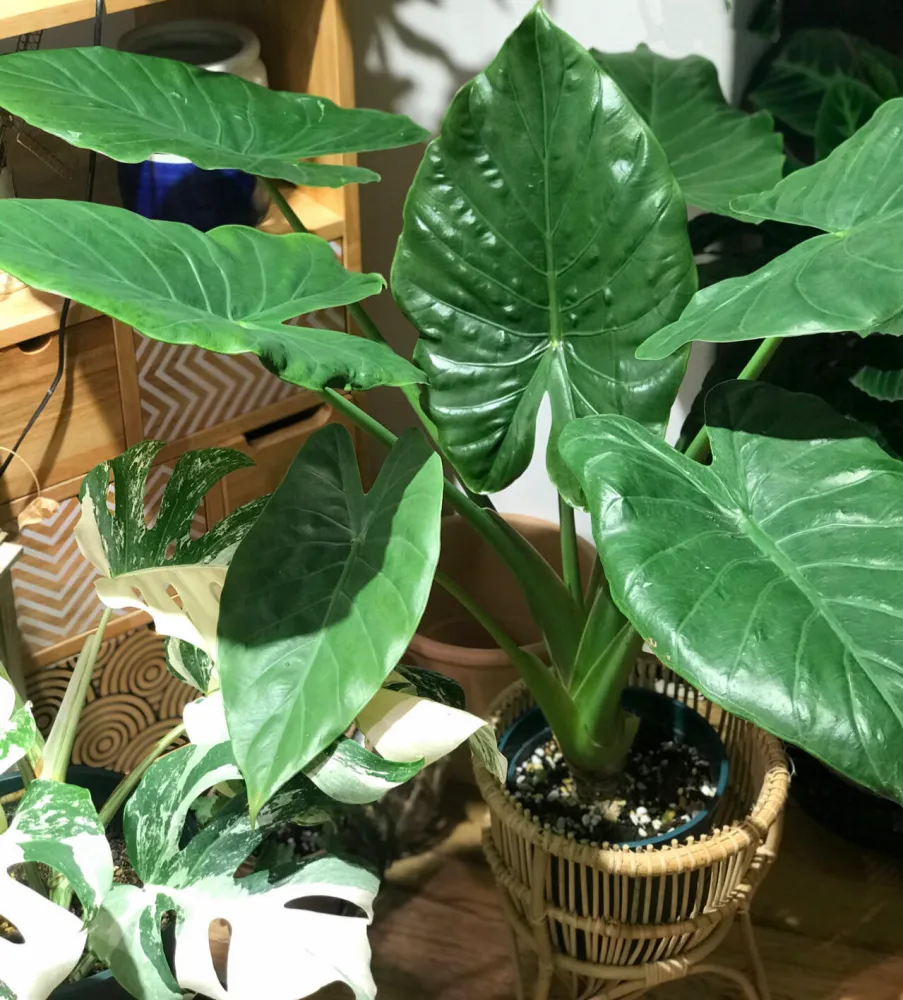
The First Warning Sign Was a Strange New Leaf
The newest leaf did not come out normally. It was not a huge problem at first glance, but the shape and texture felt off enough that I became suspicious. With Alocasias, I have learned not to ignore strange new growth, especially when the plant has recently gone through watering or temperature changes.
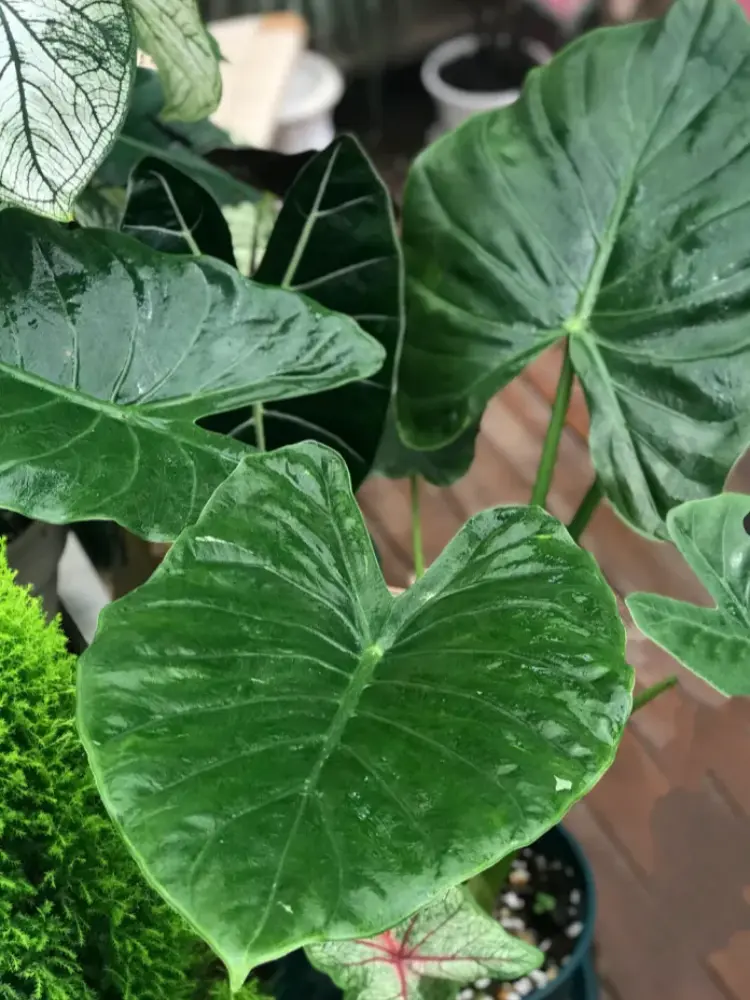
At that point, I did not assume it was a light problem or a fertilizer issue. Something about the plant made me think the roots might be struggling, so I decided to check instead of waiting for the whole plant to decline.
Unpotting Confirmed Root Rot
Once I took the plant out of the pot, the problem was clear. Some roots had already rotted. Luckily, I caught it early enough that the plant still had a chance to recover.
That is one reason I now trust early signals more than I used to. If a new leaf looks abnormal and the recent care history already feels risky, I would rather check the roots early than wait until the plant loses several leaves.
What Probably Caused It
Looking back, I think the issue came from a combination of watering and heat. The weather had been unstable, and the room sometimes climbed above 31°C. I watered because the plant was growing quickly, but that one extra watering was probably too much for those conditions.
The mistake was not simply “watering too much.” It was watering more during a hot, unstable period when the pot could stay warm, wet, and poorly aerated. That kind of root environment can lead to real overwatered Alocasia symptoms quickly, even on a tough Alocasia like Wentii.
After that, I stopped treating fast growth as an automatic reason to water more. Now I pay closer attention to temperature, airflow, and how long the pot actually stays moist after watering.
What I Do When Wentii Shows Root Stress
When Alocasia Wentii starts looking off, I now run through a short checklist instead of guessing from the leaves alone: Did I water recently? Did the room get hot? Is the pot still heavy? Did the newest leaf come out weaker or distorted?
I Do Not Wait If the New Leaf Looks Wrong
A strange new leaf can be an early root signal, especially if the plant has recently been watered during hot or unstable weather. It may not look dramatic at first. The leaf might simply come out distorted, smaller than expected, weaker in texture, or oddly shaped.
When that happens, I do not immediately blame humidity, fertilizer, or light. Those things can affect growth, but with Wentii, I take abnormal new growth more seriously if the pot has recently stayed warm and moist for too long.
I Check the Roots Before Adding More Water
Weak leaves do not always mean the plant is thirsty. This is one of the biggest lessons I learned from Wentii. If the plant looks soft or tired but the pot is still moist deeper down, adding more water can make the root zone worse.
Now, before I water again, I check how wet the mix actually is below the surface. If the pot still feels heavy, the mix smells stale, or the plant looks wrong after recent watering, I would rather inspect the roots than keep guessing from the leaves.
I Accept a Growth Pause After Root Damage
After root stress, I do not expect Wentii to keep pushing leaves right away. Even if the plant survives, one root rot episode can slow it down for several weeks. In my experience, a month of stalled growth is not surprising.
During that time, I do not push fertilizer or chase bigger leaves. I focus on helping the plant rebuild roots first: warmer stable conditions, good airflow, an airy mix, and careful watering. The leaves can wait. If the root system recovers, the plant has a much better chance of growing strongly again later.
How I Care for Alocasia Wentii Now
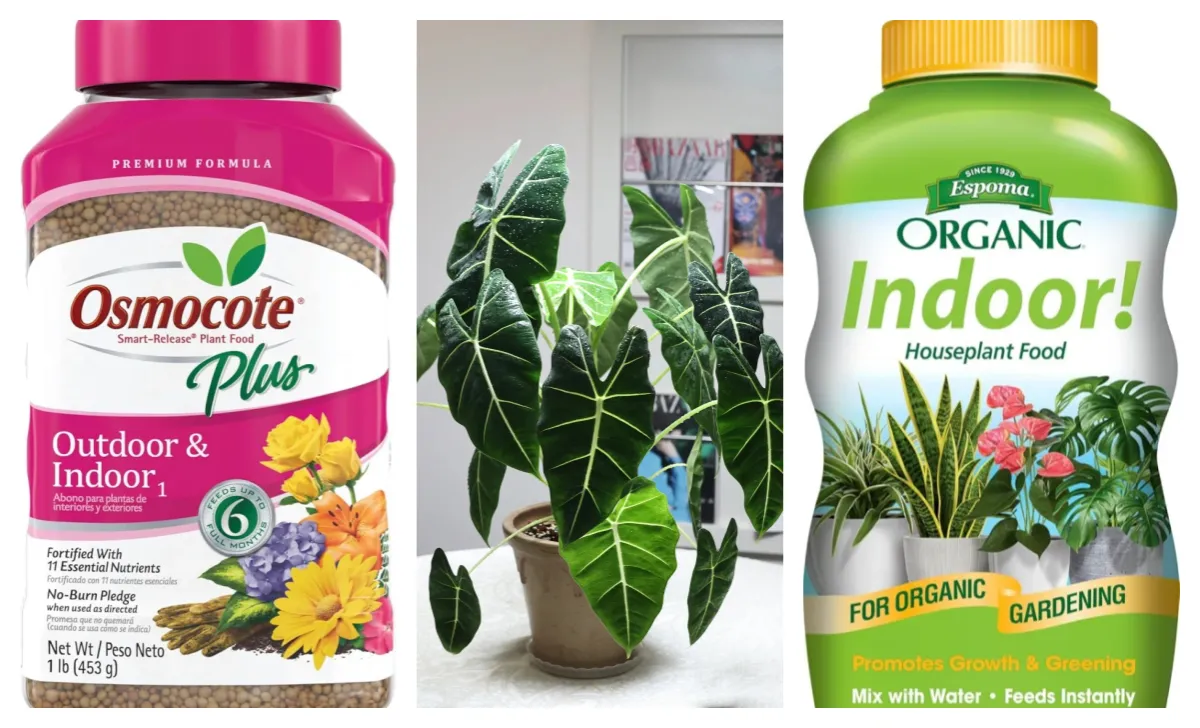
After that root rot episode, I still think Alocasia Wentii is one of the easier Alocasias I grow. I just care for it with more respect now. The plant is strong, but the roots still need air, warmth, and an Alocasia watering rhythm that matches the season.
Light
I keep my Wentii in bright indirect light. It can handle stronger light better than many of my other Alocasias, but I still avoid sudden harsh sun, especially through hot glass.
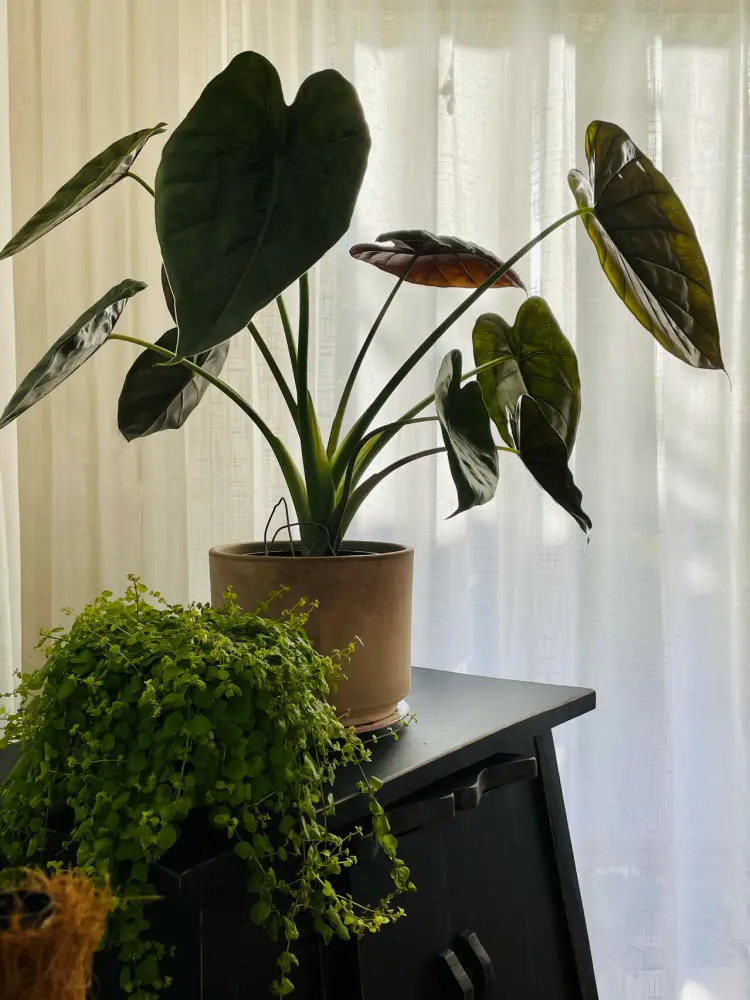
This matters even more after watering or root stress. When the pot is freshly wet and the room is hot, strong sun can make the whole root zone feel warmer and heavier. I would rather give it steady brightness than push it with intense light at the wrong time.
Watering
I water thoroughly, but only after the mix has dried down enough. I do not water just because the plant is growing fast or pushing a new leaf.
That was the mistake I made once. Fast growth can make you feel like the plant needs more water, but if the room is hot, still, or humid, the pot may not dry as quickly as expected. In those conditions, I check the mix more carefully before watering again.
Soil and Pot
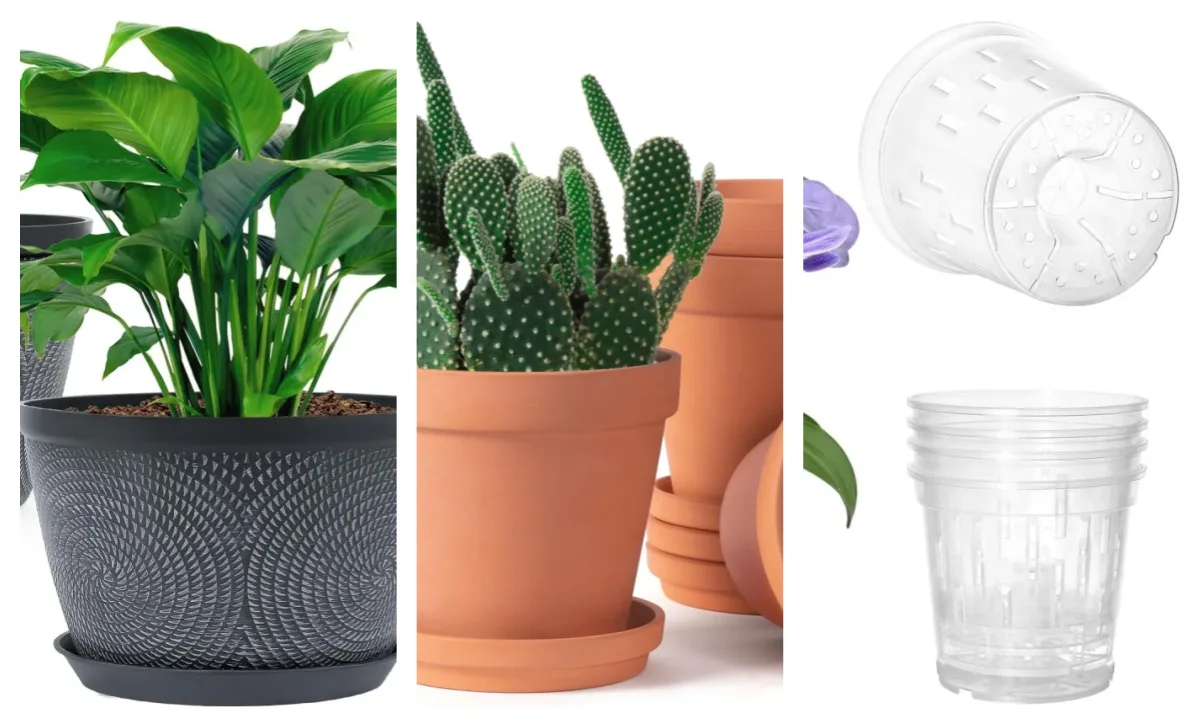
I prefer an airy Alocasia soil mix for Wentii, not a dense soil that stays wet for too long. Good drainage is important because this plant can grow large, and once the pot becomes big and heavy, it is much harder to move, inspect, or unpot quickly.
For that reason, I would not oversize the pot too much. A pot that is slightly roomy is fine, but too much extra soil around the roots can stay damp longer than the plant needs.
Temperature
Warmth helps Alocasia Wentii grow well, but heat is not always harmless. The risky combination is heat, wet soil, and poor airflow at the same time.
Big temperature swings also matter. If the room jumps from comfortable to very hot after watering, the roots can become stressed even if the plant looked strong before. Now I pay more attention to the weather and indoor temperature before giving it a full watering.
Pests
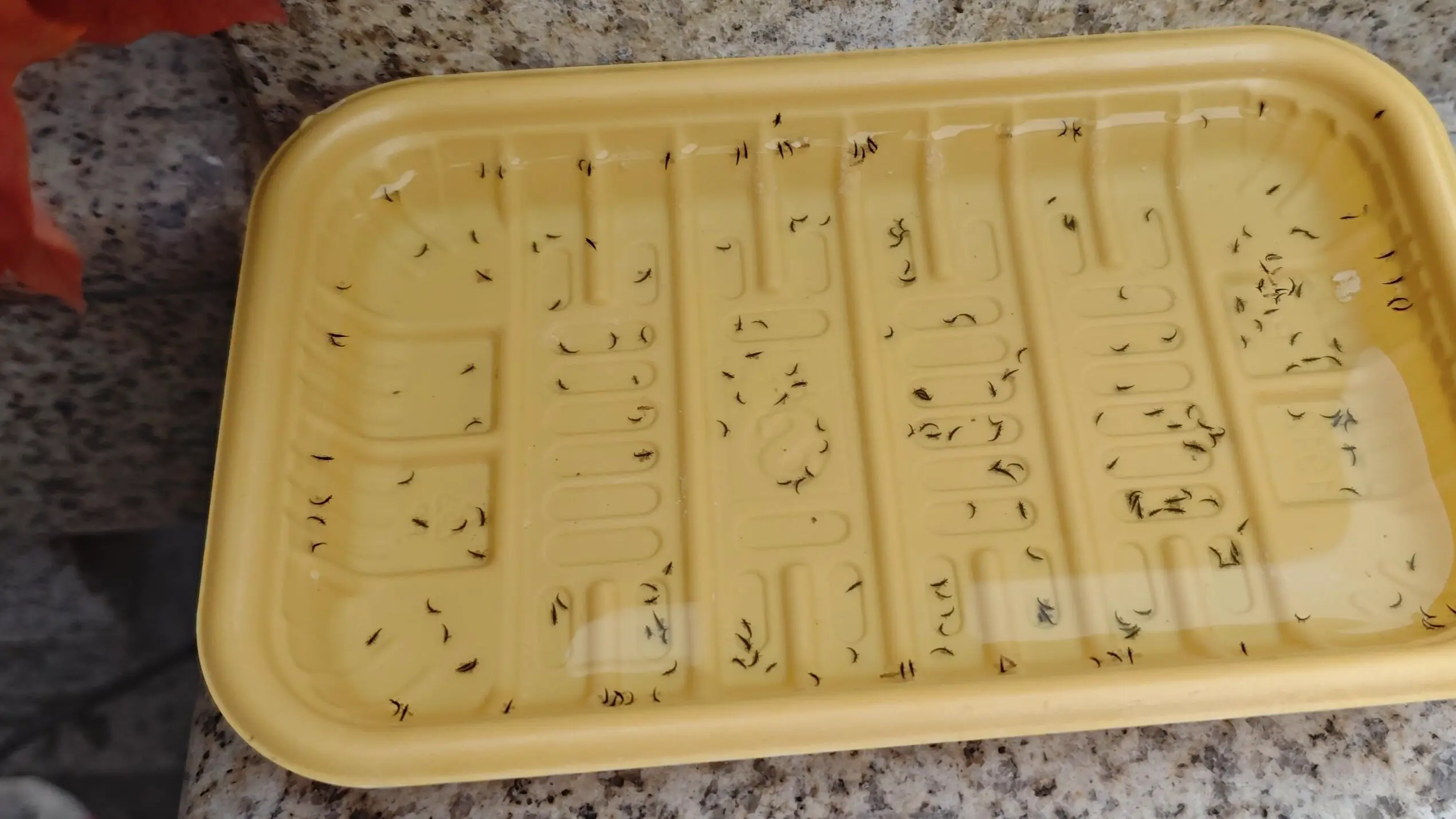
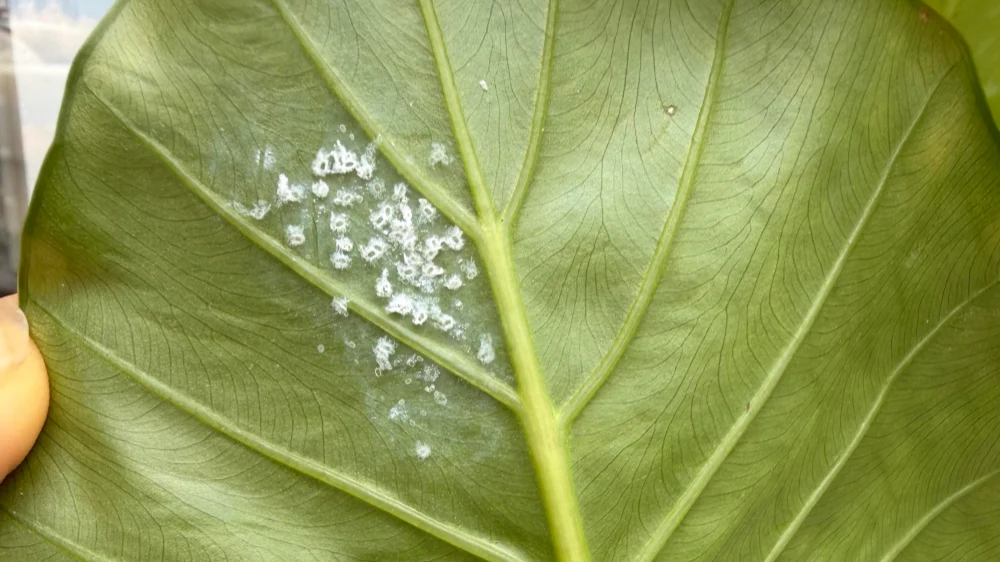
I also watch for spider mites on Alocasia. Wentii has large leaves, and early pest signs can hide on the undersides before the plant looks obviously damaged from above.
When I check the plant, I look under the leaves, along the veins, and near the petiole area. It only takes a minute, but catching spider mites early is much easier than dealing with a full outbreak later.
What New Growers Often Misread With Wentii
Alocasia Wentii is easier than many Alocasias, but it can still be misunderstood. Most problems come from treating it as either too delicate or too indestructible. In reality, it sits somewhere in the middle.
“Easy” Does Not Mean Root-Rot Proof
Wentii is forgiving, but it is still an Alocasia. That is the main thing I remind myself now. It can handle brighter light and slightly drier moments better than some types, but its roots still do not like warm, stale, wet conditions.
If the pot stays heavy for too long, or if the room gets hot and still right after watering, even a strong Wentii can run into root trouble.
Losing Old Leaves Is Not Always Failure
Wentii may consume older leaves while producing new ones. That does not automatically mean the plant is declining. When mine was growing actively, it still lost some older leaves, but the total number of leaves slowly increased over time.
I would judge the whole plant rather than one leaf. If the base is firm, new growth is coming, and the plant is becoming fuller overall, one old yellowing leaf is not a reason to panic.
A Large Pot Can Make Problems Harder to Catch
Because Wentii can become a large plant, the pot can quickly become heavy and awkward to move. That makes root checks harder, especially if you only notice a problem after the plant has already started to decline.
A bigger pot also holds more soil, and more soil can stay wet longer than expected. For Wentii, I prefer a pot that supports the plant without leaving too much empty, damp mix around the roots.
Is Alocasia Wentii Worth Growing?
Yes, I think Alocasia Wentii is worth growing, especially if you want a large, bold Alocasia that feels less dramatic than many other types. It has the size and presence to create a rainforest look indoors, but it does not react to every small mistake as quickly as some fussier Alocasias.
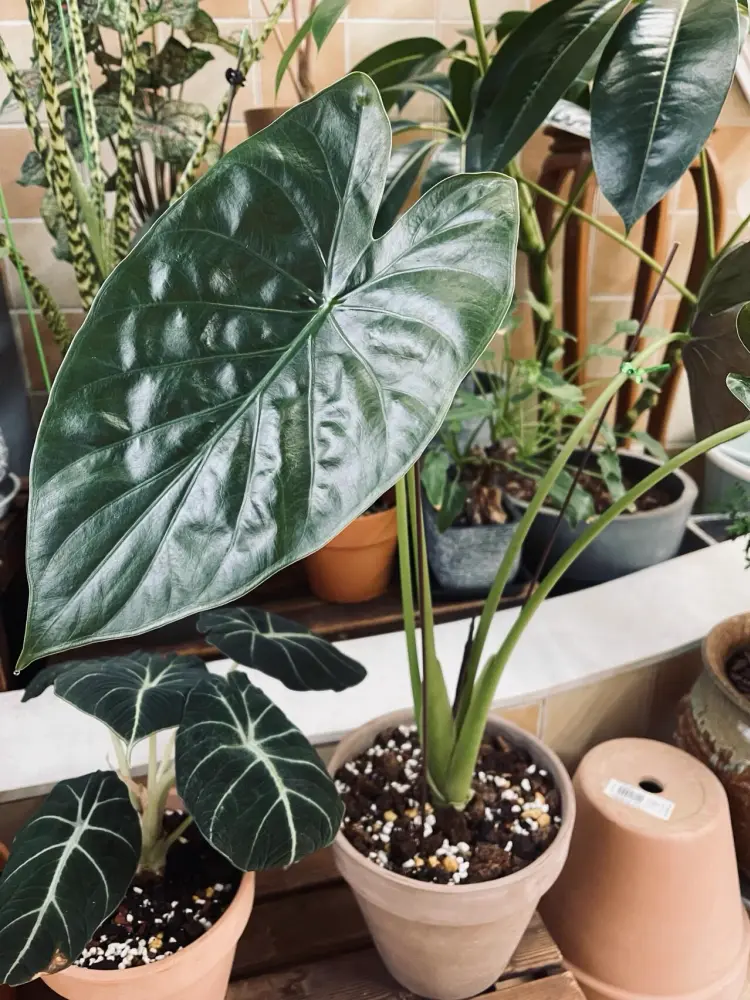
That said, it is not the best choice if you tend to overwater in heavy soil. Wentii is much easier when you can give it enough space, bright indirect light, an airy mix, and a pot that does not stay wet for too long.
For me, this plant is best for someone who wants a strong tropical statement plant without choosing the most fragile Alocasia in the room. It is forgiving, but it still rewards careful watering and healthy roots.
FAQ
Love discovering new Alocasias?
If you like the bold, tropical look of Alocasia Wentii but want to compare it with smaller, darker, or more dramatic types, browse my Alocasia varieties guide. I always find it easier to choose a plant after comparing leaf size, growth habit, and how forgiving it is indoors.
Go to Varieties Hub →