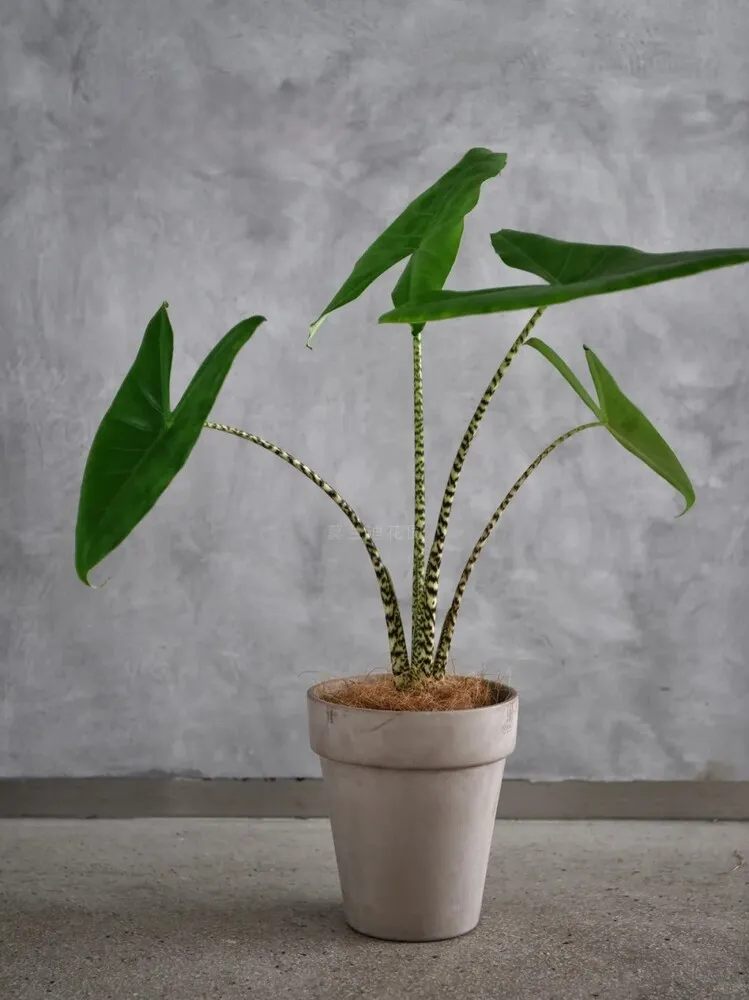
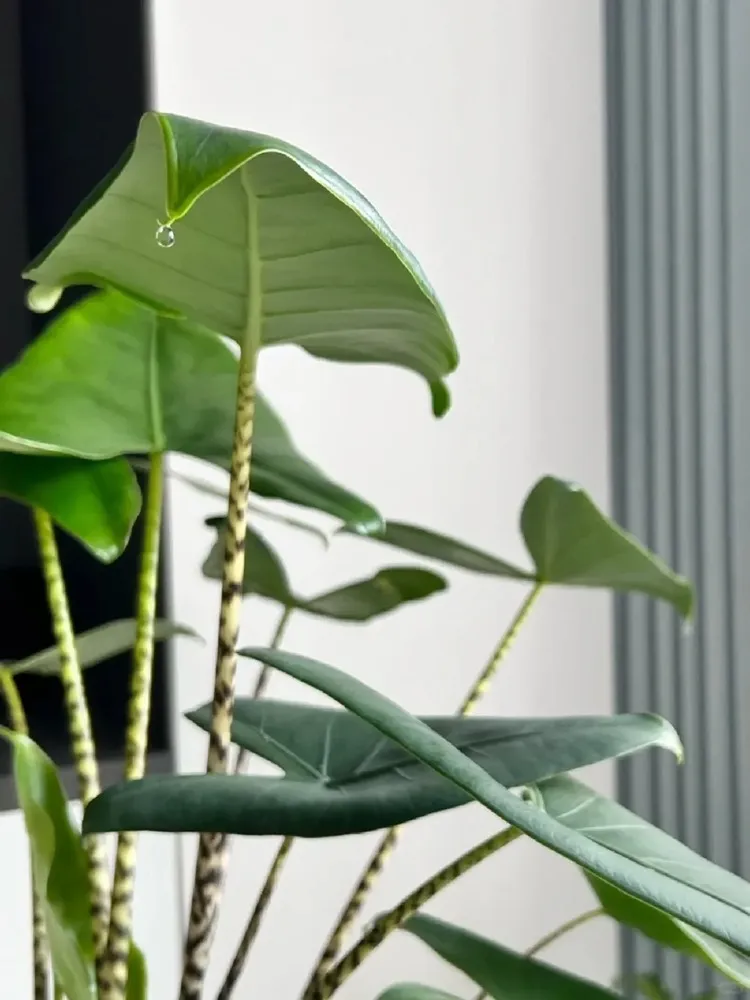
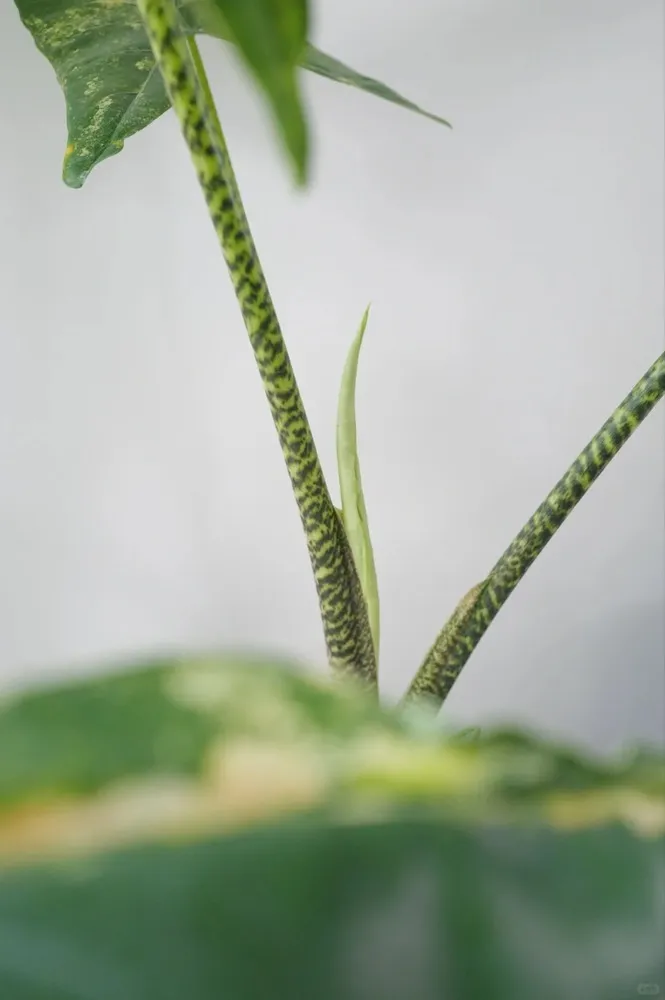
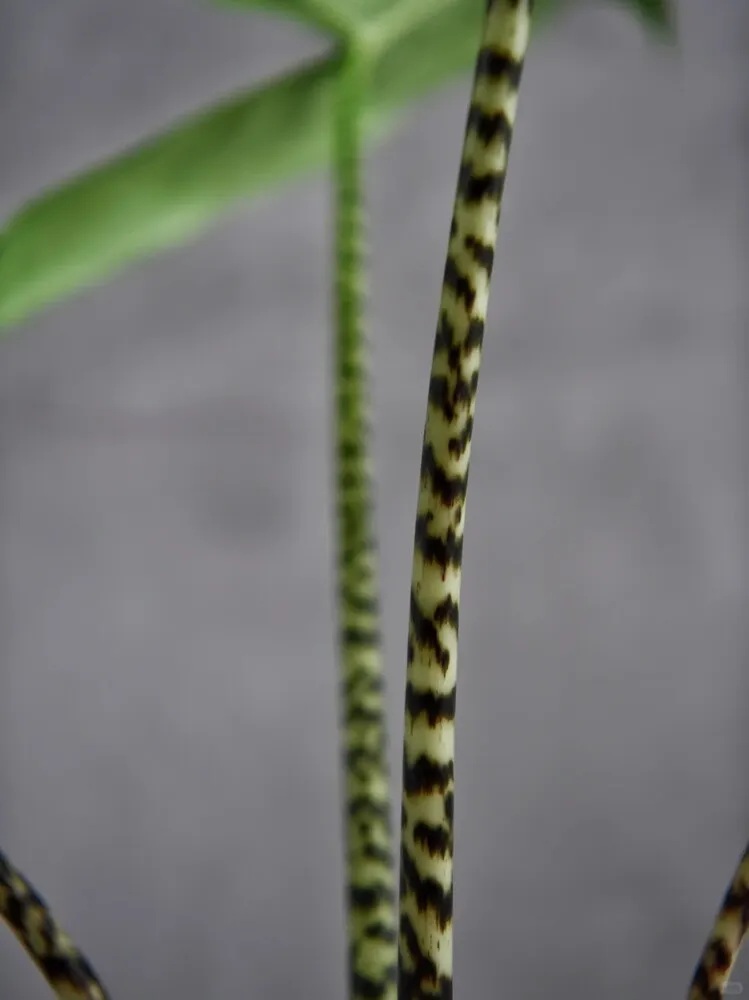
For a long time, I thought my Alocasia Zebrina was just difficult. Too sensitive, too dramatic, always on the edge of collapse. Looking back now, I realize it wasn’t fragile at all — it was being constantly chased by my good intentions.
The same pattern kept repeating. The roots would rot, I would panic and try to save it, things would seem to improve for a short while, and then everything would fall apart again. Every “almost success” was followed by an even faster failure. From the outside, it looked like bad luck or an unforgiving plant. In reality, it was a cycle I created myself.
I intervened too often and too quickly. I treated every sign as an emergency and every pause as a problem. I misunderstood water, mistaking guttation for thirst and moisture for safety. I confused high humidity with healthy roots, and rescue methods with actual recovery. Instead of giving the plant time to stabilize, I kept changing conditions, mediums, and strategies, never allowing its roots to adapt.
This story isn’t really about Alocasia Zebrina being hard to grow. It’s about how easily overcare turns into pressure, and how many times my attempt to “do something” made things worse. What I thought was careful attention was, more often than not, exactly what kept pushing it closer to collapse.
The Chain of Mistakes: How I Almost Killed It Again and Again
Looking back, none of my mistakes were extreme or unusual. That’s what makes them uncomfortable to admit. Each decision felt reasonable at the time. Together, they formed a chain that kept dragging my Alocasia Zebrina back to the edge.
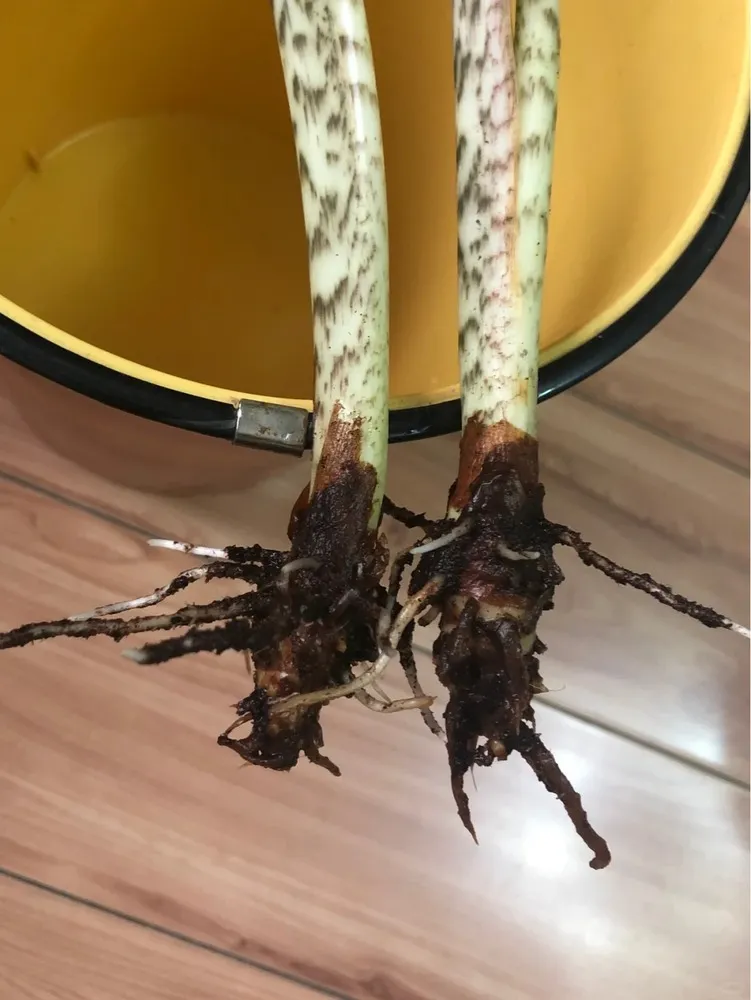
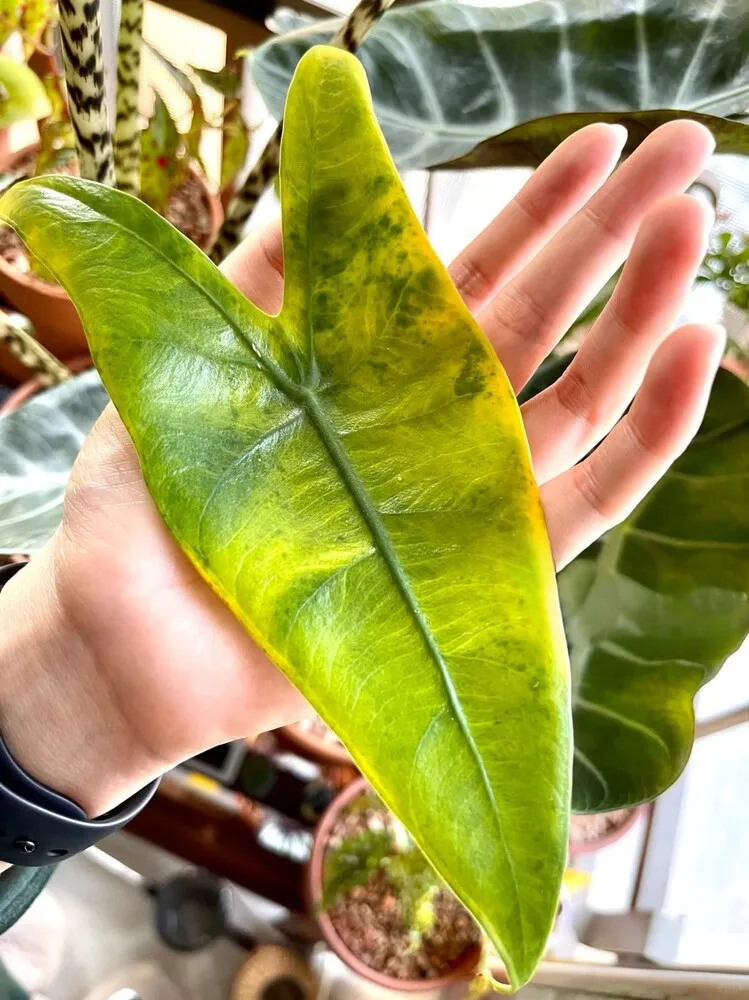
It started with guttation. Seeing water droplets on the leaf tips felt reassuring, even cute. I took it as a sign the plant needed more water, and kept watering—even through long, rainy, humid days. What I failed to notice was that the soil never had a chance to dry. The roots weren’t thirsty; they were slowly suffocating.
When the first leaves began to yellow, I dismissed it as normal leaf turnover. New growth was still happening, so I convinced myself this was just part of the cycle. In reality, the plant was sacrificing old leaves to survive a failing root system. I was seeing the symptoms, but interpreting them in the most convenient way.
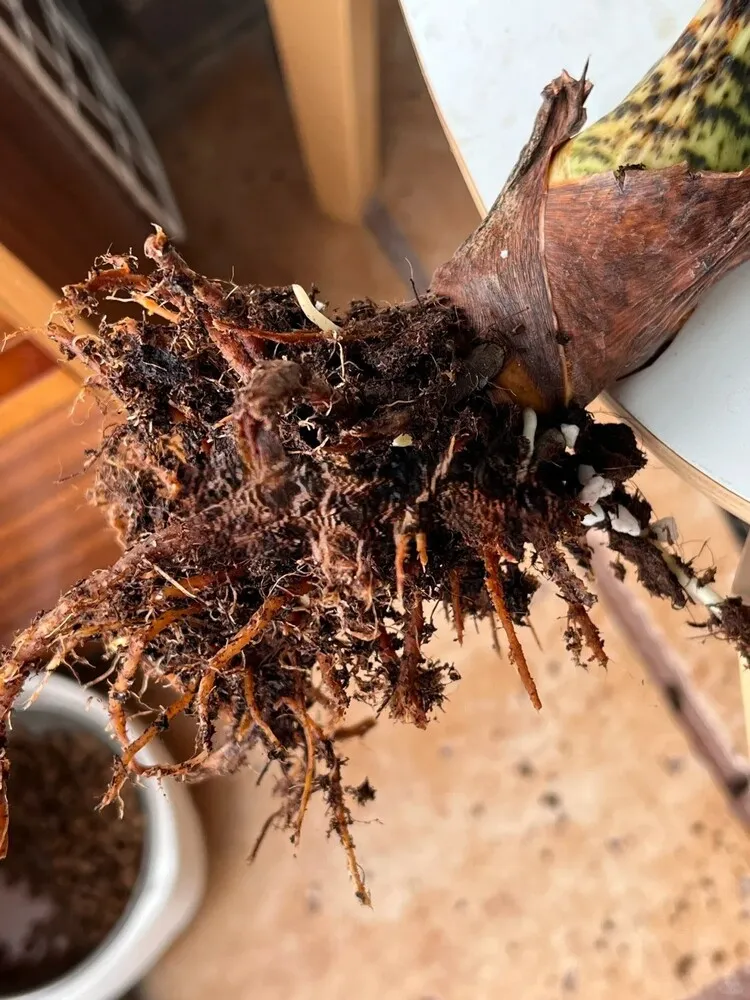
By the time I finally unpotted it, the problem was impossible to ignore. Soft, dark roots. That unmistakable smell. I cut away the rot and treated the roots, but I made a crucial mistake: I kept the last remaining leaf. I thought it would help recovery. Instead, it kept demanding energy the roots couldn’t supply. Within days, the leaf collapsed and the rot spread deeper into the corm.
After removing the leaf and the damaged tissue, I switched to water propagation. For once, something actually worked. Roots formed. A growth point appeared. The plant finally seemed stable. All it needed at that stage was time.
But I didn’t trust that. I read that sphagnum moss could speed things up, so I changed the setup again. I soaked the moss and didn’t wring it out properly, trapping the corm in constant moisture with no air. The roots rotted almost immediately, followed by the growth point. It wasn’t bad advice that killed it — it was my impatience in applying it.
Even when I stopped interfering, the plant kept trying. Weeks later, in nearly dry moss, fine roots and a new bud appeared quietly on their own. I mistook that delayed recovery as proof that the moss had worked, repeated the same mistake, soaked it again, and destroyed the new growth overnight.
That was the pattern I finally had to face: every time the plant began to recover, I stepped in too soon. I kept changing conditions instead of letting them stabilize. I treated recovery like something I could accelerate, when in reality, every failure came from rushing a plant that needed stillness more than help.
The One Thing That Actually Saved My Alocasia Zebrina
In the end, the solution wasn’t water propagation.
It wasn’t sphagnum moss.
It wasn’t fungicide, peroxide, or any stronger rescue method.
What saved my Zebrina was stopping—and letting the roots breathe.
Once I stopped changing setups, stopped chasing faster recovery, and stopped treating every pause as a problem, the plant finally stabilized. The corm didn’t need another technique. It needed air, a medium that could dry slightly, and time without disturbance. When roots have oxygen, they recover quietly. When they don’t, no amount of “care” helps.
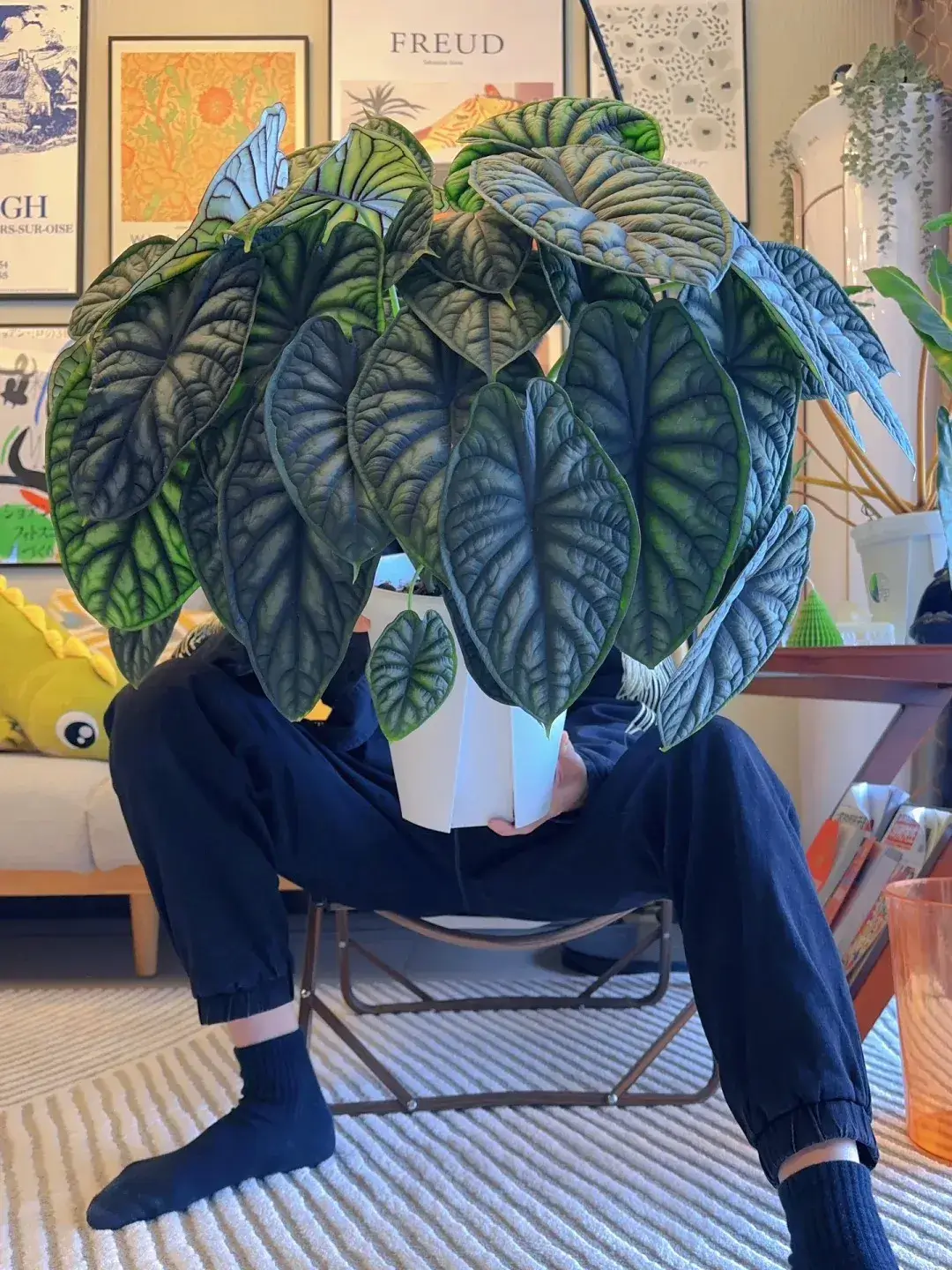
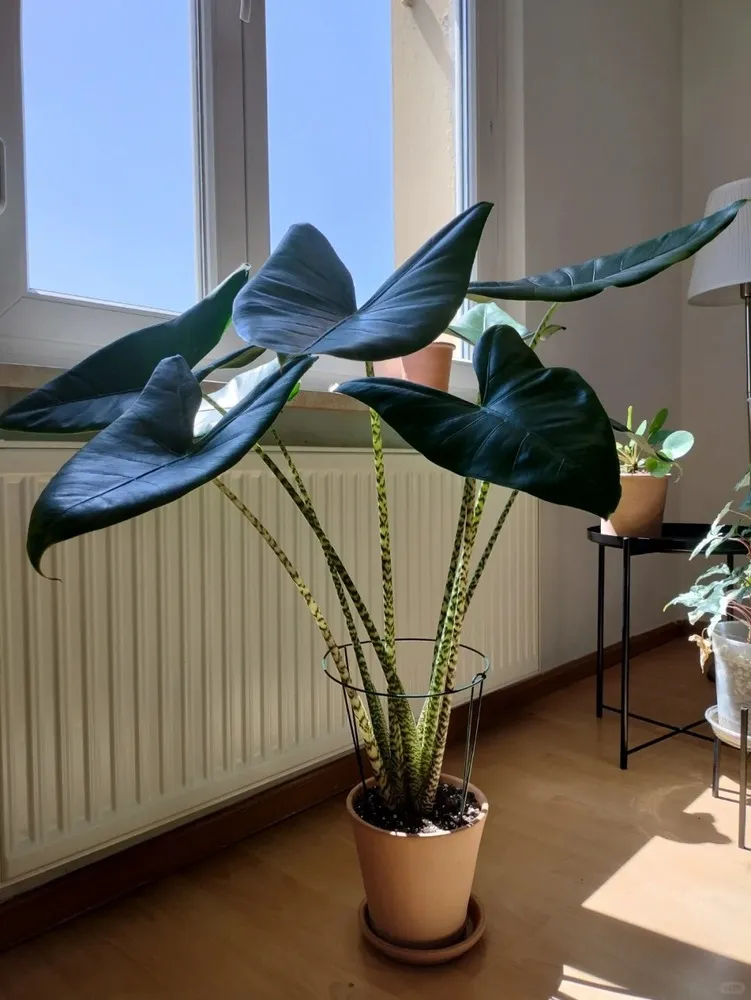
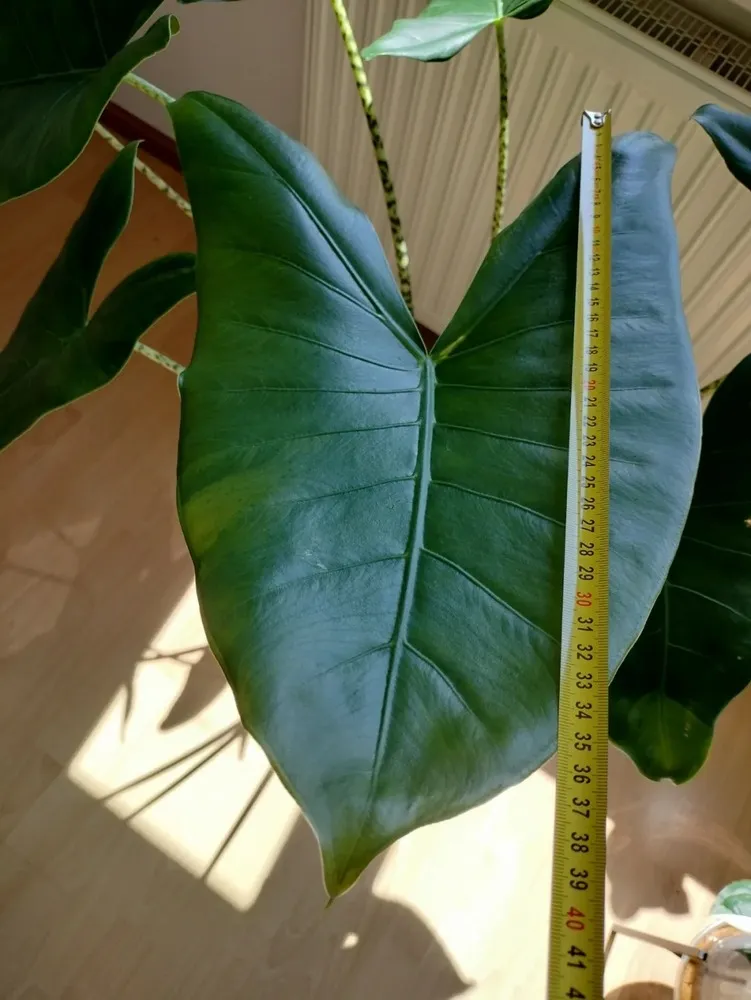
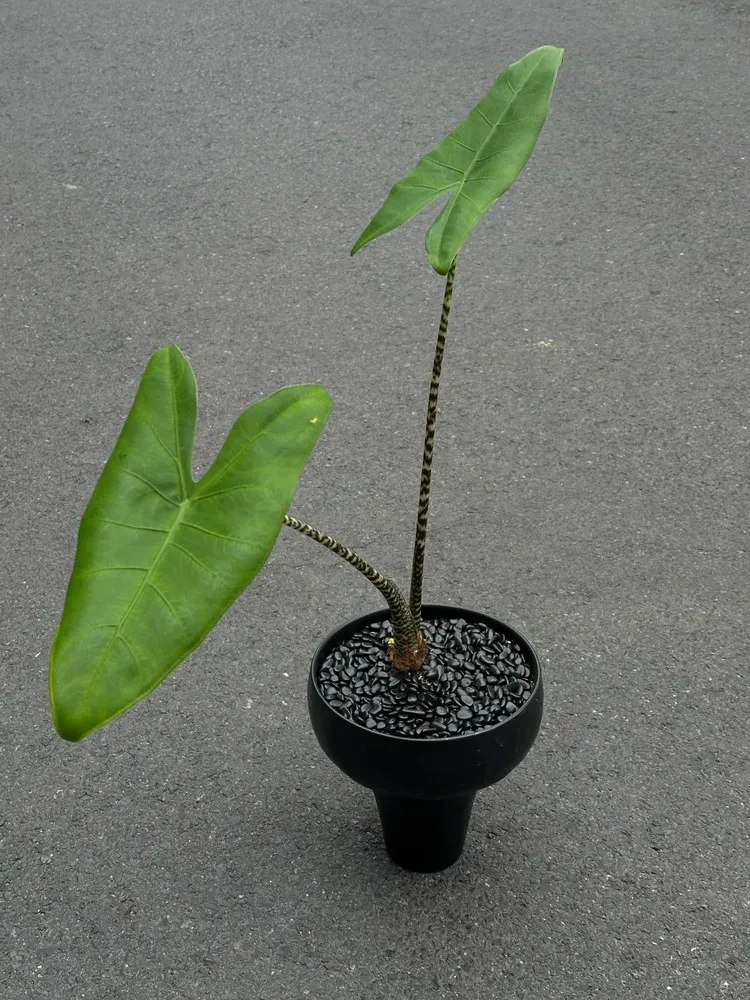
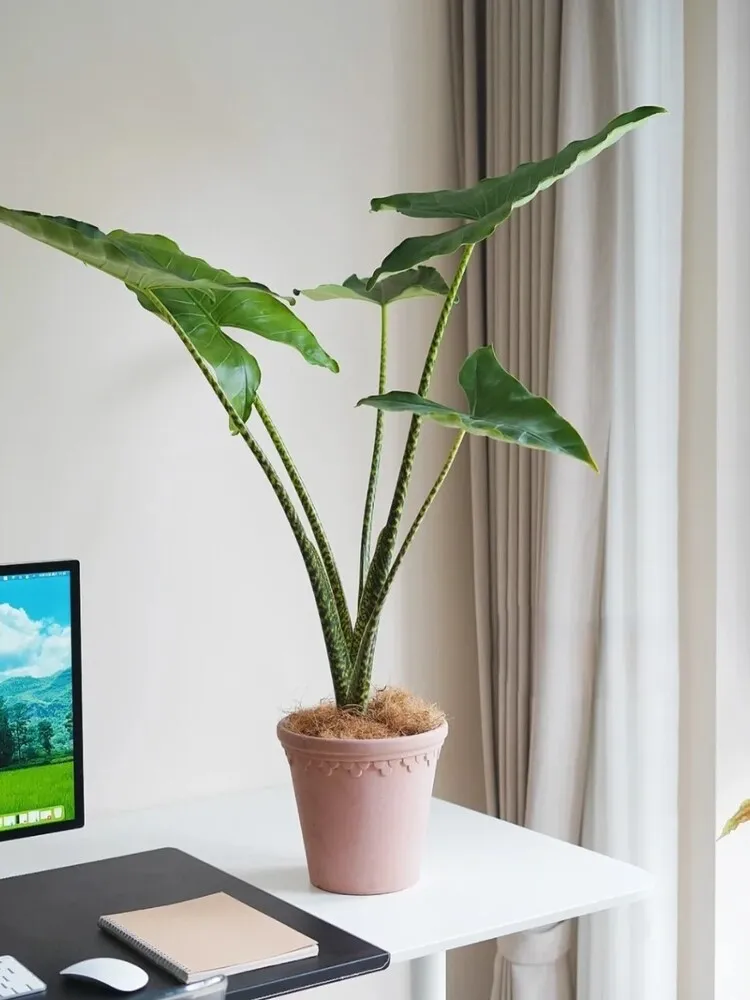
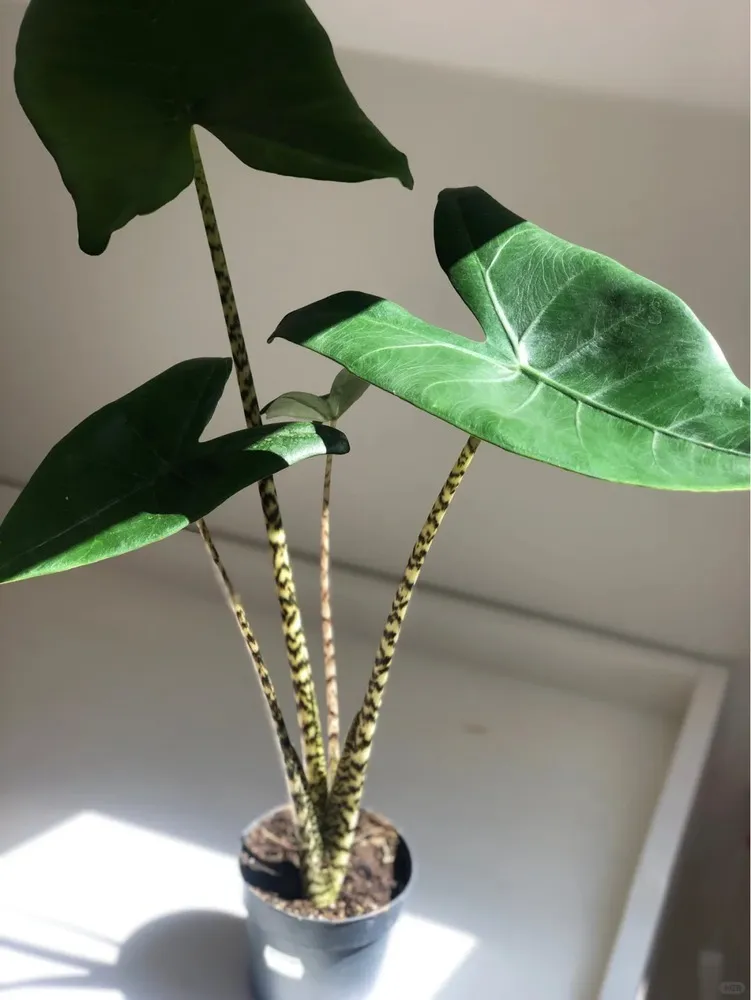
That shift changed everything. The corm survived. The root system became firm and stable. Growth returned slowly but consistently. Months later, the plant wasn’t just alive — it was confident. The newest leaf reached 40 cm, fully formed and structurally strong, without any emergency signs along the way.
What I learned from this process is simple but uncomfortable.
Water is not the same as wet.
Alocasia Zebrina needs moisture, but only when it comes with air. Constant dampness suffocates roots long before leaves show visible stress. A medium that stays wet is not “safe”; it’s dangerous.
Moss is not magic.
Sphagnum only works when it’s wrung out properly — damp, never dripping. Used incorrectly, it traps water and removes oxygen faster than soil ever could.
Roots fail faster than leaves.
By the time a leaf collapses or yellows, the root system has often been struggling for weeks. Leaves are late messengers. Roots are where the real timeline starts.
This recovery wasn’t dramatic. There was no sudden breakthrough, no visible win at first. The success was almost boring. And that’s exactly the point. Healthy Alocasia growth is quiet. When nothing seems to be happening, it usually means something is finally going right.
A Real Case from London: When the Same Mistakes Happen Elsewhere
While I was still struggling with my own Zebrina, I had a long exchange with another grower based in London. Different climate, different apartment, same outcome. Her plant didn’t collapse overnight. It declined slowly, quietly, and in ways that were easy to misread.
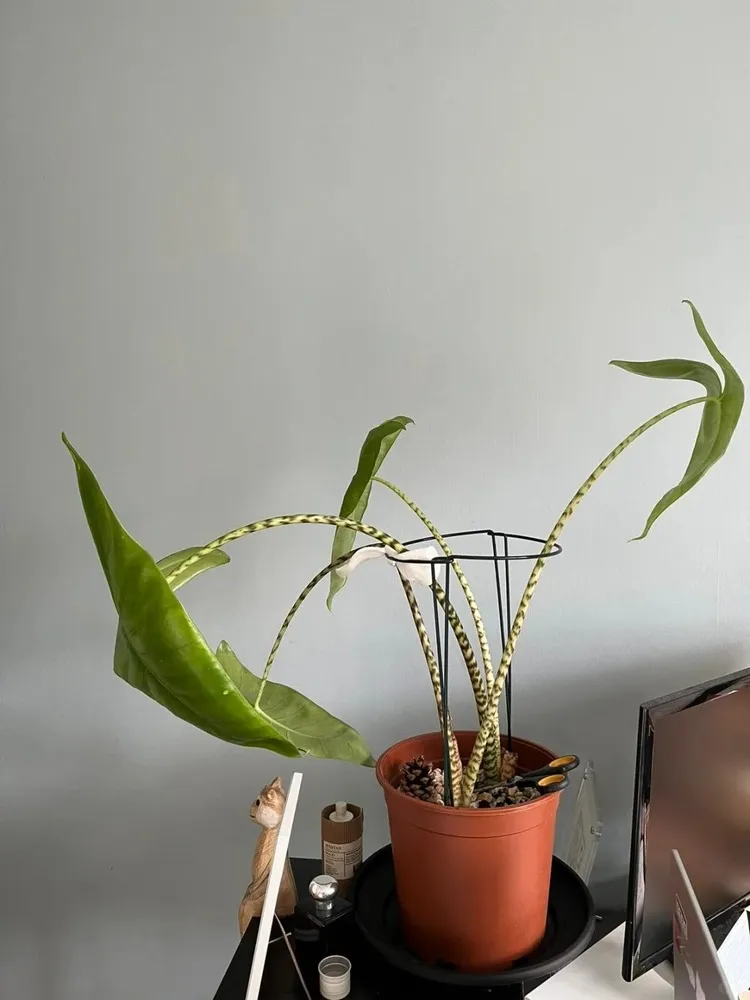
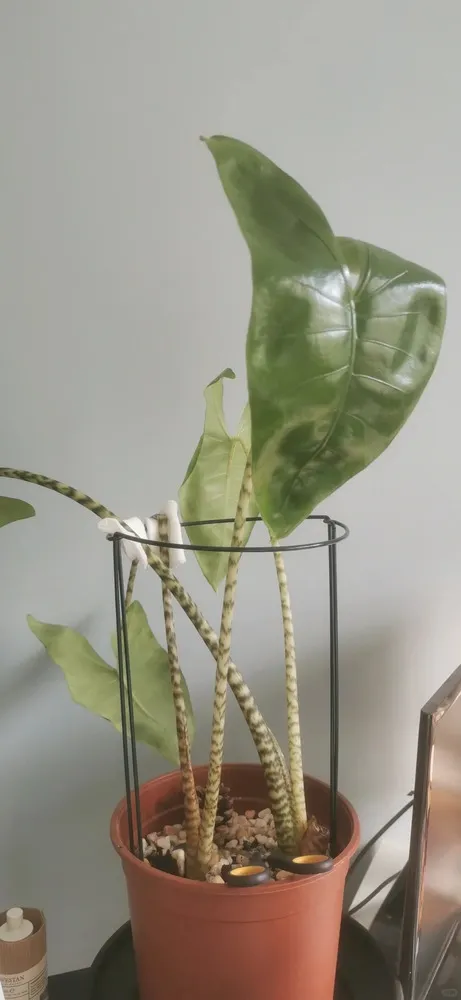
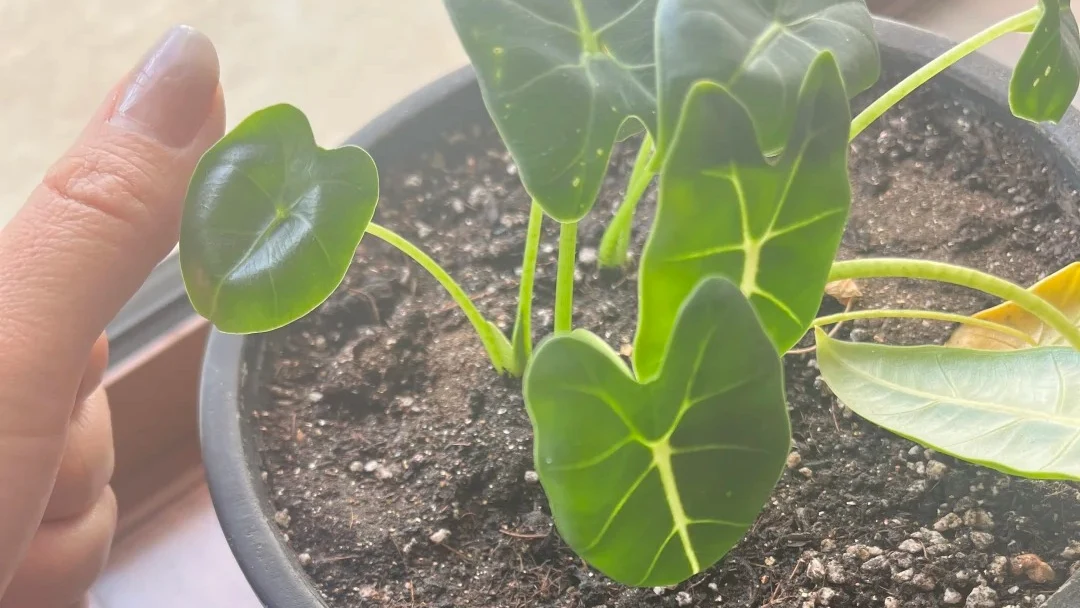
The first warning signs were subtle. Leaves began yellowing one by one, some petioles softened and bent, but new leaves were still emerging. Those new leaves, however, were consistently smaller and tightly curled. It looked like progress on the surface, so the early leaf loss was brushed off as normal turnover.
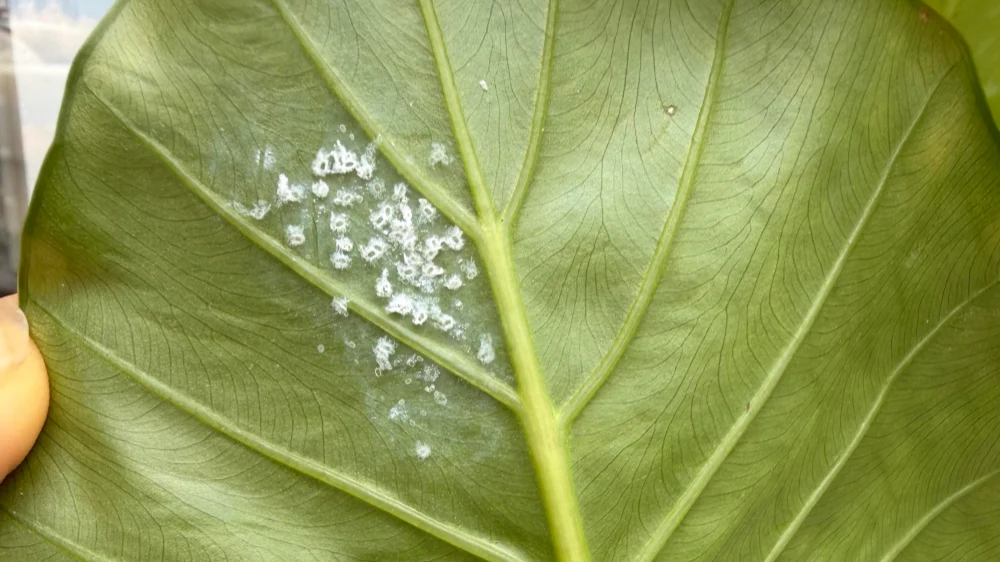
The real problem showed up later. The soil stayed wet for an unusually long time, the pot never felt light, and white fuzzy growth appeared around the drainage area. When she finally unpotted it, the picture became clear: parts of the root system were already soft and failing. She cleaned the pot, trimmed damaged roots, treated them, and repotted into fresh soil. For about two weeks, the plant seemed stable — and then another leaf collapsed.
From my perspective, this wasn’t a case of the plant “suddenly getting worse.”
It was a root system that had been barely coping for months.
Low light in the UK slowed evaporation. Constant moisture removed air from the soil. The plant responded by shedding older leaves and producing undersized new ones, trying to reduce demand. Repotting helped briefly, but because the underlying conditions didn’t change enough, the roots never truly recovered. The decline simply resumed.
If I Had to Start Over — What I’d Do Instead
If I were dealing with that plant, or starting again with my own experience in mind, I wouldn’t focus on saving leaves or maintaining appearances. I’d focus entirely on the roots and the environment they’re asked to survive in.
First, I would unpot the plant and check the roots directly. Guessing from leaf symptoms wastes time. If rot is present, I’d remove all compromised tissue in one go instead of trimming “a little at a time.”
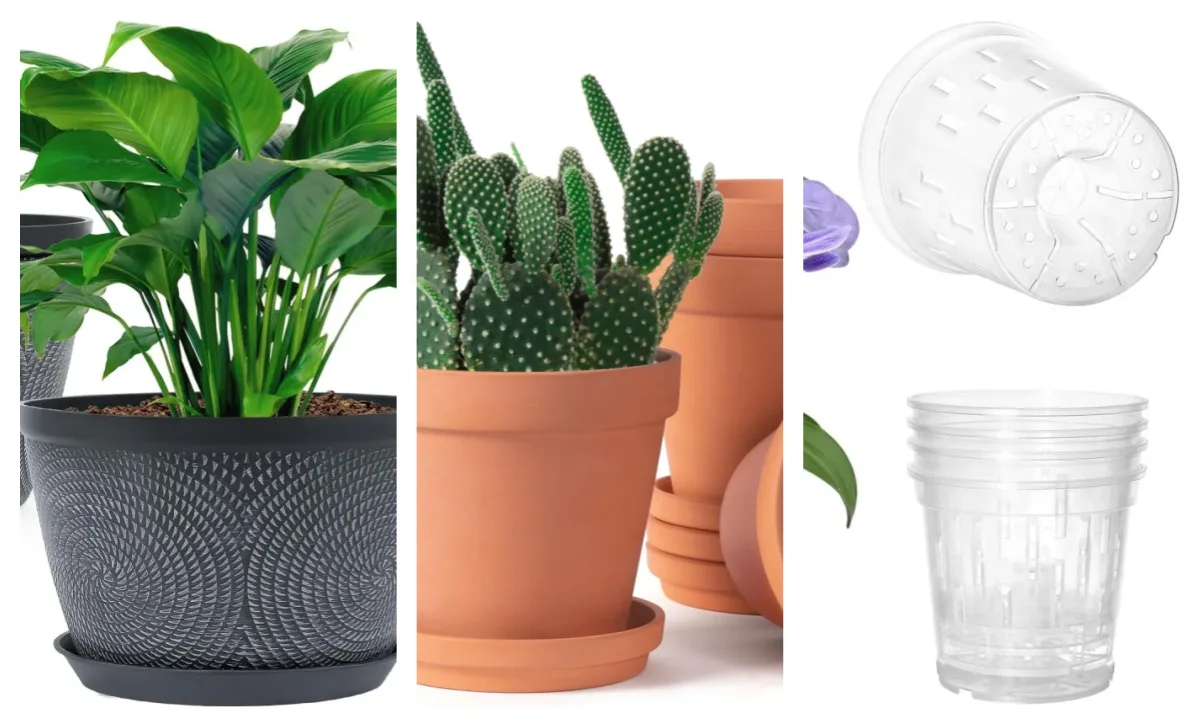
Next, I’d reset the medium completely. The mix must allow air to exist between waterings — perlite, coco chips, or even LECA blended in. Air pockets matter more than nutrients at this stage. I would also leave the soil surface uncovered. Top dressings slow evaporation, and Zebrina is extremely sensitive to stalled dry–wet cycles.
If temperatures were dropping below 18°C, I’d accept dormancy instead of fighting it. Cutting back leaves and reducing watering to once every few weeks is not neglect — it’s strategic rest. Trying to force growth in cold, low-light conditions only drains the corm.
And finally, in places like the UK, supplemental light is not optional. Even a modest grow light can change how fast soil dries, how efficiently roots function, and whether new leaves develop normally instead of shrinking.
The common thread between my experience and hers is simple: the plant wasn’t failing because of one big mistake. It was surviving under compromised conditions for a long time, until it couldn’t anymore. Once you understand that, the solution stops being about rescue — and starts being about creating an environment where the roots don’t have to fight just to stay alive.
What Alocasia Zebrina Taught Me About Letting Plants Rest
What this plant ultimately taught me had very little to do with techniques or materials. My Zebrina didn’t need to be saved. It needed to be allowed to slow down.
For a long time, I treated every pause as a problem and every still moment as a sign of failure. But many Alocasias aren’t dying when they stop growing. They’re resting, recalibrating, conserving energy below the soil surface. The damage often comes not from neglect, but from interference at exactly the wrong time.
Once I learned to step back, the plant stopped fighting. Growth returned quietly, without urgency, without drama. And that was when it finally became healthy.
Most of the time, my Zebrina didn’t die from neglect — it suffered from my attention.
That realization changed the way I grow plants, and it’s one I don’t plan to forget.
FAQ
Love discovering new Alocasias?
Explore more velvet, variegated, and large-leaf varieties in our Alocasia Varieties Hub.
Go to Varieties Hub →