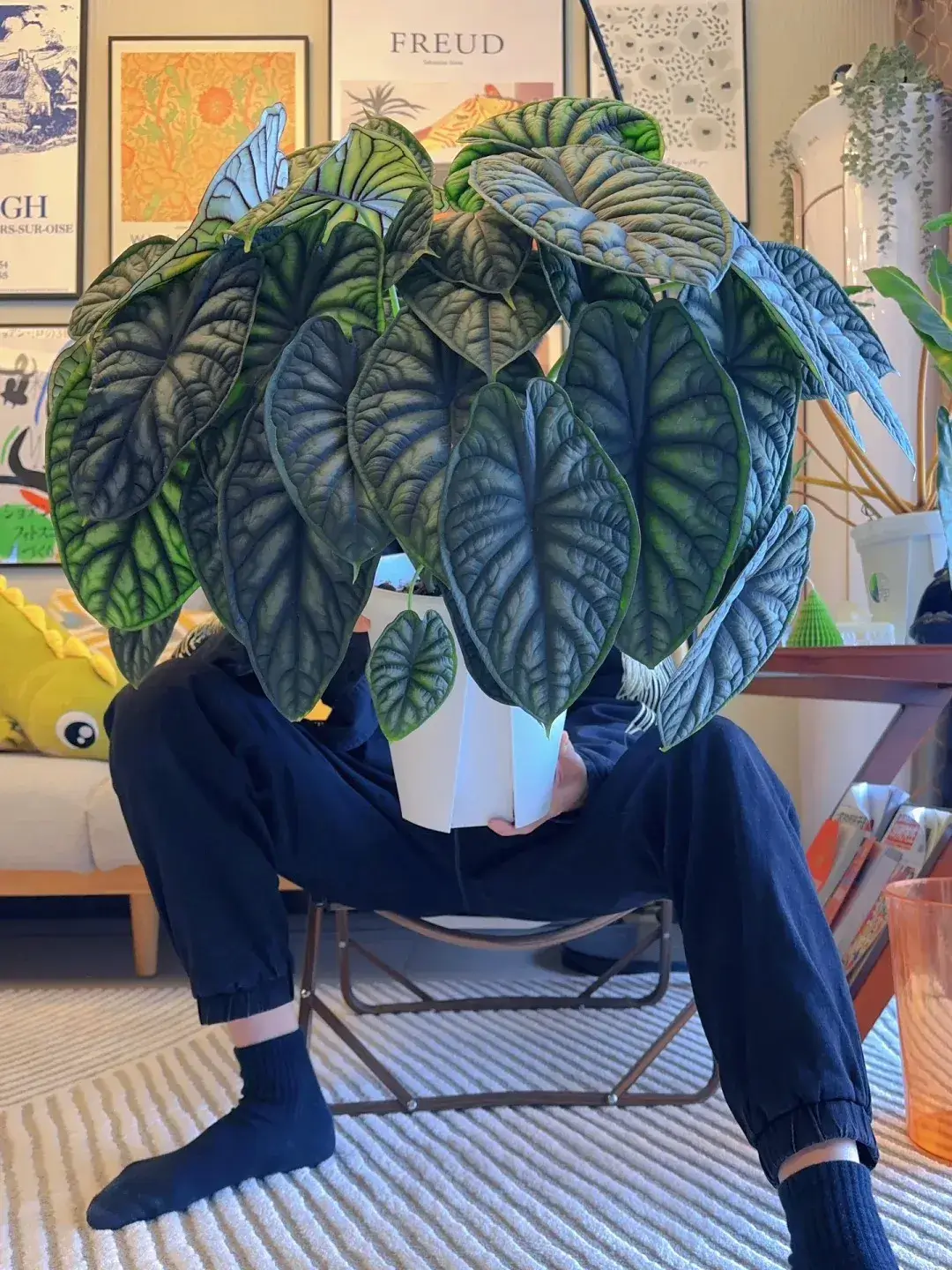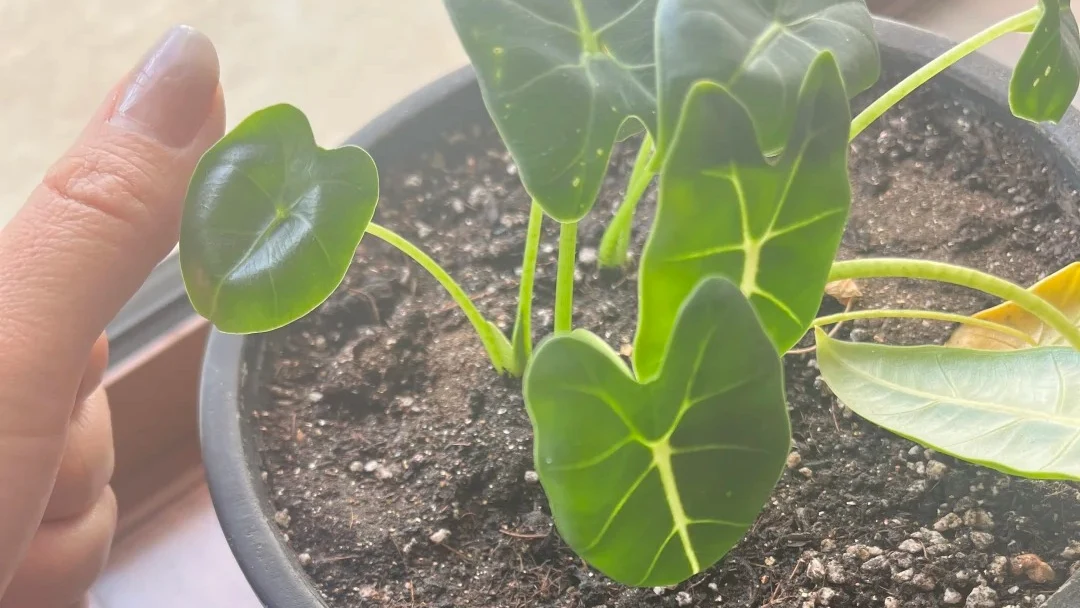
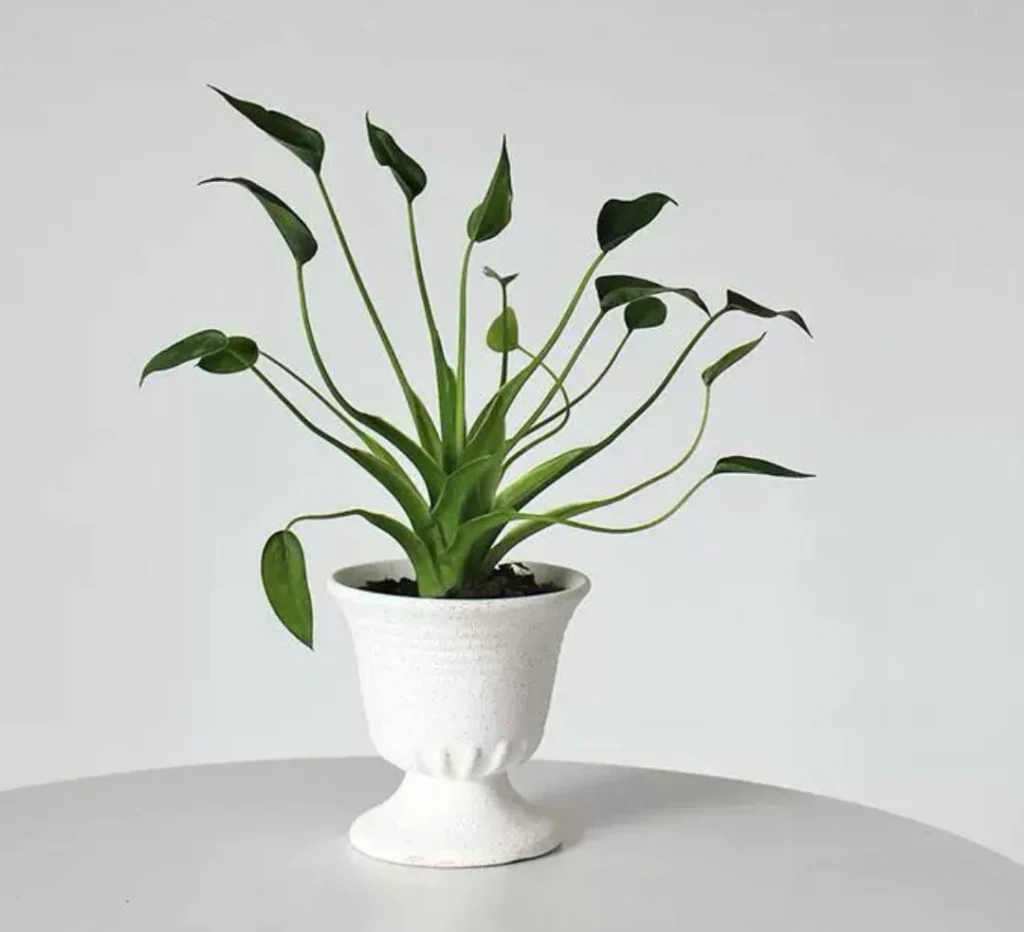
Alocasia ‘Tiny Dancers’ is not the kind of Alocasia that impresses through size. What makes it stand out is the opposite: the long delicate petioles, the small teardrop-shaped leaves, and the way the whole plant seems to move even when it is standing still. It has a much lighter, more playful presence than most Alocasias, which is exactly why it catches attention so quickly indoors.
That lighter habit is also what makes it easy to place. Some Alocasia varieties are beautiful but visually heavy, or so bold that they quickly dominate a room. Tiny Dancers feels different. It brings movement and freshness without making a space feel crowded, which is a big part of why it works so well indoors.
If you want an Alocasia that feels more sculptural than bulky, and more playful than imposing, Tiny Dancers makes much more sense than many larger or denser types. It also fits well into the group of more approachable Alocasias for indoor growers, as long as you keep the roots healthy.
Why Tiny Dancers Looks So Different From Most Other Alocasias
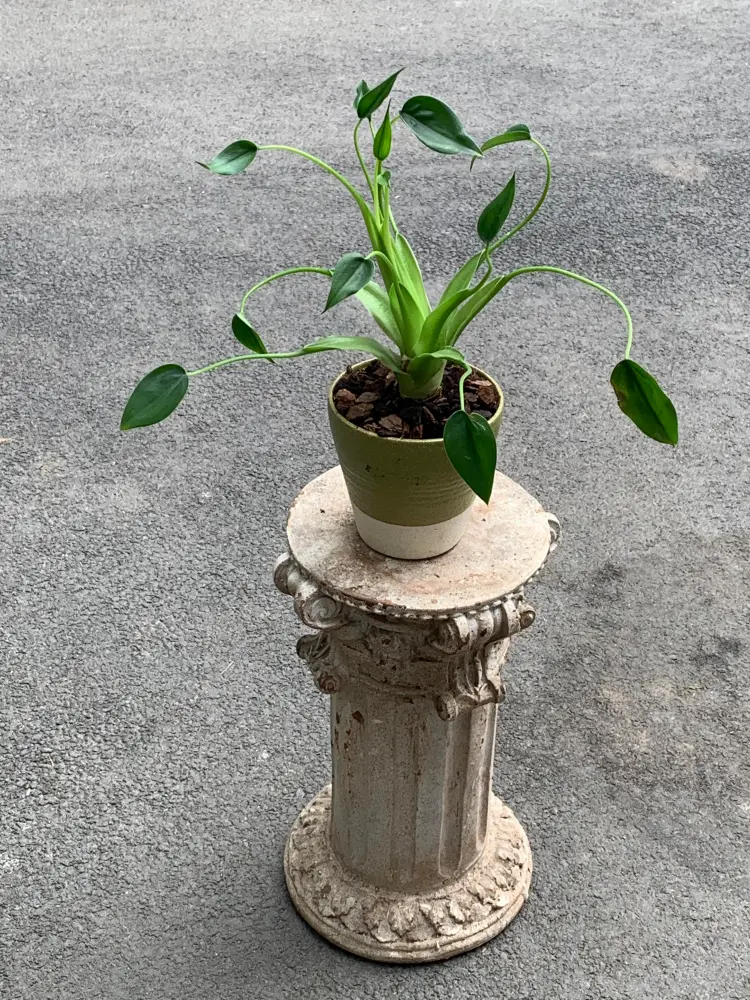
What stands out most about Alocasia ‘Tiny Dancers’ is its shape. The petioles are unusually long and delicate for such a small plant, and the leaves are much smaller and more teardrop-like than people expect if they are used to broader Alocasia foliage. Instead of forming a heavy clump, the plant feels more open, upright, and animated.
That is also why it gets confused with other lighter Alocasias so easily. But Tiny Dancers has a more exaggerated dwarf habit than Alocasia cucullata, with a much more playful, dancing structure overall.
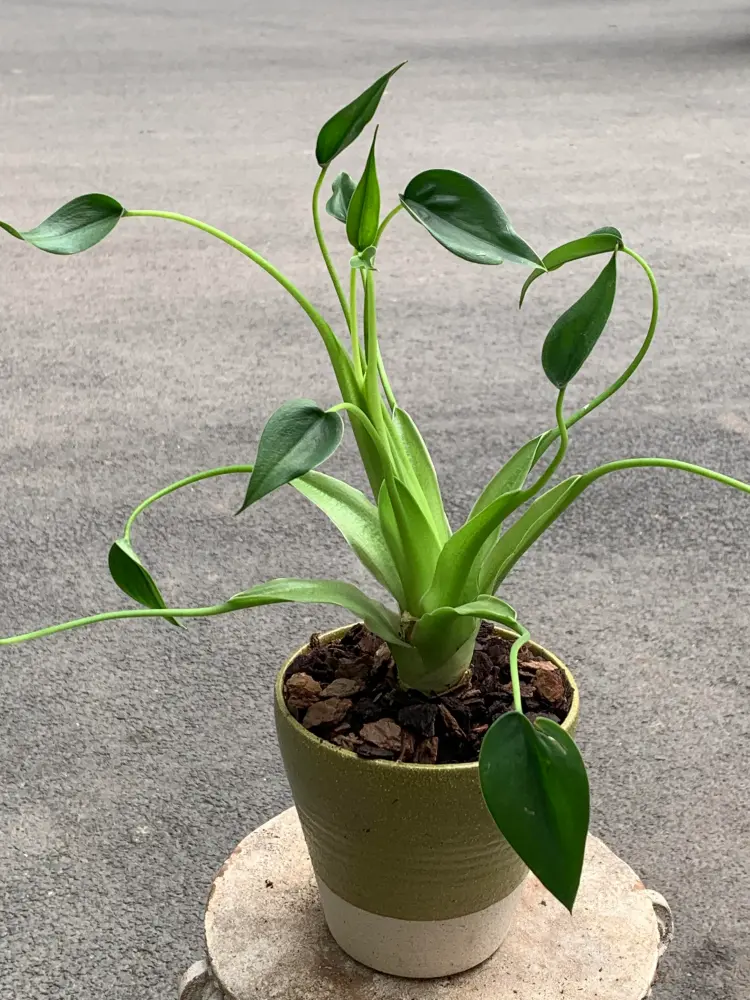
It also sits in a useful middle ground. It does not have the massive, space-taking weight of the larger elephant-ear types, but it is also not as slow or particular as many thick-leaved jewel Alocasias. That is why I see it as one of the more approachable Alocasias for everyday indoor growing.
My Main Care Rules for Tiny Dancers
Light
I grow Tiny Dancers in bright, indirect light. That is where it keeps its best shape — upright, fresh-looking, and naturally balanced. It can handle a bright indoor position very well, but I still avoid harsh direct sun, especially in summer when strong afternoon light can burn or stress the leaves.
If the light is too weak, the plant usually tells you in a fairly quiet way. The leaves lose some of their richness, growth slows down, and the overall shape starts looking looser and less defined. It may still stay alive, but it stops looking like the graceful plant people actually want to keep.
Water
With watering, I follow a simple Alocasia dry-down rhythm rather than trying to keep the mix constantly moist. I let the potting mix dry partway, then water thoroughly and let the excess drain away. What I do not want is a pot that stays wet, heavy, and airless for too long.
This is one reason I think Tiny Dancers is relatively easy to live with, but not something I would call foolproof.
Temperature and Humidity
This plant is happiest when it stays warm. I think it grows most comfortably in the 18–28°C range, and once temperatures start dropping much below 15°C, the pace usually slows in a noticeable way. It may not collapse immediately, but it tends to become less active, less responsive, and more likely to sit still.
Humidity does help, especially if your indoor air runs dry, but I would still rank airflow and root-zone conditions above humidity alone. In other words, I would rather grow this plant in a warm, bright, well-aired space with a healthy Alocasia potting mix than in a damp, stagnant setup that only sounds humid on paper.
What Usually Goes Wrong First
Pale Leaves and Slow Growth Usually Mean the Light Is Too Weak
When Tiny Dancers is not getting enough light, it usually does not fail in a dramatic way at first. The change is quieter than that. The leaves can start looking paler, new growth slows down, and the whole plant loses some of the clean, upright energy that makes it attractive in the first place.
That is one reason I pay attention not just to whether the plant is alive, but to whether it still looks defined and active. A Tiny Dancers plant in weak light may keep going for a while, but it often stops looking fresh, and the shape becomes looser over time.
Yellowing in Heavy, Wet Media Usually Means Root Stress
If I see yellowing while the potting mix is still staying heavy and wet for too long, I worry much more about the root zone than about the leaves themselves. Tiny Dancers is not the most fragile Alocasia, but it still does not like sitting in dense, airless, constantly damp media.
This kind of yellowing often has less to do with one bad watering and more to do with a setup that stays wet longer than the roots can comfortably handle. When that happens, I do not rush to add more water just because the plant looks unhappy. I look at how long the mix has been staying wet, how dense it feels, and whether the plant has actually been able to dry down at all.
Brown Edges or Tired-Looking Leaves Usually Point to Environmental Stress
Brown edges on Alocasia leaves do not always mean one single problem. With Tiny Dancers, they often show up when the air is too dry, watering has been inconsistent, or the plant has been exposed to stressful airflow like hot air, cold drafts, or blasting vents. Sometimes the leaves do not fully crisp, but they start looking tired, slightly dull, or less relaxed than before.
That is why I do not treat brown edges as a simple “humidity issue” by default. They often tell you the plant is dealing with uneven conditions overall. The fix is usually not just spraying the leaves. It is looking at the bigger pattern — dry air, watering rhythm, temperature shifts, and where the plant is sitting day to day.
Drooping Is Not Always Thirst
This is one of the easiest mistakes to make. A droopy Alocasia can look thirsty, but I do not assume that right away anymore. Drooping can also come from root stress, cold conditions, sudden environmental change, or a mix that has stayed too wet for too long.
That is why I never use drooping alone as my signal to water. I check the potting mix first, think about the recent conditions, and ask whether the roots are likely functioning normally. With Alocasias, watering just because the leaves look limp can easily make the real problem worse instead of better.
If You’re Growing It in a Moss Ball
Tiny Dancers can work well in a moss ball setup, but I would treat it a little differently from a normal potted plant. The first thing I care about is light. It still does best in bright, indirect light, and I would avoid harsh direct sun that can dry the moss too quickly or stress the leaves.
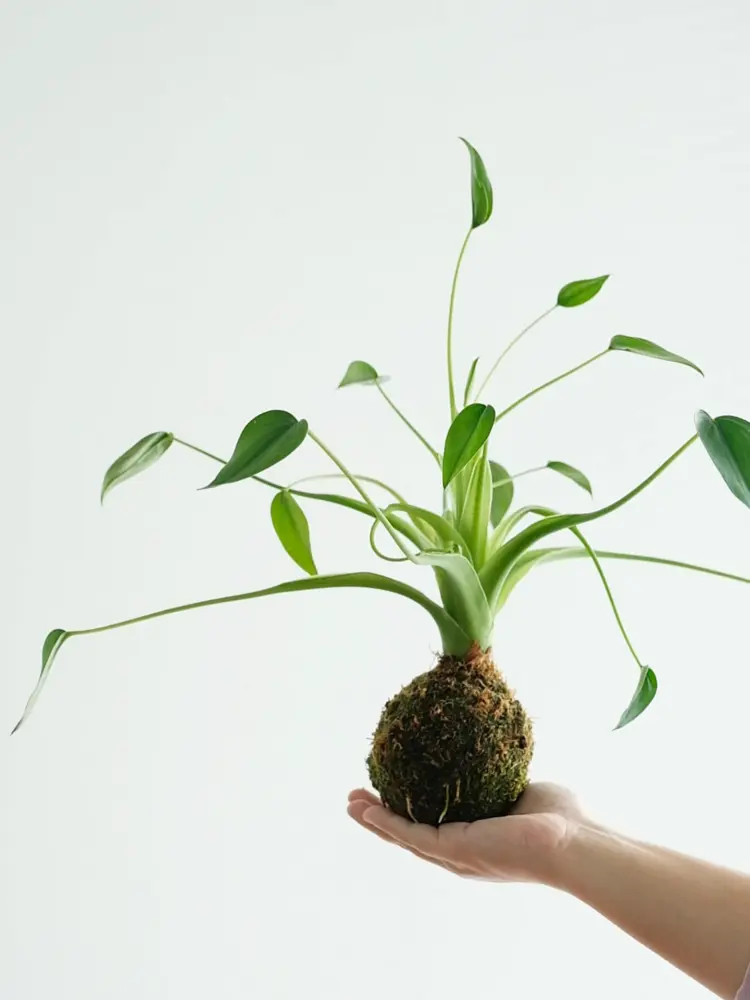
With watering, I would rely much more on a soak-and-drain routine than random surface watering. Once the moss starts feeling lighter or slightly dry, I would soak it thoroughly, then let the excess water drain away fully. What I would not do is keep the moss constantly soggy, because that can turn into root trouble very quickly.
Airflow also matters more than people think in this kind of setup. A moss ball that stays damp in still air for too long is much more likely to go stale than a potting mix that can dry down more naturally. And with fertilizer, I would keep things light. A gentle feeding during active growth is enough. This is one of those cases where less fertilizer and less fuss usually works better than trying to push fast growth.
Why I Think This One Stays With People
A lot of people probably notice Tiny Dancers because of the name, the unusual shape, or the way the whole plant seems to move even when it is standing still. But I do not think that is the main reason it stays.
What makes it last in a home is something simpler: it is graceful, easy to place, and pleasant to look at over time. It does not ask for the kind of space, intensity, or constant attention that some other Alocasias do. And for an indoor plant, that kind of long-term livability matters more than drama.
FAQ
Love discovering new Alocasias?
If you like the light, sculptural look of Tiny Dancers, browse my Alocasia Varieties Hub to compare it with larger, darker, variegated, and more dramatic types.
Go to Varieties Hub →