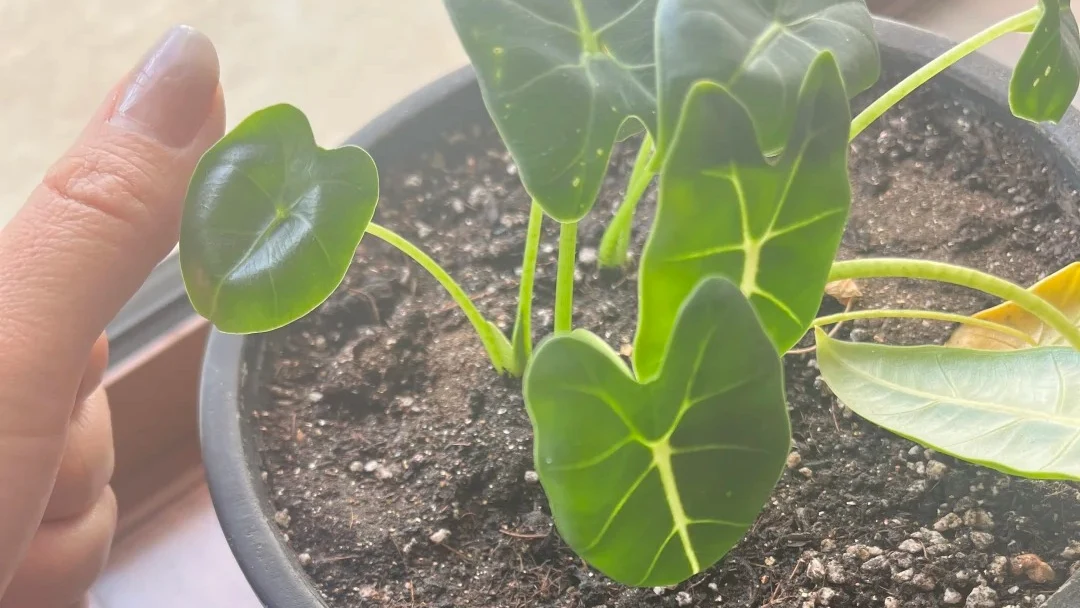
When people talk about caring for Alocasia, they often focus on watering or light.
But the truth is — soil is what decides whether your plant survives or slowly suffocates.
The right mix keeps roots both moist and breathing, a balance that’s easy to overlook.
Many new growers think “moisture-loving” means “keep it wet,” but Alocasia roots don’t like sitting in soggy soil — they need air circulation just as much as hydration.
When I first started growing Alocasias in Portland, I made the classic mistake:
I used a dense, moisture-retentive mix that worked fine for my Calatheas — and within weeks, my Alocasias turned yellow and limp from root rot.
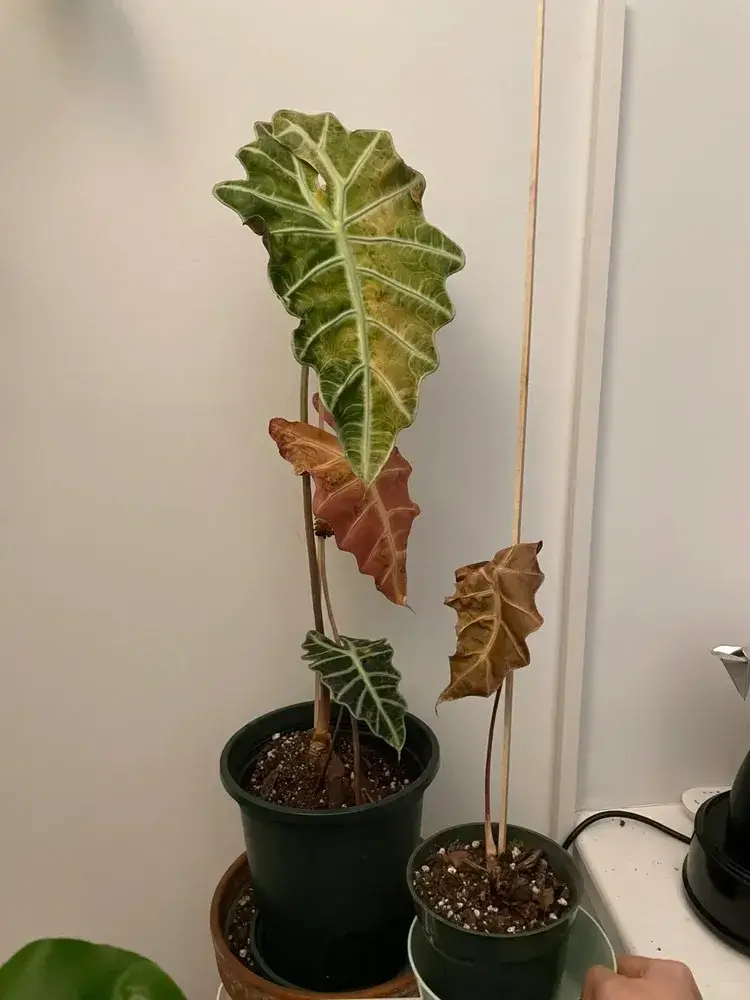
That’s when I learned: even though both belong to tropical families, Alocasias demand a looser, faster-draining potting mix.
Once I switched to an airy soil blend with better drainage, every new leaf came out stronger, thicker, and glossier.
This guide will show you how to build the best soil mix for Alocasia — whether you’re mixing your own or choosing a ready-made potting mix.
Understanding Alocasia’s Root & Soil Needs
To understand what kind of soil Alocasia loves, you have to start underground.
Unlike many tropical plants, Alocasias have thick, fleshy roots and bulb-like corms that store water and nutrients. These structures let them survive short dry periods — but they also make the plant highly sensitive to stagnant, airless soil.
That’s why “moist” doesn’t mean “wet.”
Alocasia roots want a constant breath of air between waterings.
If the soil stays compacted or soggy, the corm begins to suffocate, and leaves soon respond with yellowing, drooping, or decay at the base.
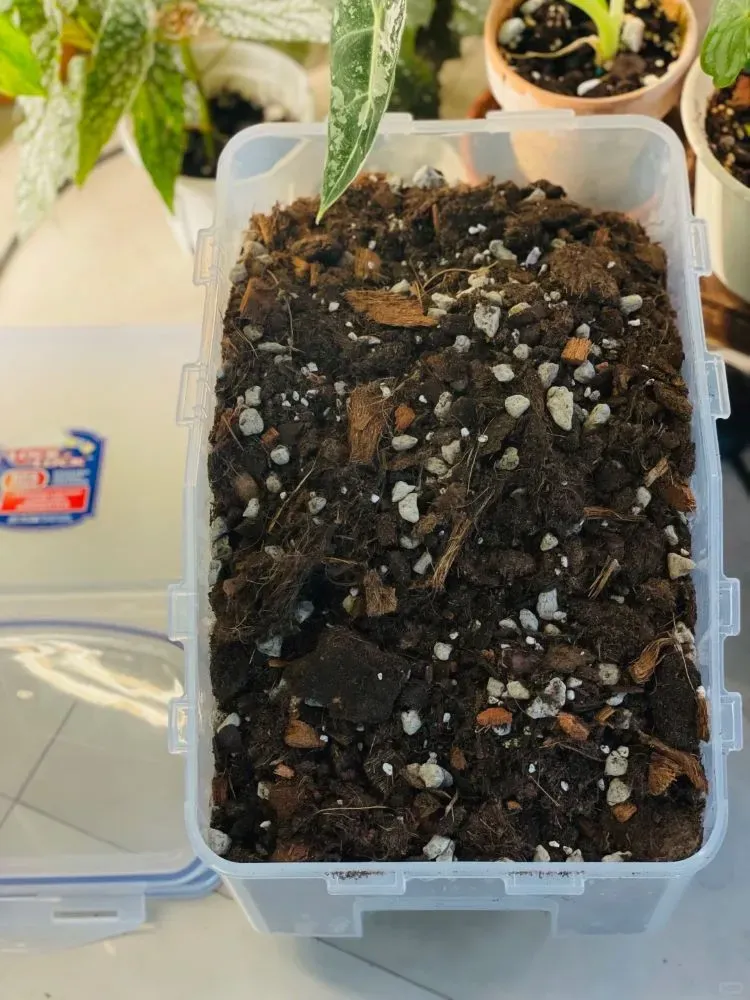
The ideal soil for Alocasia should feel light, springy, and fast-draining, holding just enough moisture to keep the roots hydrated — never waterlogged.
| Property | Ideal Level | Why It Matters |
|---|---|---|
| Moisture Retention | Medium | Keeps roots hydrated without suffocation |
| Aeration | High | Ensures oxygen flow around corms and roots |
| Drainage | Fast | Prevents rot, especially in humid environments |
In short, Alocasia roots thrive in soil that mimics a rainforest floor — damp after rain, but airy and loose once the water drains away.
DIY Alocasia Soil Mix Recipes
Getting the soil right is half the battle when it comes to keeping Alocasia happy.
Below are two versions I’ve tested — a balanced mix that works well for most homes, and a looser personal blend for humid climates like Portland.
Standard DIY Alocasia Mix (Balanced Version)
📍 Best for most indoor setups and moderate climates
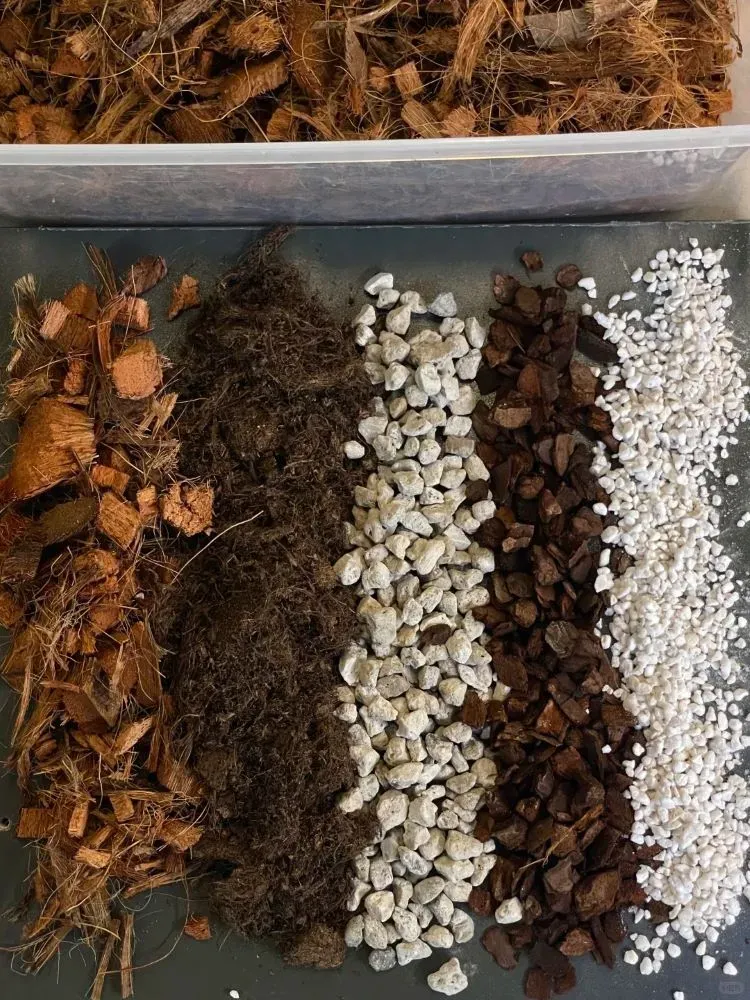
Formula (by volume):
- 40% peat moss or coco coir — provides base moisture
- 30% perlite or pumice — adds aeration and prevents compaction
- 20% orchid bark or pine bark — improves structure and airflow
- 10% charcoal or worm castings — balances nutrients and absorbs impurities
💡 Why it works:
This balanced mix holds moisture but still drains freely — ideal for the average indoor grower.
It feels airy, slightly springy to the touch, and allows roots to breathe while staying lightly hydrated.
Use this as your default soil blend when starting out.
It mimics the loose, decomposing forest floor where wild Alocasias naturally grow — damp after rain, but never soggy.
DIY Alocasia Soil Mix (Looser Version) — My Personal Blend
📍 Based on real experience growing Alocasias in Portland’s humid winters
FAroid Universal Mix (Alocasia, Monstera, Anthurium)
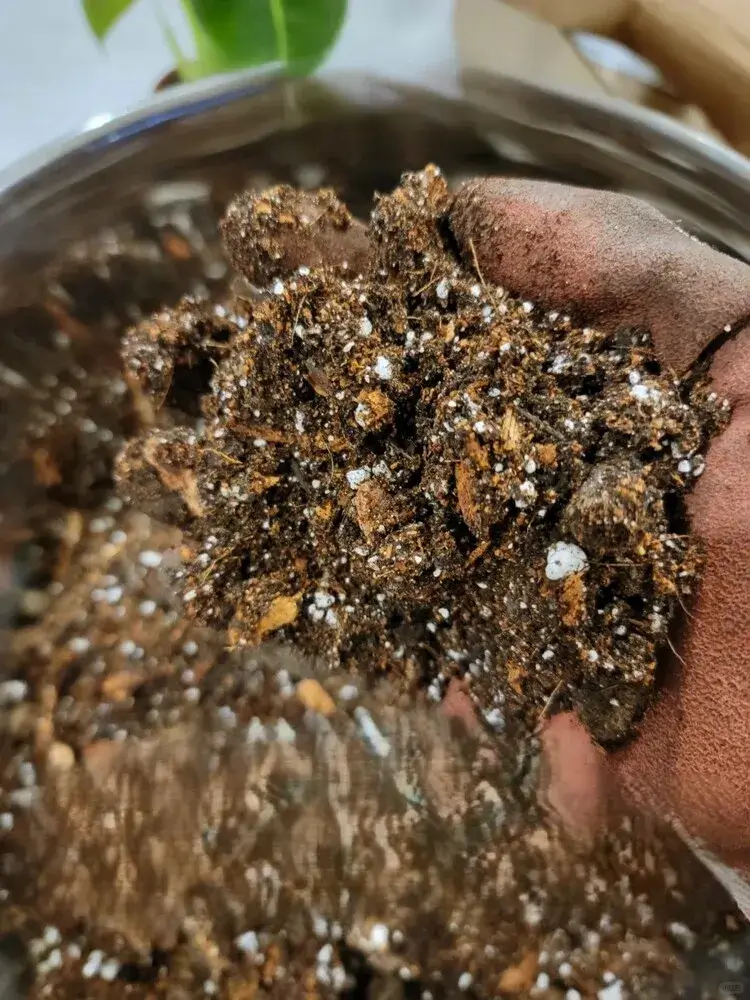
Formula (by volume)
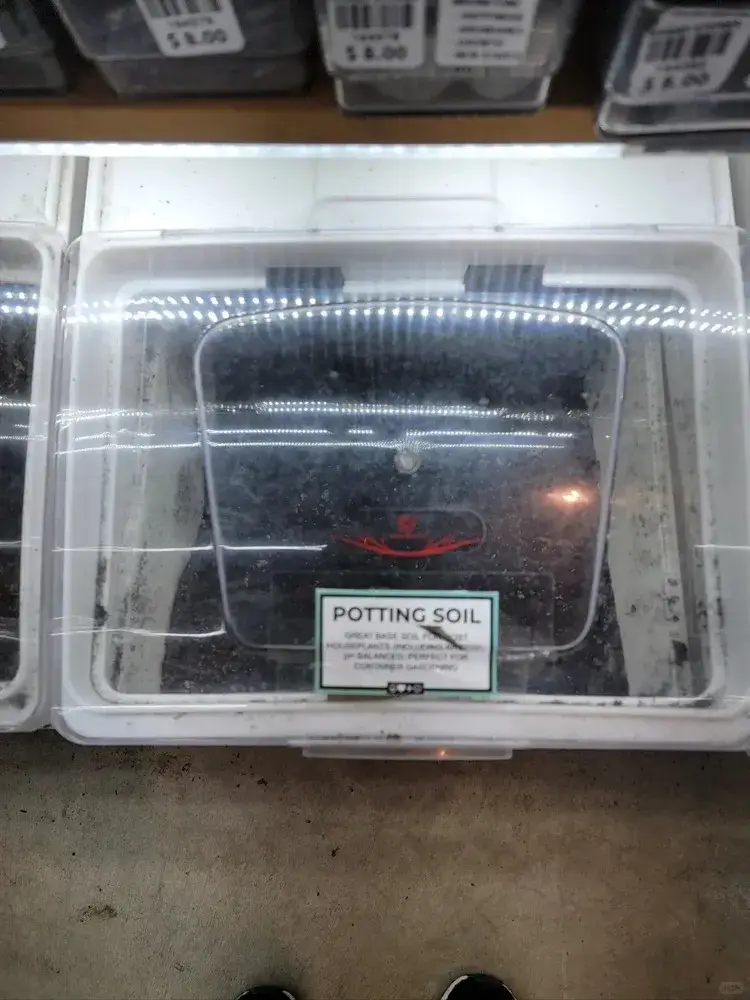
40% Potting Mix (indoor potting soil)
Acts as the moisture-holding base. I lean toward potting mixes with low compost content—just enough to stay fluffy but not heavy.
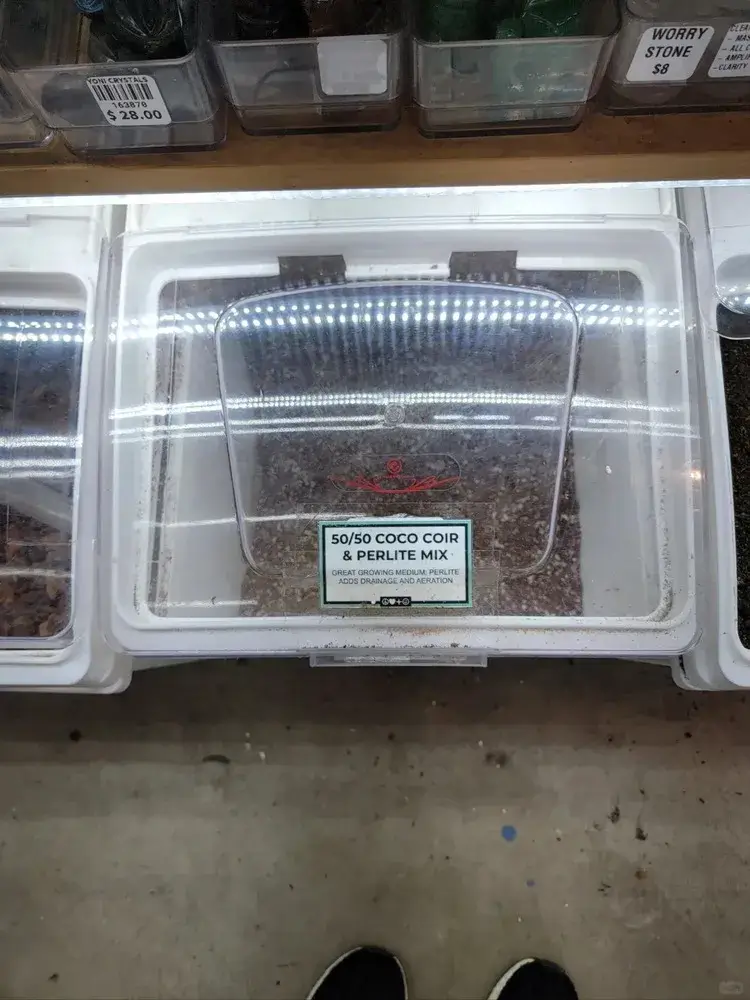
30% Coco Coir + Perlite Mix (50/50 blend)
This combo is basically “soft structure + air pockets.”
Coco holds moisture evenly, while perlite keeps the whole mix from compacting.
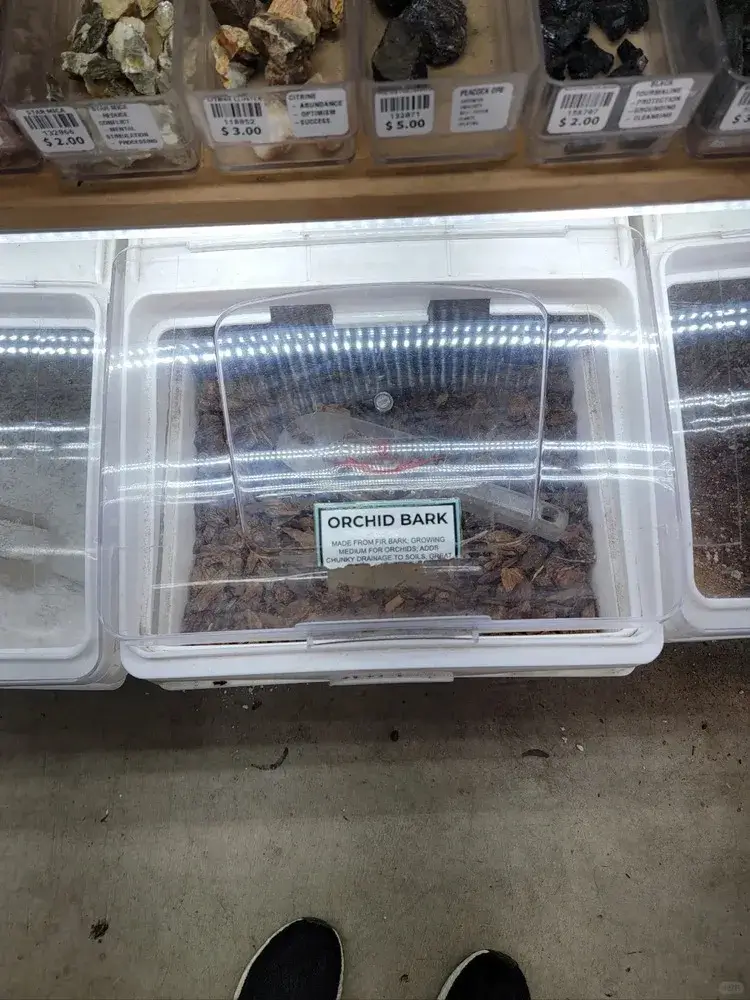
20% Orchid Bark (or Pine Bark Fines)
Adds chunky airflow so roots can breathe. Essential for Alocasia and Monstera—they hate suffocation.
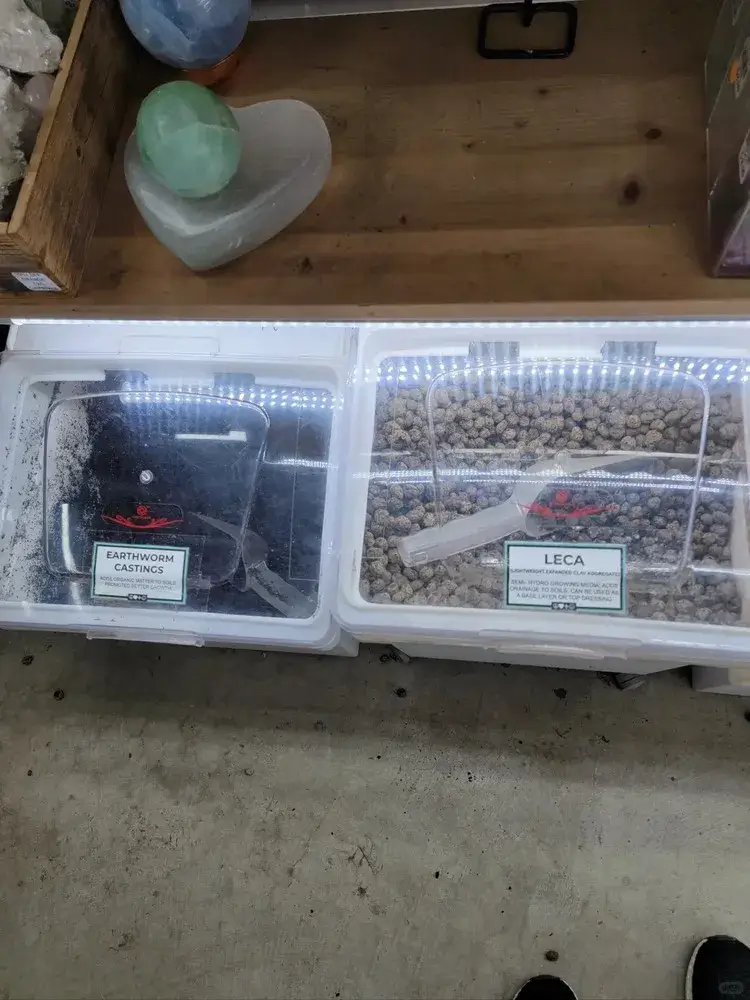
10% Add-Ons (choose one or mix): Leca + Worm Castings + Extra Perlite
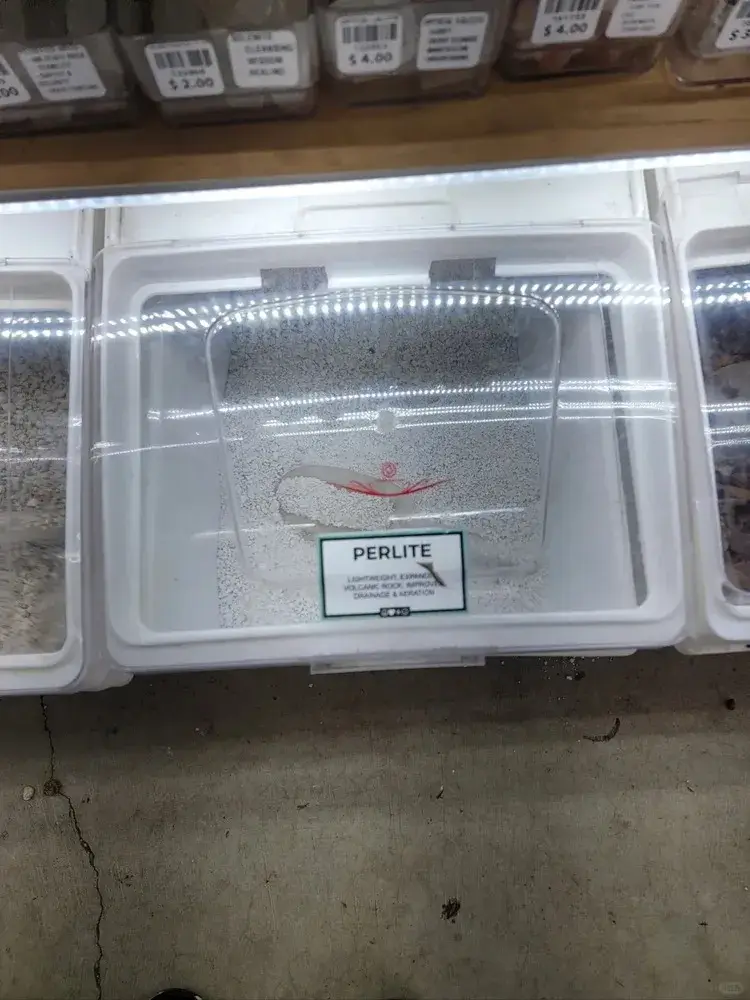
- Additional perlite → when you need faster drying (useful in humid homes)
- LECA → boosts drainage + long-term aeration
- Worm castings → gentle nutrients, great for new growth
Why This Mix Works
This blend hits the sweet spot for most Aroids: moist but never soggy, airy but not so fast-drying that you’re watering every day.
Living in Portland, I’ve learned the hard way that Alocasia and Monstera hate our cold, wet winters — the roots suffocate easily if the soil stays heavy. The added bark + LECA keeps oxygen flowing around the root zone, which makes a huge difference here.
By summer, though, the air gets surprisingly dry indoors, and that’s where coco coir helps the mix hold a steady level of moisture instead of drying out overnight.
Overall, this mix:
- Prevents “suffocation rot” in Alocasia, Monstera, and Anthurium
- Holds a small reserve of moisture without becoming compacted
- Stays fluffy long-term (no hard clumps or mud-cake textures)
- Works beautifully for almost every indoor Aroid species
It’s basically the closest thing to a universal indoor Aroid mix that doesn’t require babysitting.
Climate Adjustments — Wet vs. Dry Homes
No two homes create the same growing conditions — and that’s exactly why the best soil for Alocasia should reflect your local climate.
What works beautifully in Florida or Singapore can cause disaster in Portland or Denver.
Humidity, temperature, and air movement all decide how long your pot stays wet after watering.
| Environment | Common Issue | Adjustment |
|---|---|---|
| Humid / rainy (e.g., Pacific Northwest) | Root suffocation, soggy soil | Add 10–15% extra bark or pumice to open up the mix and speed up drainage |
| Dry indoor air / heated homes | Soil dries out too fast | Mix in coco coir or vermiculite to retain moisture longer |
| Poor ventilation or stagnant air | Anaerobic soil, fungus gnats | Use breathable pots, elevate the planter, and run a small fan for airflow |
💡 Your soil should match your room — not just your plant.
A mix that’s perfect in summer may need tweaking once the heater turns on in winter.
Learning how your soil behaves after watering is often the best “teacher” your Alocasia can have.
Ready-Made Potting Mixes (Reviewed & Compared)
If mixing soil from scratch isn’t your thing, there are plenty of ready-made potting mixes that can work beautifully for Alocasia — as long as you make a few small tweaks.
Most commercial blends are designed for general houseplants, which means they often hold too much moisture or compact over time.
With a little customization, though, they can perform almost as well as a DIY mix.
| Brand / Type | Best For | Texture | Editor’s Note |
|---|---|---|---|
| FoxFarm Ocean Forest | Beginners | Rich & airy | Excellent base mix — just add a handful of perlite or bark for faster drainage. |
| Miracle-Gro Indoor Mix | Budget option | Medium drainage | Affordable and easy to find; works best when amended with bark chips or pumice. |
| Aroid-specific Etsy Mix | Collectors | Chunky, premium | Ready-to-use and perfectly aerated — great choice if you prefer convenience over cost. |
🌿 Even the best commercial soil isn’t one-size-fits-all.
Don’t be afraid to adjust the ratios — add more bark if you live in a damp climate, or mix in coco coir if your air is dry.
A little customization can make any potting mix feel tailor-made for your space and your Alocasia.
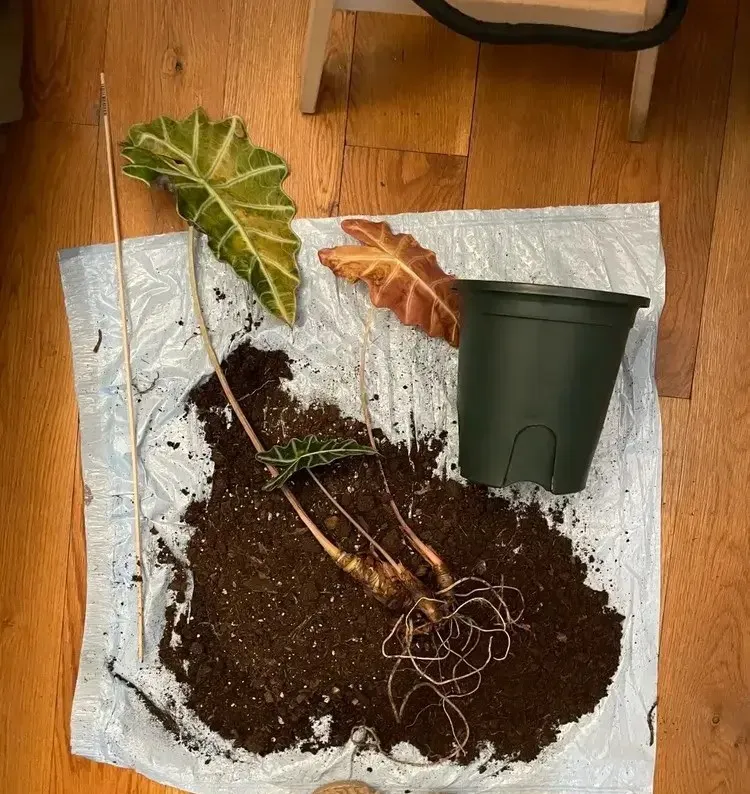
Repotting & Refreshing Soil
Even the best soil mix doesn’t last forever. Over time, organic materials break down and compact, reducing airflow and trapping moisture around the roots.
That’s why repotting your Alocasia every 6–12 months is one of the simplest ways to keep it thriving.
Before you repot, inspect the roots carefully:
- Healthy roots are firm and white.
- Soft, black, or mushy roots should be trimmed away with clean scissors.
When changing soil, resist the urge to wash everything off — instead, keep about 20–30% of the old mix around the roots.
This helps preserve beneficial microbes and mycorrhizae that support nutrient uptake and plant immunity.
Choose a pot that’s just one size larger than the previous one. Too much extra space can hold excess moisture and slow growth.
After repotting, water lightly to settle the new soil, then let the plant rest for a week before fertilizing again.
🌱 Fresh soil gives your Alocasia a second wind — think of it as spring cleaning for the roots.
FAQ
A blend of peat moss (or coco coir), perlite, bark, and a bit of charcoal works perfectly for most indoor growers.
You can, however, use it as a base and enrich it with coco coir or bark to improve moisture retention.
Bark increases airflow, while charcoal helps absorb excess moisture and toxins, keeping the soil fresh over time.
Old soil becomes compact and acidic, which suffocates the roots.
Refreshing the mix once a year keeps your Alocasia growing strong and resilient.
When you touch the soil and it feels heavy or cold days after watering — that’s a clear sign to loosen the mix.
Avoid pots that trap water at the base; Alocasia roots need oxygen more than constant moisture.
Still struggling with your Alocasia?
Learn how to fix common issues in our full Alocasia Care Hub, from watering balance to root health.
Go to Care Hub →