Last updated: May 19, 2026
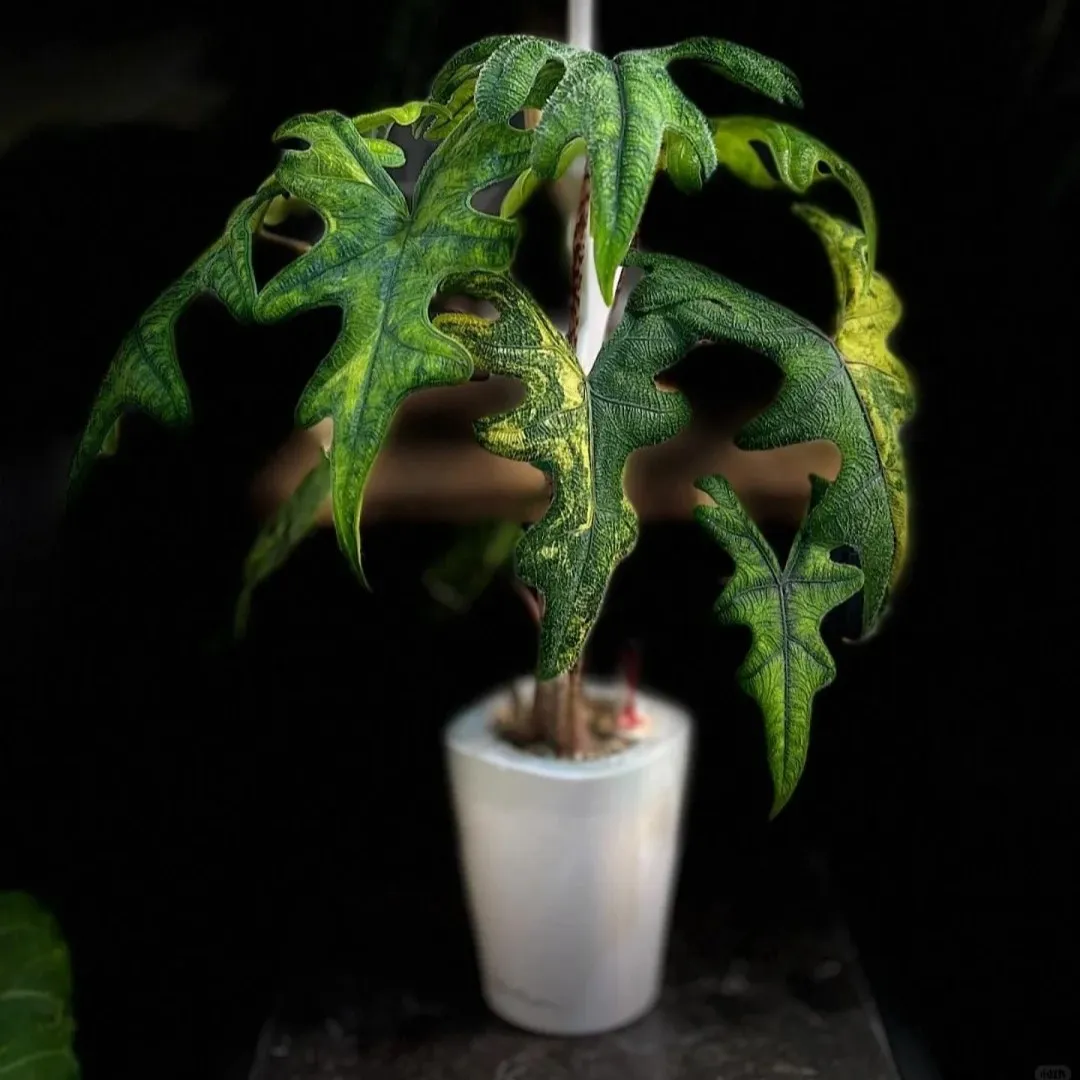
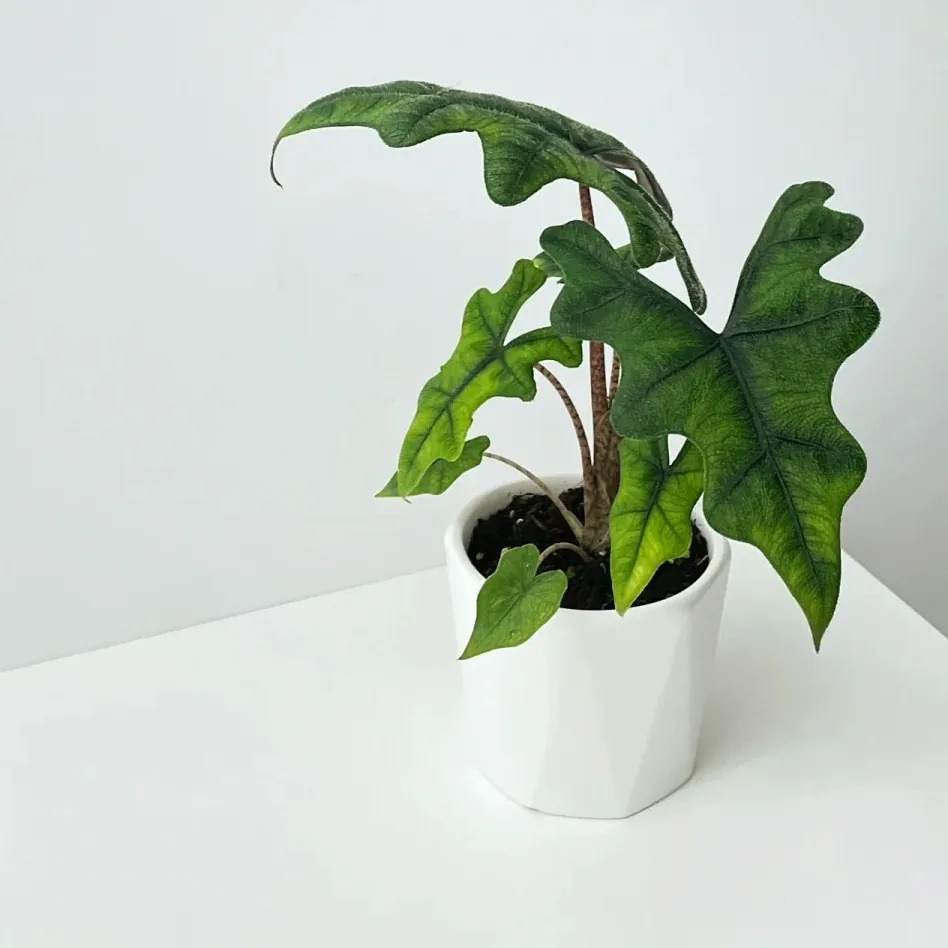
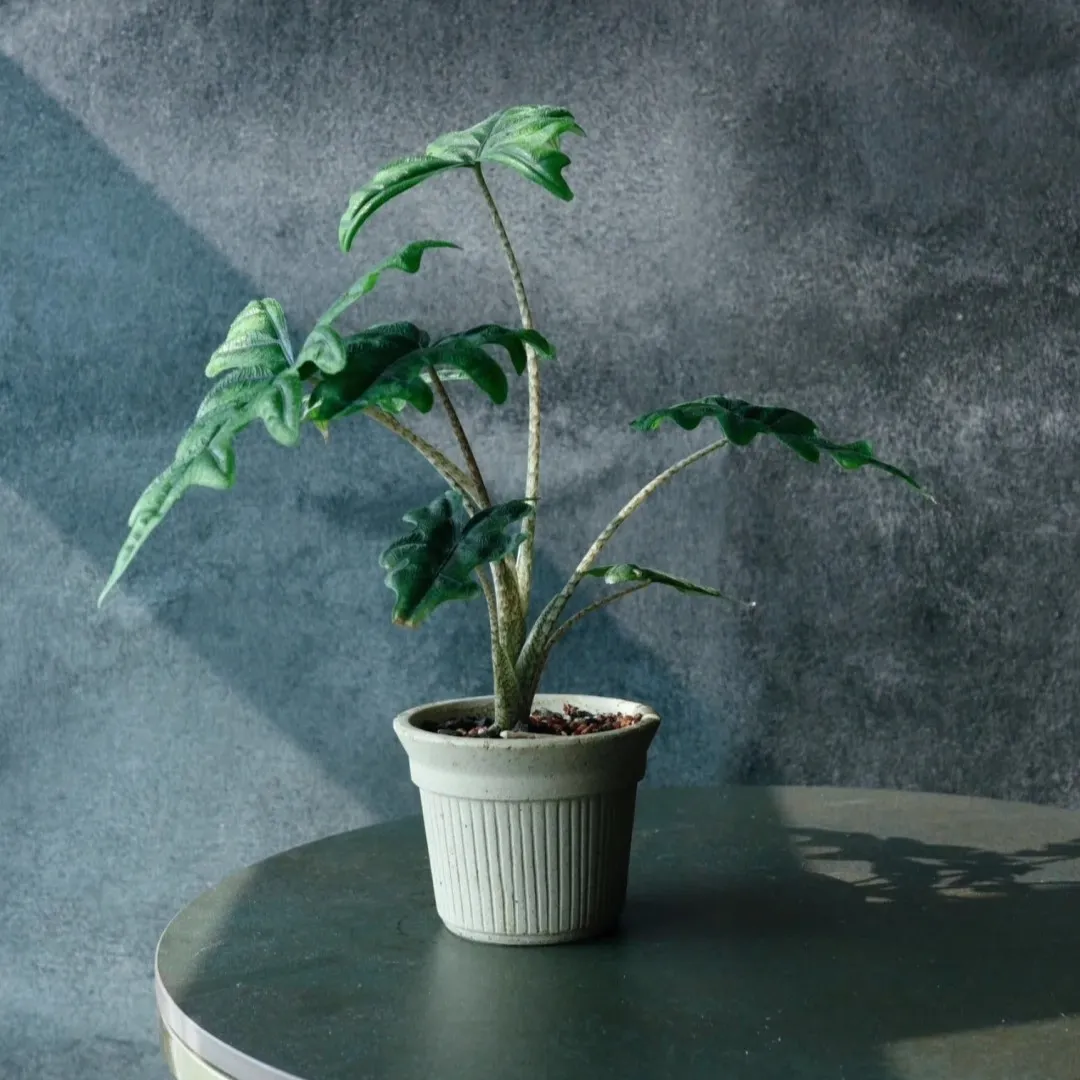
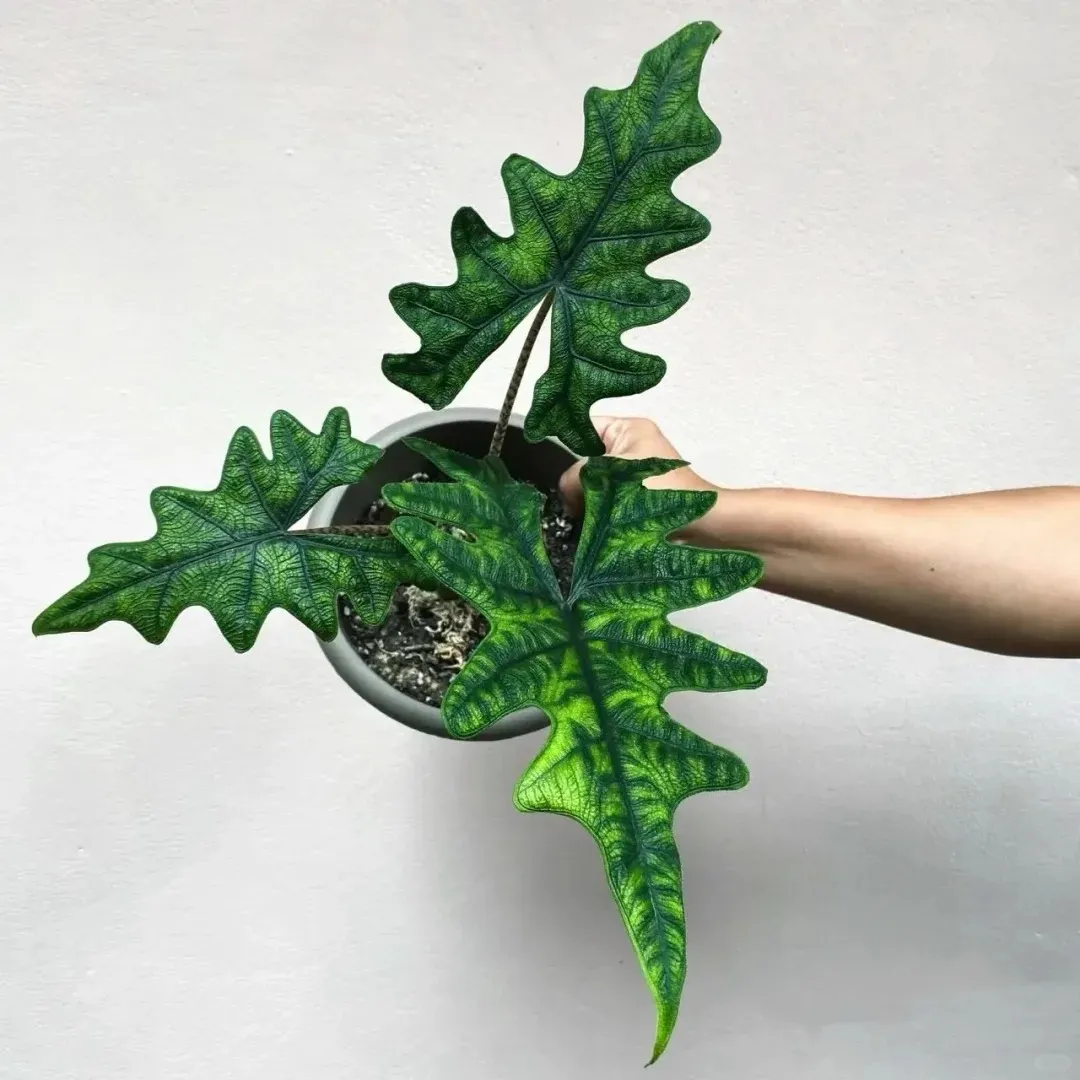
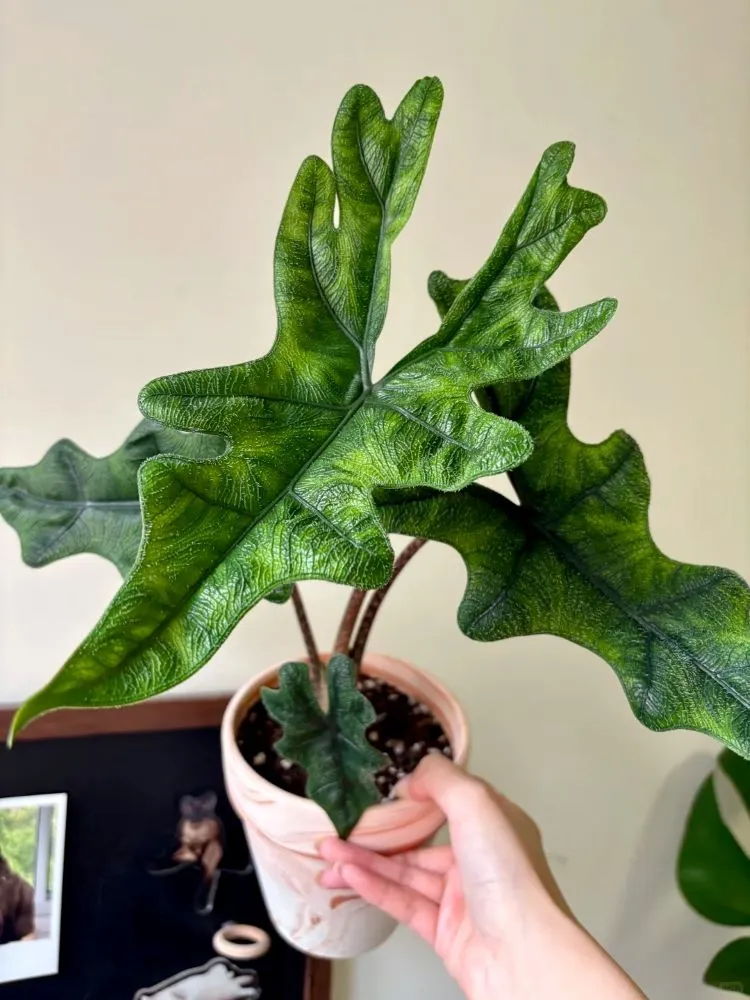
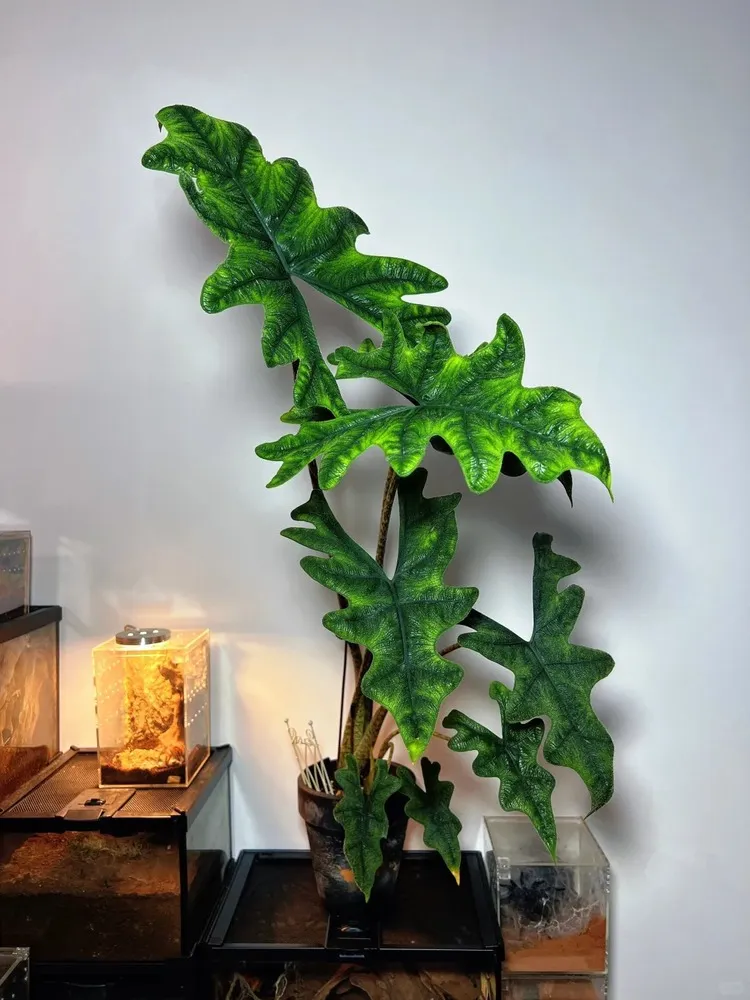
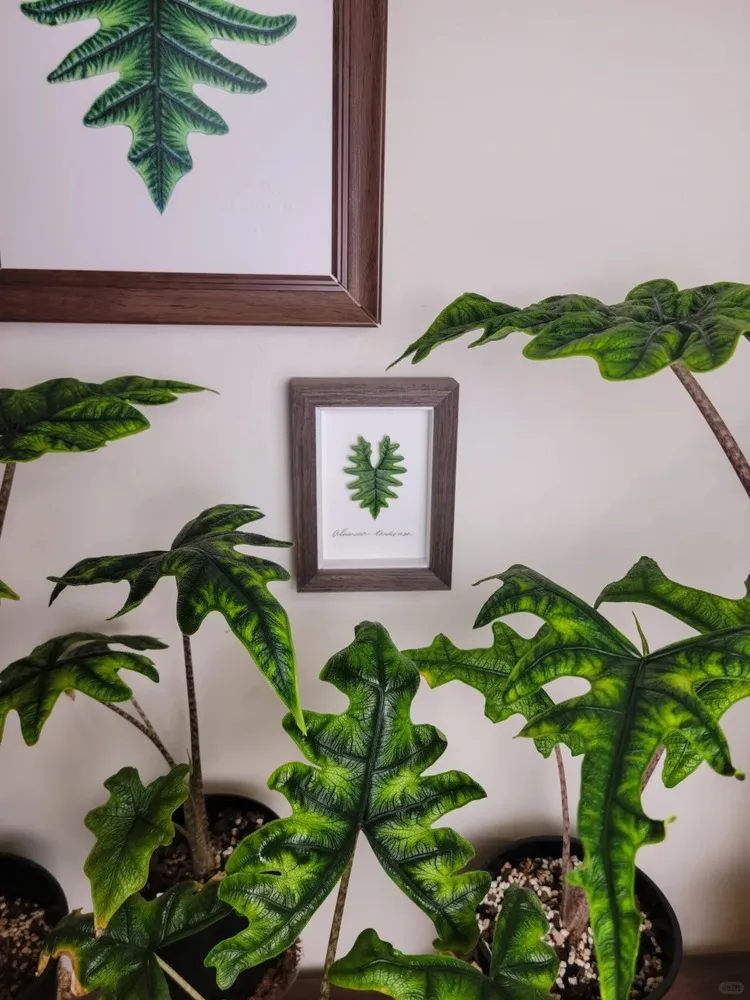
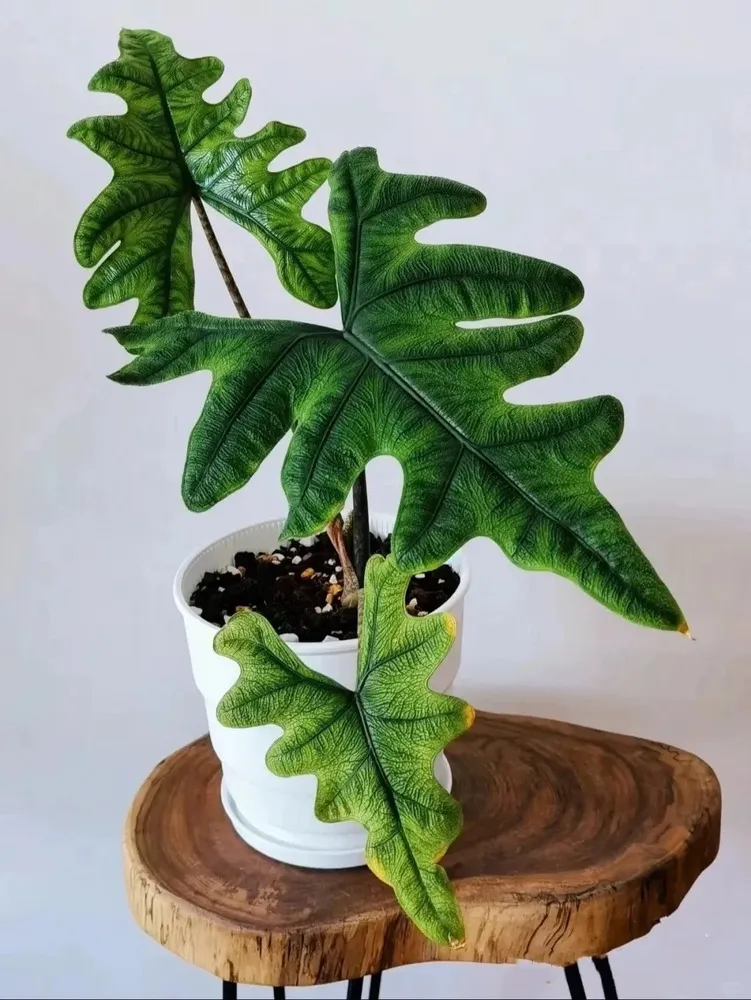
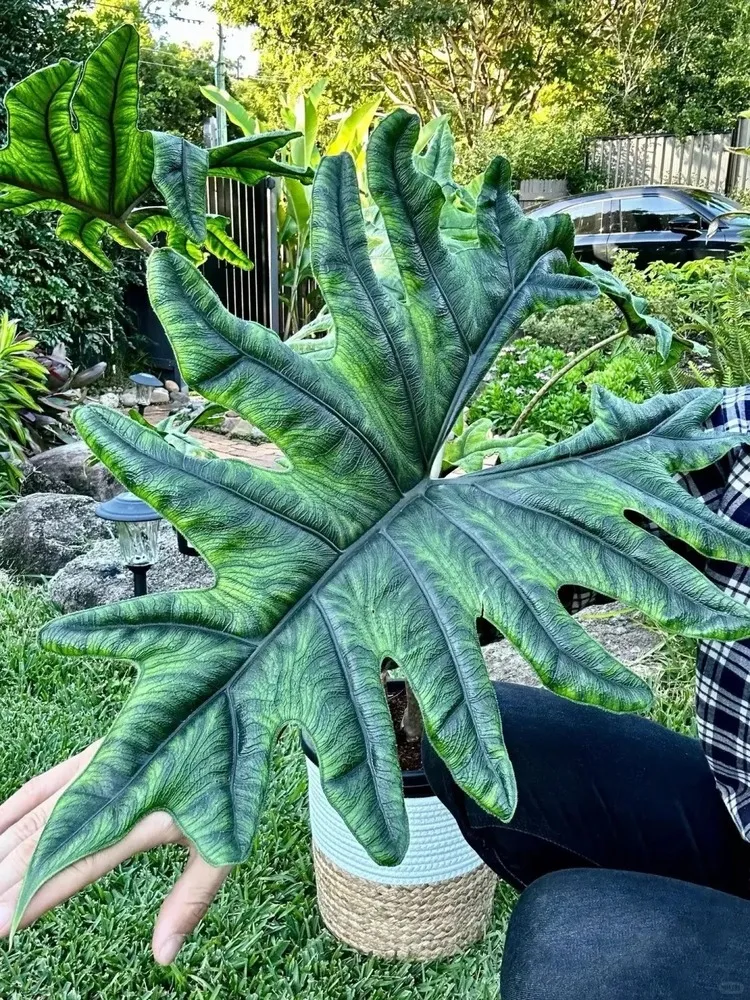
Alocasia Jacklyn is one of those plants that looks much harder to grow than it actually feels once it settles in. The leaf shape is dramatic, almost jagged and antler-like, and the pattern makes the plant look rare even when it is still small. But after growing mine indoors, I realized the real key is not chasing a complicated setup. It is giving the plant healthy roots, an airy pot, breathable soil, steady warmth, and bright filtered light.
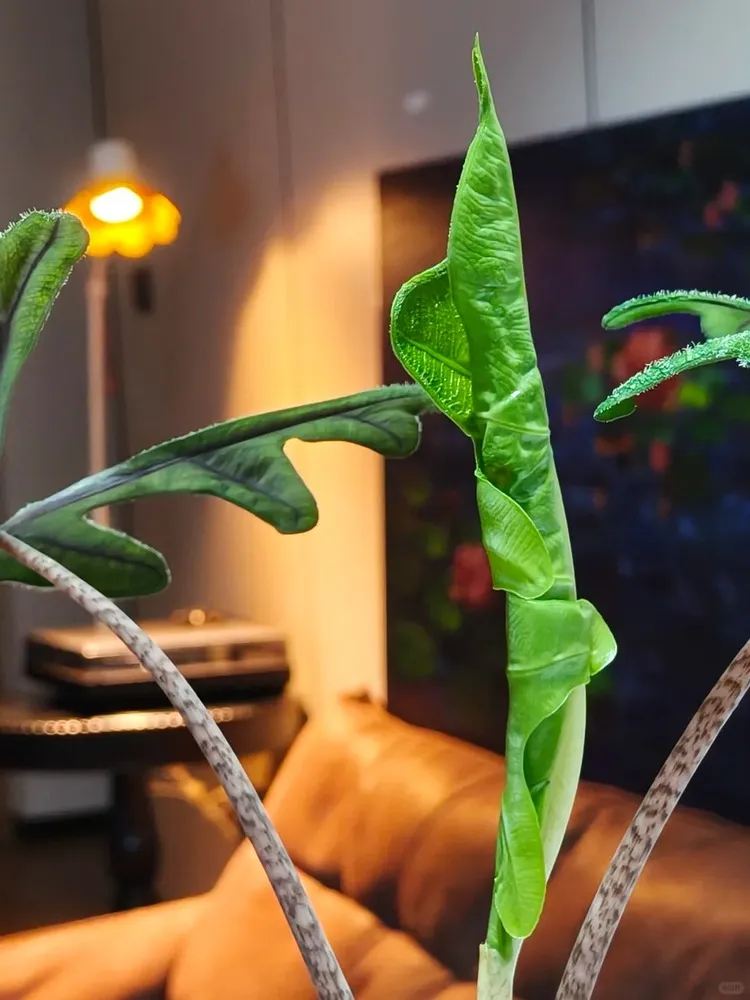
My Jacklyn surprised me after the settling-in period. Once it adjusted to my home, it started pushing new leaves quickly. The new leaf was changing almost every day, and that is the kind of growth that makes this plant especially rewarding to watch.
The biggest lesson from my own plant is simple: good roots make good leaves. My Jacklyn had already filled the pot with healthy roots when I checked it, and that explained why it had enough energy to keep producing new growth. With this plant, I would focus on roots and stability before thinking about fertilizer or tricks.
This guide is based on what worked for my Jacklyn indoors: an airy pot, a chunky mix, stable temperature, bright window light without harsh direct sun, and a healthy starter plant with an active root system.
Quick Answer: What Helped My Alocasia Jacklyn Grow New Leaves
My Alocasia Jacklyn started producing new leaves quickly after it settled in because the basic conditions were right: a healthy root system, an airy pot, a chunky well-draining mix, stable warmth, and bright filtered light near a window.
I do not think Jacklyn needs a complicated setup to grow well, but it does need oxygen around the roots. A dense mix or a pot that stays wet for too long can slow the plant down quickly. When the roots are healthy and the mix breathes well, the leaves tend to follow.
For me, Jacklyn is not the easiest beginner Alocasia, and I would still point true beginners toward these beginner-friendly Alocasia varieties first. But once Jacklyn starts moving, it is very satisfying. The new leaves change quickly day by day, which makes the growth process easy to observe.
What Changed After My Jacklyn Settled In
When Jacklyn first comes home, I do not expect it to grow immediately. Like many Alocasias, it needs a short settling-in period after moving into a new environment. The plant may look quiet for a while, and that does not always mean something is wrong.
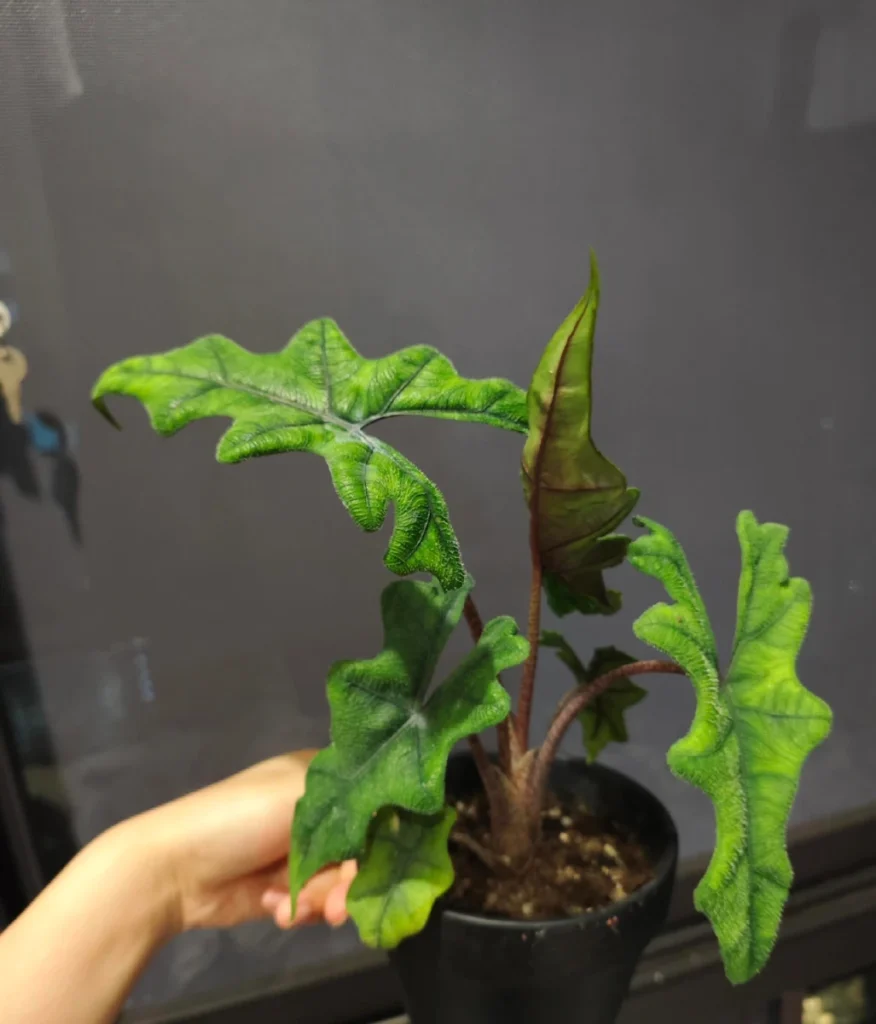
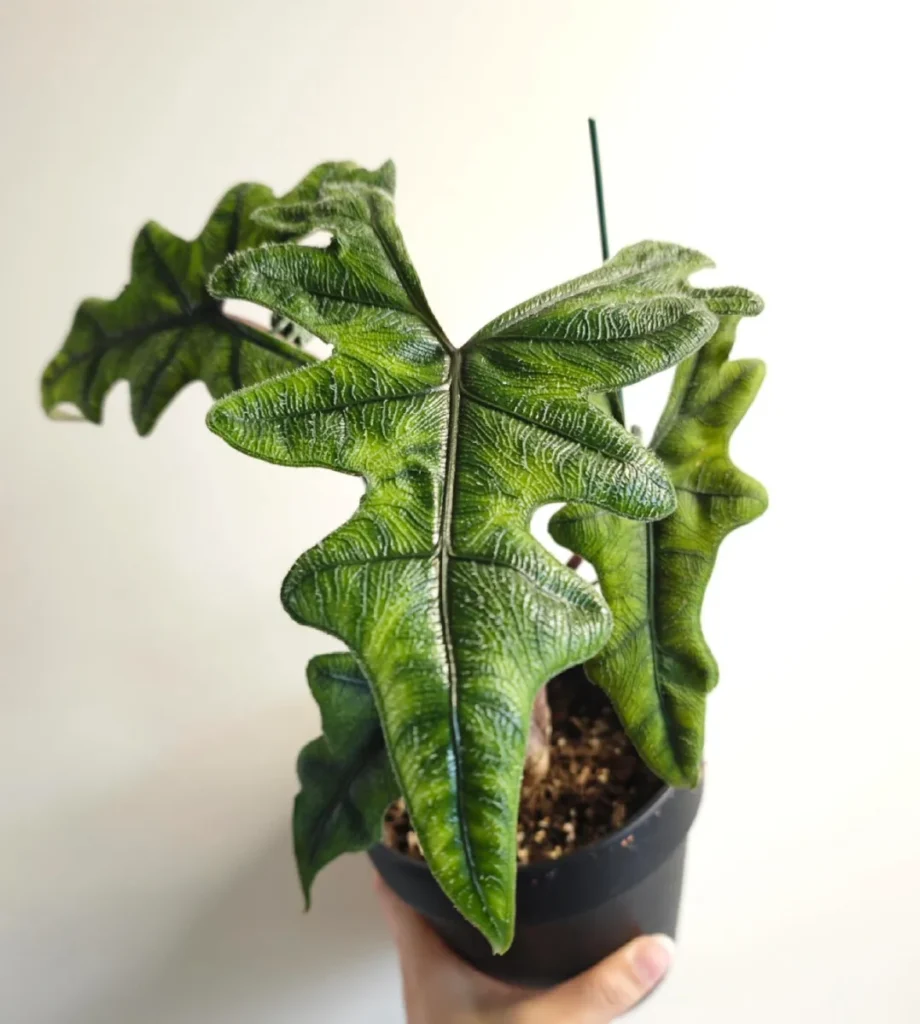
Once mine adjusted, the change was obvious. It began pushing new growth from the center, and the new leaf developed quickly enough that I could see small changes almost every day. That is one of the reasons I enjoy growing Jacklyn so much. It does not just sit there looking decorative — when it is happy, it shows progress clearly.
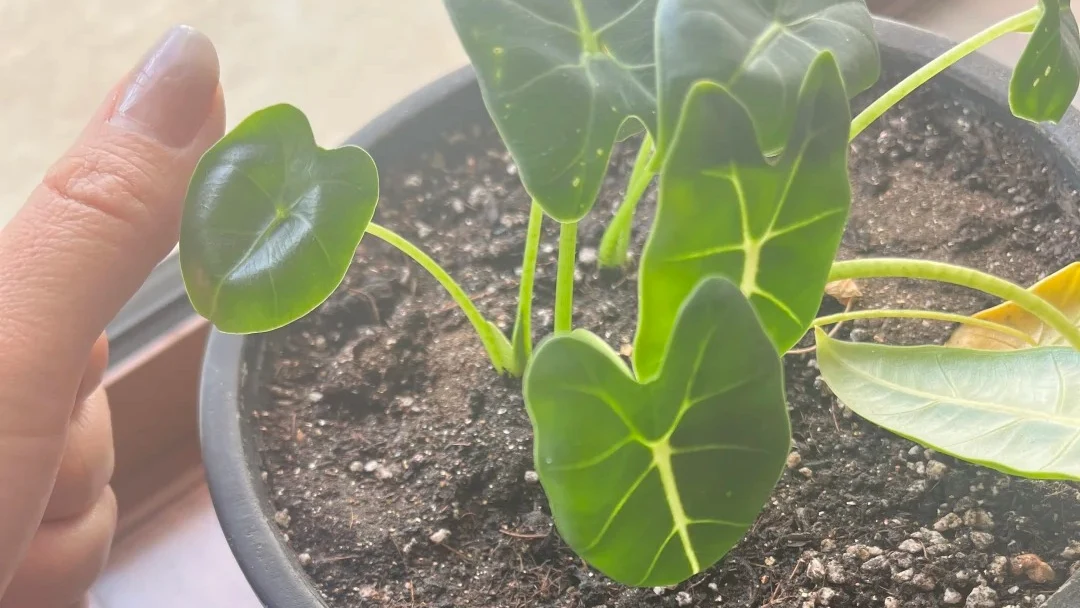
The setup was not extreme. I used a breathable pot, a loose chunky mix, stable indoor warmth, and bright filtered light near a window. The plant was not sitting in harsh direct sun, but it also was not kept in a dark corner. That middle zone worked best for mine.
The most important part was the root system. This plant had strong, healthy roots that had already filled the pot. That gave it the base it needed to produce better leaves. In my experience, Jacklyn grows best when the roots are already active and the potting setup lets them breathe.
For a deeper breakdown of light and moisture needs, see Alocasia Light Requirements & Alocasia Watering Guide.
Detailed Care Guide
Watering
For Jacklyn, I do not follow a strict weekly watering schedule. I check the pot and the top layer of the mix first. The soil should dry slightly between waterings, but I do not let the plant stay bone dry for too long while a new leaf is forming. If the new leaf keeps getting stuck or damaged, this guide on Alocasia leaf not unfurling may help you check the likely causes.
The main mistake to avoid is keeping the roots in stale, wet soil. Jacklyn likes moisture, but it still needs airflow around the roots. If the mix stays wet for too long, the plant may droop, yellow, or slow down even if the leaves still look dramatic above the soil.
When I water, I water thoroughly and let the excess drain away. In warmer, brighter conditions, the pot dries faster. In cooler months, I slow down and give the mix more time to breathe.
For a full breakdown, see my Alocasia Watering Guide. If the soil has stayed wet for a long time and the plant starts to decline, check for root rot.
Light
My Jacklyn does best with bright filtered light near a window. I would not put it in harsh direct sun, especially during the hottest part of the day, because the thinner leaf sections can scorch. But I also would not keep it in a dark corner and expect strong growth.
Filtered window light gives the plant enough energy to keep the leaf pattern strong without burning the edges. If the stems stretch, the leaves look dull, or new growth stays small, I would check the light before increasing fertilizer.
Learn more in my Alocasia Light Requirements guide.
Soil
This is one of the biggest parts of my Jacklyn care. I prefer a chunky, fast-draining aroid mix that holds some moisture but still lets air move through the pot.
A simple mix can include coco coir or peat, perlite or pumice, and orchid bark or coco husk. The exact recipe matters less than the texture. It should feel open and airy, not heavy and muddy.
For me, Jacklyn growth improved when the roots had both moisture and oxygen. If the mix is too dense, the plant may look fine for a while, but root stress can build quietly underneath.
Temperature
Jacklyn grows best when the room stays warm and stable. I aim for around 18–27°C (65–80°F). Sudden cold drafts, AC airflow, or big day-night swings can cause stress quickly.
In my experience, the plant grows much more confidently when the temperature stays steady. Warmth is especially important when a new leaf is forming or after the plant has just been moved or repotted.
Humidity
Jacklyn appreciates higher humidity, but I would not rely on misting alone. A humidifier, plant grouping, or a naturally more humid room is more useful than spraying the leaves once in a while.
The thin, divided leaves can show dry-air stress through crispy edges or brown tips. If the plant is growing a new leaf, I try to keep the air stable instead of letting it swing from very dry to very wet.
Fertilizer
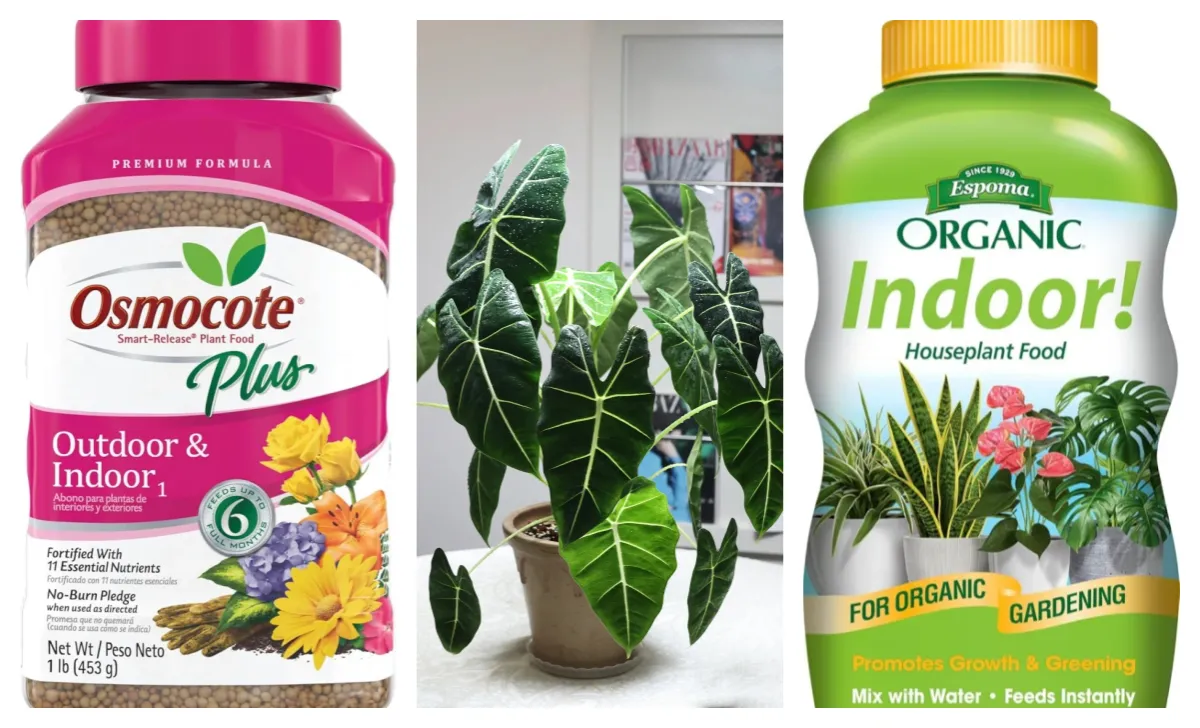
I see fertilizer as support, not the main reason Jacklyn grows well. If the roots are healthy and the plant is actively producing leaves, I feed lightly during the growing season with a diluted balanced fertilizer every 4–6 weeks.
I would not push heavy fertilizer on a newly arrived, stressed, or root-damaged Jacklyn. Good roots, airy soil, warmth, and light should come first. Fertilizer only helps when the plant is already able to use it.
Pot Choice
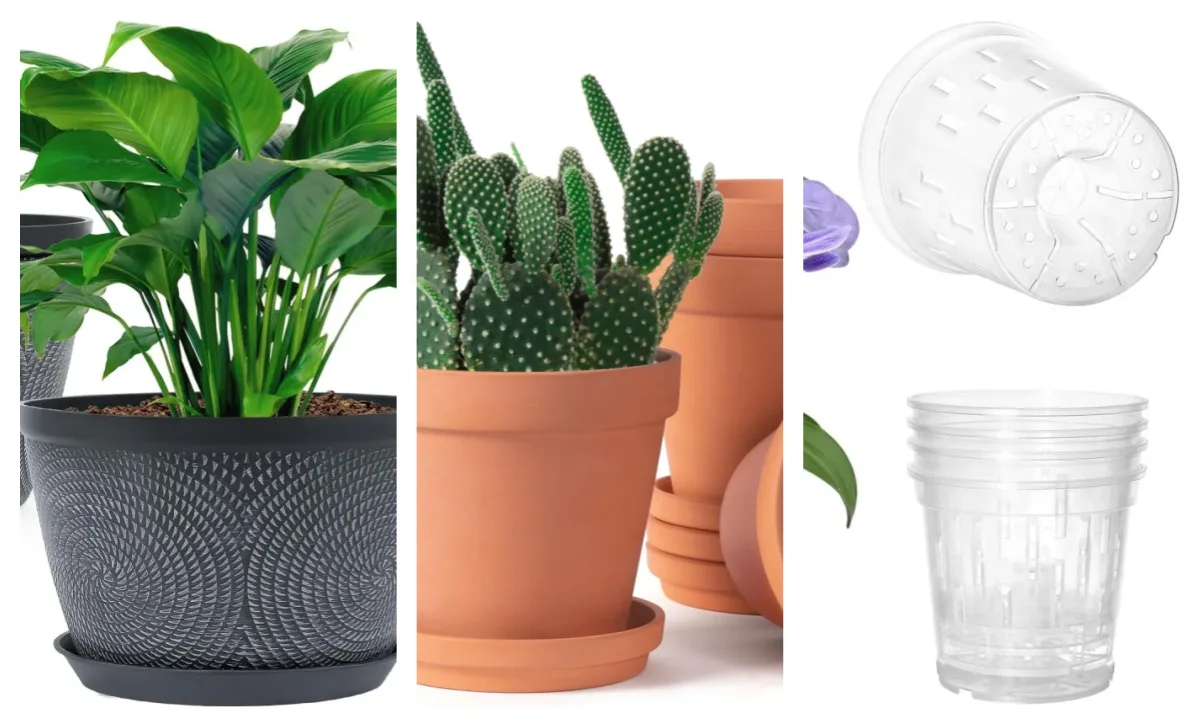
A breathable pot makes Jacklyn much easier to manage. I prefer a pot with good drainage and enough airflow so the mix does not stay wet for too long. Terracotta, coarse ceramic, slotted nursery pots, or any pot with strong drainage can work better than a decorative pot that traps moisture.
I do not oversize the pot. A pot that is too large can hold too much wet soil around the roots. For Jacklyn, I would rather size up gradually and keep the root zone active than give it a huge container before it is ready.
Healthy Roots Made the Biggest Difference for My Jacklyn
The biggest reason my Jacklyn started growing well was not a special fertilizer or a rare technique. It was the root system. When I checked the plant, the roots had already filled the pot, and that explained why it had enough strength to keep pushing new leaves.
This changed how I think about Jacklyn care. If the plant is not growing, I do not immediately blame the leaf, the humidity, or the fertilizer. I check whether the root zone is healthy, airy, and active.
A strong Jacklyn usually starts below the soil. When the roots are healthy, the new leaves have a better chance of coming in larger, cleaner, and more stable. When the roots are weak or sitting in wet, compact soil, the plant may still look beautiful for a while, but the next leaves often tell the truth.
Common Problems with Alocasia Jacklyn
Even though Jacklyn is a stunning collector plant, it reacts quickly when conditions aren’t ideal. These are the signs you’re most likely to see:
- Drooping leaves → Usually caused by underwatering, cold drafts, or sudden environmental changes. See my Alocasia Leaves Drooping guide.
- Yellowing lobes → Overwatering or a soil mix that stays wet too long. Read more in Alocasia Leaves Turning Yellow.
- Brown tips or crispy lobes → Low humidity or irregular watering timing.
- Faded leaf color → Insufficient light, especially in shaded rooms.
- Black patches → Cold stress or exposure to AC airflow.
- Small or slow new leaves → Often related to weak roots, low light, poor airflow in the potting mix, or inconsistent moisture.
- New leaf stops developing → Usually a sign to check temperature, root health, and whether the mix is drying too slowly.
Repotting and Root Checks
Jacklyn does not propagate from normal stem cuttings. It is usually divided when the plant is mature enough and has separate growth points with their own roots. But for me, repotting is not only about making more plants — it is also a chance to understand how strong the plant really is below the soil.
If the plant is growing well and the roots have filled the pot, I size up carefully rather than jumping into a much larger container. A slightly larger pot with a breathable mix is safer than an oversized pot that holds wet soil for too long.
I handle the roots gently. Jacklyn roots are important, and I do not disturb them more than necessary unless there is rot or compacted soil causing problems. If the root system is healthy, I try to preserve as much of it as possible.
For step-by-step division photos, see my Alocasia Propagation Guide. For broader repotting timing and aftercare, check the Alocasia Care Guide.
FAQ
Love discovering new Alocasias?
Explore more unusual collector-style plants in the Jewel Alocasias guide, or browse the full Alocasia Varieties Hub.
Go to Varieties Hub →